
What Exactly is a Dilute Tortie Cat?
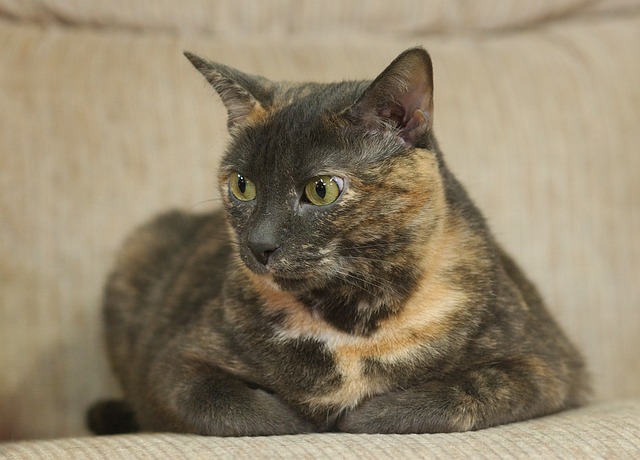
For anyone working through the question of unique cat coat colors, the dilute tortie stands out. Unlike their bolder counterparts, dilute tortie cats display a softer, more muted palette of colors. Think of dusky blues instead of black, creamy whites instead of orange, and soft lavenders or grays instead of reddish-browns.
Last updated: June 5, 2026
This enchanting pattern isn’t a breed itself, but rather a genetic expression of color found across many different cat breeds. The term “dilute” refers to a lighter, pastel version of the classic tortoiseshell pattern, which is a mix of red/orange and black/brown patches. As of June 2026, the appeal of these gentle color variations continues to grow among cat enthusiasts.
- Dilute torties exhibit soft, pastel versions of the classic tortoiseshell pattern due to a specific genetic dilution.
- These cats are overwhelmingly female because the genes for orange and black fur are carried on the X chromosome.
- While often described as having “spicy” personalities, dilute torties are generally affectionate and playful, with individual variation being key.
- The dilute gene affects the intensity of pigment, turning black to blue (gray) and red to cream or buff.
- Dilute torties are not a breed but a coat color found in many breeds, making them unique and sought after.
The magic behind the dilute tortie’s soft hues lies in genetics, specifically a phenomenon called the “dilute gene.” This gene acts as a modifier, lightening the intensity of the base colors. In cats, the primary colors are typically black and orange (or red). The dilute gene affects these as follows:
- Black becomes Blue (or Gray).
- Orange/Red becomes Cream/Buff.
A tortie cat has a mix of these two primary colors, orange and black, patched together. A dilute tortie, therefore, has a mix of the diluted colors: blue and cream. It’s like a painter using lighter, more pastel shades on their canvas.
A recessive gene causs this dilution (symbolized by ‘d’). For a cat to display the dilute pattern, it must inherit two copies of the dilute gene (‘dd’). Cats with two copies of the non-dilute gene (‘DD’) or one copy of each (‘Dd’) won’t have the diluted coloring, although ‘Dd’ cats can be carriers.
Practically speaking, this means a black cat with the dilute gene will appear gray, and an orange cat will appear cream. When both these base colors are present in patches, you get the beautiful dilute tortie pattern we see.
The X Chromosome Connection: Why Dilute Torties Are (Almost) Always Female
One of the most fascinating aspects of tortoiseshell and calico cats, including their dilute variants, is their gender distribution. It’s widely understood, and backed by genetics, that dilute torties are overwhelmingly female. This is because the gene that determines orange or black fur color is located on the X chromosome.
Female mammals have two X chromosomes (XX), while males have one X and one Y chromosome (XY). Since the gene for orange/black fur is on the X chromosome, a female cat can have one X chromosome carrying the gene for orange fur and another X chromosome carrying the gene for black fur. These are expressed as patches of different colors.
A male cat, with only one X chromosome, can typically only express one of these colors: either orange or black (or a tabby pattern if other genes are involved). While male cats can rarely be tortoiseshell or dilute tortie, this occurs due to a genetic anomaly like Klinefelter syndrome, where they have an XXY chromosome makeup. According to the American Veterinary Medical Association (AVMA) (2025), these XXY males are usually sterile.
Therefore, if you are looking to adopt a dilute tortie, you are statistically very likely to be welcoming a female feline companion into your home. This sex-linked trait is a hallmark of the tortoiseshell pattern.
Dilute Torties vs. Dilute Calicos: Spotting the Subtle Difference
Many people confuse dilute torties with dilute calicos, and it’s easy to see why. Both patterns involve patches of diluted colors. The key difference lies in the presence of white. Calico cats, in general, have significant amounts of white in their coat, along with patches of color.
A dilute tortie will have patches of blue/gray and cream/buff, but typically very little to no white. If white is present, it’s usually minimal, perhaps on the chest or paws. The defining characteristic is the marbled or brindled mix of the two non-white colors.
A dilute calico, on the other hand, will have the same blue/gray and cream/buff colors, but these will appear in distinct, larger patches alongside substantial white areas. Think of a dilute tortie pattern overlaid on a white base. If you see a cat with soft blue, cream, and a good amount of white, it’s likely a dilute calico.
From a genetic standpoint, both patterns are variations of the same underlying genetic principles involving the X chromosome and the dilute gene. However, the presence and distribution of the white spotting gene play a crucial role in distinguishing between the two.
Personality Traits: Are Dilute Torties ‘Spicy’ or Serene?
The term “tortitude” is often used to describe the famously feisty and independent personality of classic tortoiseshell cats. They are known for being opinionated, sometimes sassy, and fiercely loyal. But what about their dilute counterparts?
Anecdotally, many owners report that dilute torties tend to be a bit softer in temperament compared to their non-dilute tortie cousins. While they can certainly have their moments of playful mischief and strong opinions, they are often described as being more gentle, affectionate, and less demanding. The “spicy” factor might be dialed down, replaced by a sweet and charming disposition.
However, it’s crucial to remember that personality is highly individual. Just like humans, every cat is a unique blend of genetics, upbringing, and socialization. Some dilute torties might indeed exhibit “tortitude,” while others are the epitome of calm cuddliness. Factors like breed predispositions (if applicable), early life experiences, and the environment they live in play a significant role.
When considering adoption, focus on the individual cat’s demeanor rather than relying solely on generalizations. Observing a cat’s interaction with people and other animals in a shelter environment can provide valuable insights into their potential personality. As of June 2026, reputable shelters often provide detailed personality profiles for their cats, helping potential adopters find the best match.
How Rare Are Dilute Tortie Cats, and What’s Their Value?
Dilute torties are often considered rarer than their classic tortie counterparts. This is primarily due to the specific genetic combination required: the cat needs to inherit the genes for both the tortie pattern (which is less common than solid colors) and the dilute gene. Both the tortie pattern and the dilute gene are recessive or sex-linked in ways that make the combination less frequent.
While they aren’t as rare as some extremely specialized breeds, their unique pastel coloring makes them stand out and highly desirable. This desirability can translate into a higher perceived value. Prices for dilute torties can vary significantly based on factors like breed, breeder reputation, pedigree, and geographic location.
In the general mixed-breed population, you might find a dilute tortie through adoption for a modest fee, typically ranging from $50 to $200, covering initial vet checks, vaccinations, and spaying/neutering. If you’re looking for a purebred dilute tortie from a breeder, prices can range from $1,000 to $2,000 or even more, depending on the breed. For example, a dilute tortie Persian or Maine Coon might command a higher price than a dilute tortie domestic shorthair.
remember that paying a higher price doesn’t guarantee a healthier or better-tempered cat. Reputable breeders prioritize health and temperament, and their costs reflect responsible care and genetic testing. Always research breeders thoroughly and prioritize adoption from shelters or rescues where possible.
Caring for Your Dilute Tortie: Essential Needs and Considerations
Caring for a dilute tortie is much like caring for any other domestic cat, regardless of coat color. Their basic needs remain the same: a balanced diet, fresh water, a clean litter box, regular veterinary care, mental stimulation, and plenty of love and attention.
Diet: High-quality cat food, whether wet or dry, formulated for their life stage (kitten, adult, senior) is essential. Consult your veterinarian for specific dietary recommendations. Some owners opt for grain-free or limited-ingredient diets, especially if their cat has sensitivities.
Grooming: Dilute torties come in both short-haired and long-haired varieties. Short-haired cats typically require weekly brushing to manage shedding and keep their coat healthy. Long-haired dilute torties will need more frequent grooming, potentially daily brushing, to prevent mats and tangles. Regular nail trimming and occasional baths (if necessary) are also part of grooming.
Health: As mentioned, dilute torties are susceptible to the same health issues as other cats. However, due to the sex-linked nature of their coat color, male dilute torties with XXY chromosomes are prone to health problems and often have a shorter lifespan. Responsible breeders conduct genetic health screening for common breed-specific issues (like hypertrophic cardiomyopathy in Maine Coons) and ensure their cats are free from common inherited disorders. According to the Cornell University College of Veterinary Medicine (2025), regular veterinary check-ups are crucial for early detection and management of any potential health concerns.
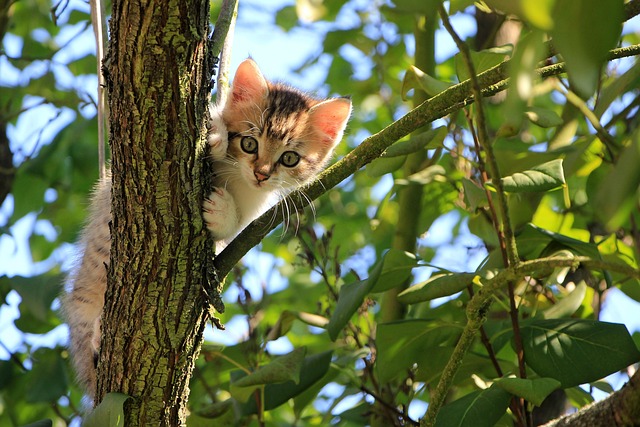
Environment: Provide a stimulating environment with scratching posts, climbing structures, and interactive toys. Cats are intelligent and need mental and physical engagement to prevent boredom and stress. Litter box placement and cleanliness are also critical for their comfort and hygiene.
Health Concerns and Lifespan of Dilute Tortoiseshell Cats
Generally, dilute torties enjoy a healthy lifespan, typically ranging from 12 to 18 years, with many living into their early twenties. Their genetics largely determins their health outcomes, breed predispositions, diet, lifestyle, and the quality of veterinary care they receive. The “dilute” gene itself is not associated with any inherent health problems in females.
The primary health caveat, as previously discussed, pertains to male dilute torties with XXY chromosomal makeup. These males often face a higher incidence of health issues, including potential developmental abnormalities and a generally reduced lifespan compared to their female counterparts. The AVMA (2025) notes that such genetic anomalies can lead to a variety of complications.
For female dilute torties, health concerns are more breed-dependent. For instance, if a dilute tortie is a Maine Coon, they might be predisposed to conditions like hip dysplasia or hypertrophic cardiomyopathy. If they are a Siamese mix, they might be more prone to dental issues or respiratory problems. It’s vital to discuss potential breed-specific health risks with your veterinarian or a reputable breeder.
Regular veterinary check-ups, vaccinations, parasite control, and a nutritious diet are the cornerstones of ensuring a long and healthy life for your dilute tortie. Proactive care, including dental hygiene and monitoring for any changes in behavior or appetite, can help catch potential issues early. The ASPCA (2026) emphasizes that preventative care is the most effective strategy for feline longevity and well-being.
Finding Your Dilute Tortie: Adoption or Reputable Breeder?
Deciding where to find your dilute tortie companion is a significant step. Both adoption from shelters and rescues and purchasing from a reputable breeder have their advantages.
Adoption: Shelters and rescue organizations are wonderful places to find dilute torties, often at a fraction of the cost of buying from a breeder. These cats may be mixed breeds or purebreds surrendered by previous owners. While you might not always know their full history or pedigree, rescue staff can often provide insights into their personality and health. Adoption fees typically cover spaying/neutering, initial vaccinations, and microchipping.
Reputable Breeder: If you have your heart set on a specific breed with dilute tortie coloring, finding a reputable breeder is key. A good breeder will be knowledgeable about the breed, prioritize the health and temperament of their cats, and be transparent about health testing and genetic screening. They will welcome your questions, allow you to meet the kitten’s parents (if possible), and provide health records. Beware of breeders who seem more interested in making a sale than in the well-being of their kittens, or those who can’t provide proof of health clearances.
According to Cat Fanciers’ Association (CFA) (2025) guidelines, responsible breeders avoid over-breeding and ensure their cats have a clean, stimulating environment. When choosing a breeder, look for someone who is passionate about the breed and committed to responsible practices. The initial cost may be higher, but a good breeder invests in the health and genetic soundness of their cats, which can prevent future heartache and veterinary bills.
Fascinating Facts About Dilute Tortoiseshell Cats
Beyond their striking appearance and interesting genetics, dilute torties hold a special place in cat lore and affection. Here are a few unique facts:
- A Touch of Luck: In many cultures, tortoiseshell and calico cats are considered good luck charms. The dilute version is no exception, often believed to bring prosperity and good fortune to their households.
- Not a Breed, but a Coloration: It bears repeating that “dilute tortie” describes a coat pattern, not a specific cat breed. You can find this coloration in breeds like American Curls, Persians, Manx, Scottish Folds, and many domestic shorthairs and longhairs.
- Varying Intensity: The “dilute” effect can vary. Some cats might have very pale, almost pastel shades, while others might have slightly deeper, more saturated muted tones. This adds to their individual charm.
- Brindling: The pattern isn’t always sharp patches. Many dilute torties exhibit “brindling,” where the colors are intermingled in a fine, interwoven pattern, giving their coat a unique, marbled look.
- A Companion for Many: Because the dilute tortie coloration can appear in many breeds and mixed-breed cats, they are accessible to a wide range of potential owners, from those seeking a specific breed to those simply looking for a unique and loving companion.
The enduring charm of the dilute tortie lies in this combination of genetic uniqueness, soft beauty, and the warm companionship they offer. As of June 2026, their popularity continues to be driven by their distinct appearance and affectionate nature.
Common Mistakes to Avoid When Choosing a Dilute Tortie
When you fall in love with the soft colors of a dilute tortie, it’s easy to overlook practical considerations. Here are a few common mistakes to avoid:
- Assuming all dilute torties have the same personality: As discussed, personality varies greatly. Don’t expect every dilute tortie to be a gentle lap cat or a “spicy” independent spirit. Meet the individual cat.
- Prioritizing color over health: A beautiful coat is appealing, but a cat’s health should always come first. If buying from a breeder, ensure they perform health screenings. If adopting, ask about any known medical history.
- Not considering grooming needs: If you choose a long-haired dilute tortie, be prepared for regular grooming. Underestimating this commitment can lead to matted fur and discomfort for the cat.
- Believing they are a separate breed: Understanding that they can be found in many breeds means you need to research the specific breed’s needs if you choose a purebred dilute tortie. A dilute tortie Persian has different care requirements than a dilute tortie domestic shorthair.
- Ignoring the “male anomaly”: While rare, male dilute torties are possible but often come with health complications. Be aware of this possibility and ensure any male kitten comes with excellent health documentation.
Avoiding these pitfalls can help ensure a happy and healthy long-term relationship with your dilute tortie companion.
Expert Tips for Dilute Tortie Owners
Drawing on the collective experience of veterinarians and seasoned cat owners, here are some tips to enhance the life of your dilute tortie:
- Early Socialization is Key: Especially for kittens, consistent positive exposure to different sights, sounds, people, and other pets can significantly shape their temperament and help them grow into well-adjusted adults.
- Enrichment is Non-Negotiable: For intelligent cats like many dilute torties can be, providing puzzle toys, vertical spaces (cat trees), and interactive play sessions is crucial to prevent boredom and destructive behaviors.
- Monitor for “Tortitude”: Even if generally gentle, keep an eye out for any sudden changes in behavior that might indicate stress, illness, or discomfort. A “spicy” moment could be a sign something is wrong.
- Dental Health Matters: Cats, regardless of coat color, are prone to dental issues. Incorporating dental treats, water additives, or regular brushing can make a significant difference in their long-term health.
- Understand Breed-Specific Needs: If your dilute tortie is a specific breed, research that breed’s common health concerns, dietary needs, and exercise requirements. For example, Scottish Folds require attention to joint health.
These practices, combined with love and attention, will help your dilute tortie thrive. For those interested in understanding more about general feline health, the American Association of Feline Practitioners (AAFP) (2026) offers excellent resources and best practices for cat owners.
Frequently Asked Questions About Dilute Torties
What is the average lifespan of a dilute tortie cat?
Dilute torties typically live between 12 to 18 years, with many individuals reaching their early twenties. This lifespan is comparable to most domestic cats and depends heavily on genetics, diet, environment, and veterinary care.
Are dilute tortie cats friendly?
While often described as more gentle than classic torties, friendliness varies by individual. They are generally affectionate and playful, but early socialization and individual personality play a large role in their sociability.
Can a dilute tortie cat be male?
Yes, but it’s very rare. Male dilute torties usually have an XXY chromosome makeup, which often leads to sterility and potential health issues. Most dilute torties are female.
Do dilute torties shed a lot?
Shedding depends more on coat length and breed than color. Long-haired dilute torties will shed and require more grooming than their short-haired counterparts, who generally shed moderately.
Are dilute torties expensive?
Adoption fees for dilute torties from shelters are typically modest ($50-$200). Purebred dilute torties from breeders can range from $1,000 to $2,000+, depending on breed and pedigree.
What is the difference between a dilute tortie and a dilute calico?
A dilute tortie has patches of muted colors (blue, cream) with little to no white. A dilute calico has these same muted colors but also includes significant white patches.
The Enduring Allure of the Dilute Tortie
The dilute tortie cat, with its soft, pastel coat and often gentle demeanor, offers a unique charm that captivates many cat lovers. Their fascinating genetics, tied to the X chromosome, explain their predominantly female population and the specific way their colors are expressed. While not a breed itself, this beautiful coloration can be found across many feline breeds, making them accessible and diverse companions.
Whether you’re drawn to their rarity, their unique coloring, or the possibility of a sweet-tempered companion, the dilute tortie is a truly special cat. Understanding their needs, from diet and grooming to health and socialization, will ensure a fulfilling life together. If you’re considering adding one of these pastel beauties to your family, remember to prioritize adoption or seek out a responsible breeder who puts the health and well-being of their cats first.
Last reviewed: June 2026. Information current as of publication; pricing and product details may change.
Editorial Note: This article was researched and written by the Pet Magazine editorial team. We fact-check our content and update it regularly. For questions or corrections, contact us.


About The Author