
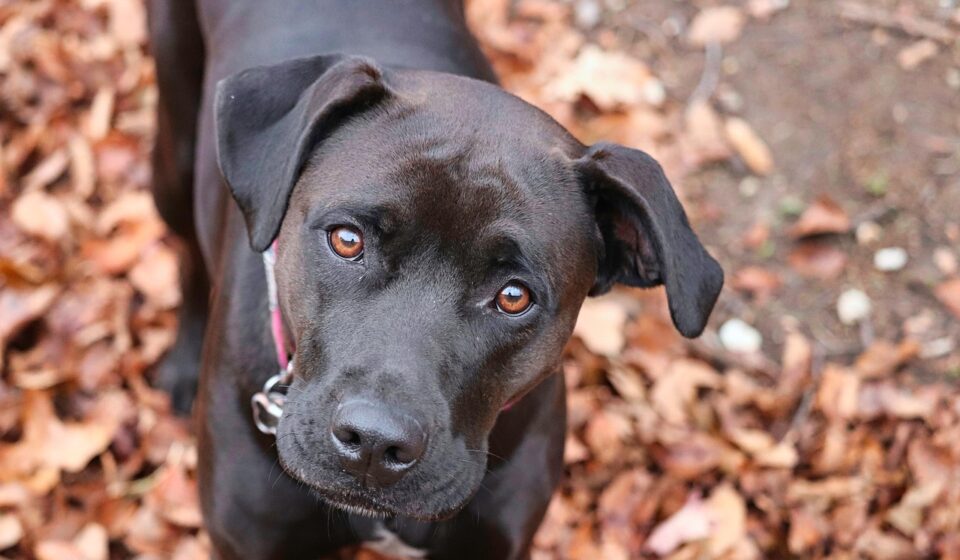

For many dog owners, the idea of enjoying a casual drink or a bite to eat at a local establishment without leaving their furry friend behind feels like a distant dream. Fortunately, as of May 2026, the world of hospitality has shifted significantly, making it more feasible than ever to find dog friendly bars near me. This guide is designed to help you Handle the growing number of venues that not only tolerate but actively welcome your canine companions, ensuring a pleasant experience for everyone involved.
Last updated: May 5, 2026
Key Takeaways
- Many bars and breweries now offer dog-friendly spaces, particularly on patios or in beer gardens.
- Always check a venue’s specific pet policy before visiting to avoid disappointment.
- Proper dog etiquette is crucial for ensuring a positive experience for your pet and other patrons.
- Essential supplies like water bowls and waste bags are important to bring for your dog’s comfort and hygiene.
- Consider your dog’s temperament and training before taking them to a busy social environment.
Why Are Dog-Friendly Bars Booming in 2026?
The surge in popularity for dog-friendly bars isn’t just a trend; it’s a reflection of evolving societal norms and the increasing humanization of pets. Dogs are no longer just animals; they are integral members of many families. Owners are seeking experiences that include their four-legged family members, and businesses are responding to this demand. This shift is evident in the proliferation of dog-friendly patios, beer gardens, and even designated indoor areas in many establishments across the country.
This growth is also fueled by a desire for social connection, both for humans and their pets. Many dog owners use these outings as opportunities to socialize their dogs in controlled environments, enhancing their dogs’ confidence and obedience. From a different angle, the rise of remote work has also contributed, with more people spending time at home and looking for ways to integrate their pets into their daily routines and leisure activities.
Navigating Your Search for Dog Friendly Bars Near Me
Finding dog friendly bars near you requires a proactive approach. While word-of-mouth can be a great starting point, digital tools and resources have become indispensable. Websites and apps dedicated to pet-friendly locations, as well as social media groups, are excellent resources. Many local community pages and pet owner forums share recommendations for bars that allow dogs.
Practically speaking, when you search online, look for specific mentions of “dog-friendly patios,” “pet-welcoming breweries,” or “bars with outdoor seating for dogs.” These phrases often indicate a higher likelihood of a positive experience. Remember that policies can change, so it’s always wise to call ahead or check the venue’s official website or social media page for the most current information as of May 2026.
Understanding Venue Policies: What to Expect
Not all dog-friendly establishments are created equal. Some may allow dogs only on outdoor patios, while others might permit them in specific indoor sections or even at the bar itself. It’s essential to understand these distinctions before you visit. A bar that allows dogs on a spacious, well-shaded patio might be ideal for a summer afternoon, whereas a place with a quiet, designated indoor corner could be better for a dog who prefers cooler, calmer surroundings.
The presence of amenities like water bowls, dog treat menus, or even dedicated play areas can significantly enhance the experience. When researching, look for mentions of these features. For example, the website of a local brewery might list “free water bowls for our furry guests” as a perk, indicating a genuinely welcoming environment.
Essential Dog Etiquette for Bar Visits
Taking your dog to a bar comes with a set of responsibilities. Proper dog etiquette is paramount to ensuring your visit is enjoyable for your dog, yourself, and everyone else. The primary rule is to keep your dog on a leash at all times, unless in a designated off-leash area, which is rare in bar settings. This prevents them from wandering, potentially bothering other patrons, or getting into unsafe situations.
And, ensure your dog is well-behaved. This means they should be comfortable in social settings, not prone to excessive barking, and reliably house-trained. Dogs that are anxious, reactive, or have a history of jumping on people might not be suited for a busy bar environment. A calm, well-mannered dog will be a welcome guest, whereas a disruptive one can create tension and lead to negative experiences for all involved.
Keeping Your Dog Comfortable and Safe
Your dog’s comfort and safety are your responsibility. Always bring a portable water bowl and plenty of fresh water, especially on warm days. Even if the bar offers water, it’s good practice to have your own supply. Keep an eye on your dog to ensure they aren’t becoming stressed by the noise or crowds.
Be mindful of the environment. Hot pavement on patios can burn paws, and crowded spaces can be overwhelming. If your dog shows signs of distress—panting heavily, excessive yawning, lip licking, or attempts to hide—it’s time to leave. The goal is to create a positive association with these outings for your dog, not a stressful one.
Beyond the Basics: Finding Hidden Gems
While many popular breweries and gastropods are becoming dog-friendly, don’t overlook smaller, local neighborhood bars. These establishments often have a strong community feel and may be more amenable to accommodating well-behaved pets, especially if they have a quiet outdoor space. Sometimes, the best dog friendly bars near me are the ones that aren’t widely advertised but are known through local word-of-mouth.
Explore different types of establishments. You might find that a quiet coffee shop with a patio that serves beer, a historic pub with a beer garden, or even a dedicated dog café offers a fantastic experience. The key is to be open-minded and willing to explore beyond the obvious choices. As of May 2026, many smaller businesses are actively seeking ways to attract a wider customer base, and dog-friendliness can be a significant draw.
The Rise of Dog-Friendly Breweries
Breweries, in particular, have embraced the dog-friendly ethos. Their often expansive taprooms and outdoor seating areas are naturally conducive to hosting pets. Many breweries actively market themselves as dog-welcoming destinations, even offering special “dog beer” or treats. This trend aligns with the craft beer culture, which often emphasizes community and a relaxed, social atmosphere.
When visiting a dog-friendly brewery, be aware that some may have specific rules about where dogs are allowed within the taproom, often restricting them to certain zones or the outdoor areas to comply with health regulations. According to the Brewers Association, a growing number of craft breweries are investing in outdoor spaces and amenities to cater to pet owners, recognizing it as a key demographic.
| Venue Type | Typical Dog Policy | Pros for Dogs | Potential Cons for Dogs | Best For |
|---|---|---|---|---|
| Gastropod/Brewery Patio | Dogs allowed on patio/beer garden only | Ample space, often shaded, social environment | Can be noisy, may not be weather-proof, limited indoor access | Social dogs who enjoy outdoor activity |
| Neighborhood Bar (Outdoor) | Dogs allowed on small patio or sidewalk seating | Quieter atmosphere, potentially less crowded | Limited space, may lack amenities, less predictable policies | Calm dogs seeking a low-key outing |
| Designated Indoor Area | Dogs permitted in specific indoor zones | Climate-controlled, protected from elements | Can be cramped, potentially overwhelming, strict rules | Dogs that need protection from weather and prefer calmer indoor settings |
| Dog Café/Bar | Dogs are the primary focus; often with dedicated play areas | Specifically designed for dogs, safe play spaces, trained staff | May have entry requirements (e.g., proof of vaccination), can be very busy with dogs | Dogs that thrive in dedicated pet social environments |
Gear Up: What to Bring for Your Dog
A successful trip to a dog friendly bar requires a bit of preparation. Packing the right gear ensures your dog’s comfort and minimizes any potential issues. At a minimum, you should always bring a sturdy leash and a collar or harness with up-to-date identification tags. This is crucial for safety and identification should your dog become separated from you.
Beyond the basics, consider a portable water bowl and a bottle of water. While many establishments provide water, having your own ensures your dog stays hydrated. Some owners also bring a small mat or blanket for their dog to rest on, offering a familiar and comfortable spot. Small, high-value treats can be excellent for rewarding good behavior and redirecting attention if needed. Finally, don’t forget poop bags – responsible cleanup is non-negotiable.
The Importance of a Well-Trained Dog
This is perhaps the most critical aspect of taking your dog to public spaces. A dog that’s well-trained and socialized is more likely to be a welcome guest. This includes basic obedience commands like “sit,” “stay,” and “leave it.” A dog that reliably responds to these commands can be easily managed in various situations.
Socialization means your dog is comfortable around other dogs, people, and the general hustle and bustle of a public place. If your dog is fearful, reactive, or overly boisterous, a bar might not be the right environment for them. According to the American Kennel Club (AKC), consistent positive reinforcement training is key to developing a well-behaved canine companion suited for various social settings.
Are Service Animals and Pets Treated the Same?
It’s crucial to understand the distinction between service animals and pets, especially in public establishments. Under the Americans with Disabilities Act (ADA) in the United States, service animals are dogs trained to perform specific tasks for individuals with disabilities. These animals are generally permitted in all areas where the public is allowed, including inside bars and restaurants.
In contrast, pets are companion animals that have not undergone specific task training for disability assistance. While many bars welcome pets in designated areas, they are not afforded the same access rights as service animals. Establishments can ask two specific questions about service animals: (1) Is the dog a service animal required because of a disability? And (2) What work or task has the dog been trained to perform? They can’t ask about the person’s disability or require medical documentation.
Common Mistakes to Avoid
One of the most common mistakes dog owners make is assuming all bars are dog-friendly without checking. This can lead to embarrassment or disappointment upon arrival. Always verify a venue’s pet policy beforehand. Another mistake is bringing a dog that’s not suited for a public environment—either due to temperament or lack of training. This not only creates a negative experience for you and your dog but can also impact the venue’s willingness to host pets in the future.
Forgetting essential supplies like water, waste bags, or a leash is another common oversight. Failing to clean up after your dog is a significant breach of etiquette and can lead to fines or bans. Lastly, allowing your dog to beg for food from other patrons or staff is generally frowned upon. While some places offer dog menus, it’s best to keep your dog focused on their own treats and water.
Mistake 1: Not Checking Policies
Many businesses have specific rules regarding dogs, such as designated areas, leash requirements, or size restrictions. Showing up unprepared can lead to a swift denial of entry, even if the establishment is generally considered dog-friendly. A quick call or website check can save you time and potential embarrassment. Many venues will clearly state on their website or social media if they are dog-friendly and what their specific rules are.
Mistake 2: Ignoring Dog’s Stress Signals
Dogs communicate their stress and discomfort through subtle body language. Ignoring signs like excessive panting, yawning, or lip-licking can lead to an uncomfortable situation for your dog, and potentially a behavioral issue. Recognizing these signals and knowing when to leave is a sign of responsible pet ownership. If your dog is unhappy, it’s time to go home.
Tips for a Fantastic Dog-Friendly Bar Experience
To maximize your enjoyment and ensure a smooth outing, consider these tips. Visit during off-peak hours when the bar is less crowded. Dog friendly bars near me provides a calmer environment for your dog and reduces the chances of accidental disturbances. Weekday afternoons or early evenings are often ideal.
Introduce your dog to new environments gradually. If your dog is new to bar settings, start with a short visit to a less busy spot. This helps them acclimate without becoming overwhelmed. Positive reinforcement is key; reward calm and good behavior with praise and treats. For example, when your dog lies down calmly under the table, offer a quiet word of praise or a small treat.
Choosing the Right Spot for Your Pup
Consider your dog’s personality and energy level. High-energy dogs might benefit from a place with a bit more space, perhaps a larger beer garden where they can stretch their legs (while leashed, of course). Quieter, more anxious dogs might do better in a venue known for a more relaxed ambiance or one that offers a specific quiet zone for pets.
The type of flooring can also matter. While not always obvious, very hard or hot surfaces might be uncomfortable for your dog’s paws. If possible, look for places with natural ground cover outdoors or a softer indoor flooring option, though this is a less common consideration for most patrons.
Building Positive Associations
Make the bar a place your dog associates with good things. Before or after your visit, go for a brisk walk to burn off excess energy. Once at the bar, keep the visit relatively short, especially for the first few times. The goal is to create a positive experience that leaves your dog wanting to go back, rather than feeling anxious or exhausted.
It’s also a good idea to practice commands at home that are relevant to a bar setting, such as “place” (go to your mat) or “settle.” This mental preparation for both you and your dog can make the actual outing much smoother. As of May 2026, many dog trainers are incorporating these types of public access skills into their curriculum.
The Future of Dog-Friendly Hospitality
The trend towards greater pet inclusivity in hospitality is expected to continue. As more people view their pets as family, businesses that cater to this need will likely see increased loyalty and patronage. We can anticipate more innovative offerings, such as dedicated dog menus, specialized seating areas, and even partnerships with pet service providers.
The legal landscape may also evolve. While the ADA provides a framework for service animals, discussions about broader pet access rights continue. For now, the focus remains on responsible pet ownership and businesses creating welcoming environments. The continued growth of dog-friendly bars near me is a testament to this evolving relationship between humans, pets, and public spaces.
Frequently Asked Questions
Can I bring my dog into any bar?
No, you can’t bring your dog into any bar. Policies vary greatly by establishment. While many bars welcome dogs, especially on patios, others don’t allow pets at all, except for trained service animals as required by law.
What should I bring to a dog-friendly bar?
You should bring a leash, waste bags, a portable water bowl, and fresh water. Treats for rewarding good behavior are also helpful. Consider a mat or blanket for your dog’s comfort.
Are there specific times that are better for bringing my dog to a bar?
Visiting during off-peak hours, such as weekday afternoons or early evenings, is generally better. These times are typically less crowded, offering a calmer environment for your dog and reducing the chance of disturbances.
Can my dog sit at the bar with me?
This depends entirely on the bar’s policy. Some establishments may allow dogs at the bar, while others restrict them to patios or designated seating areas to comply with health codes or manage space.
What if my dog is a bit shy?
If your dog is shy or anxious, opt for quieter, less crowded venues. Start with short visits and gradually increase the duration as your dog becomes more comfortable. Always prioritize your dog’s comfort and well-being.
Do bars have to allow dogs?
No, bars are not legally required to allow pet dogs. However, they are required to allow trained service animals under the ADA, unless specific exceptions apply.
Finding dog friendly bars near you in 2026 opens up a world of social possibilities for you and your canine companion. By understanding venue policies, practicing proper etiquette, and preparing adequately, you can ensure enjoyable outings. The next time you’re looking for a place to unwind, consider bringing your furry friend along to one of the many welcoming establishments available.
Information current as of May 2026; pricing and product details may change.
Related read: Dog Beer in 2026: The Ultimate Guide for Pups and Their People
Editorial Note: This article was researched and written by the Pet Magazine editorial team. We fact-check our content and update it regularly. For questions or corrections, contact us. Knowing how to address dog friendly bars near me early makes the rest of your plan easier to keep on track.
Related read: Dog Friendly Restaurants in 2026: More Than Just a Patio.
Related read: Dog Pumpkin Carving Ideas for 2026: Unleash Your Pet's Inner Artist.
Related read: Cat Pokémon: Your Guide to Feline Fighters in 2026.
About The Author