
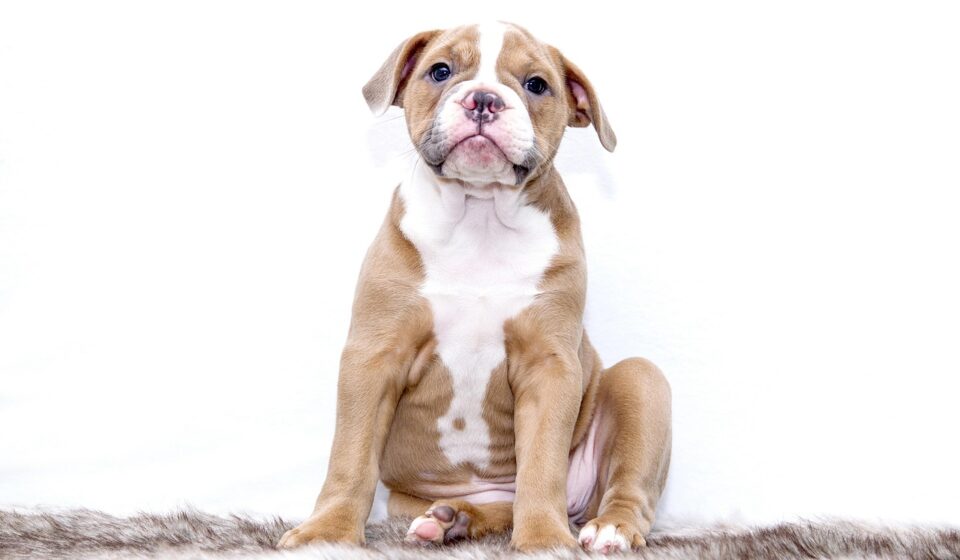

Key Takeaways
- Puppy breath is often a sweet, milky scent due to diet and developing teeth, but can sometimes signal underlying health issues.
- As puppies grow, their diet shifts, and their adult teeth emerge, naturally changing the scent of their breath.
- Regular dental care, including brushing and appropriate dental chews, is crucial for preventing persistent bad breath and future dental problems.
- Consulting a veterinarian is essential if you notice sudden, foul, or persistently bad breath, as it could indicate illness or serious dental disease.
The arrival of a new puppy often brings an array of delightful experiences, chief among them the distinctive scent of ‘puppy breath.’ This aroma, often described as sweet or milky, is a fleeting characteristic that many new owners cherish. As of May 2026, understanding the nuances of puppy breath is key to ensuring your new companion’s overall health and well-being. While generally a sign of their youth and developing systems, it’s crucial to know when this scent is normal and when it might warrant a closer look from your veterinarian.
Last updated: May 5, 2026
For anyone working through the joy and challenges of raising a new puppy, the unique smell emanating from their little mouths is a common topic of discussion and adoration. It’s a scent that evokes feelings of tenderness and innocence. However, beneath this charming characteristic lies a biological process involving diet, teething, and developing oral health. This complete guide aims to demystify puppy breath, covering its origins, its typical duration, and the proactive steps you can take to maintain your puppy’s oral hygiene, ensuring their breath remains as pleasant as their personality.
What Exactly is Puppy Breath?
Puppy breath is the characteristic scent associated with young dogs, typically a few weeks to several months old. It’s generally considered a pleasant, often milky or sweet aroma, vastly different from the pungent odor of adult dog breath that might indicate dental disease.
The scent is primarily attributed to a puppy’s diet, which usually consists of milk (from the mother or a milk replacer) and then a specially formulated puppy food. These diets are rich in fats and proteins that can contribute to a distinct, though usually mild, odor. The presence of developing teeth and gums plays a role.
During the teething phase, puppies’ mouths are in a constant state of change. New teeth are erupting, and the gums can be sensitive and prone to minor irritation, which can also influence breath odor. This combination of diet and oral development creates the signature puppy breath.
From a different angle, the absence of significant plaque and tartar buildup, common in adult dogs with poor dental hygiene, also contributes to the mildness of puppy breath. Their mouths are essentially starting from a cleaner slate.
What this means in practice is that while the smell is often endearing, it’s also a temporary marker of your puppy’s developmental stage. Observing these changes can offer insights into their growth journey.
The Stages of Puppy Breath: From Birth to Adulthood
Puppy breath isn’t a static phenomenon; it evolves as your puppy grows. Understanding these stages can help you anticipate changes and know when to seek professional advice.
From birth to about 4-6 weeks, puppies are typically nursing. Their breath may carry a mild, milky scent from their mother’s milk or milk replacer formula. A very clean oral characterizs this stage environment, with few teeth present.
Between 6 weeks and 6 months, puppies begin their teething journey. This is when their deciduous (baby) teeth start to fall out and their permanent teeth begin to emerge. This period can sometimes lead to a slightly stronger, or even occasionally unpleasant, odor due to gum irritation and food debris accumulating around erupting teeth. The sweet, milky scent often transitions here.
Once all permanent teeth have erupted, typically by 6-8 months of age, the scent of their breath will gradually start to resemble that of an adult dog. If proper dental care isn’t established, this is when you might begin to notice a more typical ‘dog breath’ odor, often due to plaque and tartar buildup.
The transition from puppy breath to adult dog breath is a natural part of development. The key is to use this period to establish good dental habits that will carry into adulthood. By the time they are yearlings, most dogs have lost their distinctive puppy breath.
Practically speaking, the timeframe for puppy breath is quite variable, but generally, the sweet, milky scent is most pronounced in the first few months and begins to fade as adult teeth come in and the diet changes.
Why Does Puppy Breath Smell Sweet or Milky?
The pleasant, often sweet or milky smell of puppy breath is a direct result of their diet and immature digestive systems.
Puppies, especially those still nursing or recently weaned, consume milk. Milk is rich in fats and sugars, which, when processed, can produce byproducts that contribute to a mildly sweet aroma. This scent is often reminiscent of a baby’s breath, hence the common comparison.
As puppies transition to solid food, their diet often consists of specially formulated puppy kibble. These foods are designed for rapid growth and are typically high in protein and fat. Certain ingredients or the way these nutrients break down can also contribute to a unique, mild odor that many find appealing. According to the American Kennel Club (AKC) as of 2026, puppy foods are carefully balanced to support growth, and their specific compositions influence a puppy’s natural scent, including their breath.
Unlike adult dogs, puppies have not yet developed significant plaque or tartar accumulation. Plaque, a sticky film of bacteria, and tartar, hardened plaque, are primary culprits behind the foul odor in adult dogs’ breath. A puppy’s mouth is generally cleaner, allowing the natural dietary scent to dominate.
The developing digestive tract of a puppy also plays a subtle role. Their bodies are still learning to process nutrients efficiently, and this can sometimes result in unique metabolic byproducts that are expelled through breath.
What this means is that the sweet smell is a natural, temporary state tied to their juvenile physiology and nutrition.
When Puppy Breath Isn’t So Sweet: Red Flags
While a sweet or milky scent is typical, any sudden or persistently foul odor from your puppy’s mouth should be taken seriously. These changes can signal underlying health issues that require prompt veterinary attention.
A fishy odor can sometimes indicate issues with the kidneys or liver, or it could be a sign of infected gums. According to the World Small Animal Veterinary Association (WSAVA) guidelines as of 2026, changes in breath odor are often among the first indicators of systemic health problems.
A very foul, rotten, or sulfurous smell might point to serious dental problems such as abscesses, severe gingivitis, or even foreign objects lodged in the mouth or throat. It could also be a symptom of gastrointestinal issues or respiratory infections.
A fruity or acetone-like smell can sometimes be a warning sign of diabetes mellitus. This is because the body may be unable to use glucose for energy and starts breaking down fat, producing ketones. This requires immediate veterinary diagnosis and management.
If your puppy’s breath suddenly becomes very unpleasant, or if the odor persists despite good oral hygiene practices, it’s crucial to consult your veterinarian. They can perform a thorough examination, including a dental check and potentially blood work, to identify the cause and recommend the appropriate treatment.
Practically speaking, don’t dismiss persistent bad breath in your puppy as just ‘dog breath’; it could be a cry for help from their body.
The Role of Diet in Puppy Breath
A puppy’s diet is a significant factor influencing the scent of their breath. What they eat directly impacts the bacteria in their mouth and their digestive processes.
As mentioned, milk-based diets contribute to a sweet aroma. Once you transition your puppy to solid food, the type of food becomes critical. High-quality puppy foods formulated for growth are essential. These foods should contain balanced proteins, fats, and carbohydrates, with appropriate levels of vitamins and minerals. Poor-quality food, or food with excessive fillers, can sometimes lead to more pronounced or unpleasant breath odors.
Some puppies may experience digestive upset from certain ingredients, leading to gas and altered breath. If you suspect a dietary intolerance or allergy, discuss it with your veterinarian. They might recommend a limited ingredient diet or a hypoallergenic food.
Introducing new foods or treats too quickly can also disrupt a puppy’s digestive system, leading to temporary changes in breath. Always make dietary changes gradually over several days.
The inclusion of specific ingredients known to cause odor in some dogs, like certain fish oils or artificial flavorings, should also be considered. Opting for natural, wholesome ingredients in both food and treats is generally advisable.
What this means in practice is that choosing the right food and treats is not just about nutrition, but also about managing your puppy’s oral scent and overall health.
Puppy Teething and Its Impact on Breath
The teething process in puppies is a major contributor to changes in breath odor. As their baby teeth fall out and adult teeth emerge, their mouths undergo significant transformation.
During teething, gums can become inflamed, sensitive, and even bleed slightly. This irritation can create a gateway for bacteria to thrive, potentially leading to a more noticeable, sometimes metallic or slightly unpleasant, odor. The eruption of sharp new teeth can also cause minor trauma to the gums or cheeks.
Puppies may chew on various objects to relieve teething discomfort. This chewing can dislodge food particles, which then get trapped in the gums or between emerging teeth, contributing to odor. It’s also common for puppies to lick their mouths or paws more frequently during this phase, which can introduce more bacteria.
The physical process of teeth pushing through the gums can sometimes be accompanied by a mild, temporary odor. This is a normal physiological response to the disruption and healing occurring in the mouth.
According to veterinary dental resources, while some odor change is normal during teething, a persistently foul or rotten smell should prompt a veterinary check. It could indicate a more serious infection or complication. As of May 2026, veterinary guidance emphasizes monitoring for signs of pain or infection alongside normal teething changes.
Practically speaking, expect some minor fluctuations in your puppy’s breath during their teething months, but remain vigilant for any strong, persistent foul odors.
Establishing Good Oral Hygiene Habits Early
The most effective way to prevent persistent bad puppy breath and set your dog up for a lifetime of good oral health is to establish a consistent dental hygiene routine from a young age.
Start by getting your puppy accustomed to having their mouth handled. Gently touch their lips and gums daily, offering praise and a small treat. Once they are comfortable, you can introduce a dog-specific toothbrush and toothpaste. Never use human toothpaste, as it can be toxic to dogs.
Begin brushing with just the paste on your finger or a soft cloth to let them get used to the taste and texture. Gradually introduce the toothbrush, aiming to brush for a short period, focusing on a few teeth at a time. The goal is to make this a positive experience. Regular brushing, ideally daily, removes plaque and food debris before they can cause odor or decay.
Dental chews and toys designed for puppies can also play a role. These products can help reduce plaque and tartar buildup through mechanical action. Look for products approved by the Veterinary Oral Health Council (VOHC) for proven efficacy. However, these should complement, not replace, regular brushing.
Diet also contributes to oral hygiene. A high-quality diet that supports overall health can also contribute to better dental health. Avoid giving your puppy excessive sugary treats, as these can promote bacterial growth in the mouth.
What this means in practice is that consistency is key. Starting early and making dental care a regular part of your puppy’s routine will pay dividends in their adult health.
When to Visit the Veterinarian for Puppy Breath Concerns
While normal puppy breath is usually harmless and temporary, there are specific situations where a veterinary visit is essential. Early detection of problems can prevent more serious health issues down the line.
The most compelling reason to see a vet is if your puppy develops persistently foul, rotten, or unusually strong breath that doesn’t resolve after a few weeks of good oral care. This could signal underlying dental disease like gingivitis or periodontitis, or even systemic issues.
Other warning signs include excessive drooling, reluctance to eat, pawing at the mouth, bleeding gums, difficulty chewing, or visible swelling around the mouth or jaw. These symptoms, coupled with bad breath, strongly suggest a problem that requires professional diagnosis.
A sudden change in breath odor, especially if it shifts from sweet to foul, should also prompt a veterinary consultation. This could indicate a dietary intolerance, an infection, or something more serious like diabetes or organ dysfunction, as noted by the American Veterinary Medical Association (AVMA) in their 2026 health recommendations.
Your veterinarian can perform a complete oral examination, check for foreign objects, assess for signs of systemic illness, and provide recommendations for dental care tailored to your puppy’s needs. They may suggest professional dental cleaning under anesthesia if necessary, even for young dogs, if significant plaque or tartar buildup is present.
Practically speaking, trust your instincts. If something seems off with your puppy’s breath, it’s always better to err on the side of caution and seek professional veterinary advice.
Common Puppy Breath Myths Debunked
Several misconceptions surround puppy breath, leading some owners to overlook potential health concerns. Let’s debunk a few common myths prevalent as of May 2026:
Myth 1: All puppy breath is sweet and harmless. While often sweet, persistent foul odors can indicate serious issues like infections, diabetes, or severe dental disease. Never assume all puppy breath is benign.
Myth 2: Puppy breath will naturally disappear by a certain age, so no intervention is needed. While the sweet scent typically fades as adult teeth emerge, establishing good hygiene habits early is crucial. Waiting for it to disappear without proactive care can lead to long-term dental problems.
Myth 3: Dental chews are sufficient for cleaning a puppy’s teeth. Dental chews can help, but they are not a substitute for regular brushing. Brushing is the most effective method for removing plaque and preventing odor and disease.
Myth 4: You can use human toothpaste on puppies. Absolutely not. Human toothpaste contains ingredients like fluoride and xylitol that are toxic to dogs and can cause severe gastrointestinal upset or poisoning.
What this means in practice is that owners need to be informed and proactive, rather than relying on assumptions about what constitutes normal puppy breath.
Maintaining Fresh Puppy Breath: A Practical Guide
Keeping your puppy’s breath fresh involves a multi-faceted approach focusing on diet, hygiene, and regular veterinary check-ups.
1. Diet: Feed a high-quality, balanced puppy food. Discuss any dietary concerns or suspected intolerances with your veterinarian. Limit treats and choose those specifically designed for dental health and appropriate for puppies.
2. Brushing: Introduce toothbrushing gradually and make it a positive experience. Use a puppy-specific toothbrush and enzymatic toothpaste. Aim for daily brushing to remove plaque and food particles.
3. Dental Chews and Toys: Provide VOHC-approved dental chews and durable toys that encourage chewing. These help clean teeth mechanically and satisfy your puppy’s urge to chew, especially during teething.
4. Veterinary Care: Schedule regular wellness exams with your veterinarian. They will check your puppy’s oral health during these visits. If any concerns arise about their breath, seek professional advice promptly.
5. Avoid Human Foods: Many human foods, especially sugary ones, are detrimental to a dog’s dental health and can contribute to bad breath. Stick to a canine-appropriate diet.
From a different angle, consider the environment. Ensure your puppy has access to fresh, clean water at all times, as it helps rinse the mouth and maintain hydration, which is beneficial for oral health.
Practically speaking, consistency in these habits is more important than perfection. A few minutes of dedicated dental care each day can make a significant difference in your puppy’s long-term health and comfort.
Frequently Asked Questions
Why does my 3-month-old puppy have bad breath?
A 3-month-old puppy’s breath might change due to teething, diet transitions, or minor oral irritations. While some changes are normal, persistent foul odors could indicate an infection or dental issue requiring veterinary attention.
How long does puppy breath typically last?
The characteristic sweet, milky scent of puppy breath is most prominent in the first few months and usually begins to fade as adult teeth erupt, typically by 6-8 months of age. It doesn’t last indefinitely.
Can a puppy’s diet cause bad breath?
Yes, a puppy’s diet significantly influences their breath. Milk-based formulas can contribute to a sweet smell, while certain ingredients in puppy food or treats can affect odor. Poor-quality food or digestive upset can also lead to unpleasant breath.
Is it normal for teething puppies to have smelly breath?
Yes, it’s somewhat normal for teething puppies to experience mild changes in breath odor. Gum inflammation and increased chewing can introduce slight odors, but a strong, rotten smell is not typical and warrants a vet visit.
What are the best dental chews for puppies with bad breath?
Look for VOHC-approved dental chews specifically for puppies. These help reduce plaque and tartar. However, chews are supplementary; regular brushing remains the most effective method for managing puppy breath and oral hygiene.
Should I be worried if my puppy’s breath smells like urine?
Breath smelling like urine can be a serious indicator of kidney dysfunction or urinary tract issues. This is not a normal puppy breath symptom and requires immediate consultation with a veterinarian for diagnosis and treatment.
Information current as of May 2026; pricing and product details may change.
Related read: German Shepherd Male Dog Names: The Ultimate 2026 Guide
Editorial Note: This article was researched and written by the Pet Magazine editorial team. We fact-check our content and update it regularly. For questions or corrections, contact us.
About The Author