
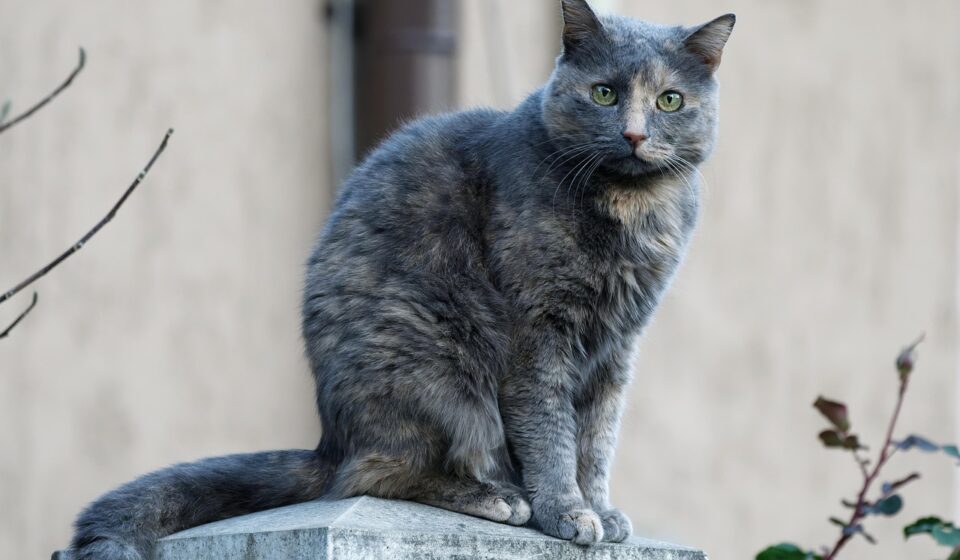

Cats that are gray and white: Unveiling the Charm of Gray and White Cats
For those captivated by the elegant dance of feline hues, cats that are gray and white present a truly timeless appeal. This classic combination, often seen in various patterns from subtle tabby to bold patches, graces countless homes with its distinct charm. As of June 2026, the enduring popularity of these bicolor beauties shows no signs of waning.
Last updated: June 5, 2026
This guide dives deep into the world of gray and white cats, exploring the breeds that commonly sport this coat, understanding their unique temperaments, and providing practical advice for their care. Whether you’re considering adoption or simply appreciate these striking felines, you’ll find a wealth of information here.
- Gray and white cats are a beloved combination, appearing in many breeds and patterns.
- Breeds like the British Shorthair, Russian Blue, and Maine Coon frequently exhibit this coloring.
- Their temperaments can vary widely by breed, but many are known for being adaptable and affectionate.
- Proper care involves regular grooming, a balanced diet, and attentive health monitoring.
- Finding a gray and white cat can be done through reputable breeders or animal shelters.
Why Gray and White Cats Capture Our Hearts
The allure of gray and white cats is complex. This combination often evokes a sense of sophistication and calm, reminiscent of sophisticated marble or a serene, snowy landscape. It’s a visual contrast that’s both striking and pleasing to the eye.
From a different angle, the prevalence of this coloring across various breeds means that potential owners can find a gray and white cat that perfectly matches their desired temperament and lifestyle. This versatility is a significant factor in their widespread appeal.
Practically speaking, the combination of gray and white is genetically common in domestic cats. The genes responsible for white spotting, when combined with genes for gray coloration (often a diluted black gene), naturally produce these attractive bicolor patterns.

Popular Breeds Showcasing Gray and White
While many mixed-breed cats can display gray and white patterns, several recognized breeds are particularly known for this coloring. Understanding these breeds can help prospective owners find a cat with a predictable temperament and physical traits.
The Enduring British Shorthair
The British Shorthair is perhaps one of the most iconic breeds to feature a gray and white coat, especially in its “blue” (gray) variety. These cats are typically stocky, with round faces and dense, plush fur that often has a silvery sheen.
Their characteristic “blue” coat can appear in various shades, and when combined with white, they present a distinguished look. The British Shorthair is renowned for its calm, independent, and affectionate nature, making them excellent family pets.
The Elegant Russian Blue
The Russian Blue is another breed celebrated for its beautiful gray coat. While typically solid gray with a distinctive silvery sheen, some Russian Blues can exhibit white markings, particularly on their chest, paws, or face, creating a stunning bicolor effect.
These cats are known for their gentle, intelligent, and somewhat reserved demeanor. They often form strong bonds with their families but can be shy around strangers, preferring quiet environments.
The Gentle Giant: Maine Coon
Maine Coons, the gentle giants of the cat world, frequently come in a wide array of colors and patterns, including gray and white. Their large size, bushy tails, and magnificent ruffs are often enhanced by this classic bicolor combination.
Maine Coons are celebrated for their friendly, playful, and sociable personalities. They are often described as “dog-like” due to their loyalty and eagerness to interact with their human families.
The Mysterious Nebelung
The Nebelung is a relatively rare breed, essentially a long-haired Russian Blue. Their name, meaning “creature of the mist,” perfectly describes their ethereal, shimmering gray coat and somewhat elusive nature.
While primarily known for their solid gray, long fur, some Nebelungs may have subtle white markings. They are typically shy, quiet, and deeply devoted to their chosen people.
The Spotted Egyptian Mau
While the Egyptian Mau is most famous for its natural spotted pattern, this breed can also appear in other colors, including silver, bronze, and smoke (a gray base). A gray Egyptian Mau can certainly have white markings, creating a striking contrast with its spots.
These cats are known for being athletic, intelligent, and fast. They retain a strong prey drive and enjoy active play and mental stimulation.
The Sweet Scottish Fold
Scottish Folds are instantly recognizable by their unique folded ears, but their coat colors are equally diverse. Gray and white is a common and beautiful pattern found in this breed, often appearing as a classic tabby with white or as distinct gray patches on a white background.
Scottish Folds are generally good-natured, easygoing, and adaptable. They are known for their sweet disposition and enjoy being part of family activities.
Beyond these, breeds like the American Shorthair, Persian, and even some domestic shorthairs and longhairs (mixed breeds) frequently display captivating gray and white coats.

Decoding Gray and White Patterns
The appearance of gray and white on a cat isn’t just a single look; it encompasses a spectrum of patterns, each with its own charm. Feline genetics determins these patterns, specifically the genes that control pigment production and distribution.
The Classic Bicolor
This is the most straightforward pattern: distinct patches of gray and white fur. The distribution can vary widely. Some cats are predominantly white with just a few gray spots or patches, while others might be mostly gray with white on their chest, paws, or face (often called a “bib” or “socks”).
A specific type of bicolor is the “tuxedo” pattern, where a cat has a black base coat with white on its chest, paws, and sometimes face, creating the impression of formal wear. For gray and white cats, a similar pattern might appear as a “smoky tuxedo” or “blue tuxedo.” The International Cat Association (TICA) recognizes bicolor as a standard pattern across many breeds.
Tabby Patterns with White
Many gray and white cats are actually a combination of a tabby pattern and white spotting. The “tabby” pattern itself refers to a range of markings, including stripes, swirls, dots, or “ticked” fur, where individual hairs have bands of color. When a cat has the tabby gene and the white spotting gene, you get beautiful combinations.
A common example is the “blue tabby and white” or “gray tabby and white.” These cats might have classic swirled “bullseye” patterns on their sides, stripes on their legs and tail, and a “M” marking on their forehead, all interspersed with white fur. According to the Cat Fanciers’ Association (CFA), tabby is one of the most common coat patterns found in domestic cats.
Ticked Coats with White
Some breeds, like the Abyssinian (though not typically gray and white) and some variations of the Oriental Shorthair, can have “ticked” coats. This means each hair shaft has alternating bands of color. A “ticked tabby” can sometimes appear in shades of gray, and when combined with white spotting, it creates a subtle, shimmering effect.
These cats might have a base color that looks almost solid gray from a distance, but up close, you can see the banding on each hair. White markings can appear on the chest, belly, or paws, adding contrast to this unique pattern.
Colorpoint Variations (Less Common)
While not as typical for a “gray and white” description, some colorpoint cats (like the Siamese or Balinese) can have gray points (“seal point” or “blue point”). If they also carry the white spotting gene, they could theoretically exhibit white in their body with gray points and white areas. However, this is less common than the distinct bicolor or tabby patterns.
Understanding these patterns helps appreciate the genetic diversity that leads to the stunning gray and white cats we see. The interplay of the white spotting gene (S) with other color and pattern genes is fascinating from a feline genetics perspective.

Temperament: What to Expect from Gray and White Cats
When discussing the temperament of gray and white cats, it’s crucial to remember that personality is far more influenced by breed and individual upbringing than by coat color alone. However, certain breeds known for this coloring often share common traits.
Independent and Calm Companions
Breeds like the British Shorthair are often described as independent and relatively low-energy. They enjoy companionship but are usually content to entertain themselves or nap nearby while you’re busy. This makes them suitable for owners who may not be home constantly.
Their calm demeanor means they are less likely to be overly demanding or destructive, fitting well into quieter households or apartments. They typically tolerate being alone better than some other breeds.
Affectionate, But Not Overly Clingy
Many gray and white cats, particularly those from breeds like the Maine Coon or Ragdoll (which can also have gray and white variations), are known for being affectionate without being excessively needy. They enjoy petting, lap time, and gentle play.
These cats often show their affection through purring, slow blinks, head-butts, and simply being present. They are often good with children and other pets when properly socialized.
Intelligent and Playful Explorers
Breeds such as the Russian Blue or Egyptian Mau tend to be more active and intelligent. They benefit from interactive toys, puzzle feeders, and opportunities to climb and explore. Their playful nature can last well into adulthood.
These cats often enjoy games of fetch, chasing laser pointers (used responsibly), and solving simple puzzles. Providing mental stimulation is key to preventing boredom and potential behavioral issues.
Shy or Reserved Tendencies
Some breeds, like the Russian Blue and Nebelung, can have a more reserved or shy personality, especially around new people or in unfamiliar environments. This isn’t a sign of aggression but rather a cautious nature.
For these cats, slow introductions to new people and gradual exposure to new situations are important. Creating a safe space where they can retreat is also beneficial. As of 2026, behavioral experts continue to emphasize the importance of early socialization for all kittens.
Ultimately, a gray and white cat’s personality will be a unique blend of its breed predispositions, its early life experiences, and its ongoing relationship with its human family. Early socialization and positive reinforcement training are vital for fostering a well-adjusted feline companion.
Choosing Your Gray and White Feline Friend
Selecting a new cat is a significant decision, and for those drawn to the gray and white aesthetic, several avenues exist. Whether you prioritize a specific breed or are open to a charming mixed breed, careful consideration is key.
Adoption from Shelters and Rescues
Animal shelters and rescue organizations are wonderful places to find cats that are gray and white. Mixed-breed cats, often called “domestic shorthairs” or “domestic longhairs,” make up a large percentage of shelter populations and frequently sport this popular coloring.
Adopting from a shelter is not only rewarding but also often more affordable than purchasing from a breeder. Adoption fees typically cover initial vaccinations, spaying/neutering, and microchipping. According to the ASPCA, millions of companion animals enter shelters each year, with many finding loving homes.

Purchasing from Reputable Breeders
If you have your heart set on a specific breed known for gray and white coats, such as a British Shorthair or Russian Blue, seeking out a reputable breeder is essential. A good breeder will prioritize the health, temperament, and well-being of their cats.
Look for breeders who are transparent about their cats’ health history, genetic testing (if applicable), and living conditions. They should be willing to answer your questions and provide references. Be wary of “backyard breeders” or those selling cats without proper health checks.
The cost of purchasing a purebred cat from a reputable breeder can range significantly, from around $500 for less common breeds to over $2,500 for highly sought-after ones, depending on the breed, lineage, and breeder’s reputation. As of 2026, these price ranges remain fairly consistent.
Key Considerations When Choosing
Regardless of where you find your cat, consider the following:
- Age: Kittens are energetic and require more training, while adult cats often have established personalities and may be calmer.
- Energy Level: Match the cat’s energy level to your own lifestyle. An active breed might not thrive in a sedentary household.
- Grooming Needs: Long-haired cats require more frequent grooming than shorthairs to prevent mats and tangles.
- Health History: Inquire about any known health issues or genetic predispositions.
Taking the time to choose the right companion ensures a happier, longer relationship for both you and your feline friend.
Essential Care for Your Gray and White Cat
Providing excellent care is fundamental to ensuring your gray and white cat lives a long, healthy, and happy life. While their coat color doesn’t dictate specific needs, general feline care principles apply universally.
Nutrition and Diet
A high-quality diet is the cornerstone of good feline health. Look for commercially prepared cat foods (wet or dry) that list a meat-based protein source as the first ingredient. Ensure the food is appropriate for your cat’s life stage (kitten, adult, senior).
Avoid foods with excessive fillers like corn, wheat, or soy, and be mindful of artificial colors and preservatives. Consult with your veterinarian for personalized dietary recommendations. Many veterinarians recommend a balanced diet that includes both wet and dry food to ensure adequate hydration and nutritional variety.
Grooming and Coat Maintenance
Gray and white cats, especially those with longer fur or dense undercoats like British Longhairs or some Maine Coons, will benefit from regular grooming. Brushing several times a week helps to remove loose fur, prevent matting, and reduce hairballs.
For shorthaired cats, a weekly brushing session is usually sufficient. This is also a good opportunity to check their skin for any abnormalities, parasites like fleas or ticks, or dryness. Nail trimming should be done periodically, and ear cleaning may be necessary if there’s buildup.
Health and Veterinary Care
Regular veterinary check-ups are crucial. As of June 2026, annual wellness exams are recommended for adult cats, with kittens requiring more frequent visits for vaccinations and deworming. These visits allow your vet to catch potential health issues early.
Be aware of breed-specific health concerns. For example, British Shorthairs can be prone to hypertrophic cardiomyopathy (HCM), while some breeds may have sensitivities to certain medications. Your veterinarian will provide guidance on preventative care, vaccinations, and parasite control (e.g., flea, tick, and heartworm prevention, though heartworm is less common in cats than dogs).
Dental hygiene is also vital. Regular teeth brushing at home, along with professional dental cleanings as recommended by your vet, can prevent gum disease and tooth loss.
Enrichment and Play
To keep your gray and white cat mentally and physically stimulated, provide plenty of opportunities for play and exploration. Interactive toys, climbing structures (cat trees), scratching posts, and puzzle feeders can help satisfy their natural instincts.
Engaging in daily play sessions with your cat strengthens your bond and helps them expend energy. Observing their play preferences will guide you toward the most effective toys and activities.
Common Challenges with Gray and White Cats
While gray and white cats are generally healthy and adaptable, like any pet, they can present challenges. Understanding these potential issues can help owners prepare and manage them effectively.
Hairballs and Shedding
All cats shed, and those with dense or long coats, like many gray and white breeds, can shed considerably. This can lead to hairballs, which are regurgitated masses of fur. Regular grooming, as mentioned, is the primary way to minimize shedding and hairball formation.
If hairballs become frequent or cause distress, consult your veterinarian. They may recommend dietary changes or specific hairball remedies. Ensuring your cat stays hydrated also helps digestive health.
Potential for Allergies
Cat allergies are common, and it’s a myth that certain coat colors are hypoallergenic. While some individuals might react less severely to specific cats, coat color has no bearing on allergen production. The allergen is a protein found in saliva, urine, and dander.
If you have allergies, it’s best to spend time with a cat before bringing it home to gauge your reaction. Maintaining a clean home, frequent grooming, and using air purifiers can help manage allergy symptoms for cat owners. The American College of Allergy, Asthma & Immunology notes that while no cat is truly hypoallergenic, some breeds produce fewer allergens.
Weight Management
Many domestic cats, including those with gray and white coats, are prone to obesity if their diet and exercise are not managed properly. Overweight cats face increased risks of diabetes, arthritis, and other health problems.
Practically speaking, this means carefully measuring food portions, limiting treats, and ensuring regular playtime. If you notice your cat gaining weight, consult your veterinarian to adjust their diet and activity plan. A healthy weight for cats can be maintained through consistent monitoring and appropriate food intake.
Dental Hygiene Issues
As cats age, dental problems like gingivitis, periodontal disease, and tooth loss become more common. This can lead to pain, difficulty eating, and systemic infections.
Proactive dental care is key: brushing your cat’s teeth daily with a cat-specific toothpaste is ideal. Dental treats and water additives can also help, but they are not a substitute for brushing. Regular veterinary dental check-ups and professional cleanings are crucial for maintaining oral health.
Frequently Asked Questions
Are gray and white cats good pets?
Yes, gray and white cats make wonderful pets. Their appeal lies in their striking appearance and the generally good-natured temperaments of breeds that commonly display this coloring. Their suitability as a pet depends more on individual personality and breed traits than coat color.
Are gray and white cats rare?
No, gray and white cats are not rare. The genetic combination for gray fur (dilute black) and white spotting is quite common in domestic cats, making this coloring frequently seen across many breeds and mixed breeds.
What is the lifespan of a gray and white cat?
The lifespan of a gray and white cat typically ranges from 12 to 18 years, though some can live into their early twenties. Factors such as breed, diet, lifestyle, and access to veterinary care significantly influence longevity.
Do gray and white cats have specific health problems?
Coat color itself doesn’t usually cause specific health problems. However, certain breeds known for gray and white coats, like the British Shorthair, may have breed-specific predispositions such as hypertrophic cardiomyopathy (HCM). Regular veterinary care is essential for all cats.
What are the most common breeds with gray and white fur?
Some of the most common breeds featuring gray and white fur include the British Shorthair, Russian Blue (often with white markings), Maine Coon, Scottish Fold, and American Shorthair. Many mixed-breed cats also display this attractive pattern.
How much does a gray and white cat typically cost?
The cost varies greatly. Adopting a gray and white cat from a shelter can cost between $50 to $200. Purchasing a purebred kitten from a reputable breeder might range from $500 to over $2,500, depending on the breed and lineage.
Embracing the Beauty of Bicolor Felines
Cats that are gray and white offer a captivating blend of classic beauty and diverse personalities. From the stately British Shorthair to the playful Maine Coon, these bicolor companions bring joy and elegance to homes worldwide.
Choosing a gray and white cat means welcoming a unique individual into your life. With proper care, attention, and love, your gray and white feline friend will undoubtedly become a cherished member of your family for years to come.
Information current as of June 2026; pricing and product details may change.
Editorial Note: This article was researched and written by the Pet Magazine editorial team. We fact-check our content and update it regularly. For questions or corrections, contact us. Knowing how to address cats that are gray and white early makes the rest of your plan easier to keep on track.
About The Author