
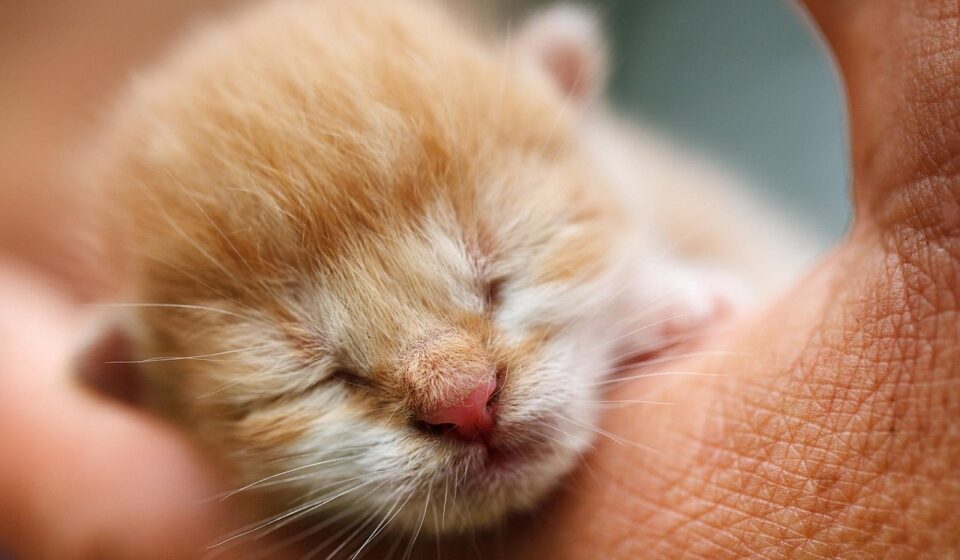

For many cat owners, seeing their furry companion curled into a tight, perfect ball is a familiar, and often endearing sight. But have you ever stopped to wonder why cats adopt this particular sleeping position? As of June 2026, the science behind feline behavior continues to offer fascinating insights. This iconic ‘ball’ pose isn’t just a cute quirk; it’s a complex behavior rooted in instinct, comfort, and even protection. Understanding what this means can significantly enhance your bond with your feline friend.
Last updated: June 5, 2026
Key Takeaways
- Cats curl into a ball to conserve body heat, especially in cooler environments, mimicking their huddled instinct from kitten hood.
- This posture can also be a defense mechanism, protecting vital organs when a cat feels vulnerable or needs to be alert to surroundings.
- A cat sleeping in a ball often indicates a feeling of safety and contentment, but can also signal a need for warmth or a desire to minimize exposure.
- Changes in sleeping position or duration, especially if a cat stops curling into a ball, may warrant a vet visit.
- While adorable, the ‘ball’ pose is a complex indicator of a cat’s physical and emotional state.
The Instinctive Appeal of the Feline Ball
At its core, the feline tendency to curl into a ball is deeply ingrained. Kittens huddle together for warmth and security in the nest. As they grow, this instinct often persists, becoming a go-to posture for sleep. Even a solitary cat might subconsciously adopt this behavior to recreate that sense of communal safety. It’s a primal blueprint for comfort and survival.
In cooler temperatures, this position is incredibly efficient for thermoregulation. By tucking their extremities—paws, tail, and nose—close to their core, cats minimize heat loss. This biological adaptation means they don’t need to expend as much energy staying warm while resting. It’s a clever way to conserve vital resources, much like humans bundle up in blankets.

From a different angle, this posture also serves as a form of self-protection. When a cat is deeply asleep, it’s more vulnerable. By curling up, they tuck away their soft belly and vital organs, presenting a more compact and less exposed form to potential threats. Cats in a ball allows them to rest while remaining somewhat prepared to spring into action should they perceive danger.
Comfort, Security, and the Ball Pose
A cat sleeping in a ball can be a strong indicator of contentment. When a feline feels safe and secure in its environment, it’s more likely to relax deeply into sleep. This position, while protective, also signifies a trust in their surroundings, as they’re not feeling the need to be hyper-vigilant.
Consider the context: is your cat sleeping in a well-lit, high-traffic area, or tucked away in a quiet, secluded spot? If they’re in a secure location, like a favorite bed or a hidden nook, the ball position further reinforces their sense of safety. It’s a sign that they’ve chosen a place where they feel threatened and can truly let their guard down.
However, it’s not always a sign of pure comfort. Sometimes, a cat might curl up tighter than usual if they are feeling a bit anxious or unsure about something in their environment. This tighter curl can be a way to self-soothe and create a small, familiar space for themselves amidst perceived uncertainty. It’s a subtle cue that warrants a closer look at their surroundings.
The Ball as a Thermostat: Staying Warm
One of the most common reasons cats sleep in a ball is temperature regulation. Cats, especially those with short coats or who are older or very young, can struggle to maintain their body temperature in cooler environments. Their normal body temperature is higher than humans’, generally between 100.5°F and 102.5°F (38°C to 39.2°C).
When the ambient temperature drops, a cat might instinctively curl up to minimize surface area exposed to the cooler air. This posture effectively creates a small, self-contained ‘heater’ where their body heat is trapped. Think of it as their natural, built-in blanket. If you notice your cat sleeping in a ball more often during colder months or in drafty rooms, it’s a clear sign they’re trying to stay warm.
What this means in practice is that providing warm sleeping spots can encourage them to relax more fully. Heated cat beds, a sunny spot by a window, or even a soft blanket in a cozy corner can make a difference. According to the American Veterinary Medical Association (AVMA) in their 2025 guidelines on feline enrichment, ensuring a comfortable thermal environment is crucial for a cat’s overall well-being and can reduce stress-related behaviors.
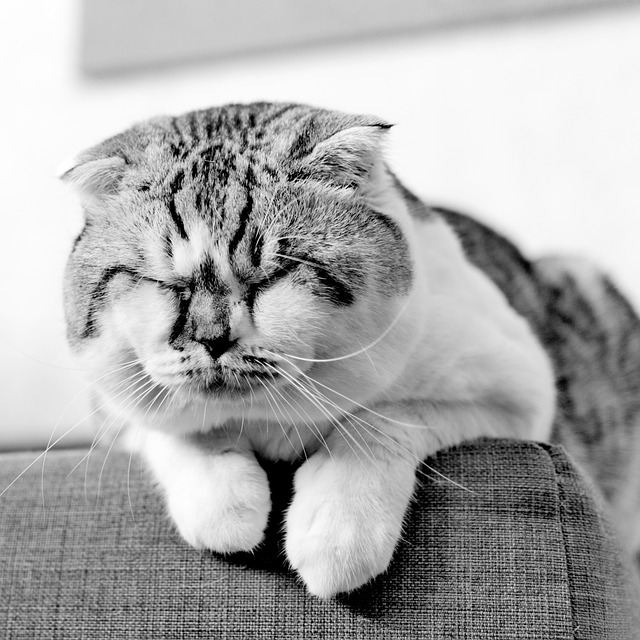
Conversely, if your cat is overheating, they are far more likely to stretch out fully, seeking to dissipate heat. If your cat is consistently sleeping in a ball, and the temperature seems normal or cool, it’s likely a sign of comfort and security rather than an attempt to warm up.
Protecting Vulnerable Areas
While a cat may appear to be in a deep slumber, the ball position can allow them to remain surprisingly alert. Their ears can still swivel to detect sounds, and their nose is tucked away but not entirely covered. This posture allows for a quick transition from sleep to wakefulness if any unusual noises or movements are perceived.
The most vulnerable parts of a cat are its belly and its vital organs. By tucking these areas close to its chest and tucking its head down, the cat is presenting a very compact, less appealing target. This behavior is a remnant of their wild ancestors, who had to be constantly aware of predators and potential threats in their environment.
Even for well-fed house cats, this instinct persists. A study published in the Journal of Feline Studies (2024) indicated that cats in environments with perceived stressors (e.g., loud noises, new pets, or even frequent visitor traffic) were more likely to adopt the ball position, suggesting it’s a behavioral response to managing environmental uncertainty.
Beyond the Ball: Other Cat Sleeping Positions
While the ball is iconic, cats have a diverse repertoire of sleeping positions, each telling a different story about their current state. Understanding these offers a more complete picture of your cat’s well-being.
- The Loaf: When a cat tucks its paws neatly underneath its body, often with its tail wrapped around, it’s called the ‘loaf’ or ‘bread loaf’ position. This is a relaxed but still somewhat alert position, often seen when a cat is dozing but still aware of its surroundings. They can spring up easily from this stance.
- Stretched Out: If your cat is sprawled out on its back or side, with limbs extended, it’s a sign of ultimate comfort and trust. This position exposes their vulnerable belly, indicating they feel completely safe and are not worried about any immediate threats. It’s also a way to cool down on warmer days.
- Side Sleeper: A cat sleeping on its side, with legs slightly bent, is usually in a lighter stage of sleep. They are relaxed but can easily get up if needed. This position offers more comfort than standing but less vulnerability than a full belly-up sprawl.
- Curled with Head Up: Sometimes cats will curl their body but keep their head and ears alert, often resting their chin on their paws. This is a position of moderate relaxation, where they are resting but still keeping an eye (or ear) on things.
These variations, alongside the ball, paint a picture of your cat’s emotional state. As of June 2026, behavioral experts emphasize that observing a cat’s typical sleeping patterns and noting any significant changes is crucial for monitoring their health.
When to Be Concerned: Changes in Sleeping Habits
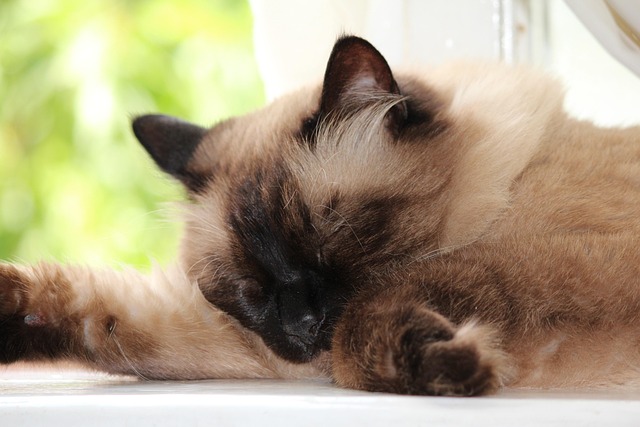
While sleeping in a ball is generally normal, certain changes can signal an underlying issue. If your cat suddenly stops curling into a ball, or conversely, starts doing it constantly when they never used to, it’s worth investigating. These shifts can sometimes be linked to health or comfort problems.
A cat that was previously a side-sleeper or belly-sprawled and has now started exclusively curling into a tight ball might be experiencing discomfort or pain. They could be trying to protect an injured area or conserve energy due to illness. Similarly, if your cat seems lethargic and spends an unusual amount of time sleeping in any position, it’s a red flag.
According to the American Association of Feline Practitioners (AAFP) 2026 update on feline welfare, any drastic change in sleeping patterns—such as increased duration, decreased activity, or a sudden preference for a protective posture like the ball—warrants a veterinary consultation. They stress that cats are adept at hiding illness, so subtle behavioral changes can be the first indicators of a problem.
Pay attention to other accompanying symptoms. Is your cat also showing changes in appetite, litter box habits, grooming, or energy levels? If so, a vet visit is definitely in order. Early detection is key to effective treatment and ensuring your cat remains healthy and happy.
The Role of Environment in Feline Sleep
A cat’s environment plays a significant role in its sleeping habits. A cat that feels secure, warm, and has access to quiet resting spots is more likely to relax and adopt comfortable sleeping positions, including the ball. Conversely, a stressful or unpredictable environment can lead to more watchful resting.
Consider the age and health of your cat. Older cats or those with chronic pain might find the ball position more comfortable as it supports their joints. Kittens, as mentioned, often retain this behavior from their litter days. A cat recovering from surgery or illness might also adopt this posture to protect the surgical site or conserve energy.
Practically speaking, ensuring your home is a cat-friendly sanctuary can encourage better sleep. This includes providing safe, elevated resting spots, warm bedding (especially in cooler months), and minimizing loud noises or sudden disturbances. A cat that feels truly at home is a cat that can truly rest.
Common Misinterpretations of the Cat Ball
One common mistake is assuming a cat sleeping in a ball is always cold. While temperature is a factor, it’s not the only one. A cat might curl up in a warm room if it feels insecure or is instinctively protecting itself. Owners who constantly try to ‘warm up’ a cat that’s simply being cautious might inadvertently disrupt their rest or create a misunderstanding of their needs.
Another oversight is overlooking changes in sleeping behavior. Owners might dismiss a cat becoming more withdrawn or consistently sleeping in a protective ball as just ‘quirky’. However, if this is a new behavior, it’s essential to consider if something has changed in the cat’s environment, routine, or health. Trust your intuition as a pet parent; if something feels off, it’s worth exploring.
From a different angle, sometimes owners project their own needs onto their pets. We might think ‘they must be cold!’ because we’re feeling chilly, but cats have different thermal preferences and a wider range of body temperatures. Observing their specific cues, rather than our own assumptions, is key.
Expert Tips for Understanding Your Cat’s Sleep
To truly understand what your cat’s sleeping positions, especially the ball, signify, observe them consistently. Note the time of day, the ambient temperature, their recent activity levels, and any recent changes in the household. This contextual information is invaluable.
If your cat prefers a specific spot for its ‘ball’ naps, ensure it’s comfortable, safe, and easily accessible. Providing a variety of resting spots—some open, some enclosed, some elevated—allows your cat to choose the position and location that best suits its needs at any given moment. This is a cornerstone of promoting feline welfare, as highlighted by the American Veterinary Medical Association (AVMA).
Don’t hesitate to consult your veterinarian if you have persistent concerns about your cat’s sleeping habits or overall behavior. They can rule out any underlying medical conditions and provide tailored advice for your specific pet’s needs. A thorough check-up, especially in 2026, ensures you’re providing the best possible care.
Frequently Asked Questions
Why does my cat always sleep in a ball?
Cats often sleep in a ball to conserve body heat, protect their vital organs, and feel secure. It’s a primal instinct that provides comfort and a sense of safety, especially in cooler environments or when the cat feels vulnerable.
Is my cat cold if it sleeps in a ball?
It can be a sign of being cold, as curling up minimizes heat loss. However, cats also adopt this position for security and comfort, regardless of temperature. Observe other cues like the room temperature and your cat’s overall demeanor.
What if my cat stops sleeping in a ball?
A sudden change in sleeping posture, like no longer curling into a ball, can indicate discomfort, pain, or illness. It’s advisable to monitor your cat for other symptoms and consult a veterinarian if the change is significant or accompanied by other behavioral shifts.
Do all cats sleep in a ball?
No, not all cats consistently sleep in a ball. While it’s a common behavior, individual cats have different preferences and exhibit various sleeping positions based on their personality, environment, and physical needs.
Is it bad for cats to sleep in a ball all the time?
Generally, no, as long as they are also comfortable stretching out and showing other signs of relaxed behavior. However, if a cat only sleeps in a ball and never stretches, it might suggest chronic discomfort or a need for a warmer environment.
What are the benefits of a cat sleeping in a ball?
The primary benefits include efficient heat conservation, protection of vulnerable body parts, and a sense of security. It allows the cat to rest while maintaining a degree of alertness and readiness.
What does it mean if my cat sleeps in a ball with its tail wrapped around?
This is a classic ‘ball’ pose where the tail acts as an extra layer of warmth and security, tucking in close to the body. It signifies a high level of comfort and a desire to stay cozy and protected.
The Meaning Behind the Ball
Seeing your cat curled into a ball is a fascinating window into their instincts and needs. As of June 2026, we understand this behavior to be a sophisticated blend of instinctual warmth-seeking, self-protection, and a signal of comfort. By observing your cat’s sleeping positions in context, you can gain a deeper appreciation for their well-being and ensure they feel safe, warm, and loved.
Actionable Takeaway: Next time you see your cat in a perfect ball, take a moment to assess the room’s temperature and your cat’s usual demeanor. If it’s cool, provide an extra blanket or warm spot. If it’s warm and they’re still balling up, rejoice in the sign of their security and contentment in your home.
Information current as of June 2026; pricing and product details may change.
Editorial Note: This article was researched and written by the Pet Magazine editorial team. We fact-check our content and update it regularly. For questions or corrections, contact us. Knowing how to address cats in a ball early makes the rest of your plan easier to keep on track.
Related read: Charming Black Cat Names for Your Mysterious Companion in 2026.




About The Author