
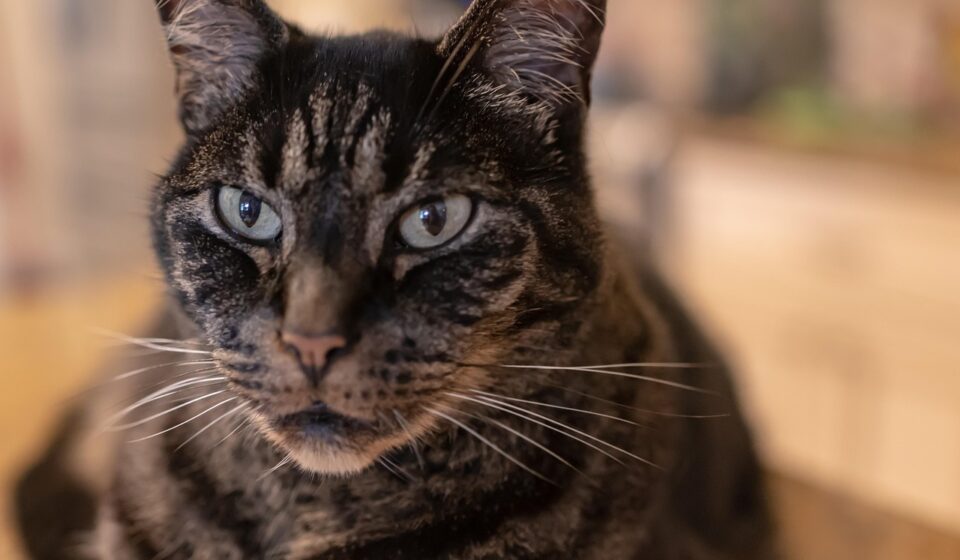

The Enduring Charm of the Brown Tabby Cat in 2026
For anyone looking to welcome a feline friend into their home, the brown tabby cat is often the first image that springs to mind. Their iconic markings and generally amiable nature make them a perennial favorite. As of June 2026, these cats continue to be a common and cherished sight in households worldwide, embodying a perfect blend of wild ancestry and domesticated companionship.
Last updated: June 5, 2026
Key Takeaways
- Brown tabby cats are defined by their distinctive ‘M’ marking on the forehead, stripes, swirls, or spots, and are not a breed but a coat pattern.
- Their personality is generally adaptable and friendly, though individual temperaments vary greatly.
- Understanding tabby genetics reveals how these patterns are inherited, with the agouti gene playing a crucial role.
- Basic care involves regular grooming, a balanced diet, veterinary check-ups, and ample environmental enrichment.
- The brown tabby pattern is one of the most common and recognized in domestic cats globally.
What Exactly is a Brown Tabby Cat?
A brown tabby cat isn’t a specific breed; rather, it’s a coat pattern found across many different cat breeds and mixed-breed domestic cats. The ‘tabby’ designation refers to a specific set of markings, the most recognizable of which is the prominent ‘M’ shaped pattern on their forehead. This striking mark is often accompanied by thinner pencil lines running from the eyes to the back of the head, and swirls or stripes on their cheeks, legs, and tail.
The ‘brown’ aspect refers to the base color of the coat, which typically ranges from a warm, earthy brown to a darker, chocolatey hue. This base color is overlaid with darker brown or black markings, creating a beautiful contrast. According to catpedia.net (2026), the tabby pattern is present in approximately 80% of all domestic cats, making it incredibly common.
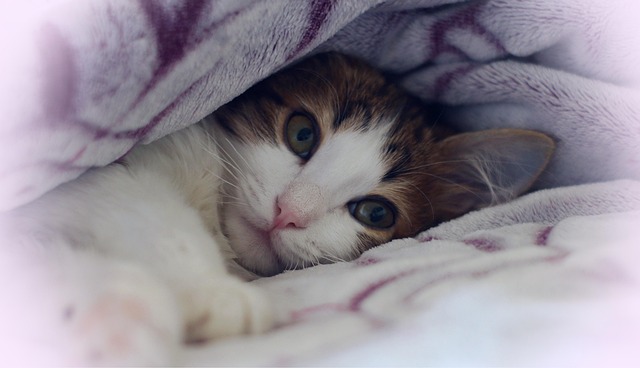
Decoding the Tabby Patterns: More Than Just Stripes
While stripes are the most commonly associated tabby marking, there are actually four distinct tabby patterns recognized by feline enthusiasts and geneticists. Understanding these can help you appreciate the unique beauty of your brown tabby companion. Genetic factors determins these patterns, primarily the agouti gene, which controls whether hairs have bands of color.
The four main tabby patterns are:
- Classic (or Blotched) Tabby: This pattern features bold, swirling markings that often resemble a bullseye or marbled effect on the cat’s sides. It’s a more dramatic and intricate pattern than the others.
- Mackerel Tabby: This is perhaps the most common pattern, characterized by narrow, parallel stripes running down the sides of the cat, resembling a fish skeleton. Think of a tiger’s stripes, but finer.
- Spotted Tabby: As the name suggests, this pattern consists of distinct spots that can be large or small, round or oval, distributed across the body. These spots can sometimes be broken mackerel stripes.
- Ticked Tabby: In this pattern, individual hairs have bands of color (agouti), giving the cat a flecked or ‘salt-and-pepper’ appearance, particularly on the body. However, faint ghost striping may still be visible on the legs, tail, and face, especially in kittens.
Most brown tabby cats will exhibit one of these primary patterns, often with the characteristic forehead ‘M’ and eye lines present across all types. The specific shade of brown and the intensity of the markings can vary significantly, making each cat a unique work of art.
The Genetics Behind the Brown Tabby Coat
The captivating patterns of brown tabby cats are a testament to fascinating feline genetics. The primary gene responsible for the tabby pattern is the Agouti (A) gene. This gene dictates whether a cat’s coat hairs will have alternating bands of light and dark pigment. Cats with at least one dominant ‘A’ allele (genotype A_) will express the tabby pattern. If a cat is homozygous recessive (aa), it will have a solid-colored coat, as the agouti gene prevents the expression of any underlying pattern.
Within the tabby pattern itself, other genes determine the specific type of markings. The Tabby gene (T) controls the expression of stripes (Tb), spots (Tsp), or a classic swirl. A cat with the genotype TbTb or TbTsp will typically display mackerel stripes, while TspTsp can result in a spotted pattern. The classic tabby pattern is often thought to be controlled by a recessive allele (ta), although the genetics are complex and other genes likely influence the final appearance. The gene for color also plays a role; a brown tabby has the gene for black pigment (B_) which is expressed as a rich brown rather than black.
According to cats.com (2026), understanding these genetic underpinnings helps explain why certain patterns are more common than others and how they are passed down through generations. It’s a beautiful interplay of DNA that creates the diverse and stunning coats we see.
Appearance: A Spectrum of Brown and Black
The term ‘brown tabby’ is a broad descriptor, and the actual appearance of these cats can vary significantly. The base color typically ranges from a light tan or beige to a deep, rich chocolate brown. The markings themselves are usually a darker shade of brown or black, providing a stark contrast that highlights the intricate patterns.
You might see variations like:
- Chocolate Brown Tabby: These cats have a base coat that’s a medium to dark brown, with rich, dark brown or black markings.
- Seal Brown Tabby: Often appearing almost black, these cats have a very dark brown base coat with black markings. The true brown undertones are usually visible in bright light.
- Grey Brown Tabby: Some cats have a base coat that appears more greyish-brown, with darker grey or black markings.
The intensity and clarity of the markings also differ. Some brown tabbies have very bold, well-defined stripes or swirls, while others might have fainter, ‘ghosted’ markings, especially if they carry genes for other patterns or colors. The ‘M’ on the forehead, however, is a near-universal feature across all variations.
Brown Tabby Personality: Adaptable and Affectionate
When it comes to personality, brown tabby cats are often described as being highly adaptable, friendly, and sociable. While genetics play a role in temperament, environmental factors, socialization, and individual experiences are arguably more significant in shaping a cat’s personality. This means that while many brown tabbies are known for their easygoing nature, each cat is an individual.
Common traits attributed to brown tabbies include:
- Affectionate: They often enjoy being petted, cuddled, and spending quality time with their human families.
- Playful: Many brown tabbies retain a playful spirit well into adulthood, enjoying interactive toys and games.
- Intelligent: Their curiosity often leads them to explore their surroundings and learn quickly.
- Vocal (sometimes): Some brown tabbies can be quite vocal, using their meows to communicate their needs and desires.
- Good with families: Due to their generally adaptable nature, they often integrate well into households with children and other pets.
A study referenced by petdemy.com (2026) suggests that common tabby patterns are often associated with a more stable and predictable temperament compared to some rarer coat patterns, though this is not a definitive rule. Essentially, expect a well-rounded companion, but always get to know your specific cat’s quirks and preferences.
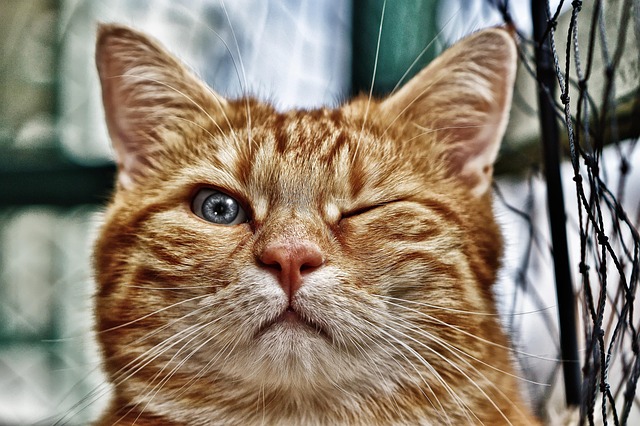
Activity and Play: Keeping Your Brown Tabby Engaged
Brown tabby cats, like most felines, have natural hunting instincts that need an outlet. Providing ample opportunities for play and mental stimulation is crucial for their well-being, preventing boredom and potential behavioral issues. Their intelligence means they often enjoy puzzle toys and interactive games that challenge them.
Activities that benefit your brown tabby include:
- Interactive play sessions: Using wand toys, laser pointers (used cautiously), or feather teasers to mimic hunting scenarios. Aim for 10-15 minutes of play at least twice a day.
- Puzzle feeders: These toys dispense kibble as the cat manipulates them, providing mental stimulation and slowing down eating.
- Scratching posts and climbing structures: Cats need to scratch and climb to stretch, mark territory, and feel secure. Vertical space is essential.
- Solo play toys: Balls, crinkle toys, and toy mice they can bat around on their own.
A cat café visit, as suggested by BuzzFeed (May 2026), can also be a fun way to observe various cat personalities and play styles, offering inspiration for your own feline friend’s enrichment. Keeping your brown tabby engaged physically and mentally contributes significantly to their overall health and happiness.
Health and Lifespan: A strong Companion
Generally speaking, brown tabby cats are known for their strong health and long lifespans. As they are not a specific breed, they tend to benefit from the genetic diversity of the domestic cat population, which can reduce the incidence of breed-specific health issues. The average lifespan for an indoor domestic cat, including brown tabbies, is typically between 12 to 18 years, with many living well into their early twenties.
According to catpedia.net (2026), about 80% of cats are tabbies, and this prevalence means they are less prone to certain genetic conditions that can affect more specialized breeds. However, like all cats, they are susceptible to common feline ailments. Regular veterinary care is essential for catching potential problems early.
Key health considerations include:
- Annual veterinary check-ups: Essential for vaccinations, parasite control, and early detection of diseases.
- Dental hygiene: Brushing teeth or providing dental treats can prevent gum disease.
- Weight management: Obesity is a significant health concern in cats, leading to diabetes, arthritis, and heart problems.
- Parasite prevention: Regular treatment for fleas, ticks, and internal parasites is crucial.
The key to a long and healthy life for your brown tabby is a combination of good genetics, a balanced diet, regular exercise, and consistent veterinary care. As of June 2026, veterinary science continues to advance, offering better treatments and preventative care for common feline diseases.
Grooming and Care: Keeping Your Brown Tabby Looking Their Best
Grooming needs for brown tabby cats largely depend on their coat length. Most brown tabbies are domestic shorthairs, which require relatively minimal grooming. A weekly brushing session is usually sufficient to remove loose fur, prevent matting, and distribute natural skin oils, keeping their coat healthy and shiny.
For long-haired brown tabbies, more frequent grooming is necessary. Brushing daily or several times a week can prevent painful mats from forming, especially around the hindquarters and under the arms. Regular grooming also provides an excellent opportunity to check your cat for any skin issues, lumps, or parasites.
Beyond coat care, other essential grooming and care practices include:
- Nail trimming: Trim your cat’s nails every 2-3 weeks to prevent them from becoming too long, sharp, or causing damage.
- Ear cleaning: Check their ears periodically for dirt or wax buildup. Clean gently with a vet-approved solution if needed.
- Dental care: As mentioned, regular brushing or dental chews help maintain oral health.
- Environmental enrichment: Providing stimulating toys, climbing spaces, and comfortable resting spots is vital for their mental and physical health.
Practically speaking, making grooming a positive experience from kittenhood will make it much easier throughout their adult life. Positive reinforcement, like treats and praise, can go a long way.

Dietary Needs: Fueling Your Tabby’s Adventures
A high-quality diet is fundamental to the health and longevity of your brown tabby cat. As obligate carnivores, cats require a diet rich in animal-based proteins. The best food options are those that are complete and balanced, meeting all their nutritional requirements.
When choosing food for your brown tabby, consider:
- Protein content: Look for foods where meat is the first ingredient.
- Moisture: Wet food is excellent for hydration and can be beneficial for cats prone to urinary issues.
- Age-appropriateness: Kittens, adults, and senior cats have different nutritional needs.
- Avoiding fillers: Ingredients like corn, wheat, and soy can be common fillers and offer less nutritional value.
As of June 2026, the market offers a wide range of premium cat foods, including kibble, wet food, and raw or freeze-dried options. It’s always advisable to consult with your veterinarian about the best diet for your specific cat, taking into account their age, activity level, and any health conditions.
Feeding your brown tabby a balanced diet will support their energy levels, coat health, and immune system, ensuring they remain happy and active companions for years to come.
Common Mistakes to Avoid with Brown Tabby Cats
Even with the best intentions, cat owners can sometimes make mistakes that affect their feline companions. With brown tabbies, as with any cat, awareness is key to providing optimal care. Avoiding common pitfalls ensures your cat thrives.
Here are a few common mistakes:
- Insufficient environmental enrichment: Leaving a cat with no toys, scratching posts, or vertical space can lead to boredom, stress, and destructive behaviors.
- Inappropriate diet: Feeding low-quality food, too many treats, or not enough water can lead to health problems like obesity or urinary tract infections.
- Over-reliance on dry food: While convenient, dry food lacks the moisture content cats need, and can contribute to dehydration and kidney issues over time.
- Ignoring behavioral changes: A sudden change in a cat’s behavior, such as hiding, aggression, or litter box issues, often signals an underlying medical problem or stress.
- Incorrect socialization: Forcing interaction or not allowing a kitten to learn appropriate play from its mother and littermates can lead to fearfulness or aggression.
A practical insight: Many owners underestimate how much mental stimulation cats need. Simply providing a few more interactive toys or a cat tree can make a significant difference in their daily happiness and overall behavior.
Brown Tabbies in Adoption: Finding Your Match
Brown tabby cats are consistently among the most common felines found in animal shelters and rescue organizations. Their prevalence means that if you’re looking to adopt, you’re very likely to find a brown tabby waiting for a loving home. Organizations like the ASPCA (June 2026) actively promote adoption events, highlighting the joys of bringing a shelter pet into your life.
When adopting a brown tabby, remember:
- Temperament varies: While many are friendly, some may be shy or have unique needs. Spend time with a cat before committing.
- Kitten vs. Adult: Kittens are adorable but require more training and supervision. Adult cats often have established personalities and can be just as loving.
- Health checks: Shelters usually provide initial vaccinations and spay/neuter surgeries, but always discuss any known health history with the staff.
- Adoption fees: These fees help cover the cost of care provided by the shelter and are typically much lower than purchasing from a breeder. For example, adoption fees at many shelters as of 2026 range from $50 to $150, covering initial vet care and microchipping.
The Pilot Newspaper recently featured a lost longhaired brown tabby in Aberdeen (June 2026), underscoring that these cats are indeed cherished members of families. Adopting a brown tabby is a rewarding experience, giving a deserving animal a second chance at happiness.
Fun Facts About Brown Tabbies
The tabby pattern is ancient and has deep roots in feline history. It’s believed that the pattern originated to help wild cats camouflage themselves for hunting. The domestic cat’s tabby markings are thought to be derived from the African wildcat (Felis silvestris lybica), a wild ancestor of our modern house cats.
Here are a few more fun facts:
- The ‘M’ on the forehead is a distinctive tabby trait. Legend has it that it stands for ‘Mouser’ or ‘Mary’, but genetically it’s simply part of the tabby pattern.
- Tabby cats are not a breed but a pattern, meaning you can find tabbies in almost any cat breed, from Persians to Siamese (though less common in purebreds with specific color requirements).
- The famous Grumpy Cat (Tardar Sauce) was a mixed-breed cat with a form of dwarfism and an underbite, but her distinctive markings included tabby patterns.
- The prevalence of the tabby pattern is so high that it’s often considered the ‘default’ coat pattern for domestic cats.
Frequently Asked Questions
Are brown tabby cats rare?
No, brown tabby cats are quite common. The tabby pattern is the most prevalent coat pattern found in domestic cats worldwide, estimated to be present in around 80% of all cats.
What is the lifespan of a brown tabby cat?
As of 2026, the average lifespan for an indoor brown tabby cat is between 12 to 18 years. With excellent care, some can live into their early twenties.
Are brown tabby cats good pets?
Yes, brown tabby cats generally make excellent pets. They are often described as friendly, adaptable, intelligent, and affectionate, fitting well into family environments.
What does the ‘M’ on a brown tabby’s forehead mean?
The ‘M’ marking is a characteristic feature of the tabby coat pattern and doesn’t have a specific meaning beyond being a genetic identifier. It’s a common trait across all tabby variations.
Do brown tabby cats have different personality types?
While the brown tabby pattern is common, individual personalities vary greatly due to genetics, upbringing, and socialization. However, they are often noted for being adaptable and friendly companions.
What is the difference between a brown tabby and a grey tabby?
The primary difference lies in the base color. Brown tabbies have warm brown to dark brown base coats with darker markings, while grey tabbies have grey or silver base coats with black markings.
Information current as of June 2026; pricing and product details may change.
Editorial Note: This article was researched and written by the Pet Magazine editorial team. We fact-check our content and update it regularly. For questions or corrections, contact us.
Related read: Cat Eyes Meaning: Decoding Your Feline's Silent Language in 2026.


About The Author