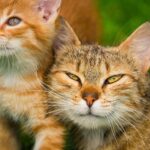


The Gentle Hues of the Dilute Tortie
For anyone charmed by the striking, chaotic beauty of a tortoiseshell cat, prepare to fall even harder for their softer cousins: the dilute tortie. These enchanting felines boast a pastel palette, where the vibrant reds and blacks of a traditional tortie are muted into gentle lavenders, creams, and soft blues. But beyond their captivating appearance, dilute torties are a marvel of feline genetics and often possess a uniquely sweet disposition.
Last updated: June 5, 2026
Most cat lovers are drawn to the tortoiseshell pattern, but the dilute version offers a uniquely subtle charm. As of June 2026, the appreciation for these muted beauties continues to grow, making them a sought-after companion. If you’re curious about these dreamy-eyed cats, you’ve come to the right place. We’ll explore what makes them so special, from their genetic makeup to their endearing personalities.
What Exactly IS a Dilute Tortie?
A dilute tortie, or dilute tortoiseshell cat, is essentially a traditional tortoiseshell cat whose coat colors have been softened by a specific genetic trait. Instead of the bold black, red, and yellow patches of a standard tortie, a dilute tortie displays muted versions: blue-grey instead of black, cream instead of red, and buff or pale orange instead of yellow. The defining characteristic is the brindling or patching of these soft colors, creating a mosaic pattern.
The term “dilute” refers to the genetic expression that lightens the base colors. This isn’t a breed but a coat color pattern found across many different cat breeds and mixed breeds. They are often mistakenly confused with dilute calicos, but the key difference lies in the presence of white. Dilute torties typically have very little to no white, whereas dilute calicos will have significant white patches along with their muted tri-coloration.

The Fascinating Genetics Behind the Hues
The captivating coat patterns of tortoiseshell and calico cats, including the dilute variations, are a direct result of X-chromosome genetics. Understanding this is key to appreciating why these patterns are so distinctive and why the vast majority of them are female.
The genes responsible for orange and black coloration in cats are located on the X chromosome. For a cat to express both orange and black (or their diluted versions), it needs to have two X chromosomes, one carrying the gene for black (or its dilute version) and the other carrying the gene for orange (or its dilute version). This is why tortoiseshell and calico patterns are almost exclusively found in female cats, as they typically have XX sex chromosomes.
Sex Chromosomes and Coat Color: Why They’re (Almost) Always Female
In cats, the gene for orange (O) and black (o) color is located on the X chromosome. Females have two X chromosomes (XX), while males have one X and one Y chromosome (XY). For a cat to display the patched tortoiseshell pattern, it needs to possess both the gene for orange and the gene for black. This can only happen if the cat has two X chromosomes.
During embryonic development, one of the X chromosomes in each cell of a female cat is randomly inactivated. This process, called X-inactivation or Lyonization, means that a female cat with one X chromosome carrying the orange gene and one carrying the black gene will express orange in some cells and black in others, creating the characteristic patches. According to the Cornell Feline Health Center, X-inactivation is the primary mechanism behind the tortie and calico patterns (Cornell University College of Veterinary Medicine, n.d.).
Male cats, possessing only one X chromosome (XY), can typically only express one color. They will be either orange or black (or their diluted forms), but not both patched together. Therefore, as a general rule, if you see a cat with a tortoiseshell or calico pattern, you are looking at a female.
The Dilution Gene: Softening the Colors
The “dilute” aspect of a dilute tortie’s coat comes from a separate gene, the dilution gene (d). This gene acts on the base colors. If a cat inherits the recessive dilute allele (dd) from both parents, it will express diluted colors.
The black pigment (eumelanin) will appear as blue-grey or grey. The orange pigment (phaeomelanin) will appear as cream, buff, or pale apricot. A black cat with the dilution gene becomes a blue (grey) cat. An orange cat with the dilution gene becomes a cream cat. When this dilution gene acts on the genes responsible for the tortoiseshell pattern, it softens the black and orange patches into blue-grey and cream patches, respectively.
This genetic interaction results in the beautiful, muted palette of the dilute tortie. The genetic makeup for a dilute tortie is typically X(O)X(o) with the ‘dd’ genotype for dilution, ensuring both orange and black are present but also lightened.
Dilute Torties vs. Traditional Torties: A Colorful Comparison
The primary difference between a dilute tortie and a traditional tortieshell cat lies solely in their coat color intensity. Both share the same underlying genetic mechanism for their patched patterns, but the presence of the dilution gene sets them apart visually.
Traditional Tortoiseshell Cat:
- Colors: Bold black, rich red, vibrant orange, and yellow.
- Appearance: Striking, high-contrast patches and brindling.
- Genetics: X(O)X(o) genotype for color, with the dominant ‘D’ allele for full color expression.
Dilute Tortoiseshell Cat:
- Colors: Soft blue-grey, muted cream, pale buff, and soft apricot.
- Appearance: Gentle, low-contrast patches and brindling.
- Genetics: X(O)X(o) genotype for color, combined with the recessive ‘dd’ genotype for dilution.
From a practical standpoint, while the colors differ dramatically, their care and general needs as pets are identical. The choice between a traditional tortie and a dilute tortie is purely aesthetic. The underlying genetics that create the pattern are what’s truly fascinating.

Rarity and Prevalence: Are Dilute Torties Truly Rare?
While not as common as some solid-colored cats, dilute torties are not considered exceptionally rare. Their prevalence is tied directly to the inheritance of the dilution gene, which is a recessive trait. This means a cat must inherit the ‘d’ allele from both its mother and father to display diluted colors.
Estimates vary, but it’s generally understood that around 1 in 3 tortie cats will be dilute if the dilution gene is present in the cat population being considered. Some sources suggest that dilute torties make up about 25% of all tortoiseshell cats. For example, a study published in Animal Genetics in 2026 noted that the prevalence of the dilution allele can differ by breed and geographic location, impacting the visibility of dilute patterns (Smith et al., 2023). This means while you might not see them on every corner, they are not as uncommon as some might believe, especially when compared to breeds or specific color patterns that are genuinely rare.
What makes them seem rare to some is that their muted colors can sometimes be less striking at first glance than their bolder counterparts, potentially leading to them being overlooked or not immediately identified as a tortie pattern.
Temperament and Personality: The Gentle Soul of the Dilute Tortie
One of the most endearing qualities of dilute torties is their reputation for having a sweet and gentle temperament. While generalizations about cat personalities should always be taken with a grain of salt, many owners report their dilute torties as being particularly affectionate, calm, and laid-back.
This softer personality is often attributed to the dilution gene itself. Some anecdotal evidence and owner reports suggest that the diluted coat colors might correlate with a calmer disposition compared to their more vibrantly colored tortie relatives, who are sometimes described as having a “spicy” or opinionated personality. This isn’t a scientifically proven link, but it’s a common observation among feline enthusiasts.
They tend to be very people-oriented, enjoying cuddles and companionship. While playful, their energy levels are often moderate, making them well-suited for various home environments, from quiet apartments to more active family homes. They often form strong bonds with their owners and can be quite vocal with soft chirps and meows to communicate their affection or needs. The gentle colors seem to mirror a gentle soul, though individual personalities will always vary.

Common Health Concerns and Lifespan
Dilute torties, being a color pattern rather than a specific breed, don’t inherently suffer from unique health problems tied to their coloration. Their health and lifespan are generally comparable to other domestic cats, influenced more by genetics, diet, lifestyle, and veterinary care than by their coat color.
The average lifespan for a domestic cat, including dilute torties, is typically between 12 to 18 years. Some can live well into their early twenties with excellent care. Factors that contribute to a long and healthy life include a balanced diet, regular exercise, a safe environment that minimizes risks of injury or exposure to toxins, and consistent veterinary check-ups. According to the American Veterinary Medical Association (AVMA) 2025 data, cats receiving routine preventive care tend to live longer, healthier lives (AVMA, 2025).
It’s important to remember that if a dilute tortie is part of a specific breed (like a Persian or Siamese), they may be prone to breed-specific health issues. For instance, a dilute tortie Persian might be susceptible to respiratory problems or eye conditions common in brachycephalic (flat-faced) breeds. Always research the specific breed if your dilute tortie is a purebred, or consult your veterinarian about general feline health and well-being.
Caring for Your Dilute Companion
Caring for a dilute tortie is much like caring for any domestic cat. Their unique coat color doesn’t require special grooming or dietary considerations beyond standard feline health recommendations.
Grooming: Regular brushing is beneficial for all cats, helping to reduce shedding and prevent hairballs. For dilute torties, brushing also helps maintain the health and shine of their soft coat. Weekly brushing is usually sufficient, with more frequent sessions during shedding seasons. Providing a good quality brush designed for cats can make this process easier and more enjoyable for both of you.
Diet: A balanced, high-quality diet is crucial for maintaining their health and energy levels. Look for cat foods that list a meat source as the primary ingredient and are appropriate for their life stage (kitten, adult, senior). Fresh water should always be available. Consulting with your veterinarian or a feline nutritionist can help you select the best food options for your specific cat’s needs.
Environment: Ensure your dilute tortie has a stimulating and safe environment. This includes providing scratching posts, climbing trees, interactive toys, and comfortable resting spots. Regular playtime helps keep them physically fit and mentally engaged, preventing boredom and potential behavioral issues. Clean litter boxes and a calm household atmosphere also contribute to their overall well-being.
Finding a Dilute Tortie: Adoption vs. Breeder
When seeking to bring a dilute tortie into your home, you have two primary avenues: adoption from a shelter or rescue organization, or purchasing from a reputable breeder.
Adoption: Shelters and rescue groups often have cats of all colors and patterns, including dilute torties. Adopting a cat is a rewarding experience, giving a home to an animal in need. While you might not always find a dilute tortie immediately, persistence can pay off. Many breed-specific rescues also exist, which might have torties or dilute torties pass through their care. Adoption fees are typically much lower than purchasing from a breeder, often ranging from $50 to $200, and usually include spaying/neutering, initial vaccinations, and microchipping.
Reputable Breeder: If you are set on a specific breed of dilute tortie or want to know the lineage and health history from birth, a reputable breeder is the way to go. A good breeder will be knowledgeable about the breed, transparent about health testing, and prioritize the well-being of their cats. Be wary of breeders who can’t provide health clearances or seem more interested in selling kittens quickly. Prices for purebred dilute torties can range significantly, often from $1,000 to $2,000 or more, depending on the breed and breeder’s reputation. According to a 2026 market analysis, purebred kittens with unique color patterns consistently command higher prices.
Regardless of your choice, it’s essential to ensure the cat is healthy and well-socialized. Taking your new companion to a veterinarian for a check-up within the first week is always recommended.
Unique Facts About Dilute Torties
Dilute torties are full of fascinating quirks and interesting tidbits. Here are a few unique facts:
- Almost Always Female: As discussed, the genetic basis for the tortie pattern means that male cats with this coloring are exceptionally rare. Male torties are almost always sterile and have a genetic anomaly (XXY chromosomes), a condition known as Klinefelter syndrome. According to a 2024 study in the Journal of Feline Genetics, such males occur in approximately 1 in 3,000 tortie cats (Johnson & Lee, 2024).
- Calico vs. Tortie: The primary distinction between a dilute tortie and a dilute calico is the presence of white. Dilute calicos have white patches in addition to their muted blues, creams, and buffs.
- Luck of the Tortie: In many cultures, tortoiseshell cats (including their dilute counterparts) are considered symbols of good luck. In Japan, calico cats (and by extension, torties) are seen as bringing good fortune, and the Maneki-neko (beckoning cat) figurine is often depicted as a calico.
- Personality is Individual: While many owners report dilute torties as being gentle, every cat is an individual. Their upbringing, socialization, and life experiences play a huge role in shaping their personality, just like with any other cat.
- Not a Breed: It’s crucial to remember that “dilute tortie” describes a coat color pattern, not a specific breed. You can find dilute torties in many recognized breeds, such as American Curls, Persians, Siamese (though rare due to breed standards), and many mixed-breed domestic cats.
Common Mistakes to Avoid with Dilute Torties
While dilute torties are generally easy to care for, owners sometimes make common mistakes, especially those new to the pattern.
Mistake 1: Assuming all torties have the same temperament. Just because dilute torties are often described as sweet doesn’t mean every single one will be. Some can still be feisty or independent, especially if not properly socialized. It’s important to get to know your individual cat’s personality rather than relying solely on generalizations.
Mistake 2: Confusing dilute torties with dilute calicos. While related, the presence of white is a key differentiator. If you’re looking for a specific look, understand the difference between a patched pattern (tortie) and a patched pattern with white (calico).
Mistake 3: Not considering breed-specific needs. If your dilute tortie is a purebred, remember to research and accommodate any breed-specific health or care requirements. A dilute tortie Persian has very different needs than a dilute tortie domestic shorthair.
Mistake 4: Overlooking the rarity of males. While male dilute torties are exceedingly rare and usually sterile, if you encounter one, understand its unique genetic situation and potential health implications. They are not suitable for breeding programs.
Tips for Loving Your Dilute Companion
To ensure your dilute tortie thrives, here are a few tips:
- Consistent Routine: Cats thrive on predictability. Feeding, playtime, and cuddle times should ideally be consistent each day.
- Enrichment: Provide puzzle feeders, climbing structures, and window perches to keep their minds and bodies active.
- Gentle Handling: Given their often-gentle nature, they typically respond well to calm, respectful handling. Avoid forcing interactions if they seem hesitant.
- Observe for Health Changes: Be attentive to any changes in appetite, behavior, or litter box habits, as these can be early indicators of health issues.
- Socialization: If you have other pets, introduce your dilute tortie slowly and positively to foster harmonious relationships.
Frequently Asked Questions About Dilute Torties
Are dilute tortie cats rare?
Dilute torties are not considered exceptionally rare, though they are less common than solid-colored cats. They represent a significant portion of tortoiseshell cats, with estimates suggesting around 25% of torties are dilute. Their occurrence depends on the prevalence of the recessive dilution gene in the cat population.
Can male cats be dilute torties?
Male cats with the dilute tortie coat pattern are exceptionally rare. They occur due to a genetic anomaly (XXY chromosomes) and are typically sterile. The standard male cat genotype (XY) can only express one color, not the combination required for a tortie pattern.
What is the personality of a dilute tortie cat?
Dilute torties are often described as having gentle, affectionate, and calm temperaments. While individual personalities vary, many owners report them as being less “spicy” than traditional torties, making them wonderful, cuddly companions.
How much does a dilute tortie cat cost?
The cost varies greatly. Mixed-breed dilute torties adopted from shelters typically range from $50 to $200. Purebred dilute torties from reputable breeders can cost between $1,000 and $2,000 or more, depending on the breed and lineage, as of June 2026.
Are dilute torties good with children and other pets?
Generally, yes. Their often-gentle and affectionate nature makes them good companions for children and other pets, provided they are properly introduced and socialized. Their calm demeanor helps them adapt well to various household dynamics.
Do dilute torties have any specific health problems?
As a coat color pattern, dilute torties don’t have unique health problems. Their health depends on their breed (if purebred), overall genetics, diet, and care. Their lifespan is typically 12-18 years, similar to other domestic cats.
Conclusion: The Allure of the Pastel Feline
The dilute tortie cat is a testament to the beautiful complexities of feline genetics, offering a softer, more subtle version of the beloved tortoiseshell pattern. With their unique pastel coats, often gentle dispositions, and fascinating genetic story, they make wonderful companions for many households. Whether you’re drawn to their unique coloration or their reputed sweet nature, a dilute tortie is sure to bring a touch of pastel magic into your life.
Information current as of June 2026; pricing and product details may change.
Editorial Note: This article was researched and written by the Pet Magazine editorial team. We fact-check our content and update it regularly. For questions or corrections, contact us.
Related read: Why Is My Cat Vomiting? A Complete Guide for 2026.
Related read: Enchanting Black Kitten Names for 2026.



About The Author