


Answering the Call: Your complete guide to Dog Care in 2026
This guide covers everything about how to take care dog. For anyone embarking on the journey of dog ownership, understanding how to take care of a dog is paramount. As of May 2026, the core tenets remain: providing adequate nutrition, consistent exercise, proper grooming, consistent training, and crucial veterinary attention. However, modern insights and evolving best practices offer even more refined approaches to ensuring your canine companion thrives throughout their life.
Last updated: May 22, 2026
Key Takeaways
- Consistent daily routines for feeding, exercise, and potty breaks are the foundation of good dog care.
- Choosing the right, high-quality food tailored to your dog’s age, breed, and activity level is essential for their health.
- Regular veterinary check-ups, vaccinations, and preventative care are non-negotiable for long-term well-being.
- Positive reinforcement training and early socialization build a well-behaved, confident dog.
- Grooming needs to vary by breed but are vital for hygiene and detecting potential health issues.
The Daily Pillars: Food, Water, and Shelter
At its most fundamental, how to take care of a dog revolves around meeting their basic physiological needs. This starts with a consistent supply of fresh, clean water. Dogs need access to water at all times, and their bowls should be cleaned daily to prevent bacterial growth.
Nutrition is equally critical. High-quality dog food, appropriate for your dog’s life stage (puppy, adult, senior) and breed size, forms the cornerstone of their diet. Consulting with your veterinarian or a canine nutritionist can help you select the best food, avoiding common pitfalls like overfeeding or choosing brands with excessive fillers. According to the American Veterinary Medical Association (AVMA) 2025 guidelines, a balanced diet is key to preventing obesity, a prevalent issue in dogs that can lead to numerous health complications.
A safe, comfortable resting place is also vital. This could be a dedicated bed in a quiet corner of your home, a crate, or a specific spot on a sofa. This space should be a sanctuary where your dog feels secure, especially during thunderstorms or when there are visitors.

Fueling Body and Mind: Exercise and Play
Beyond basic needs, how to take care of a dog truly shines when you incorporate ample exercise and mental stimulation. The amount and type of exercise needed vary significantly by breed, age, and individual energy levels. A high-energy Border Collie will require far more vigorous activity than a Basset Hound.
Daily walks are a cornerstone of canine exercise, offering not only physical activity but also crucial opportunities for socialization and exploration of their environment. Beyond walks, consider activities like fetch, tug-of-war, or puzzle toys that challenge their minds. Mental stimulation is just as important as physical activity; bored dogs are more prone to developing behavioral issues such as destructive chewing or excessive barking.
From a different angle, interactive toys and training sessions can provide this mental workout. For example, a simple game of ‘find the treat’ or teaching new tricks engages their problem-solving skills. The Association for the Study of Animal Behavior noted in a 2026 review that mental enrichment is directly linked to improved canine welfare and reduced stress levels.
Building Bonds: Training and Socialization
Effective training and socialization are essential components of responsible dog ownership. Positive reinforcement methods, which reward desired behaviors with treats, praise, or toys, are widely considered the most humane and effective approach. This builds trust and strengthens the bond between you and your dog.
Early socialization, ideally starting from puppyhood (typically between 8-16 weeks), is crucial. Exposing your puppy to a variety of sights, sounds, people, and other well-behaved animals in a controlled and positive manner helps them grow into confident, well-adjusted adults. A lack of socialization can lead to fear-based aggression or anxiety later in life.
Practically speaking, attending puppy socialization classes is an excellent way to manage this crucial developmental period. You can also proactively introduce your dog to different environments, such as parks (once fully vaccinated) or quiet cafés, to broaden their experiences. According to the ASPCA, proper socialization significantly reduces the likelihood of behavioral problems that can lead to rehoming.

Keeping Clean: Grooming and Hygiene Practices
Grooming is more than just aesthetics; it’s a critical aspect of how to take care of a dog that contributes to their overall health and comfort. Brushing your dog regularly, often daily or weekly depending on their coat type, helps remove loose hair, prevent matting, distribute natural oils, and can be a great opportunity to check for fleas, ticks, or skin abnormalities.
Bathing frequency depends on the dog and their lifestyle, but generally, most dogs don’t need baths more than once a month unless they get particularly dirty. Over-bathing can strip their coat of essential oils, leading to dry skin. Nail trimming is another vital part of grooming. Long nails can cause pain, affect gait, and even lead to skeletal issues. If you can hear your dog’s nails clicking on hard floors, they are likely too long.
Dental care is often overlooked but is paramount. Brushing your dog’s teeth regularly with dog-specific toothpaste can prevent periodontal disease, which can lead to more serious health problems. Routine veterinary check-ups should also include a dental assessment. For a long-haired breed like a Poodle, professional grooming every 6–8 weeks might be necessary, costing upwards of $70-$150 per session, while basic at-home brushing for a short-haired dog is essentially free.
Proactive Health: Veterinary Care and Preventative Measures
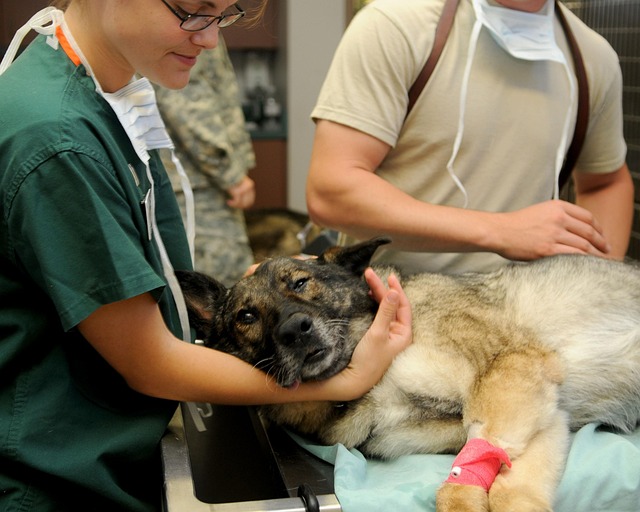
Regular veterinary care is non-negotiable when learning how to take care of a dog. Annual (or semi-annual for seniors and puppies) wellness exams allow your veterinarian to catch potential health issues early, when they are most treatable. During these visits, your vet will perform a physical examination, discuss any concerns you have, and recommend necessary vaccinations and parasite prevention.
Preventative care includes vaccinations against common and serious diseases like rabies, distemper, and parvovirus. Flea, tick, and heartworm prevention are also critical, especially in certain geographic areas. As of May 2026, flea and tick preventatives can cost anywhere from $15-$50 per month, while heartworm medication ranges from $10-$30 monthly, depending on the product and your dog’s weight. These costs are often more manageable than treating the diseases they prevent.
Beyond routine visits, be vigilant for any changes in your dog’s behavior, appetite, energy levels, or bodily functions, as these can be early signs of illness. Early detection significantly improves prognosis and reduces treatment costs. According to data compiled by the AVMA, the average annual veterinary cost for a dog in the US was around $500-$700 in 2026, not including emergency visits or specialized care.
Addressing Specific Needs: Breed-Specific and Age-Related Care
While the core principles of dog care are universal, specific breeds and life stages present unique challenges. Some breeds, like the French Bulldog or Pug, are prone to respiratory issues and require careful monitoring in hot weather. Others, like German Shepherds or Labrador Retrievers, often benefit from more rigorous exercise routines and may be predisposed to joint problems like hip dysplasia.
Puppies require intensive training, socialization, and frequent veterinary visits for vaccinations and deworming. Senior dogs, typically entering their golden years around age 7 and beyond, may experience declining mobility, sensory changes, or chronic health conditions. Adjusting their diet, providing comfortable bedding, and ensuring regular, gentle exercise are key to their comfort.
For instance, a senior dog might develop arthritis, necessitating a veterinarian’s recommendation for joint supplements or pain management, which could add $20-$100+ to monthly expenses. Understanding these specific needs ensures you can provide tailored care. The AKC (American Kennel Club) provides detailed breed-specific information, highlighting temperamental traits and potential health concerns for over 200 breeds.
Avoiding Common Pitfalls in Dog Care
Even well-intentioned owners can make mistakes. One common error is inadequate socialization for puppies, leading to fearful or reactive adult dogs. Another is underestimating the exercise needs of active breeds, resulting in destructive behavior due to pent-up energy.
Choosing the wrong food, based on cost or convenience rather than nutritional value, can lead to long-term health problems. Additionally, neglecting dental hygiene is a frequent oversight, contributing to pain and systemic infections. Finally, delaying veterinary visits for subtle changes in behavior or health can turn a minor issue into a major crisis.
Practically speaking, a lack of consistent training can lead to a dog that’s difficult to manage in public, impacting your enjoyment of activities together. Investing time in training and socialization from day one pays dividends in a well-behaved companion.
Expert Insights for Optimal Canine Companionship
To truly excel in how to take care of a dog, consider these expert-level tips. Firstly, establish a predictable daily routine. Dogs thrive on structure, and knowing when to expect meals, walks, and playtime reduces anxiety. Secondly, always prioritize quality over quantity when it comes to food and treats; use high-value treats sparingly for training rewards.
Thirdly, never underestimate the power of play and mental enrichment. Rotate puzzle toys and introduce new training challenges regularly. Fourth, build a strong relationship with a trusted veterinarian and follow their advice for preventative care. Consider pet insurance as a way to manage unexpected veterinary costs, which can range from a few hundred to several thousand dollars for emergencies as of 2026.
Finally, observe your dog closely. They communicate their needs and feelings through body language. Learning to read their cues—a tucked tail, flattened ears, or relaxed posture—will allow you to respond more effectively to their well-being. For example, a dog constantly pawing at their mouth might indicate a dental issue that requires prompt veterinary attention, a detail easily missed without careful observation.

Frequently Asked Questions
How much does it cost to take care of a dog per year?
Annual dog care costs can range significantly, from around $500 to over $2,000, not including potential emergency vet bills. This estimate covers food, routine veterinary visits, preventative medications, toys, and grooming supplies.
What are the absolute basic needs for a dog?
The absolute basics include clean water, nutritious food appropriate for their life stage, a safe and comfortable place to sleep, regular opportunities for exercise and elimination, and consistent affection and companionship.
How often should I take my dog to the vet?
For most adult dogs, an annual wellness check-up is sufficient. Puppies and senior dogs typically require more frequent visits, often every six months, to monitor development and age-related health changes respectively.
Is it okay to leave a dog alone for 8 hours a day?
While many dogs can adapt to an 8-hour workday, it’s not ideal. Extended periods alone can lead to separation anxiety, boredom, and accidents. Breaking up the day with a midday walk or hiring a dog walker can significantly improve their well-being.
What are the signs of a happy dog?
A happy dog often exhibits a relaxed body posture, a wagging tail (though tail wags can vary by breed and context), bright eyes, a loose mouth, and enthusiasm for play and interaction.
Should I get a puppy or an adult dog?
Puppies are energetic and require significant training and supervision. Adult dogs are often already house-trained and may have a calmer demeanor, making them a good choice for first-time owners or those with less time for intensive training.
Conclusion: A Rewarding Journey
Learning how to take care of a dog is an ongoing process of learning, adapting, and building a strong bond. By focusing on consistent daily routines, proper nutrition, adequate exercise, positive training, regular grooming, and proactive veterinary care, you can ensure your canine companion lives a long, healthy, and happy life. The commitment is significant, but the rewards of a loving, loyal dog are immeasurable.
Last reviewed: May 2026. Information current as of publication; pricing and product details may change.
Editorial Note: This article was researched and written by the Pet Magazine editorial team. We fact-check our content and update it regularly. For questions or corrections, contact us. For readers asking “How to take care dog”, the answer comes down to the specific factors covered above.




About The Author