
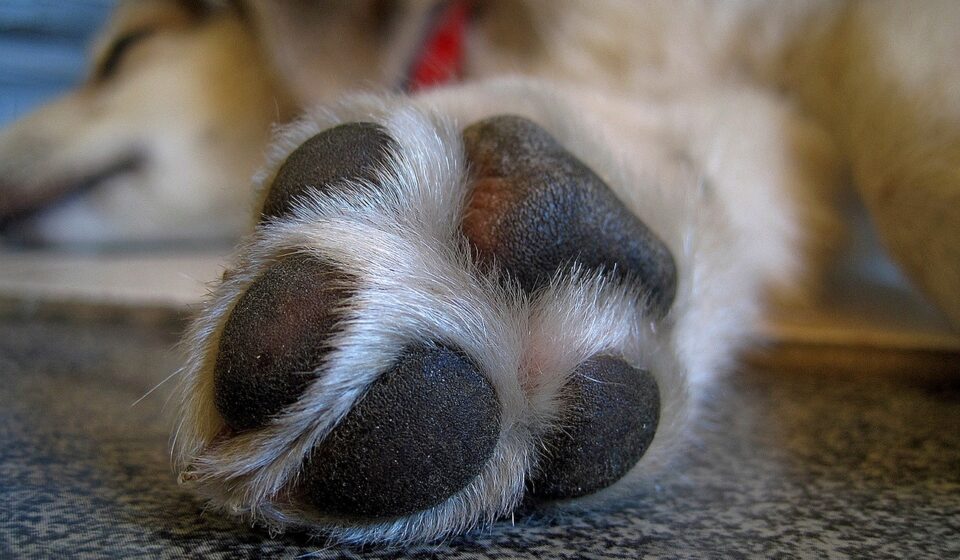

The Fascinating World of the Webbed Paw Dog
For many dog owners, the term “webbed paw dog” conjures images of a canine athlete, a natural-born swimmer gliding effortlessly through water. While this is certainly true for many breeds, the reality of webbed paws in dogs is far richer and more nuanced than a simple association with water sports. As of May 2026, our understanding of canine anatomy and genetics continues to evolve, shedding new light on why some dogs possess this distinctive trait and what it truly signifies.
Last updated: May 5, 2026
Webbed paws are a natural anatomical feature where skin extends between a dog’s toes, connecting them partially or fully. This webbing can vary significantly in degree, from a subtle connection to a more pronounced membrane. It’s a trait that hints at evolutionary history, breed-specific adaptations, and sometimes, simply a unique genetic quirk.
This complete guide will explore the science behind webbed paws, explore the breeds most commonly associated with them, discuss their functional benefits and potential drawbacks, and address common owner concerns. Whether you’re considering adopting a water-loving breed or are simply curious about this fascinating aspect of canine physiology, understanding the webbed paw dog offers a deeper appreciation for our four-legged companions.
Key Takeaways
- Webbed paws in dogs feature skin connecting the toes, aiding in swimming and providing traction.
- This trait is common in water breeds but can appear in others due to genetics.
- Webbed paws are generally a normal, beneficial trait, not typically a health concern.
- Proper paw care remains essential for all dogs, including those with webbed feet.
Understanding Canine Paw Anatomy: The Role of Webbing
A dog’s paw is a complex structure designed for a variety of functions, including locomotion, shock absorption, and digging. The interdigital webbing, or the skin connecting the toes, plays a crucial role in enhancing some of these functions, particularly for dogs whose ancestral roles involved water retrieval or navigating soft terrain.
The primary function of this webbing is to increase the surface area of the paw. Think of it like a natural paddle. When a dog swims, this expanded surface area allows them to push more water with each stroke, generating greater propulsion and making them more efficient swimmers. This is why breeds often associated with water work, like Newfoundlands or Portuguese Water Dogs, typically have pronounced webbing.
Beyond swimming, webbing can also provide improved traction. On slippery surfaces, like wet rocks or even smooth floors indoors, the connected toes can offer a broader contact area, potentially reducing slips. For dogs that spend a lot of time outdoors on varied terrain, this can be a subtle but important advantage.
Why Do Some Dogs Have Webbed Paws? Genetics and Evolution
The presence of webbed paws is largely a result of genetics. This trait is inherited, meaning it’s passed down from parent dogs to their offspring. Selective breeding by humans has amplified this trait in certain breeds, especially those developed for tasks involving water.
From an evolutionary perspective, the development of webbed feet in dogs likely occurred in ancestral canids that spent a significant amount of time in aquatic environments. These adaptations would have provided a survival advantage, enabling more effective hunting or travel through water. Today, this trait persists in breeds whose ancestors relied on these abilities.
remember that not all dogs within a “webbed” breed will have the same degree of webbing. Genetic expression can vary. While prominent in certain breeds, mild webbing can also appear unexpectedly in breeds not typically known for it, simply due to recessive genes that resurface. According to the American Kennel Club (AKC), while breed standards might mention webbing, the degree can differ, and it’s not always a defining characteristic for non-water-specific breeds.
Breeds Known for Webbed Paws: More Than Just Labrador Retrievers
While Labrador Retrievers are perhaps the most famous example of dogs with webbed paws, many other breeds also benefit from this unique adaptation. Understanding which breeds commonly exhibit this trait can help potential owners prepare for their specific needs.
Water-Loving Breeds
These breeds were often developed for retrieving waterfowl or working alongside fishermen, making webbed feet a crucial asset. Their paws are naturally designed to help them Handle the water with speed and agility.
- Newfoundland: Renowned for their strength and swimming prowess, Newfoundlands have significant webbing that acts like powerful paddles.
- Portuguese Water Dog: Developed to help fishermen, these dogs have fully webbed feet, essential for their demanding aquatic tasks.
- Chesapeake Bay Retriever: Another breed bred for retrieving waterfowl, they possess excellent swimming abilities aided by their partially webbed paws.
- Irish Water Spaniel: Distinctive in appearance, these spaniels have strong hindquarters and webbed feet ideal for water work.
- American Water Spaniel: Similar to their Irish counterparts, these dogs are adept swimmers with well-webbed feet.
- Barbet: This French water dog breed is known for its curly coat and webbed feet, making it a capable swimmer and retriever.
Other Breeds with Notable Webbing
Beyond the dedicated water dogs, webbing is also a common feature in several other popular breeds, often contributing to their agility and sure-footedness.
- Labrador Retriever: As mentioned, Labs are famous for their love of water and their partially webbed paws, which aid in swimming.
- Poodle (Standard, Miniature, Toy): While often associated with their distinctive coat, Poodles also possess webbing, contributing to their versatility as water retrievers.
- German Shorthaired Pointer: These versatile hunting dogs have moderate webbing, helping them in both water and on land.
- Dachshund: Surprisingly, Dachshunds have slightly webbed feet, which aids them in their original purpose of digging and flushing out prey.
- Schipperke: This small Belgian breed, often called the “Little Black Fox,” has slightly webbed paws that help with agility.
- Great Pyrenees: These large livestock guardians have some webbing, which can help them navigate snowy or marshy terrain.
The presence and degree of webbing can also be an indicator of a dog’s heritage. For instance, even if a dog isn’t primarily a water breed, if it has a lineage that includes water dogs or retrievers, you might see this trait appear. As of May 2026, genetic testing can sometimes offer insights into the prevalence of genes associated with these physical characteristics.
The Functional Advantages of Webbed Paws
The advantages conferred by webbed paws are not merely anecdotal; they are rooted in biomechanics and adaptation. For the right dog, in the right environment, these paws offer tangible benefits.
Enhanced Swimming Efficiency
This is the most widely recognized advantage. The extra skin between the toes acts like a hydrofoil, increasing the surface area that meets the water. Webbed paw dog allows the dog to push more water backward with each leg stroke, resulting in more powerful and efficient forward movement. It reduces the effort required to swim and increases speed and endurance in the water. According to research on animal biomechanics, even slight webbing can contribute significantly to a swimmer’s performance.
Improved Traction and Stability
Webbed paws can also provide superior traction, especially on soft or slippery surfaces. The broader contact area helps distribute weight more evenly, preventing the paw from sinking too deeply into mud or sand. On wet floors, tile, or smooth surfaces, the connected toes can offer a larger grip area, reducing the likelihood of slips and falls. This is particularly beneficial for older dogs or those with mobility issues, offering them a more secure footing.
Agility on Varied Terrain
For dogs that traverse diverse environments, from rocky shores to marshy fields, webbed paws can offer an advantage. They can provide a more stable base on uneven ground and help to clear debris from between the toes more effectively. This adaptability makes them well-suited for active lifestyles and outdoor adventures.
Potential Drawbacks and Health Considerations
While generally beneficial, webbed paws are not without potential considerations. Responsible ownership involves understanding these possibilities and taking proactive steps to ensure your dog’s comfort and health.
Moisture Trapping and Skin Issues
The extra skin folds in webbed paws can sometimes trap moisture, especially if a dog spends a lot of time in water or lives in a humid climate. This damp environment can be an ideal breeding ground for bacteria and yeast, potentially leading to skin infections, irritation, or “interdigital cysts.” These conditions often manifest as redness, itching, swelling, or a foul odor between the toes.
Foreign Body Retention
The webbing can also create more surface area where small foreign objects, such as burrs, thorns, or small stones, can become lodged. If not detected and removed promptly, these can cause discomfort, pain, and lead to infection. Regular checks of your dog’s paws, especially after outdoor excursions, are crucial.
Predisposition to Certain Conditions
While webbing itself is not a disease, some conditions can affect the paws. For example, certain autoimmune conditions or allergies can cause inflammation and irritation between the toes. Additionally, some dogs may develop paw pad hyperkeratosis, where the skin becomes excessively thick and hard, which can affect the flexibility of the webbing. Consulting with a veterinarian is key if you notice any persistent redness, swelling, limping, or changes in your dog’s paw.
Caring for a Dog with Webbed Paws
Caring for a dog with webbed paws is largely similar to caring for any dog’s feet, but with a few extra points of attention. Proactive care can prevent most common issues.
Regular Inspection and Cleaning
Make it a habit to check your dog’s paws daily, or at least several times a week. Look for any redness, swelling, cuts, foreign objects, or signs of moisture. After walks, especially in wet conditions or areas with potential irritants, gently clean the paws with a damp cloth or pet-safe wipes. Ensure the webbing is dried thoroughly.
Paw Protection
In extreme weather conditions, consider using protective paw balm or even dog booties. Paw balms can help moisturize and protect the skin from cracking, while booties offer protection against salt, ice, hot pavement, and rough terrain. Some owners find that booties can also help reduce the risk of foreign bodies getting lodged in the webbing.
Addressing Moisture Issues
If your dog is prone to dampness between their toes, consider using a veterinarian-recommended drying powder or a gentle antiseptic spray. Keeping your dog’s nails trimmed also helps, as overgrown nails can sometimes contribute to paw irritation. In persistent cases of moisture-related skin issues, your veterinarian might suggest specific medicated shampoos or topical treatments.
When to Seek Veterinary Advice
Don’t hesitate to contact your veterinarian if you notice any of the following:
- Persistent redness, itching, or swelling between the toes.
- A foul odor emanating from the paws.
- Limping or reluctance to bear weight on a paw.
- Visible cuts, sores, or bleeding.
- Excessive licking or chewing of the paws.
Early detection and treatment of any paw issues are vital to prevent them from becoming more serious problems. Veterinarians can diagnose the cause of discomfort, whether it’s a simple irritation, an infection, an allergic reaction, or a more complex condition.
Webbed Paws vs. Regular Paws: A Comparison
While all dogs have paws designed for walking, the presence of webbing introduces specific functional differences. Understanding these can help clarify the role of webbed paws.
| Feature | Webbed Paws | Regular Paws (Non-Webbed) |
|---|---|---|
| Primary Function Enhancement | Swimming, traction on soft/slippery surfaces | General locomotion, shock absorption |
| Surface Area | Increased | Standard |
| Water Propulsion | Significantly improved | Standard |
| Traction on Smooth Surfaces | Potentially improved | Standard |
| Moisture Trapping Risk | Higher | Lower |
| Foreign Body Lodgement Risk | Higher | Lower |
| Common Breeds | Water dogs, retrievers, some spaniels, some herders | Most non-specialized breeds |
Common Misconceptions About Webbed Paw Dogs
Several myths and misconceptions surround dogs with webbed paws. Addressing these can provide a clearer picture for owners and enthusiasts.
Myth 1: All dogs with webbed paws are great swimmers.
While webbing significantly aids swimming, a dog’s overall swimming ability is influenced by many factors, including breed predisposition, physical condition, training, and temperament. A dog with mildly webbed paws might not be as adept as a breed with fully webbed feet, and even breeds like Newfoundlands need to learn to swim and be supervised.
Myth 2: Webbed paws mean a dog will have health problems.
As discussed, webbing itself is a normal trait and not a health issue. Problems arise only if moisture is trapped, leading to secondary infections, or if foreign bodies become lodged. With proper care, most dogs with webbed paws live perfectly healthy lives.
Myth 3: Only water breeds have webbed paws.
This is incorrect. While most prominent in water-loving breeds, mild webbing can appear in many breeds due to genetic inheritance, sometimes as a surprise trait in breeds not typically associated with water. Dachshunds and even some herding breeds can exhibit some degree of webbing.
Myth 4: Webbed paws are a sign of a purebred dog.
Webbing is a genetic trait that can appear in purebred dogs and mixed breeds alike. While it’s a common characteristic in many purebred water dogs, its presence in a mixed-breed dog doesn’t necessarily indicate anything about their lineage beyond the potential for having ancestors with this trait.
Expert Insights and Best Practices for Webbed Paw Owners
Veterinarians and experienced dog handlers offer consistent advice for owners of dogs with webbed paws. The overarching theme is vigilance and understanding your dog’s specific needs.
Dr. Anya Sharma, a veterinarian specializing in dermatology at the University of California, Davis, emphasizes regular paw checks. “Owners should integrate paw checks into their grooming routine,” she advises. “Catching moisture buildup or a small thorn early can prevent a costly and painful vet visit down the line.” She also notes that for breeds prone to interdigital irritation, maintaining a shorter coat between the toes can help reduce moisture retention.
For owners of active dogs, especially those who frequent beaches or lakes, rinsing paws thoroughly after swimming or playing is a simple yet effective practice. Utilizing a dog-specific paw balm can create a protective barrier against harsh elements and help maintain skin health. For dogs that experience frequent infections, a vet might recommend specific probiotic supplements or dietary adjustments to support overall skin and immune health, as suggested by research published in the Journal of Veterinary Dermatology.
Frequently Asked Questions About Webbed Paw Dogs
Are webbed paws a sign of a health problem in dogs?
No, webbed paws are typically a normal anatomical feature, not a health problem. They are often an adaptation for swimming or traction. Health issues can arise if moisture is trapped leading to infections, but the webbing itself is not a disease.
Do all Labrador Retrievers have webbed paws?
Most Labrador Retrievers have some degree of webbing between their toes, which contributes to their excellent swimming abilities. However, the extent of webbing can vary among individual dogs within the breed.
What is the main advantage of a dog having webbed paws?
The primary advantage is enhanced swimming efficiency due to increased surface area acting like paddles. They also provide improved traction on slippery or soft surfaces, aiding stability and agility.
How should I care for my dog’s webbed paws?
Regularly inspect and clean the paws, ensuring the webbing is dried thoroughly to prevent moisture buildup and infections. Trim nails, and consider protective balms or booties if your dog is very active or exposed to harsh conditions.
Can webbed paws cause my dog to slip indoors?
While webbed paws can offer better traction on some surfaces, they can also sometimes increase the risk of slipping on very smooth, polished floors if not properly managed. Keeping paws clean and dry, and ensuring nails are trimmed, can help mitigate this risk.
Which dog breeds are known for having webbed feet?
Prominent breeds include Newfoundlands, Portuguese Water Dogs, Chesapeake Bay Retrievers, Irish Water Spaniels, American Water Spaniels, Labradors, and Poodles. Mild webbing can appear in other breeds as well.
Conclusion: Appreciating the Unique Canine Foot
The webbed paw dog is a testament to the incredible diversity and adaptive capabilities within the canine species. These paws, far from being a mere curiosity, are functional marvels that enhance swimming, provide stability, and speak to a dog’s evolutionary heritage. While they may require a little extra attention to moisture and potential foreign objects, the benefits they offer are significant for many breeds, especially those with an affinity for water.
By understanding the anatomy, genetics, and care needs associated with webbed paws, owners can better appreciate and support their canine companions, ensuring they remain healthy, happy, and ready for any adventure, whether on land or in the water.
Information current as of May 2026; pricing and product details may change.
Related read: Can Dogs Eat Biscuits? A 2026 Safety & Health Guide
Editorial Note: This article was researched and written by the Pet Magazine editorial team. We fact-check our content and update it regularly. For questions or corrections, contact us. Knowing how to address webbed paw dog early makes the rest of your plan easier to keep on track.
Related read: Charming Yorkie Haircuts for 2026: Styles, Care & Tips.
About The Author