
Unlock Your Pet’s Best Look and Health at Home
Most pet owners strive to keep their companions looking and feeling their best, and while professional grooming services are an option, mastering how to groom your pet at home offers significant benefits. As of May 2026, the trend towards in-home pet care continues to grow, driven by convenience, cost savings, and the desire to build a stronger bond with our furry family members. Learning to groom at home isn’t just about aesthetics; it’s a critical component of preventative health, allowing you to spot potential issues early and maintain your pet’s overall well-being.
Last updated: May 22, 2026
Key Takeaways
- Establishing a designated, calm grooming space is crucial for a positive experience.
- Selecting the right tools tailored to your pet’s coat type is essential for effective grooming.
- Regular brushing is vital for coat health, reducing shedding, and preventing mats.
- Bathing frequency depends on breed, coat, and activity level, with gentle techniques being key.
- Nail trimming, ear cleaning, and dental care are integral parts of home grooming for preventing health problems.
The complex Benefits of At-Home Pet Grooming
Grooming your pet at home provides a unique opportunity to connect with them on a deeper level. It transforms routine care into a bonding experience, fostering trust and reducing anxiety associated with being handled. For instance, a dog that regularly experiences gentle brushing and positive reinforcement during grooming sessions is likely to feel more secure when a groomer needs to handle them for more complex tasks. This proactive approach can also be more cost-effective. While professional grooming can range from $50 to $100 or more per session depending on the pet and services required, the initial investment in home grooming tools can pay for itself quickly.

Creating the Ideal Home Grooming Environment
Before you even pick up a brush, setting up a dedicated space is paramount. This area should be quiet, well-lit, and easy to clean. For dogs, a non-slip mat on the floor or in a bathtub can prevent accidents. For cats, a stable surface like a counter or grooming table with a non-slip pad works well. Having all your supplies within reach is also a practical consideration. This minimizes the time your pet spends being handled, reducing their potential for stress.
Consider the temperature of the room; it should be comfortable, not too hot or too cold. Background noise, like soft music, can also help create a relaxing atmosphere. The key is to make this space a positive, predictable environment for your pet.
Essential Tools for At-Home Pet Grooming
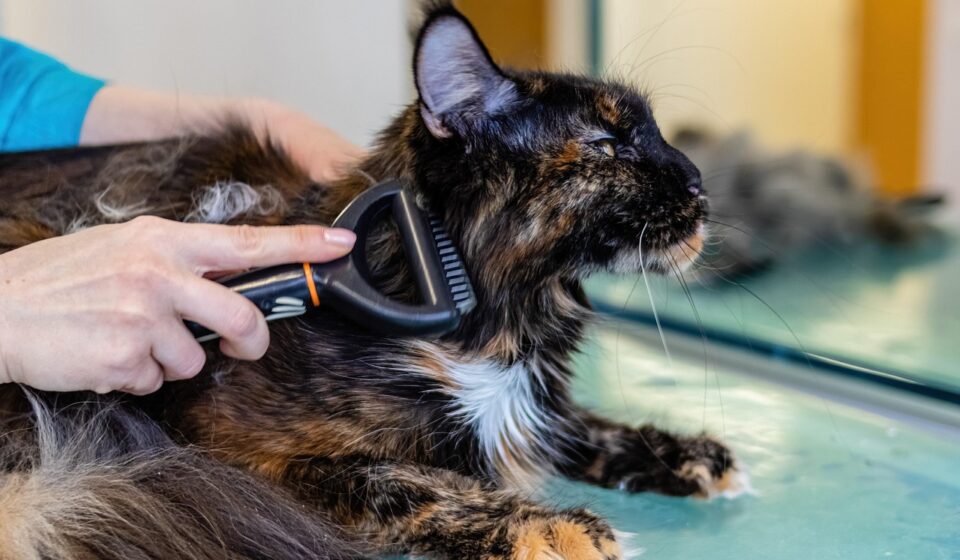
The right tools make all the difference when you’re grooming your pet at home. The specific items you need will depend largely on your pet’s breed, coat type, and size. For most dogs and cats, a good quality brush is a must. Options include slicker brushes for removing loose undercoat, bristle brushes for short-haired pets, and pin brushes for longer coats. De-shedding tools, like a FURminator, can be incredibly effective for heavy shedders, but should be used with caution according to product instructions to avoid irritating the skin.
Beyond brushing, consider nail clippers designed for pets – either guillotine or scissor-style. For ear cleaning, a veterinarian-approved ear cleaning solution and cotton balls (never swabs, which can damage the ear canal) are necessary. Dental care requires a pet-specific toothbrush and enzymatic toothpaste. A gentle, pet-safe shampoo and conditioner are essential for bathing, and a high-velocity dryer can speed up the drying process for some pets, though air drying is often sufficient.
Common mistakes include using human grooming products, which can strip natural oils or cause skin irritation. For example, human shampoos have a different pH balance than pet shampoos. According to the American Veterinary Medical Association (AVMA), using inappropriate products can lead to dry skin, itching, or even allergic reactions.
Mastering Brushing and De-Shedding Techniques
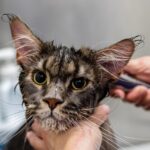
Brushing is the cornerstone of at-home pet grooming. Start by understanding your pet’s coat. Short-haired pets might only need a few brush strokes with a bristle brush a couple of times a week to distribute natural oils. Long-haired pets, however, require daily brushing to prevent tangles and mats, which can become painful and lead to skin infections. When brushing, work in sections, gently moving the brush through the fur. If you encounter a tangle, don’t yank. Instead, use a detangling spray and a comb to gently work through the knot from the tip downwards.
De-shedding tools are highly effective, especially during seasonal shedding periods. For a dog that sheds heavily, like a German Shepherd or a Husky, using a de-shedding tool once or twice a week can drastically reduce the amount of fur around your home. Always follow the tool’s instructions and avoid excessive force, as this can damage the skin and undercoat. A common mistake is over-brushing, which can strip the coat of its natural oils and irritate the skin, even with regular brushes.
The Art of the Home Pet Bath
Bathing frequency varies significantly. Puppies and kittens often require more frequent baths than adult pets, but over-bathing can strip natural oils, leading to dry, itchy skin. Generally, dogs may need a bath every 4–8 weeks, while cats may only need one annually or if they get particularly dirty. Always use a pet-specific shampoo; human shampoos can be too harsh. Wet your pet thoroughly, apply shampoo, and lather gently, avoiding the eyes and ears. Rinse thoroughly until the water runs clear, as shampoo residue can cause irritation.
For pets that dislike baths, make the experience as positive as possible. Start with short sessions, use high-value treats, and speak in a calm, reassuring tone. A non-slip mat in the tub is crucial for safety. Some owners find applying a long-lasting treat like peanut butter to the tub wall can distract their pet during the bath. Remember that for certain breeds, like Poodles or Bichon Frises, regular professional grooming is often recommended for their coat’s specific needs, as their hair grows continuously and requires clipping.
Crucial Elements: Nail, Ear, and Dental Hygiene
Nail trimming is a critical yet often feared aspect of pet grooming. Overgrown nails can cause pain, affect gait, and lead to foot deformities. When trimming, identify the ‘quick’ – the pink part of the nail that contains blood vessels and nerves. Avoid cutting into the quick, as this causes bleeding and pain. If your pet has dark nails, trim small amounts at a time, looking for a white or grayish center in the cut nail. Styptic powder is a must-have to quickly stop any minor bleeding if you accidentally cut too close.
Ear cleaning is vital, especially for breeds with floppy ears prone to infection, such as Cocker Spaniels or Basset Hounds. Use a veterinarian-approved ear cleaner and cotton balls to gently wipe the outer ear canal. Never insert anything deep into the ear. Signs of infection include redness, swelling, discharge, or a foul odor. Regular dental care, including brushing your pet’s teeth a few times a week with pet-specific toothpaste, helps prevent periodontal disease, which can affect overall health. According to the 2026 AVMA Pet Dental Health Report, approximately 80% of adult dogs and cats show signs of periodontal disease.
Common Grooming Mistakes and How to Sidestep Them
One of the most common mistakes is neglecting regular grooming between baths. This leads to mats, skin issues, and discomfort. For instance, a long-haired cat that isn’t brushed daily can develop painful mats that may require sedation and shaving by a veterinarian. Another mistake is improper use of tools. Yanking on tangles or using clippers too aggressively can create negative associations with grooming.
Rushing the process is also a significant error. Pets can sense your stress. If you’re hurried, your pet is more likely to become anxious. Take your time, offer breaks, and use positive reinforcement like treats and praise. Lastly, failing to consult a veterinarian or professional groomer when unsure is a mistake. They can provide breed-specific advice and demonstrate proper techniques for your pet’s unique needs.
Tips for a Stress-Free Grooming Experience
Start grooming your pet when they are young to get them accustomed to the process. Positive reinforcement is key; reward calm behavior with treats, praise, and gentle petting. Keep grooming sessions short and sweet, especially at first. Focus on one task at a time – perhaps just brushing one day, and nail trimming the next. If your pet becomes overly stressed or aggressive, stop the session and try again later or seek professional help.
Introduce new tools gradually. Let your pet sniff the clippers or brush without using them. Make the experience rewarding, associating grooming with good things. For pets that are particularly fearful, consider desensitization techniques or consult a professional trainer or groomer. Some pets may benefit from a calming supplement before grooming, but always discuss this with your veterinarian first. The goal is to make grooming a normal, even pleasant, part of your pet’s routine, not a battle.
Frequently Asked Questions
How often should I groom my pet at home?
Grooming frequency varies. Daily brushing is ideal for long-haired pets, while short-haired pets may only need it a few times a week. Baths are typically needed every 4–8 weeks for dogs, and much less for cats. Nail trims and ear checks should be done regularly, often every 2–4 weeks.
What are the signs my pet needs grooming?
Signs include excessive shedding, tangled or matted fur, dull coat, overgrown nails, strong odor from ears or mouth, and visible dirt or debris on the coat or skin. Regular observation helps identify these needs.
Can I use human shampoo on my pet?
No, it’s strongly advised against. Human shampoos often have a pH level that’s too acidic for a pet’s skin, which can cause dryness, irritation, and other skin problems. Always use a shampoo formulated specifically for pets.
What is the most difficult part of grooming a pet at home?
For many owners, nail trimming is the most challenging part due to the risk of injury and the pet’s potential fear. Dental care can also be difficult if the pet is uncooperative. Patience and positive reinforcement are key to overcoming these challenges.
How can I make grooming less stressful for my pet?
Start young, use positive reinforcement with treats and praise, keep sessions short, and ensure your pet is comfortable. Create a calm environment and never force your pet; if they become too stressed, stop and try again later.
What’s the difference between professional grooming and at-home grooming?
Professional groomers have specialized equipment, extensive training, and can handle more complex tasks like specific breed clips or managing difficult pets. At-home grooming builds your bond and handles routine maintenance, saving costs and potentially reducing pet stress.
Information current as of May 2026; pricing and product details may change.
Related read: How to Groom Your Pet at Home in 2026: Avoid Common Mistakes
Source: Britannica
Editorial Note: This article was researched and written by the Pet Magazine editorial team. We fact-check our content and update it regularly. For questions or corrections, contact us. For readers asking “How to groom your pet at home”, the answer comes down to the specific factors covered above.
Related read: Irish Setter: More Than Just a Red Coat.
About The Author