


The Golden Retriever’s Coat: A Tale of Two Layers
Golden Retrievers are renowned for their friendly disposition and their beautiful, abundant golden coats. However, that glorious fur comes with a significant commitment: shedding. For owners, understanding the ins and outs of Golden Retriever shedding is not just about managing loose hairs; it’s about understanding your dog’s health and well-being. As of May 2026, the breed’s characteristic double coat continues to be a topic of great interest for owners seeking to maintain a comfortable living environment and a healthy pet.
Last updated: May 30, 2026
This complete guide delves into why Golden Retrievers shed, what to expect throughout the year, and the most effective strategies for managing this constant flow of fur. We’ll cover everything from the science behind their double coat to practical grooming tips and dietary considerations that can impact coat health.
Why Golden Retrievers Shed: The Double Coat Explained
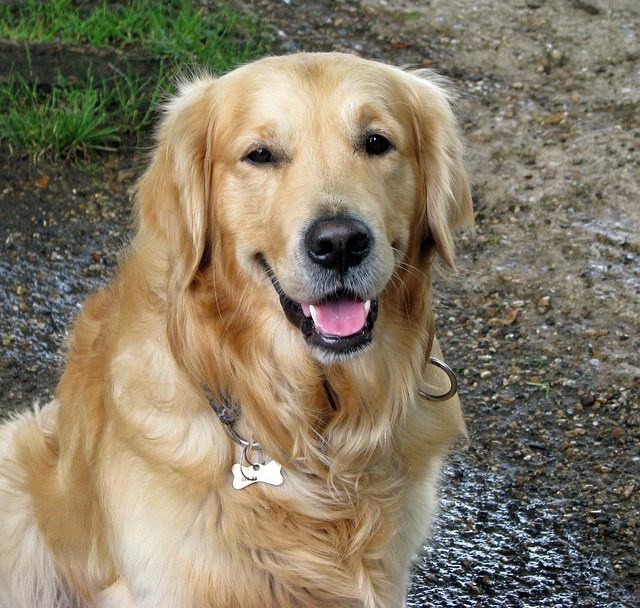
The primary reason for the significant amount of hair you find around your home is the Golden Retriever’s distinctive double coat. This coat is designed for protection and insulation, comprising two distinct layers:
The outer layer, known as the guard coat, consists of longer, coarser hairs that repel water and dirt, protecting the skin from the elements. This layer is relatively smooth and can lie flat against the body or have a slight wave. Beneath this lies the undercoat, a dense, soft, and fluffy layer of shorter hairs. This undercoat acts as a thermal regulator, keeping the dog warm in cold weather and surprisingly, helping to keep them cooler in warmer temperatures by trapping air.
This double-coat system is a marvel of natural engineering, but it means that dogs like Golden Retrievers have a substantial amount of hair to maintain. The undercoat, in particular, is the main contributor to the shedding that owners experience. It grows and sheds throughout the year to adapt to changing temperatures and to maintain its insulating properties.
According to the American Kennel Club (AKC), the double coat is a defining characteristic of the breed, contributing to their resilience and adaptability. This coat structure means that while individual hairs may not be as long as those of some other breeds, the sheer density of the undercoat leads to a significant volume of hair being shed. This is a natural process, essential for maintaining coat health and regulating body temperature.
Seasonal Shedding Patterns: Twice a Year Blowouts
While Golden Retrievers shed year-round to some extent, most owners notice two major shedding periods, often referred to as “blowouts.” These typically occur in the spring and fall. In the spring, as temperatures rise, the dog sheds its thick winter undercoat to prepare for the warmer months. This results in a noticeable increase in loose hair, often described as a “coat blowout.” Similarly, in the autumn, they shed their lighter summer coat to grow in a thicker, insulating winter coat.
These seasonal shedding events can be quite dramatic. During these periods, it’s not uncommon for owners to find piles of fur on their furniture, floors, and even in their food bowls if they’re not diligent with grooming. The volume of hair shed during these times can be significantly higher than during the rest of the year.
The intensity and timing of these seasonal sheds can be influenced by factors such as climate, genetics, and the dog’s overall health. For instance, dogs living in consistently warm climates might experience less pronounced seasonal shedding compared to those in regions with distinct winter and summer seasons. The AKC notes that while breed standards don’t dictate coat thickness, the double coat is a universal trait.
Daily Shedding and Year-Round Maintenance
Beyond the major seasonal sheds, Golden Retrievers are considered moderate to heavy shedders year-round. Individual hairs from both the guard coat and the undercoat are constantly being shed as part of the natural hair growth cycle. New hairs grow to replace the old ones, and this constant turnover means a steady stream of fur is always being released.
This daily shedding, while less dramatic than the seasonal blowouts, still contributes significantly to the amount of hair you’ll find around your house. It means that consistent grooming is essential, not just during peak shedding seasons, but throughout the entire year. Skipping regular brushing can lead to matting, especially in the undercoat, which can cause discomfort and skin issues for your dog.
What this means in practice is that owning a Golden Retriever requires a proactive approach to grooming. Daily brushing, even if just for 10-15 minutes, can make a substantial difference in controlling loose hair and maintaining the health of your dog’s coat. It also provides a great opportunity to bond with your pet and check for any skin irritations, parasites, or lumps.

Essential Grooming Tools for Heavy Shedders
To effectively manage the shedding of a Golden Retriever, investing in the right grooming tools is paramount. Several types of brushes and tools are particularly effective for their double coat:
Undercoat Rakes: These are designed with long, widely spaced teeth that can reach through the guard coat to gently remove loose undercoat hairs. They are indispensable during shedding seasons. Brands like FURminator offer popular undercoat rakes, but many other reputable pet grooming brands also provide effective options. When selecting one, look for rounded teeth to avoid irritating the dog’s skin.
Slicker Brushes: These brushes have fine, short wires set closely together on a contoured base. They are excellent for removing loose hair and preventing mats from forming in the outer coat, as well as some of the finer undercoat. A good quality slicker brush can be used for regular grooming between deeper deshedding sessions.
Bristle Brushes: While less effective for deep undercoat removal, a firm bristle brush can be useful for finishing after using other tools, smoothing the guard coat, and distributing natural oils for a healthy shine. They are also good for dogs with shorter or less dense coats.
Deshedding Tools: Tools like the aforementioned FURminator are specifically designed to reach through the topcoat and safely remove loose undercoat hair without damaging the guard hairs. Used correctly and not excessively, these tools can significantly reduce shedding. According to consumer reviews, these tools can reduce shedding by up to 90% when used as directed during shedding seasons.
Metal Combs: A sturdy metal comb with both wide and narrow teeth is useful for detangling small knots, checking for fleas, and ensuring all loose hair has been removed after brushing.
Vacuum Grooming Systems: For those who want to contain the mess, some advanced grooming tools attach to a vacuum cleaner, sucking up loose hair as you brush. While an investment, these can be a major shift for managing shedding in smaller living spaces.

Effective Grooming Techniques for Optimal Results
Simply owning the right tools isn’t enough; knowing how to use them effectively is crucial for managing Golden Retriever shedding. The goal is to remove loose hair without causing discomfort or damaging the coat or skin.
Start Young: Introduce your puppy to grooming early. Regular, positive grooming sessions from a young age will help them become accustomed to being handled and brushed, making future grooming much easier.
Brush Regularly: Aim for at least 2-3 brushing sessions per week, increasing to daily during peak shedding seasons. Brush in the direction of hair growth, ensuring your brush or rake reaches down to the skin to effectively remove undercoat. If you encounter a tangle, don’t yank; try to gently work it out with your fingers or a comb.
Use the Right Tool for the Job: During non-shedding periods, a slicker brush or a good quality bristle brush might suffice for daily maintenance. As shedding season approaches or during blowouts, an undercoat rake or a deshedding tool becomes essential. Use these more intensive tools cautiously to avoid over-grooming, which can irritate the skin.
Bathing: While not directly related to shedding frequency, regular bathing (every 4-8 weeks) can help loosen dead hair. Always use a dog-specific shampoo and conditioner. After bathing, thoroughly brush the dog once they are mostly dry to remove any hair that was dislodged by the bath. Ensure your dog is completely dry before brushing with tools like slicker brushes to prevent matting.
Professional Grooming: Consider professional grooming every 4-8 weeks, especially if you struggle with deshedding at home or if your dog develops mats. Professional groomers have specialized tools and techniques, and can often complete a thorough deshedding process efficiently. Many owners find that a professional deshedding treatment, costing between $70-$150 depending on the salon and location, can significantly reduce shedding for weeks.
What this means in practice: A consistent grooming routine, adapted to the season, is key. Patience and positive reinforcement will make grooming a more pleasant experience for both you and your dog.
Diet and Supplements for Optimal Coat Health
A dog’s diet plays a key role in the health and condition of their coat, which in turn can influence shedding. A well-balanced diet rich in essential fatty acids, proteins, vitamins, and minerals supports healthy skin and a strong, lustrous coat, potentially leading to less excessive or problematic shedding.
High-Quality Food: Ensure your Golden Retriever is fed a high-quality commercial dog food formulated for their life stage (puppy, adult, senior) and activity level. Look for foods where meat is the first ingredient and that contain beneficial fats like omega-3 and omega-6 fatty acids. Reputable brands like Purina Pro Plan, Hill’s Science Diet, and Royal Canin often provide formulations that support skin and coat health.
Omega Fatty Acids: Omega-3 and omega-6 fatty acids are crucial for maintaining skin barrier function and reducing inflammation, contributing to a healthy coat. These can be found in fish oil, flaxseed oil, and certain plant-based oils. Many veterinarians recommend adding a fish oil supplement to a dog’s diet, especially if their kibble is lacking in these essential fats. According to the Veterinary Information Network (VIN) (2025), studies indicate that supplementation with omega-3 fatty acids can improve skin hydration and reduce pruritus (itching) in dogs with certain skin conditions, which can indirectly affect shedding.
Vitamins and Minerals: Biotin, Vitamin E, Zinc, and Copper are all important for coat health. Ensure your dog’s food provides these nutrients. If you are considering supplements, always consult with your veterinarian first. They can assess your dog’s diet and recommend appropriate supplements, if needed, to avoid imbalances.
Hydration: Adequate water intake is also vital for overall health, including skin and coat condition. Ensure your dog always has access to fresh, clean water.

When to Worry: Signs of Underlying Health Issues
While Golden Retrievers are naturally heavy shedders, there are instances when excessive shedding can signal an underlying health problem. It’s important to distinguish normal shedding from abnormal hair loss.
Sudden Increase in Shedding: A rapid, dramatic increase in hair loss that isn’t tied to the usual seasonal blowouts could indicate a problem. This might include bald patches or thinning fur.
Skin Irritations: If the shedding is accompanied by redness, itching, scabs, sores, rashes, or a foul odor, it’s a clear sign of a skin condition. This could be due to allergies (food or environmental), infections (bacterial or fungal), or parasites like fleas, mites, or ticks. According to the American Veterinary Medical Association (AVMA) (2024), skin conditions are among the most common reasons for veterinary visits in dogs, and hair loss is a frequent symptom.
Changes in Coat Texture: A normally soft coat becoming greasy, brittle, or dull, or the development of persistent mats that are difficult to manage, can also point to health issues.
Behavioral Changes: Excessive licking, scratching, or restlessness associated with skin irritation can accompany abnormal shedding.
Other Symptoms: Lethargy, changes in appetite or thirst, vomiting, or diarrhea alongside shedding warrant immediate veterinary attention.
Potential Causes: Health-related causes for excessive shedding include allergies, hormonal imbalances (like hypothyroidism or Cushing’s disease), autoimmune disorders, cancer, stress, or adverse reactions to medications. If you notice any of these warning signs, it’s crucial to consult your veterinarian. They can perform diagnostic tests, such as blood work or skin scrapings, to determine the cause and recommend appropriate treatment.
Managing Dog Hair in the Home
Living with a Golden Retriever means accepting that some level of dog hair in the home is inevitable. However, with a few strategic approaches, you can significantly minimize its impact.
Regular Vacuuming: A high-quality vacuum cleaner designed for pet hair is essential. Vacuum carpets, rugs, and upholstery at least 2-3 times a week, or more frequently during shedding seasons. Look for vacuums with strong suction and good filtration systems (like HEPA filters) to capture fine hairs and dander.
Furniture Covers and Throws: Use washable covers or throws on your dog’s favorite spots on the sofa or chairs. This protects your furniture and makes cleaning much easier – simply toss them in the wash.
Lint Rollers and Brushes: Keep lint rollers handy for quick clean-ups on clothing and furniture. Specialized pet hair removal brushes or gloves can also be very effective for removing hair from fabric surfaces.
Air Purifiers: A good air purifier with a HEPA filter can help capture airborne pet dander and hair, improving air quality and reducing the amount of dust and fur that settles on surfaces.
Cleaning Tools: Rubber brooms or squeegees are surprisingly effective at gathering pet hair from hard floors and carpets, as they create static electricity that clumps the hair for easy pickup.
Strategic Placement: Consider where your dog spends most of their time. If they have a favorite napping spot, make sure it’s easily cleanable or covered. Placing washable mats or beds in these areas can help contain shed hair.
What this means in practice: A consistent cleaning routine is more effective than sporadic deep cleans. Integrating quick daily clean-ups can prevent hair from accumulating to overwhelming levels.
Common Mistakes Owners Make with Golden Retriever Shedding
Despite the best intentions, some common missteps can exacerbate shedding issues or negatively impact a Golden Retriever’s coat health.
Infrequent Grooming: The most common mistake is not brushing often enough. Skipping regular grooming allows loose undercoat to build up, leading to more shedding around the house and potential matting. This is especially true during seasonal blowouts.
Over-Grooming or Using Incorrect Tools: While frequent brushing is good, overdoing it with harsh tools or tools not suited for a double coat can strip natural oils, irritate the skin, and even damage the coat. For example, using a standard human hairbrush on a thick double coat is ineffective and can be frustrating.
Neglecting the Undercoat: Many owners focus on the top guard coat and forget about the dense undercoat. If the undercoat isn’t regularly removed, it can become compacted, leading to overheating in summer and increased shedding later.
Skipping Vet Check-ups: Failing to consult a veterinarian when shedding seems excessive or is accompanied by skin issues is a significant mistake. Owners might attribute abnormal hair loss to normal shedding, delaying crucial treatment for underlying conditions.
Using Harsh Shampoos or Human Products: Dog skin has a different pH balance than human skin. Using human shampoos or harsh chemicals not designed for dogs can dry out their skin, cause irritation, and lead to more shedding.
Lack of Consistency: Treating grooming as an occasional chore rather than a consistent part of pet care leads to recurring problems. The benefits of grooming are cumulative.
Frequently Asked Questions About Golden Retriever Shedding
Why is my Golden Retriever shedding so much right now?
As of May 2026, the most common reasons for increased Golden Retriever shedding are seasonal changes, typically in spring and fall, when they shed their winter or summer coats. However, factors like diet, stress, hormonal changes, or underlying health issues can also cause excessive shedding.
How can I stop my Golden Retriever from shedding so much?
You can’t entirely stop a Golden Retriever from shedding, as it’s a natural process. However, you can significantly manage it through regular, thorough brushing with appropriate tools, a high-quality diet, regular baths, and by ensuring they are healthy. Professional grooming can also help.
When do Golden Retrievers shed the most?
Golden Retrievers typically experience their heaviest shedding periods, or “coat blowouts,” twice a year: in the spring (to shed their thick winter coat) and in the fall (to grow in a thicker winter coat). These periods can last several weeks.
Is there a hypoallergenic Golden Retriever?
No, there’s no such thing as a hypoallergenic Golden Retriever. All Golden Retrievers have double coats and shed. While some individual dogs might shed slightly less than others, they are not considered suitable for people with severe dog allergies.
How often should I brush my Golden Retriever?
Ideally, brush your Golden Retriever 3-4 times a week for maintenance. During peak shedding seasons (spring and fall), daily brushing is highly recommended to manage the significant increase in loose fur.
What is the best brush for a Golden Retriever’s shedding?
The best brushes for Golden Retrievers include an undercoat rake for removing loose undercoat, a slicker brush for general grooming and preventing mats, and a metal comb for checking for tangles and fleas. A deshedding tool, used cautiously, can also be very effective.
Can diet affect my Golden Retriever’s shedding?
Yes, diet can significantly impact coat health and shedding. A diet rich in omega fatty acids, proteins, vitamins, and minerals supports a healthy coat, potentially reducing excessive or unhealthy shedding. Poor nutrition can lead to a dull coat and increased hair loss.
Last reviewed: May 2026. Information current as of publication; pricing and product details may change.
Source: Britannica
Editorial Note: This article was researched and written by the Pet Magazine editorial team. We fact-check our content and update it regularly. For questions or corrections, contact us. Knowing how to address golden retriever shedding early makes the rest of your plan easier to keep on track.
Related read: The Best Dog Care Products for 2026: Essential Picks.




About The Author