


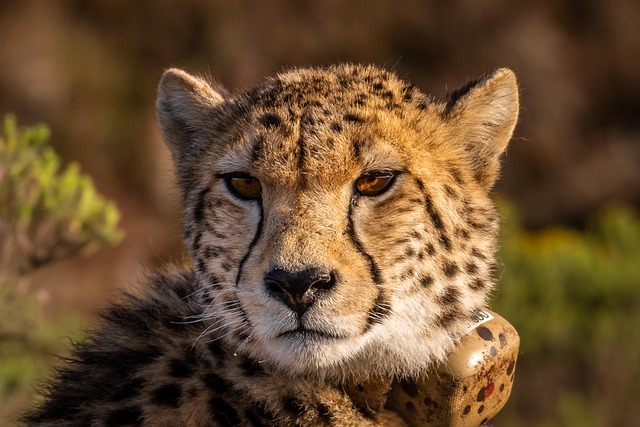
distinctive spotted coat and muscular build” width=”640″ height=”
The appeal lies in their unique beauty, often captivating patterns, and sometimes even their larger size or distinct personalities. They offer a connection to the wild, a sense of owning something rare and special, without the inherent challenges and ethical concerns of keeping truly wild felines. This guide aims to shed light on these fascinating creatures and what it truly means to welcome one into your life as of 2026.
Last updated: July 24, 2026
Why the Fascination? The Allure of Exotic House Cats
The pull towards exotic house cats is complex, stemming from a deep human appreciation for nature’s diversity and a desire for unique companionship. These breeds often boast striking physical characteristics – think the spotted coat of a Bengal, the tall, slender build of a Savannah, or the wild mane-like ruff of a Maine Coon (though typically considered domestic, its size and appearance lend it an exotic air). This visual drama captivates many.
Beyond aesthetics, some owners are drawn to the idea of a pet that feels a bit more adventurous or untamed, even within a domestic context. Breeds like the Savannah, a hybrid of the domestic cat and the African Serval, offer a more energetic and inquisitive temperament that appeals to those seeking a highly interactive pet. They often exhibit behaviors more akin to dogs, such as enjoying walks on a leash or playing fetch.
The rarity and exclusivity associated with some exotic breeds also play a role. Owning a cat that few others have can be a status symbol for some, but for many, it’s simply about appreciating a less common, exceptionally beautiful creature. The trend towards embracing unique and unconventional pets, amplified by social media showcasing these magnificent animals, continues to fuel interest.
It’s also about the perceived connection to wild ancestors. The rosettes, marbling, and bold patterns on breeds like the Bengal can evoke images of jungle cats, offering owners a daily reminder of the wild world. This fascination, however, must be tempered with a realistic understanding of the responsibilities involved, which we’ll explore thoroughly.
Popular Exotic House Cat Breeds to consider in 2026
As of June 2026, several exotic house cat breeds have captured the hearts of enthusiasts worldwide. These breeds, while diverse, share a common thread of striking appearance and a domesticated lineage, making them viable companions for the right homes.
Bengal Cats
Perhaps one of the most recognizable exotic breeds, the Bengal cat is a hybrid of the Asian Leopard Cat and domestic cats. They are known for their stunning, spotted or marbled coats that mimic wild leopards. Bengals are highly intelligent, active, and curious cats that often enjoy playing in water and can be trained to perform tricks.
Savannah Cats
A cross between a domestic cat and the African Serval, Savannah cats are prized for their tall, slender bodies, large ears, and spotted coats. Their personality is often described as dog-like, with a high degree of intelligence and energy. Early generations (F1, F2) are more ‘wild’ and require experienced owners, while later generations (F4, F5 onwards) are generally more domesticated and manageable for a wider audience.
Chausie Cats
Originating from crosses between domestic cats and the Jungle Cat (Felis chaus), Chausies are known for their large size, ticked coats, and tufted ears. They are athletic, curious, and can be quite vocal. These cats often have a playful demeanor and can bond very closely with their families.
Egyptian Mau
While not a hybrid, the Egyptian Mau is the only naturally spotted domestic cat breed. Its distinctive, naturally occurring spots, along with its speed and elegance, give it an exotic appeal. They are intelligent, loyal, and can be somewhat reserved with strangers, making them a fascinating choice for a home environment.
Oriental Shorthair
Though visually quite different from the spotted breeds, the Oriental Shorthair‘s slender, elegant build, large ears, and wide range of unique coat colors and patterns can give it an exotic, almost alien, appearance. They are known for being social, intelligent, and very communicative cats.
Pixie-bob
The Pixie-bob is recognized for its bobbed tail, tufted ears, and muscular build, often resembling a miniature bobcat. While they have a wild appearance, they are known for their devoted and sociable nature, often described as “dog-like” in their affection and desire to be part of family activities.
When considering these breeds, it’s important to research each one thoroughly. Factors like energy levels, grooming needs, vocalization, and potential health predispositions vary significantly, impacting the suitability for different households.

Legal and Ethical Hurdles: Navigating Exotic Cat Ownership
The ownership of exotic house cats, particularly those with recent hybrid lineage like early-generation Savannahs or Bengals, is not universally permitted. As of June 2026, laws vary dramatically by country, state, and even local municipality. In the United States, for instance, the federal Animal Welfare Act doesn’t specifically regulate private ownership of most domestic hybrids, but individual states and cities often have their own bans or restrictions.
Some regions outright prohibit owning certain exotic breeds, especially those with a high percentage of wild blood (e.g., F1 or F2 Savannahs). Other areas may require special permits, licenses, and inspections, often with stringent enclosure requirements. For example, Spain has recently updated its pet laws, including regulations for exotic animals, underscoring a global trend towards tighter control over non-traditional pets.
From an ethical standpoint, responsible exotic cat ownership involves careful consideration of the animal’s welfare. This includes ensuring that the breeder is reputable and practices ethical sourcing, avoiding contributing to the exotic pet trade that can sometimes exploit animals or lead to their abandonment. It’s also about understanding that even domesticated hybrids have unique needs that must be met for them to thrive.
Before bringing any exotic house cat home, thorough research into local ordinances is non-negotiable. Many websites and local animal control agencies provide information on breed-specific regulations. Failure to comply can result in hefty fines, confiscation of the animal, and legal penalties. For example, according to the Humane Society of the United States, many states have laws that restrict or ban ownership of animals that are considered dangerous, which can sometimes include certain exotic cat breeds.
Practically speaking, if you are in a location with strict regulations, even a breed like the Bengal, which is generally more accepted, might face scrutiny or breed-specific limitations in certain jurisdictions. Always verify with your local authorities or consult a legal professional specializing in animal law. The cost of obtaining permits can also be significant, sometimes ranging from $100 to over $500 annually, depending on the location and the specific breed.

Health Concerns and Specialized Veterinary Needs
Exotic house cats, particularly hybrid breeds, can sometimes present unique health considerations that differ from those of common domestic cats. While many share the general good health of their domestic ancestors, their specific lineage may predispose them to certain conditions or require specialized veterinary care.
For instance, breeds with significant wild ancestry may have different nutritional requirements. While a high-quality commercial cat food is often sufficient, some owners of early-generation Savannahs or Bengals might consult with their veterinarian or a feline nutritionist about supplementing their diet, especially regarding taurine levels or specific protein sources. According to the American Veterinary Medical Association (AVMA) (2025), ensuring adequate taurine intake is critical for feline heart health and vision, and while typically found in commercial cat foods, individual breed needs can vary.
Another consideration is their immune system. Hybrids might have different immune responses compared to pure domestic cats, potentially making them more susceptible to certain diseases or less responsive to standard vaccinations. It’s vital to find a veterinarian experienced with exotic or hybrid breeds. These vets can advise on appropriate vaccination schedules and recognize subtle signs of illness that might be missed by a general practitioner.
Dental health is another area where specialized attention might be needed. Some larger breeds or those with unusual jaw structures may be more prone to dental issues. Regular dental check-ups, professional cleanings, and at-home care become even more critical. The cost of specialized veterinary care can also be higher, with initial consultations sometimes ranging from $150 to $300, and specialized treatments potentially costing thousands.
And, the reproductive health of hybrid cats can be complex. For example, male hybrids from early generations might be sterile, while female hybrids can sometimes carry pregnancies to term. Understanding the reproductive biology specific to the breed you are considering is essential for responsible ownership and preventing unwanted litters. Consulting with breeders and veterinarians who specialize in these breeds is crucial for navigating these health aspects effectively.
Creating the Ideal Living Environment for Your Exotic Cat
Exotic house cats, with their often higher energy levels and intelligence, require more than just a cozy bed and a food bowl. Creating an enriching environment that caters to their instincts is paramount for their physical and mental well-being. As of 2026, the understanding of these needs has grown significantly among breeders and enthusiasts.
Vertical space is crucial. These cats often love to climb and survey their territory from high vantage points. Think multi-level cat trees, sturdy shelving units, or even cat-friendly window perches. For breeds like the Savannah or Chausie, ample vertical territory can significantly reduce stress and boredom. A good cat tree can cost between $100 to $400, depending on size and complexity.
Stimulation is key to preventing destructive behaviors or anxiety. Puzzle feeders, interactive toys, and regular play sessions are essential. Many exotic breeds thrive on engagement and can learn to enjoy activities like fetch or even walking on a harness and leash. Providing a variety of textures and safe spaces for hiding is also important. Consider cat-safe plants, scratching posts of different materials (sisal, cardboard, carpet), and quiet nooks for napping.
For breeds with a strong hunting instinct, like Bengals, it can be beneficial to provide outlets for this behavior. This might include “hunting” for their kibble scattered around the house or engaging with toys that mimic prey. Safety is also a primary concern; ensuring windows and doors are secure is vital, especially for cats prone to wandering or with a strong desire to explore the outdoors.
If outdoor access is desired, a secure “catios” (cat patios) or a fully enclosed, safe outdoor space is highly recommended. Exotic house cats allows them to experience the outdoors without the risks associated with free-roaming, such as encounters with wildlife, traffic, or disease. Some specialized catios can cost anywhere from $500 to $2,000 or more, depending on size and customization.
Essentially, an exotic cat’s environment should be an engaging, safe, and stimulating “jungle gym” that allows them to express their natural behaviors. Neglecting these environmental needs can lead to frustration, behavioral issues, and unhappiness for both the cat and the owner.
Daily Care, Diet, and Training for Exotic House Cats
Caring for an exotic house cat involves much of the same daily routine as caring for a domestic cat, but with a few crucial distinctions. Their unique needs, particularly regarding diet and mental stimulation, require attentive owners.
Diet: Most well-established exotic cat breeds, like Bengals and later-generation Savannahs, can thrive on a high-quality commercial cat food. Look for foods with high protein content, ideally from meat sources. Some owners opt for raw or partially raw diets, but this requires careful planning to ensure nutritional completeness and safety, given the risk of bacterial contamination. Consulting with a veterinarian is highly recommended before making drastic dietary changes. For instance, a premium dry food might cost around $40-$70 per month, while a well-balanced raw diet could be closer to $80-$150 per month.
Grooming: Most exotic breeds have short coats that require minimal grooming. Regular brushing, perhaps once or twice a week, helps reduce shedding and keeps their coat healthy. Nail trims are also essential, typically needed every 2-4 weeks. For breeds with longer or more complex coats, more frequent grooming might be necessary.
Training: This is where many exotic cats shine. Their intelligence means they are often highly trainable. Clicker training can be very effective for teaching tricks, recall, and even leash manners. Early socialization and consistent positive reinforcement are key. Introducing them to a harness and leash from a young age can open up opportunities for safe outdoor exploration. For example, teaching a cat to reliably walk on a leash can take several weeks to months of consistent, short training sessions.
Litter Box: While most cats are naturally fastidious, some exotic breeds might be more particular about their litter box. Ensuring it’s clean, appropriately sized, and in a quiet location is important. Some owners find that larger litter boxes or even automatic, self-cleaning litter boxes (which can cost $299 to $699) are preferred by these more discerning felines.
Socialization: Early and consistent socialization is vital, especially for breeds that can be reserved or wary of strangers. Exposing them to various people, sounds, and experiences from a young age can help them grow into well-adjusted adults. This proactive approach can prevent many behavioral issues later on.
How to Choose Your Exotic Companion
Selecting the right exotic house cat is a significant decision, demanding careful consideration of your lifestyle, home environment, and experience level. It’s not a choice to be made lightly.
Assess Your Lifestyle and Experience
Are you an active person who enjoys engaging with pets, or do you prefer a more laid-back companion? Some exotic breeds, like high-generation Savannahs or Bengals, have exceptionally high energy levels and require a lot of interaction and stimulation. If you travel frequently or work long hours, a less demanding breed or ensuring you have adequate pet-sitting arrangements is crucial. First-time cat owners might find breeds like the Egyptian Mau or later-generation Bengals more manageable than F1/F2 Savannahs.
Research Specific Breeds Thoroughly
Each exotic breed has unique characteristics. Understand their typical temperament, energy levels, grooming needs, vocalizations, and potential health issues. For example, while a Bengal might be playful and water-loving, a Pixie-bob is known for being more of a homebody, happy to be with its family.
Understand Generation Differences (for Hybrids)
For hybrid breeds like the Savannah or Bengal, the “generation” (F1, F2, F3, etc.) refers to how many generations removed they are from their wild ancestor. F1 and F2 cats are much closer to their wild relatives, often larger, more energetic, and can have more complex needs, including stricter legal requirements. Later generations (F3, F4, F5, and beyond) are generally more domesticated and easier to integrate into a typical household.
Find a Reputable Breeder
This is perhaps the most critical step. A reputable breeder will be knowledgeable, transparent, and prioritize the health and temperament of their cats. They should be able to provide health clearances for the parent cats, offer a health guarantee, and allow you to meet the kitten’s parents. Be wary of breeders who can’t provide documentation, seem evasive, or push for a quick sale. Prices for exotic breeds can range significantly, with Bengals often starting around $1,500-$3,000 and Savannahs (especially earlier generations) potentially costing $5,000-$10,000 or even more.
Consider Adoption
While finding purebred exotic cats in shelters can be rare, breed-specific rescue organizations often have these unique felines available for adoption. Adopting can be a rewarding way to give a home to a cat in need, and rescue organizations can provide valuable insights into the cat’s personality and history.
Prepare Your Home
Once you’ve chosen a breed, prepare your home to meet its specific needs. This means providing adequate space, enrichment, safe climbing areas, and ensuring all legal requirements are met.
Choosing an exotic house cat should be a decision based on a deep understanding of the breed and a commitment to providing a suitable, enriching environment for their entire lives.
Common Mistakes to Avoid When Owning Exotic House Cats
The allure of exotic house cats can sometimes lead prospective owners to overlook critical aspects of their care and suitability. Avoiding common pitfalls is essential for a harmonious relationship.
Mistake 1: Underestimating Energy and Intelligence
Many exotic breeds are highly energetic and intelligent, far surpassing the needs of a typical domestic cat. Owners may fail to provide enough stimulation, leading to boredom, destructive behaviors (like scratching furniture or excessive vocalization), and anxiety. A common consequence is a cat that seems “too much” to handle.
Solution: Dedicate significant daily time for interactive play and provide a stimulating environment with plenty of vertical space, puzzle toys, and opportunities for exploration. Consider breeds known for lower energy if your lifestyle is less active.
Mistake 2: Ignoring Legal Restrictions
As discussed, laws surrounding exotic cat ownership vary wildly. Some owners assume that because a breed is “domesticated” or available for sale, it’s legal everywhere. This can lead to legal trouble, including fines or confiscation of the pet.
Solution: Always conduct thorough legal research for your specific city, county, and state before acquiring an exotic breed. Verify with local animal control or government agencies.
Mistake 3: Choosing a Hybrid Without Understanding Generations
For breeds like Savannahs, the difference between an F1 and an F5 generation is immense. Owners might be attracted to the “wilder” look of an F1 but be unprepared for its intense needs, size, and potential behavioral quirks, which can be significantly more challenging than later generations.
Solution: Understand that early generations (F1-F3) are closer to wild cats and require more experienced owners, specialized care, and potentially stricter legal compliance. Later generations are typically more suitable for average pet homes.
Mistake 4: Relying on Generic Cat Care Advice
While basic cat care principles apply, exotic breeds may have specific dietary needs, health predispositions, or behavioral patterns that differ from common domestic cats. Generic advice might be insufficient or even detrimental.
Solution: Seek out resources, breeders, and veterinarians specializing in the specific exotic breed you are interested in. Join breed-specific online communities to learn from experienced owners.
Mistake 5: Sourcing from Unreputable Breeders
The demand for exotic cats can attract unscrupulous breeders who prioritize profit over animal welfare. This can lead to cats with health problems, poor socialization, and genetic issues.
Solution: Thoroughly vet any breeder. Look for transparency, health clearances for parent animals, and a willingness to answer all your questions. Avoid breeders who sell “designer” cats without clear lineage or health testing.
Expert Insights and Future Trends in Exotic Cat Ownership
As of June 2026, the world of exotic house cat ownership is continually evolving. Experts note a growing trend towards responsible breeding practices and increased public awareness regarding the specific needs of these unique felines.
Dr. Emily Carter, a feline behaviorist specializing in exotic breeds, notes, “We’re seeing a shift from simply admiring the ‘wild look’ to a more informed appreciation of the breed’s heritage and requirements. This is leading to better matches between cats and owners, and ultimately, healthier, happier lives for these animals.” Organizations like the Cat echos this sentiment Fanciers’ Association (CFA), which, while not fully recognizing all hybrid breeds due to ongoing development, acknowledges the distinctiveness and growing popularity of many.
One significant trend is the increasing focus on early-generation hybrid welfare. As awareness grows about the complexities of F1 and F2 cats, more responsible breeders are focusing on later generations that are more adaptable to domestic life while still retaining desirable exotic traits. This approach aims to make exotic cat ownership accessible to more people without compromising animal well-being.
And, advancements in veterinary science and genetics are providing deeper insights into the health profiles of exotic breeds. Exotic house cats allows for more targeted preventative care and better management of potential breed-specific conditions. According to a 2026 report by the International Veterinary Congress, research into the genetic predispositions of hybrid cat breeds is expanding, aiming to improve longevity and quality of life.
Looking ahead, we can anticipate continued refinement of existing breeds and potentially the emergence of new ones. The ethical debate surrounding hybrid breeding will likely persist, but the focus will remain on ensuring that any new developments prioritize the health, temperament, and welfare of the animals. The trend toward “designer” cats, while sometimes controversial, also fuels innovation in breed standards and owner education. Many expect to see a rise in breeds that offer unique colorations or patterns, alongside those that mimic larger wild cats.
Legally, expect continued scrutiny. As more exotic breeds become popular, governments and animal welfare organizations will likely push for clearer regulations and potentially stricter controls in some areas, aiming to protect both the animals and public safety. This means potential owners must stay informed about evolving laws.
Frequently Asked Questions
What is the difference between an exotic cat and a wild cat?
An exotic cat is a domestic cat breed with characteristics that resemble wild cats, often due to hybrid ancestry. Wild cats are undomesticated species living in their natural habitats and are not suitable as pets.
Are exotic house cats illegal to own?
Legality varies by location. Some exotic breeds, especially early-generation hybrids, may be restricted or banned in certain states, cities, or countries due to their closer ties to wild animals.
What is the most popular exotic house cat breed?
The Bengal cat is consistently one of the most popular exotic house cat breeds, known for its stunning spotted coat and energetic, intelligent personality. It’s widely accepted as a domestic breed.
Do exotic house cats require special diets?
While many thrive on high-quality commercial cat food, some exotic breeds, particularly hybrids, may benefit from specialized diets or supplements. Always consult with a veterinarian experienced in exotic breeds.
Are exotic house cats good with children and other pets?
Temperament varies greatly by breed and individual cat. Early socialization is crucial. Some breeds are naturally more tolerant and adaptable, while others may be reserved or require careful introductions to children and other pets.
What is the average lifespan of an exotic house cat?
Exotic house cats generally have a lifespan similar to domestic cats, typically ranging from 12 to 18 years, with some living into their early twenties. Lifespan depends on breed, genetics, diet, and overall care.
How much does an exotic house cat typically cost?
Costs vary significantly. Common breeds like Bengals might range from $1,500 to $3,000, while more exotic or early-generation hybrids like Savannahs can cost $5,000 to $10,000 or more. Adoption fees from rescues are considerably lower.
Information current as of June 2026; pricing and product details may change.
Editorial Note: This article was researched and written by the Pet Magazine editorial team. We fact-check our content and update it regularly. For questions or corrections, contact us. Knowing how to address exotic house cats early makes the rest of your plan easier to keep on track.
Related read: Friskies Canned Cat Food: A 2026 Guide to Choices & Common Pitfalls.




About The Author