

How to care for a dog in heat: Navigating Your Dog's Heat Cycle in 2026
Caring for a dog in heat is a natural part of responsible pet ownership for intact female dogs. As of June 2026, understanding this reproductive phase, its duration, and the necessary precautions is crucial for your dog’s well-being and for maintaining household harmony. This guide provides complete advice on what to expect and how to best support your canine companion through her estrous cycle.
Last updated: June 11, 2026
For anyone working through this question, the primary concern is often managing the physical and behavioral changes that accompany a dog’s heat cycle. It’s a time when instinct takes over, potentially leading to stress for both the dog and her owner if not properly managed. Thankfully, with the right knowledge and preparation, you can ensure this phase is as comfortable and safe as possible.
Key Takeaways
- A dog’s heat cycle typically lasts 2 to 4 weeks, occurring roughly every six months.
- Key symptoms include vaginal discharge, increased urination, and behavioral changes like restlessness or clinginess.
- Preventing unwanted pregnancies is paramount, requiring strict containment and vigilance.
- Maintaining hygiene with doggy diapers and regular cleaning can manage discharge.
- Consult your veterinarian for advice on managing discomfort or behavioral issues.
Understanding the Heat Cycle: What’s Happening?
A female dog’s reproductive cycle, known as the estrous cycle or heat, is when she is fertile and receptive to mating. Hormonal fluctuations drives this phase, primarily estrogen and progesterone. Understanding the typical timeline and stages is the first step in effective care. The cycle is generally divided into four stages: proestrous, estrous, diestrous, and anestrous. As of 2026, veterinary texts consistently outline these stages, with proestrous and estrous being the most outwardly noticeable for owners.
Proestrous is the preparatory phase, often marked by a swollen vulva and a bloody discharge. During this period, the female may attract males but is not yet receptive to mating. Estrous is the fertile period, where the discharge may lighten in color or become less noticeable, and the female is willing to mate. Diestrous follows, characterized by pregnancy or a return to normal hormonal levels. Finally, anestrous is the resting phase, during which the reproductive organs are inactive.
Timeline and Duration: How Long Does It Last?
For most intact female dogs, the heat cycle occurs approximately every six months, though this can vary. The entire cycle can last anywhere from 2 to 4 weeks. The most fertile period, estrus, typically spans about 9 days, but this can also fluctuate.
First-time heat cycles, often occurring between 6 to 12 months of age depending on breed and size, can be less predictable. Larger breeds may experience their first heat later than smaller breeds. According to the American Kennel Club’s general guidelines, understanding these variations helps owners anticipate and prepare. It’s essential to note that while some dogs exhibit very obvious signs, others may have subtler symptoms, making vigilance key throughout the entire 2-4 week period.
Common Symptoms to Watch For
Recognizing the signs of a dog in heat is vital for proper management. The most apparent symptom is often a bloody or straw-colored vaginal discharge. You might also notice your dog licking her vulva more frequently. Swelling of the vulva is another common indicator.
Behaviorally, dogs in heat can become more restless, vocal, or clingy. They may also exhibit increased urination to mark their territory, which is a significant factor in attracting male dogs. Some dogs may also experience a loss of appetite or mood swings. These hormonal shifts are natural, but they do require owner attention to ensure comfort and safety.
A crucial behavioral change is increased interest in male dogs or a sudden desire to escape the home. This instinct to seek out a mate is powerful, making secure containment a top priority.
Managing Behavioral Changes and Restlessness
Hormonal surges can lead to significant behavioral shifts. Your usually calm dog might become anxious, easily agitated, or more affectionate than usual. Some dogs may become withdrawn, while others become overly energetic and exploratory.
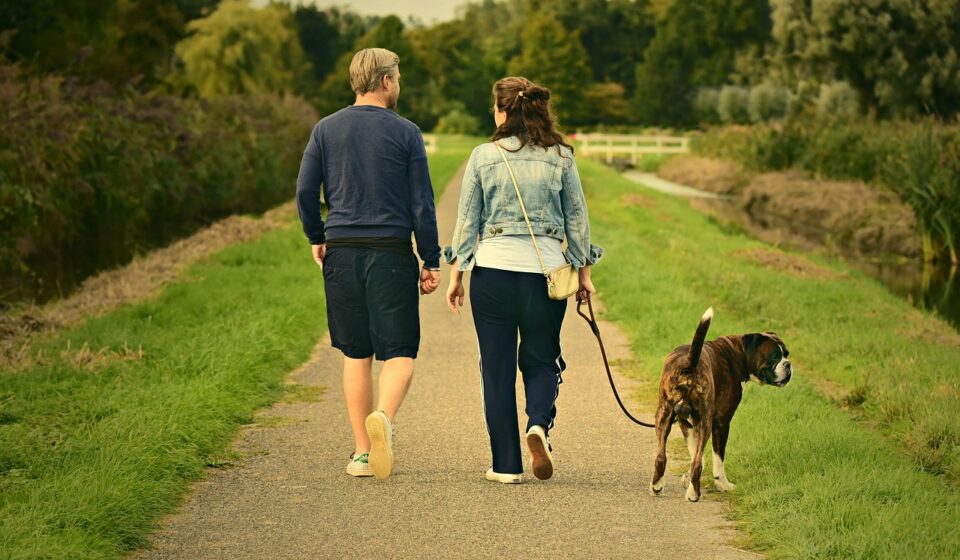
To manage this, maintain a consistent routine as much as possible. Extra exercise and mental stimulation, such as puzzle toys or short training sessions, can help redirect energy and reduce restlessness. However, it’s crucial to avoid dog parks or other areas where intact male dogs may be present, as your dog’s scent can attract them from miles away. Keeping your dog on a leash during walks is non-negotiable during this time.
From a different angle, owners should also be aware that female dogs in heat can sometimes display aggression, particularly towards other female dogs, due to hormonal competition. Providing a calm, predictable environment is the best approach.
Hygiene and Comfort Tips for Discharge
Vaginal discharge is a normal part of the heat cycle, and managing it effectively is key to keeping your dog and your home clean. Doggy diapers or “heat pants” are highly recommended. These garments are designed to contain the discharge, preventing it from soiling furniture and floors. They should be changed regularly, typically every 3–4 hours, and immediately after they become soiled, to prevent skin irritation or infection.
Regularly cleaning your dog’s rear area with pet-safe wipes can also help maintain hygiene. Be gentle, as the area may be sensitive. For soiled bedding or furniture, use an enzymatic cleaner to thoroughly remove any odors, as residual scent can continue to attract male dogs. As of June 2026, a variety of washable and disposable doggy diapers are readily available from pet retailers, offering practical solutions for owners.
A potential drawback to using diapers is the risk of skin irritation if they are not changed frequently or if the dog has sensitive skin. Always ensure the diaper fits well and doesn’t chafe.
Preventing Unwanted Pregnancies: The Top Priority
The primary goal when caring for a dog in heat is to prevent accidental mating and subsequent pregnancy. This requires constant vigilance, especially during the estrus phase when your dog is fertile. Keep your female dog strictly indoors and supervised at all times. Ensure all doors and windows are securely closed.
If you have an intact male dog in the household, separation is absolutely essential. Even a brief moment of unsupervised contact can result in pregnancy. Consider using a sturdy crate or confining them to separate areas of the house. According to the ASPCA, even well-trained male dogs have a powerful instinct to seek out a female in heat, making prevention the only reliable strategy. Spaying your female dog is the most effective long-term solution to prevent heat cycles and unwanted litters.
The cost of spaying can range from approximately $50 to $300 depending on the dog’s size, age, and geographic location, as well as the veterinary clinic’s pricing. While this is an upfront cost, it eliminates the challenges of managing heat cycles and prevents potential health issues like pyometra later in life.
When to Consult Your Veterinarian
While caring for a dog in heat is often manageable at home, there are times when veterinary consultation is necessary. If you notice excessive bleeding, lethargy, loss of appetite, or signs of extreme discomfort, contact your veterinarian immediately. These could indicate a more serious health issue, such as pyometra (a uterine infection), which requires urgent medical attention.
Your veterinarian can also offer advice on managing behavioral issues, discuss the pros and cons of spaying, and provide guidance on any potential health risks associated with heat cycles. They may also recommend specific products or medications to help alleviate discomfort or anxiety, although these are generally not necessary for routine heat management. Spaying, typically performed after the heat cycle has concluded, is the most recommended surgical option to address reproductive health and prevent future heat cycles.
Frequently Asked Questions About Dog Heat Care
When do dogs typically go into heat for the first time?
Most female dogs experience their first heat cycle between 6 and 12 months of age. This can vary based on breed size, with smaller breeds often reaching sexual maturity earlier than larger breeds.
How long does a dog stay in heat?
A dog’s heat cycle, or estrus, typically lasts between 2 to 4 weeks. The most fertile period, estrus, is usually shorter, around 9 days within that window.
Can I bathe my dog when she is in heat?
Yes, you can bathe your dog when she is in heat. It can help with hygiene and comfort, but be gentle. Ensure you use dog-specific shampoos and rinse thoroughly to avoid skin irritation.
What should I do if my dog in heat is trying to escape?
If your dog is trying to escape, it’s a sign her instincts are strong. Ensure all doors, gates, and windows are securely closed. Keep her on a leash at all times when outdoors and consider using a secure crate or separate room for added safety.
How to stop a dog from bleeding in heat?
You can’t stop the bleeding entirely, as it’s a natural part of the heat cycle. However, you can manage it effectively with doggy diapers or heat pants, which collect the discharge and keep your home clean.
What are the signs that my dog’s heat cycle is ending?
Signs that a dog’s heat cycle is ending include a reduction in vulvar swelling, a lighter or clear discharge (or no discharge), and a decreased interest in mating or being attracted by males.
Conclusion: Ensuring a Smooth Heat Cycle
Caring for a dog in heat in 2026 involves a combination of vigilance, hygiene, and understanding. By recognizing the signs, managing behavioral changes, maintaining cleanliness, and prioritizing prevention of unwanted pregnancies, you can navigate this natural reproductive phase with confidence. Regular veterinary check-ups remain essential for overall health and to discuss long-term reproductive health options like spaying.
The most actionable takeaway for owners is to proactively prepare for your dog’s heat cycle by stocking up on doggy diapers and ensuring your home and yard are secure well before signs appear. This foresight will make the process much smoother for both you and your beloved companion.
Information current as of June 2026; pricing and product details may change.
Editorial Note: This article was researched and written by the Pet Magazine editorial team. We fact-check our content and update it regularly. For questions or corrections, contact us. For readers asking “How to care for a dog in heat”, the answer comes down to the specific factors covered above.




About The Author