
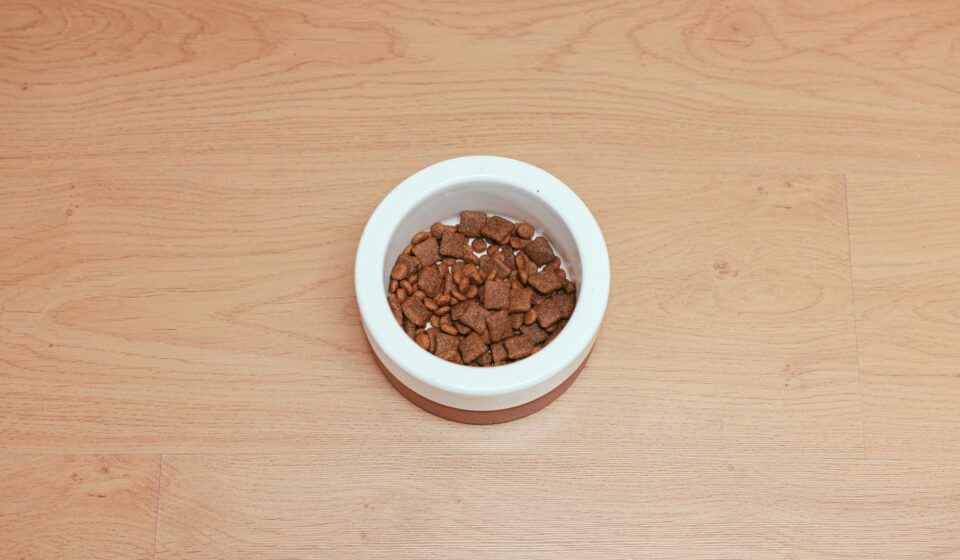

For any devoted dog parent, the question of what to put in their furry friend’s bowl is a significant one. As of May 2026, the debate between homemade dog food and commercial kibble continues to evolve, with new research and evolving consumer preferences.
While the convenience and perceived completeness of commercial kibble have long made it the default choice, a growing number of owners are exploring the world of homemade diets. Let’s break down the homemade dog food vs. Commercial kibble debate for 2026.
Last updated: May 6, 2026
Key Takeaways
- Homemade dog food offers unparalleled control over ingredients but requires meticulous balancing to prevent nutritional deficiencies.
- Commercial kibble is convenient and generally well-balanced, though ingredient quality can vary significantly between brands.
- As of 2026, the cost of a high-quality homemade diet can exceed that of premium kibble, especially for smaller dogs.
- Consulting a veterinary nutritionist is crucial for anyone considering a homemade diet to ensure a complete and balanced meal plan.
- The choice often comes down to owner commitment, budget, and the individual dog’s specific health needs.
The Allure of Homemade: What’s Driving the Trend?
Many owners turn to homemade dog food seeking greater transparency and control. They want to know exactly what their dog is eating, avoiding artificial preservatives, fillers, and mystery ingredients that can sometimes be found in commercial products. This desire for quality ingredients is a significant driver, especially as awareness of pet food recalls and ingredient sourcing grows.
From a different angle, some owners feel their dogs have specific dietary sensitivities or health issues that commercial foods don’t adequately address. Whether it’s allergies, digestive problems, or conditions requiring a specialized diet, a homemade approach can offer tailored solutions. However, achieving that perfect balance is where the complexity lies.
Commercial Kibble: The Convenient Classic
Commercial kibble has been the cornerstone of dog nutrition for decades, and for good reason. Reputable brands invest heavily in research and development to ensure their formulas meet established nutritional standards, such as those set by the Association of American Feed Control Officials (AAFCO). This means that a good quality kibble should provide a complete and balanced diet for your dog’s life stage.
Practically speaking, kibble offers unmatched convenience. It’s easy to measure, store, and serve, and it has a long shelf life. For busy pet parents, this is a major advantage. The dry nature of kibble can also help in cleaning teeth and preventing tartar buildup, contributing to better oral hygiene.
However, the spectrum of quality within commercial kibble is vast. Some brands use high-quality, whole-food ingredients, while others rely on by-products and fillers. As of May 2026, pet food manufacturers are facing increased scrutiny regarding ingredient sourcing and processing, with a push towards more recognizable and beneficial components.
Nutritional Balance: The Critical Factor
This is where the homemade dog food vs. Commercial kibble discussion gets most critical. Dogs have complex nutritional needs that change throughout their lives. A balanced diet requires the right ratio of proteins, fats, carbohydrates, vitamins, and minerals. Imbalances, particularly in calcium and phosphorus, can lead to serious health issues like skeletal deformities or organ damage.
According to veterinary nutritionists, formulating a homemade diet that meets all these requirements is challenging. It’s not simply a matter of mixing meat, vegetables, and grains. For instance, a study highlighted by the World Small Animal Veterinary Association (WSAVA) in 2026 emphasized that many popular online homemade dog food recipes are dangerously deficient in essential nutrients.
Commercial kibble, when formulated correctly and meeting AAFCO standards, is designed to provide this balance. Manufacturers use precise measurements and often add vitamin and mineral supplements to ensure dogs receive everything they need. From a different angle, while AAFCO standards are a benchmark, individual dog needs can still vary.
Cost Comparison: Homemade vs. Kibble in 2026
The cost of feeding your dog is a significant consideration. Generally, high-quality commercial kibble can range from $50 to $150+ per month for a medium-sized dog, depending on the brand and ingredients. Premium, grain-free, or specialized veterinary diets will be at the higher end of this spectrum.
Homemade dog food costs are more variable. While it might seem cheaper to buy raw ingredients, the cost of sourcing high-quality, human-grade meats, organs, carbohydrates, and essential supplements can quickly add up. For a medium-sized dog, a balanced homemade diet can easily cost $100 to $250+ per month, often exceeding the price of premium kibble. The expense of consulting with a veterinary nutritionist ($200-$500 for a custom recipe) should also be factored in.
Practically speaking, if budget is a primary concern, premium commercial kibble often presents a more cost-effective solution for achieving nutritional completeness. However, for owners prioritizing ingredient control and willing to invest, homemade can be a viable option.
Safety and Health Considerations
Both homemade and commercial diets come with their own set of safety concerns. Commercial kibble is subject to recalls due to contamination (like Salmonella or E. Coli) or manufacturing errors. However, these recalls are relatively rare for reputable brands, and regulatory bodies like the FDA monitor the industry.
Homemade diets, while potentially free from contamination risks associated with large-scale manufacturing, introduce other concerns. Improper storage of fresh ingredients can lead to bacterial growth, posing a risk to both pets and humans. As mentioned, unbalanced homemade diets can lead to serious, long-term health problems. According to a 2026 survey by the American College of Veterinary Nutrition (ACVN), a significant percentage of dogs on owner-prepared diets showed evidence of nutritional deficiencies.
Food allergies and sensitivities are another factor. While a homemade diet allows owners to exclude known allergens, identifying those allergens in the first place can be a diagnostic challenge that often benefits from veterinary guidance. Some dogs may react to specific proteins or grains, whether in kibble or a homemade mix.
Making the Switch: Practical Tips
If you’re leaning towards a homemade diet, thorough research and professional guidance are non-negotiable. Here’s how to approach it safely:
- Consult a Veterinary Nutritionist: This is the single most important step. They can assess your dog’s specific needs and create a safe, balanced recipe tailored to them.
- Source High-Quality Ingredients: Opt for fresh, human-grade meats, poultry, fish, vegetables, and appropriate carbohydrate sources.
- Follow Recipes Precisely: don’t deviate from the prescribed ratios. Small changes can have significant nutritional consequences.
- Ensure Proper Storage: Cooked food should be refrigerated and used within 3–4 days, or frozen for longer storage.
- Monitor Your Dog Closely: Watch for any changes in energy levels, coat condition, digestion, or weight.
If you’re considering transitioning from homemade to kibble, or between kibble brands, do so gradually over 7–10 days. Mix increasing amounts of the new food with decreasing amounts of the old food to avoid digestive upset. For owners already feeding kibble, choosing a brand that prioritizes whole ingredients, avoids artificial additives, and has transparent sourcing practices is key.
Homemade Dog Food vs. Commercial Kibble: A Comparison Table
| Feature | Homemade Dog Food | Commercial Kibble |
|---|---|---|
| Ingredient Control | High: Full control over what goes in. | Variable: Depends on brand quality. |
| Nutritional Balance | Requires expert formulation; risk of deficiency. | Generally balanced by reputable brands (AAFCO standards). |
| Convenience | Low: Time-consuming preparation and storage. | High: Easy to measure, store, and serve. |
| Cost | Often higher, especially with professional guidance. | Variable, but often more cost-effective for balanced nutrition. |
| Safety Risks | Improper storage, nutritional imbalances. | Contamination recalls, processing issues. |
| Veterinary Consultation | Highly recommended, often essential. | Generally not required unless for specific health issues. |
Common Mistakes to Avoid
One of the most common mistakes owners make with homemade diets is relying on unverified online recipes. These often lack the necessary scientific backing and can lead to serious nutritional gaps. Another pitfall is believing that just because an ingredient is ‘healthy’ for humans, it’s automatically safe and beneficial for dogs; many human foods are toxic to canines.
For commercial kibble, a frequent error is overlooking ingredient lists and focusing solely on marketing claims or price. Owners might select a cheaper brand without realizing it’s packed with fillers or artificial ingredients. Another mistake is not transitioning food gradually, leading to stomach upset. The Veterinary Information Network (VIN) has noted that many owner-initiated food changes are too abrupt.
Expert Insights for 2026
As of May 2026, the consensus among veterinary nutritionists remains consistent: if you’re considering a homemade diet, treat it with the same seriousness as you would any other medical intervention for your dog. It requires commitment, knowledge, and often, professional oversight. The rise of subscription services offering pre-portioned, balanced homemade meals is an interesting development, potentially bridging the gap between convenience and control, though their long-term nutritional validity still warrants close examination by experts.
For kibble, the trend is towards greater transparency from manufacturers. Brands that are open about their sourcing, testing procedures, and nutritional philosophy are gaining trust. Look for companies that are transparent about their research and adhere to strict quality control measures, such as those accredited by the American Association of Animal Hospitals (AAHA) for their standards.
Ultimately, the best food for your dog is one that meets their individual nutritional needs, is safe, and fits your lifestyle and budget. Whether homemade or commercial, informed choices are key to your dog’s lifelong health and happiness.
Frequently Asked Questions
Is homemade dog food healthier than commercial kibble?
Homemade dog food can be healthier if it’s perfectly balanced by a veterinary nutritionist, offering superior ingredient quality. However, unbalanced homemade diets pose significant health risks, making well-formulated commercial kibble a safer bet for many dogs.
How much does homemade dog food typically cost per month?
As of 2026, the cost of balanced homemade dog food for a medium-sized dog can range from $100 to $250 or more per month, often exceeding the cost of premium commercial kibble. This includes ingredient costs and potential veterinary nutritionist fees.
What are the biggest risks of feeding homemade dog food?
The primary risks include nutritional deficiencies (especially calcium, phosphorus, and vitamins), imbalances, and potential bacterial contamination from improper ingredient handling or storage. These can lead to serious health issues.
Can commercial kibble cause health problems?
Yes, low-quality kibble with poor ingredients, fillers, or artificial additives can contribute to health issues like obesity, allergies, or digestive problems. Recalls due to contamination also pose a risk, though less common with reputable brands.
What is the safest way to transition my dog to a new food?
Transition gradually over 7–10 days. Start by mixing 25% new food with 75% old food, then slowly increase the new food proportion each day while decreasing the old, to avoid digestive upset.
Should I consult a vet before switching my dog’s food?
It’s always wise to consult your veterinarian, especially if considering a homemade diet or if your dog has pre-existing health conditions. They can provide guidance on appropriate commercial options or refer you to a veterinary nutritionist.
The journey to the perfect bowl for your dog involves weighing convenience, cost, safety, and nutritional completeness. Whether you opt for the control of homemade or the ease of commercial kibble, making an informed, evidence-based decision will ensure your canine companion thrives.
Information current as of May 2026; pricing and product details may change.
Editorial Note: This article was researched and written by the Pet Magazine editorial team. We fact-check our content and update it regularly. For questions or corrections, contact us. Knowing how to address Homemade Dog Food vs. Commercial Kibble: A 2026 Comparison early makes the rest of your plan easier to keep on track.
Related read: Can Dogs Eat Sweet Potatoes? 2026 Guide.
About The Author