

Can Dogs Have Soy Sauce? A Definitive No
For many of us, soy sauce is a pantry staple, adding a salty, umami kick to everything from stir-fries to marinades. It’s natural to wonder if our furry companions can share in these culinary delights. However, when it comes to feeding soy sauce to dogs, the answer is a firm and unequivocal no. Even a small amount can pose serious health risks to your canine companion.
Last updated: July 12, 2026
Many pet owners might consider a tiny lick of soy sauce harmless, perhaps if it drips on the floor, or they are preparing a meal. However, the high sodium content and other components in soy sauce can lead to severe health issues for dogs, ranging from dehydration to life-threatening sodium poisoning. Understanding these risks is crucial for any responsible pet owner.
Key Takeaways
- Soy sauce is extremely high in sodium, which is dangerous for dogs.
- Even small amounts can lead to dehydration and electrolyte imbalances.
- Symptoms of salt poisoning in dogs include vomiting, diarrhea, excessive thirst, and lethargy.
- Severe cases of sodium poisoning can result in seizures, coma, and even death.
- Always consult a veterinarian if you suspect your dog has consumed soy sauce.
- Offer safe, dog-specific flavor enhancers instead of human condiments.
The Critical Issue: High Sodium Content
The primary culprit behind soy sauce’s danger to dogs is its incredibly high sodium content. A typical serving of soy sauce can contain 500-1000 mg of sodium per tablespoon, depending on the brand. For context, a 20-pound dog only needs about 100 mg of sodium per day. A single tablespoon of soy sauce can easily exceed their daily requirement, leading to a dangerous imbalance.
This concentrated salt intake overwhelms a dog’s system, as their bodies are not designed to process such high levels of sodium. The kidneys struggle to excrete the excess salt, leading to a condition called hypernatremia, or sodium ion poisoning. This occurs when the concentration of sodium in the blood becomes dangerously high.

According to the American Kennel Club (AKC), consuming too much salt can be detrimental to a dog’s health. They emphasize that while dogs need some sodium for essential bodily functions like maintaining fluid balance and nerve transmission, the amounts found in condiments like soy sauce are far beyond what’s safe or necessary.
Understanding Sodium Poisoning (Hypernatremia)
When a dog ingests a large amount of sodium, their body attempts to compensate by drawing water out of their cells to dilute the excess salt in their bloodstream. This process, known as osmosis, is particularly damaging to brain cells, which can shrink and become severely compromised. The rapid shift in fluid balance is what causes many of the alarming symptoms of salt poisoning.
The severity of sodium poisoning depends on several factors: the amount of soy sauce ingested, the concentration of sodium in that specific product, and the size and overall health of the dog. Smaller dogs and those with pre-existing kidney conditions are at a much higher risk and can become critically ill from even smaller amounts.
Practically speaking, a large dog might tolerate a tiny lick without immediate dire consequences, whereas a small dog could experience severe symptoms from the same small exposure. This variability underscores why offering any amount of soy sauce is simply not worth the risk.
Symptoms to Watch For
Recognizing the signs of sodium poisoning is crucial, as prompt veterinary attention can be life-saving. If your dog has consumed soy sauce, be on the lookout for:
- Excessive thirst (polydipsia)
- Increased urination
- Vomiting
- Diarrhea
- Lethargy and weakness
- Loss of appetite
- Drooling
- Muscle tremors or twitching
- Disorientation or confusion
- Seizures
- Coma
These symptoms can appear anywhere from 30 minutes to several hours after ingestion, depending on how quickly the sodium is absorbed into the bloodstream and how the dog’s body reacts. The progression can be rapid, making it essential to act quickly if you notice any of these signs.

Beyond Sodium: Other Potential Dangers
While sodium is the main concern, soy sauce contains other ingredients that can be problematic for dogs. Soy itself can be an allergen for some dogs, leading to skin issues like itching, redness, and ear infections. Though less common than sodium toxicity, these allergic reactions are another reason to keep soy sauce away from your pet.
Some soy sauce varieties might also contain garlic or onion powder. Both garlic and onions are toxic to dogs, capable of damaging their red blood cells and leading to anemia. While the amounts in a typical soy sauce bottle might be small, they contribute to the overall risk profile, especially if a dog consumes a significant quantity.
Fermented ingredients, while beneficial for human digestion, can also cause gastrointestinal upset in dogs who aren’t accustomed to them. The complex compounds in fermented foods are not part of a dog’s natural diet, and some can lead to bloating or discomfort.
How Much Soy Sauce Is Too Much for a Dog?
There isn’t a single, universally agreed-upon toxic dose for soy sauce in dogs, as it depends heavily on the dog’s weight, breed, and individual health. However, it’s widely accepted that any amount of soy sauce poses a risk, especially for smaller breeds.
Veterinary toxicologists often use the guideline that a sodium intake of 4 grams per kilogram of body weight can be lethal for dogs. Given that a tablespoon of soy sauce contains roughly 1 gram of sodium, a 10-pound (4.5 kg) dog would only need to consume about 18 tablespoons (which is less than half a cup) to reach a potentially lethal dose. However, severe symptoms of hypernatremia can occur at much lower doses, sometimes as little as 0.5 grams of sodium per kilogram of body weight.
What this means in practice: even a few teaspoons of soy sauce could be enough to cause significant illness in a small dog, requiring immediate veterinary intervention. For larger dogs, a more substantial amount would be needed to cause acute toxicity, but the risk of dehydration and electrolyte imbalance remains even with smaller ingestions.
For instance, a 2025 study published in the Journal of Veterinary Emergency and Critical Care highlighted that dogs presenting with hypernatremia often have a history of consuming salty human foods, with condiments and processed snacks being common culprits. The study noted that aggressive fluid therapy is key to managing these cases, underscoring the severity of the condition.
Emergency Protocol: What to Do If Your Dog Consumes Soy Sauce
If you discover your dog has ingested soy sauce, the first and most critical step is to contact your veterinarian or an animal poison control center immediately. Don’t wait for symptoms to appear.
The ASPCA Animal Poison Control Center can be reached at (888) 426-4435, and the Pet Poison Helpline is available at (855) 764-7661. These services are available 24/7 and can provide invaluable guidance based on the specific circumstances.
When you call, be prepared to provide as much information as possible:
- Your dog’s approximate weight.
- The type of soy sauce (e.g., regular, low-sodium, tamari).
- The estimated amount ingested.
- When the ingestion occurred.
- Any symptoms your dog is currently exhibiting.
Your vet or the poison control specialist will likely advise you on whether immediate veterinary care is necessary. In many cases, they will recommend bringing your dog to the nearest emergency veterinary clinic. Treatment typically involves carefully administered intravenous (IV) fluids to gradually lower the sodium levels and rehydrate the dog.
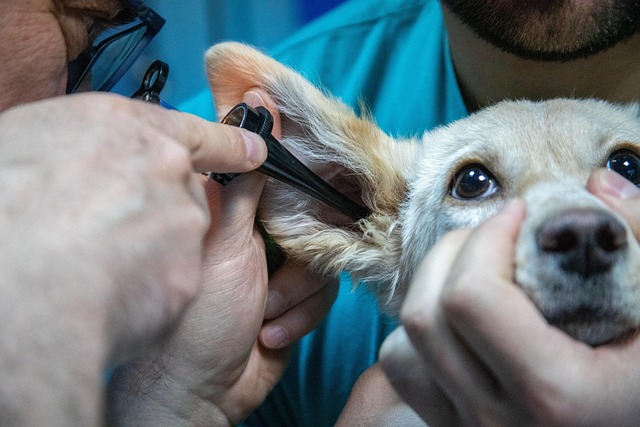
It’s crucial to follow the veterinarian’s instructions precisely. Rapid correction of sodium levels can be just as dangerous as the initial high sodium concentration, potentially leading to cerebral edema (swelling of the brain). Therefore, a controlled, gradual rehydration process under professional supervision is paramount.
Safe and Flavorful Alternatives for Your Dog
The desire to add a little something extra to your dog’s food doesn’t have to be a dangerous effort. There are many safe and healthy ways to enhance your dog’s mealtime experience without resorting to human condiments.
Low-Sodium Broth: Unsalted, low-sodium chicken or beef broth (ensure no onion or garlic is present) can be a safe way to add moisture and flavor. Always check the ingredients to ensure they are pet-safe.
Plain Yogurt: A small amount of plain, unsweetened yogurt (with live and active cultures) can be a good source of probiotics for your dog’s digestive health and adds a mild flavor. Ensure it doesn’t contain artificial sweeteners like xylitol, which is toxic to dogs.
Cooked, Plain Meats: Small pieces of plain, boiled or baked chicken, turkey, or lean beef can be mixed into kibble to make it more appealing. Ensure no spices, oils, or seasonings are added.
Certain Vegetables: Puréed or steamed dog-safe vegetables like carrots, green beans, or sweet potatoes can add flavor, texture, and nutrients. Always confirm which vegetables are safe for canine consumption.
Commercial Dog Food Toppers: The pet food market offers a variety of safe food toppers designed specifically for dogs. These can include dehydrated meats, vegetable blends, or bone broths formulated to be palatable and healthy.
From a different angle, consider the ingredients in your dog’s current food. High-quality dog foods are already balanced with appropriate nutrients and flavors. If your dog is consistently refusing their food, it might be an indicator of a more significant health issue or a need to switch to a different, more palatable formula, rather than trying to ‘fix’ it with external additives.

Special Considerations for At-Risk Dogs
Certain dogs are inherently more vulnerable to the dangers of high-sodium foods like soy sauce. These include:
- Small Breeds: As mentioned, smaller dogs have a lower tolerance for sodium due to their body weight. A small amount for a large breed can be catastrophic for a Chihuahua or Yorkshire Terrier.
- Puppies: Young dogs are still developing and have more sensitive systems, making them more susceptible to electrolyte imbalances and toxicity.
- Senior Dogs: Older dogs may have underlying health conditions, such as kidney disease or heart issues, which can be exacerbated by high sodium intake.
- Dogs with Pre-existing Health Conditions: Any dog diagnosed with heart disease, kidney disease, or hypertension is at increased risk.
If your dog falls into any of these categories, extra vigilance is required. Always err on the side of caution and ensure that no human food, especially salty condiments, ever makes its way to their bowl.
Preventing Accidental Ingestion: Your Role as a Pet Parent
The best way to protect your dog from the dangers of soy sauce is through prevention. This involves creating a safe environment where accidental ingestion is highly unlikely.
Secure Storage: Always store soy sauce and other potentially harmful condiments in secure cabinets or high shelves, well out of your dog’s reach. Ensure lids are tightly closed.
Cleanliness: Wipe up spills immediately. Don’t assume your dog won’t lick a small spill from the floor – they have a keen sense of smell and are often drawn to strong flavors.
Educate Household Members: Make sure everyone in the household, including children and guests, understands that soy sauce is off-limits for the dog. This includes not giving them table scraps that might contain soy sauce.
Supervision: Supervise your dog, especially around food preparation areas or when eating yourself. If your dog tends to scavenge, consider using a leash or baby gates to control their access to certain areas.
When out and about, be mindful of where you place your food. A picnic or an outdoor dining experience can present unique challenges, as dropped food or unattended condiments can quickly become a hazard.
Frequently Asked Questions
Can a tiny lick of soy sauce hurt my dog?
Yes, even a tiny lick can be harmful, especially for small dogs or those with pre-existing health conditions. The high sodium content can quickly lead to dehydration and electrolyte imbalances, triggering symptoms of salt poisoning.
What are the main symptoms of soy sauce toxicity in dogs?
The primary symptoms of soy sauce toxicity, often due to high sodium, include excessive thirst, frequent urination, vomiting, diarrhea, lethargy, muscle tremors, and disorientation. Severe cases can lead to seizures and coma.
Is low-sodium soy sauce safe for dogs?
While low-sodium soy sauce has less sodium, it’s still not considered safe for dogs. It often contains other ingredients like garlic or onion powder, which are toxic. It’s best to avoid all types of soy sauce for your canine companion.
What should I do if my dog eats soy sauce?
If your dog eats soy sauce, contact your veterinarian or an animal poison control center immediately. Provide them with your dog’s weight, the type and amount of soy sauce ingested, and any observed symptoms.
Are there any safe alternatives to soy sauce for dog food?
Absolutely. Safe options include unsalted, low-sodium broths (without onion or garlic), plain unsweetened yogurt, small amounts of cooked plain meat, and dog-specific food toppers. Always ensure any additions are safe for canine consumption.
Conclusion: Prioritize Your Dog’s Health
In summary, soy sauce is not a food item that should ever be given to dogs. Its dangerously high sodium content poses significant risks, including severe dehydration and potentially fatal sodium poisoning. Other ingredients in some soy sauces can also be harmful. Always prioritize your dog’s health and safety by keeping soy sauce and similar human condiments securely stored and out of reach.
The most actionable takeaway is simple: if your dog consumes soy sauce, seek immediate professional veterinary advice. For enhancing your dog’s meals, choose from the many safe and healthy alternatives available, ensuring their diet remains both nutritious and enjoyable without compromising their well-being.
Editorial Note: This article was researched and written by the Pet Magazine editorial team. We fact-check our content and update it regularly. For questions or corrections, contact us. For readers asking “Can dogs have soy sauce”, the answer comes down to the specific factors covered above.
Related read: Charming Yorkie Haircuts for 2026: Styles, Care & Tips.
About The Author