
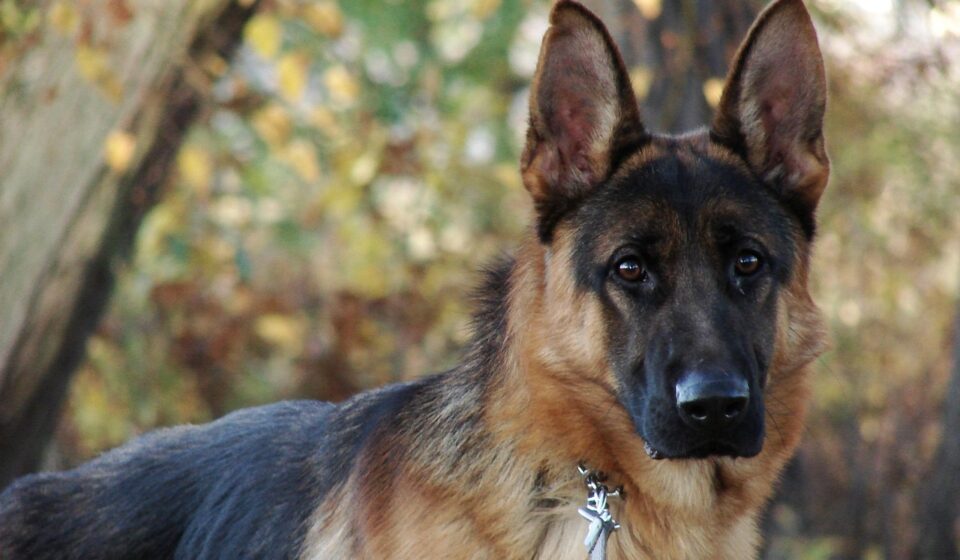

shepherd-dog/” target=”_blank” rel=”noopener noreferrer” title=”Source: akc.org”>German Shepherd Dog (GSD), often referred to as an Alsatian, particularly in the UK and Commonwealth countries. The GSD is renowned for its intelligence, versatility, courage, and strong protective instincts. They are highly trainable and excel in various roles, from police and military work to search and rescue and family companionship.
Last updated: June 11, 2026
When this formidable breed is crossed with another, the resulting hybrid inherits a spectrum of these qualities. The other parent breed will significantly influence the mix’s appearance, temperament, energy levels, and potential health predispositions. For instance, crossing a German Shepherd with a Golden Retriever might yield a dog with the GSD’s drive and the Golden’s affable nature, while a mix with a Poodle could result in a more hypoallergenic coat and a slightly less intense disposition.
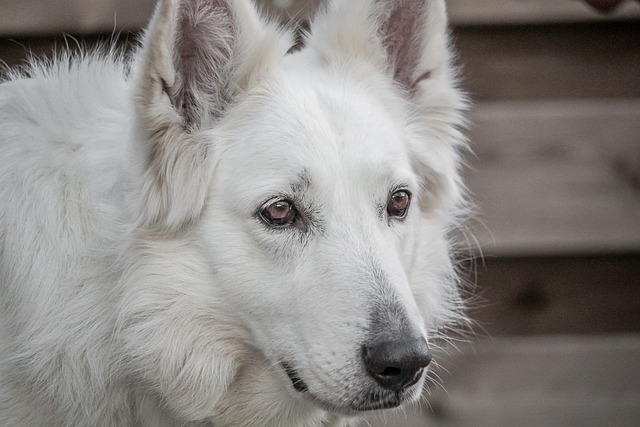
Decoding the Alsatian Mix Temperament
The temperament of an Alsatian mix is a fascinating blend. German Shepherds are known for being loyal, confident, courageous, and intelligent. They often form strong bonds with their families and can be naturally protective. This protective instinct is a common trait that often carries through to their mixed-breed offspring.
However, the temperament isn’t solely dictated by the Shepherd. The personality of the other parent breed plays a huge role. A mix with a more laid-back breed might be calmer, while a mix with a high-energy breed could be more boisterous. Generally, expect an intelligent dog that thrives on interaction and mental stimulation. They are often reserved with strangers, a trait that underscores the importance of early socialization. Without it, they can develop excessive caution or even unwarranted suspicion.
The Crucial Role of Early Socialization
Practically speaking, early and continuous socialization is non-negotiable for most Alsatian mixes. Exposing puppies to a wide variety of sights, sounds, people, and other well-behaved animals from a young age helps them develop into well-adjusted adults. This proactive approach can mitigate potential behavioral issues like shyness, fearfulness, or over-guarding.
A common mistake owners make is assuming the dog will automatically be well-behaved due to the German Shepherd’s intelligence. While they are smart, they still need guidance and exposure. This is especially true for mixed breeds where unpredictable traits can emerge. For example, a German Shepherd mix with a herding breed might develop a tendency to ‘herd’ children or other pets, which requires redirection and training.
Appearance: A Patchwork of Possibilities
Visually, Alsatian mixes can be incredibly diverse. Their size, build, coat type, and color will depend heavily on the non-Shepherd parent. Some might resemble a smaller, lighter-framed German Shepherd, while others could be stockier, have longer fur, or display entirely different markings. Ears can be erect like a Shepherd’s, floppy, or somewhere in between. Tails might be long and bushy, or shorter and straighter.
Coat length and texture are also highly variable. Some mixes will have the typical double coat of a German Shepherd, which requires consistent grooming to manage shedding. Others, depending on the other parent breed (like a Poodle or a Basset Hound), might have a single coat or a coat that requires professional grooming. Understanding the coat of the non-Shepherd parent is vital for anticipating grooming needs.
Grooming Your Alsatian Mix
Most Alsatian mixes, inheriting the German Shepherd’s dense double coat, are moderate to heavy shedders. Regular brushing, ideally several times a week, is essential to keep their coat healthy, reduce shedding around the house, and prevent matting. A good quality slicker brush or an undercoat rake can be very effective.
Bathing should be done as needed, typically every 4–6 weeks, using a dog-specific shampoo. Beyond coat care, regular nail trims, ear cleaning, and dental hygiene are paramount. For instance, checking ears weekly for signs of infection, especially in dogs with floppy ears, can prevent discomfort and more serious issues. According to the American Kennel Club (AKC) 2025 guidelines, consistent dental care can prevent up to 80% of common oral diseases in dogs.

Energy Levels and Exercise Requirements
German Shepherds are high-energy dogs that need significant physical and mental exercise. This trait often translates into their mixes, meaning most Alsatian hybrids will require a good amount of daily activity. A brisk walk or two, combined with active playtime like fetch or frisbee, is usually a minimum requirement.
Mental stimulation is just as crucial. Puzzle toys, training sessions, agility work, or scent games can help keep their sharp minds engaged and prevent boredom. Boredom in intelligent, high-energy dogs can lead to destructive behaviors, excessive barking, or anxiety. A well-exercised and mentally stimulated Alsatian mix is a happy and well-behaved companion. For example, a 30-45 minute brisk walk daily, plus 15–20 minutes of interactive play or training, is a good starting point for many adult mixes.
Training an Intelligent Hybrid
The intelligence of the German Shepherd parent means Alsatian mixes are generally very trainable. They are eager to please and quick learners, especially when positive reinforcement methods are used. Consistency, patience, and clear communication are key.
Start training early, focusing on basic obedience commands. Positive reinforcement, such as praise, treats, and play, works wonders. Avoid harsh corrections, as this can backfire and lead to fear or aggression, especially in a protective breed mix. They often excel in advanced training, agility, or obedience competitions. For instance, a German Shepherd Golden Retriever mix might respond exceptionally well to reward-based training for retrieving or scent work.
Common Health Concerns in Alsatian Mixes
As with any mixed breed, Alsatian mixes can inherit health issues common to either parent breed. It’s essential to be aware of these potential predispositions. Some of the most common concerns associated with German Shepherds include hip and elbow dysplasia, degenerative myelopathy, bloat (Gastric Dilatation-Volvulus), and certain heart conditions.
Depending on the other parent breed, the risk profile can change. For example, if crossed with a breed prone to eye issues, the mix might have a higher risk of conditions like progressive retinal atrophy. A complete veterinary check-up is vital when adopting any Alsatian mix, and regular wellness visits throughout their life are crucial for early detection and management of potential problems. According to the American Veterinary Medical Association (AVMA) 2025 study, proactive health monitoring can extend a dog’s quality of life by up to 2–3 years.
Proactive Health Management
Responsible breeders will screen their dogs for common genetic conditions. If adopting from a shelter or rescue, inquire about any known health history. Maintaining a healthy weight, providing a balanced diet, and ensuring adequate exercise can also help prevent or manage certain conditions like hip dysplasia and bloat.
For example, owners of German Shepherd mixes should be mindful of bloat risk. Feeding smaller, more frequent meals, avoiding strenuous exercise immediately after eating, and using slow-feeder bowls can help mitigate this life-threatening condition. Prices for common veterinary procedures, like hip x-rays, can range from $200 to $500, making preventative care a valuable investment.
Who is an Alsatian Mix Best Suited For?
An Alsatian mix is often best suited for experienced dog owners who understand the needs of intelligent, active, and potentially protective breeds. They thrive in active households where they receive plenty of attention, training, and exercise. A family that can commit to early socialization and consistent training will find these dogs to be incredibly loyal and rewarding companions.
They are generally not ideal for first-time dog owners or those with very young children who haven’t been taught how to interact safely with dogs, unless significant effort is put into training and supervision. They also require owners who can manage their shedding and grooming needs. If you are looking for a couch potato, this mix might not be the best fit; they are often built for activity and engagement.
Common Mistakes When Owning an Alsatian Mix
One of the most significant mistakes is underestimating their exercise and mental stimulation needs. A bored Alsatian mix can become a destructive or anxious dog. Another common error is neglecting early socialization, which can lead to fear-based aggression or shyness around new people or situations.
Over-feeding or feeding a poor-quality diet can also contribute to health problems, especially joint issues like hip dysplasia. Finally, expecting a dog to be a perfect guardian without proper training and understanding its breed-specific needs can lead to unintended behavioral problems. For example, assuming a German Shepherd mix will instinctively know not to jump on guests without training can lead to frustration for both owner and visitor.
Expert Tips for a Thriving Alsatian Mix
Invest in high-quality training classes from puppyhood. This not only teaches obedience but also provides socialization opportunities. Consider puzzle feeders or interactive toys to keep their minds sharp and prevent boredom. Regular grooming is essential; a good brushing routine can make a huge difference in managing shedding.
Always use positive reinforcement methods. Their intelligence makes them responsive to reward-based training. Understand their potential protective instincts and work on polite greetings with strangers. As of June 2026, many trainers advocate for a balanced approach that combines positive reinforcement with clear boundaries and consistent expectations. A useful resource for understanding breed-specific needs is the American Kennel Club’s breed profiles, which often include detailed information on temperament and care.
Frequently Asked Questions
What is the average lifespan of an Alsatian mix?
The average lifespan for an Alsatian mix typically ranges from 10 to 13 years. This can vary based on genetics, diet, exercise, and overall health care provided throughout their life.
Are Alsatian mixes good with children?
With proper socialization from a young age and supervision, many Alsatian mixes can be excellent family dogs. Their protective nature can make them good guardians, but they need to be taught gentle interaction. Early exposure to children and consistent training are key.
How much exercise does an Alsatian mix need daily?
Most Alsatian mixes require at least 60–90 minutes of exercise per day. This should include a combination of brisk walks, active play, and mental stimulation to keep them physically and mentally engaged.
Do Alsatian mixes shed a lot?
Yes, most Alsatian mixes inherit the German Shepherd’s double coat and tend to shed moderately to heavily, especially during seasonal changes. Regular, consistent brushing is essential to manage this shedding.
What other breeds are commonly mixed with Alsatians?
Common crosses include the Golden Retriever (Golden Alsatian), Poodle (Sheepadoodle), Labrador Retriever (Labrasatian), and various other popular breeds to create unique hybrids with diverse traits.
Are Alsatian mixes prone to anxiety?
Like many intelligent and sensitive breeds, Alsatian mixes can be prone to separation anxiety if left alone for extended periods without adequate preparation or mental stimulation. Consistent routine and training can help mitigate this.
Finding Your Perfect Hybrid Companion
An Alsatian mix offers a unique combination of intelligence, loyalty, and protective instincts, making them a rewarding, albeit demanding, companion. Understanding the traits inherited from both the German Shepherd and the other parent breed is crucial for providing the right environment, training, and care. With early socialization, consistent training, and adequate exercise, these hybrids can become devoted family members.
The most actionable takeaway is to thoroughly research the specific mix you are considering and commit to the time and effort required for training and socialization. This proactive approach ensures a well-adjusted dog and a harmonious relationship for years to come.
Information current as of June 2026; pricing and product details may change.
Editorial Note: This article was researched and written by the Pet Magazine editorial team. We fact-check our content and update it regularly. For questions or corrections, contact us.
Related read: Do Dogs Get Brain Freeze? What You Need to Know 2026.
About The Author