
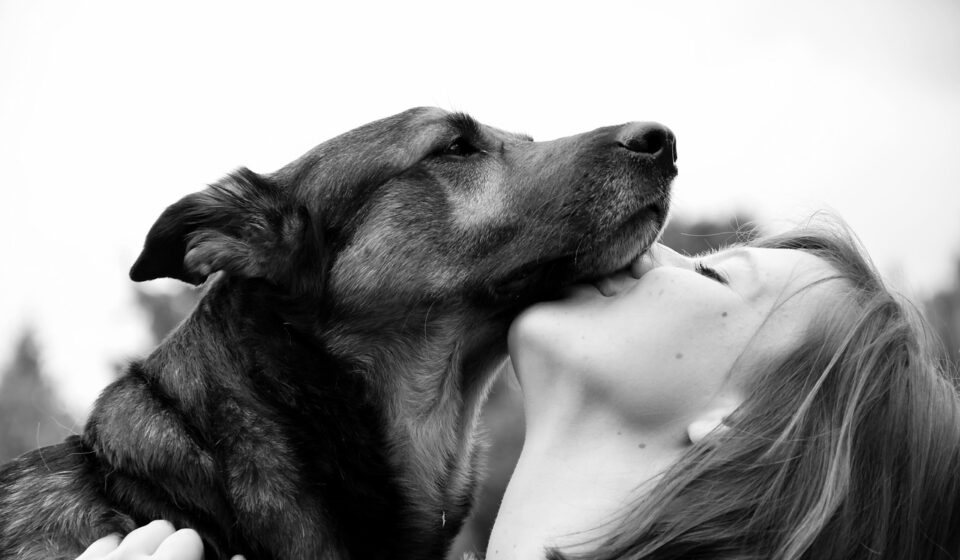

p>The history of the Anatolian Shepherd Dog is deeply intertwined with the nomadic cultures of Turkey. For thousands of years, these dogs have served as silent sentinels for sheep and cattle, defending them from wolves, bears, and jackals. This demanding role shaped their physical prowess, intelligence, and unwavering vigilance. Unlike herding dogs, their primary function was to deter threats through their sheer presence and, if necessary, direct confrontation, making them true livestock guardians.
Last updated: May 19, 2026
This ancient purpose has imbued the breed with a profound sense of responsibility towards their charges, whether they be livestock or their human family. Their lineage traces back to mastiff-type dogs and ancient shepherd breeds, resulting in a strong and imposing canine. Understanding this history is key to appreciating their inherent traits and how to best manage them in a modern home environment.
Imposing Presence: Physical Characteristics
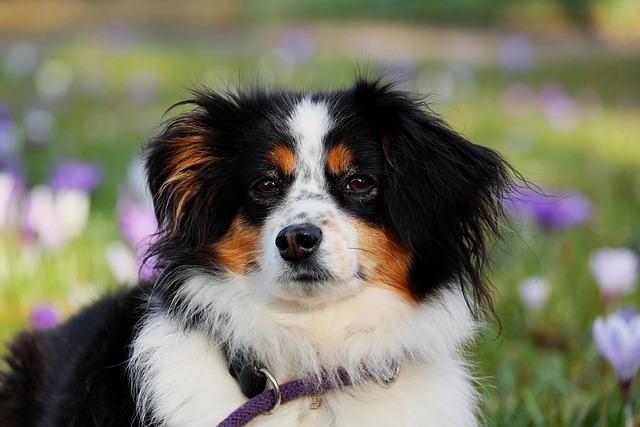
Anatolian Shepherds are large, powerfully built dogs with a distinctive appearance that commands respect. Males typically stand between 27 to 31 inches at the shoulder and weigh between 110 to 150 pounds, while females are slightly smaller, ranging from 25 to 29 inches and weighing 80 to 120 pounds. Their coat is dense and medium-length, offering protection against harsh weather, and comes in a variety of colors, most commonly fawn, gray, or white with darker markings.
Their build is athletic and agile, belying their size, allowing them to patrol large territories efficiently. They possess a strong head, a deep chest, and a muscular frame, all contributing to their formidable presence. According to the American Kennel Club (AKC), their strong physique is a testament to their breeding for endurance and strength in challenging terrains.
Temperament: A Guardian’s Heart
The Anatolian Shepherd’s temperament is their defining characteristic. They are renowned for their calm, dignified, and courageous nature, coupled with an intense loyalty to their family and territory. This breed is naturally reserved and cautious around strangers, a trait that makes them excellent deterrents. They are not inherently aggressive but will readily defend their perceived flock or family if they sense a threat.
Their independence is a key trait, stemming from their history of working autonomously in vast pastures. This means they are not a breed that craves constant attention or obedience without question. They possess a high degree of intelligence, which can make them excellent problem-solvers but also means they can be stubborn if they don’t see a reason for a command. This independence requires an owner who can establish clear leadership without resorting to harsh methods.
Practically speaking, this means an Anatolian Shepherd isn’t the ideal dog for a novice owner or someone seeking a highly eager-to-please companion. They are bred to think for themselves and to act decisively when necessary. Their devotion to their family is deep, but it’s expressed through watchful protection rather than effusive affection.
Navigating Training and Socialization
Training an Anatolian Shepherd requires patience, consistency, and an understanding of their independent nature. Early and extensive socialization is paramount. Introducing them to various people, sights, sounds, and other animals from a young age is crucial to help them differentiate between genuine threats and normal everyday occurrences. This helps temper their natural wariness and prevents them from becoming overly suspicious or territorial.
Positive reinforcement methods are most effective. They respond best to fair, firm, and consistent commands. Harsh punishment can lead to fear or aggression, which is counterproductive in a protective breed. Because they are intelligent, they can learn quickly, but they may also test boundaries. Consistency is key; everyone in the household must be on the same page regarding rules and commands.
Their guarding instinct means they are naturally protective of their home and family. Socialization helps them understand that family members and trusted visitors are not threats. Without proper socialization, they may view any newcomer with suspicion, potentially leading to defensive behaviors. According to Dog Academic, their independent nature means they often excel in training environments that provide clear objectives and allow for some problem-solving.
Creating the Right Environment
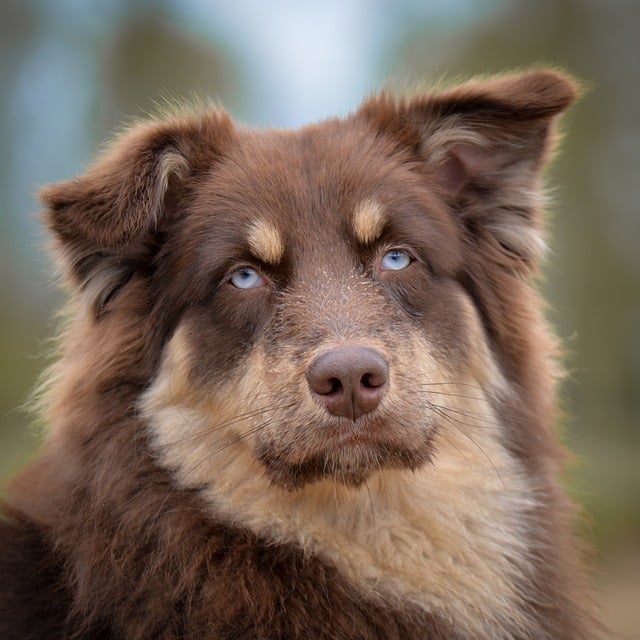
Anatolian Shepherds are not well-suited for apartment living or small urban homes. They are large dogs with a need for space to patrol and survey their territory. A securely fenced yard is essential, as their territorial instincts and size mean they can be escape artists if bored or if they perceive a threat outside their boundaries. The fence should be tall and sturdy, as they are capable of jumping considerable heights.
Their exercise needs are moderate but consistent. They are not high-energy dogs that require hours of intense activity daily. Rather, they need opportunities for regular walks and the freedom to roam and patrol their property. A daily walk of 30–60 minutes, combined with access to their secure outdoor space, is usually sufficient. Over-exercising a large breed puppy can be detrimental to their developing joints, so care must be taken with very young dogs.
From a different angle, these dogs thrive when they have a job. If not protecting livestock, they can benefit from mental stimulation through training exercises, puzzle toys, or even participating in dog sports that challenge their intelligence and problem-solving skills.
Health and Longevity
Like many large breeds, Anatolian Shepherds are prone to certain health conditions. Hip dysplasia and elbow dysplasia are concerns, where the joints develop abnormally, leading to pain and lameness. Bloat (gastric dilatation-volvulus) is another serious risk for deep-chested breeds like the Anatolian Shepherd, which can be life-threatening if not treated immediately. Responsible breeders screen their dogs for these conditions.
Other potential health issues include certain eye conditions like progressive retinal atrophy (PRA) and heart conditions. Their lifespan typically ranges from 10 to 13 years, which is a good longevity for a dog of their considerable size. According to the AVMA (American Veterinary Medical Association), proactive veterinary care, including regular check-ups and prompt treatment of any emergent issues, is vital for maintaining their health throughout their lives.

Bringing Home an Anatolian Shepherd Puppy
If you are considering an Anatolian Shepherd puppy, it’s essential to find a reputable breeder. A good breeder will be knowledgeable about the breed, health-test their breeding stock, and be willing to answer all your questions. They should also provide health clearances for the puppy’s parents, indicating they have been screened for conditions like hip dysplasia.
Anatolian Shepherd puppies grow rapidly. They require proper nutrition to support their growth without accelerating it too quickly, which can exacerbate joint issues. High-quality large-breed puppy food is recommended. As mentioned, exercise for puppies should be moderate to protect their developing bones and joints. Early socialization, starting as soon as you bring your puppy home (after consulting your vet about vaccinations), is critical for their development into well-adjusted adults.
The cost of an Anatolian Shepherd puppy from a reputable breeder can range from $1,000 to $1,850 or more, as cited by Lancaster Puppies. This initial investment reflects the breeder’s efforts in health testing, proper care, and responsible breeding practices. Beyond the purchase price, ongoing costs include high-quality food, veterinary care, training classes, and secure fencing, which can be substantial for a large breed.
Weighing the Pros and Cons
Owning an Anatolian Shepherd is a significant commitment, and it’s important to consider both the advantages and disadvantages:
Pros
- Exceptional guardian and protector of family and property.
- Loyal, devoted, and courageous.
- Intelligent and capable of independent decision-making.
- Relatively low grooming needs, with shedding occurring seasonally.
- Impressive and noble presence.
Cons
- Strongly independent and can be stubborn, requiring experienced handling.
- High prey drive and territorial instincts, necessitating secure containment and extensive socialization.
- Not typically suited for first-time dog owners or urban environments.
- Can be reserved and suspicious of strangers, requiring careful introductions.
- Potential for large-breed health issues like hip dysplasia.
Common Pitfalls for Anatolian Shepherd Owners
One of the most common mistakes is underestimating the Anatolian Shepherd’s independent streak and strong guarding instincts. Owners might expect the same level of obedience as a Border Collie or German Shepherd, leading to frustration. These dogs were bred to think for themselves, not to be subservient. Trying to force obedience can backfire, potentially leading to a dog that’s fearful or resistant.
Another mistake is insufficient socialization. Without early and ongoing exposure to different people and environments, an Anatolian Shepherd can become overly protective, wary, or even aggressive towards perceived threats. This is particularly problematic if the dog is expected to interact with visitors or children regularly. Providing a secure and escape-proof environment is also critical; a bored or anxious Anatolian Shepherd can become destructive or an escape artist.
Finally, failing to provide them with a ‘job’ can lead to behavioral issues. These dogs were bred for a purpose and are happiest when they have responsibilities. If they are simply left to wander without supervision or stimulation, they may find their own ‘jobs,’ which might not align with the owner’s expectations.
Expert Advice for Anatolian Shepherd Owners
For those considering or already owning an Anatolian Shepherd, experienced owners and breed enthusiasts offer consistent advice: establish yourself as a benevolent but firm leader from day one. Your Anatolian Shepherd needs to trust your judgment and understand that you will handle threats. This builds confidence in both you and the dog.
Provide mental stimulation. Engage their intelligence with training games, scent work, or by involving them in your daily activities in a supervised manner. Consider activities that mimic their natural guardian role, such as advanced obedience or even specialized guardian training if you have livestock. Their intelligence means they need mental challenges just as much as physical ones.
Ensure your property is securely fenced. This is non-negotiable. A fence that’s at least 6 feet high, with no gaps underneath, is recommended. Some owners even use electric fencing as a secondary deterrent, though primary containment should be physical. Investing in a secure perimeter is an investment in the safety of your dog, your family, and your neighbors.
Frequently Asked Questions
Are Anatolian Shepherds good family dogs?
Anatolian Shepherds can be good family dogs if properly socialized and trained, and if the family understands their protective nature. They tend to bond closely with their family members but can be reserved with strangers. Supervision is always recommended with children.
How much exercise does an Anatolian Shepherd need?
They require moderate daily exercise, typically a 30-60 minute walk and ample time to patrol a secure yard. They are not dogs that need intense, high-impact activities for hours on end.
Are Anatolian Shepherds aggressive?
Anatolian Shepherds are naturally protective and vigilant, not inherently aggressive. Their behavior is rooted in their guardian instinct. Proper socialization and training are key to channeling their protectiveness appropriately.
Do Anatolian Shepherds shed a lot?
Yes, Anatolian Shepherds shed moderately year-round and more heavily during seasonal coat blows. Their dense double coat requires regular brushing, especially during these shedding periods, to manage loose fur.
What is the average lifespan of an Anatolian Shepherd?
The typical lifespan for an Anatolian Shepherd Dog is between 10 to 13 years, which is a respectable range for a large breed.
Can an Anatolian Shepherd live in a city?
Generally, Anatolian Shepherds are not well-suited for city living due to their large size, need for space to patrol, and strong territorial instincts. They thrive best in rural or semi-rural environments with secure outdoor access.
Information current as of May 2026; pricing and product details may change.
Source: Britannica
Editorial Note: This article was researched and written by the Pet Magazine editorial team. We fact-check our content and update it regularly. For questions or corrections, contact us.
Related read: How to Take Care of a Dog: Essential 2026 Guide.
About The Author