
African Grey Parrots 2026: The Ultimate Companion Guide
This guide covers everything about african grey parrot african grey parrot. For anyone considering a truly remarkable feathered friend, the African Grey parrot stands out. As of May 2026, these birds continue to captivate with their astonishing intelligence and complex personalities. Often considered one of the most intelligent bird species, owning an African Grey is a significant commitment, requiring dedication, understanding, and specialized care. If you’re wondering if an African Grey parrot is the right choice for your home, this guide will help you Handle their unique needs.
Last updated: May 8, 2026
Key Takeaways
- African Grey parrots are highly intelligent and social, requiring significant mental stimulation and interaction.
- Their lifespan can exceed 50 years, demanding a lifelong commitment from their owners.
- Diet should be varied, including pellets, fresh fruits, vegetables, and nuts, avoiding avocado and chocolate.
- Proper socialization and training are crucial to prevent behavioral issues like feather plucking.
- Initial costs can be substantial, including the bird, a large cage, toys, and vet care.
Understanding the African Grey Parrot: More Than Just a Bird
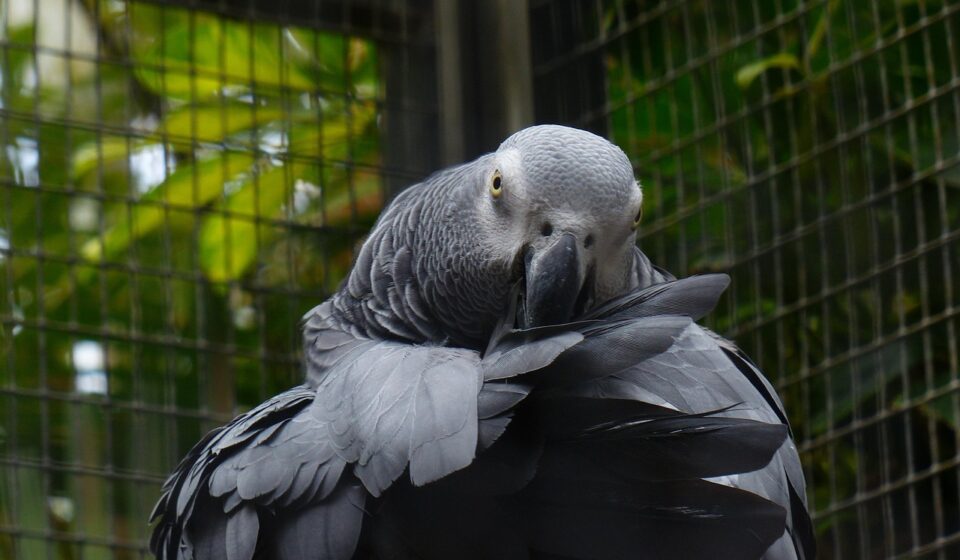
The African Grey parrot, scientifically known as Psittacus erithacus, is renowned for its cognitive abilities. They possess a remarkable capacity for learning and mimicking human speech, often understanding the context of words they use. This isn’t just about squawking; they can engage in basic conversations and solve complex puzzles. Their intelligence means they require constant mental engagement to prevent boredom and stress, which can lead to behavioral problems.
From a different angle, their social nature is paramount. These aren’t birds that can be left alone for extended periods without consequence. They bond deeply with their primary caregivers and thrive on daily interaction. Neglect or lack of stimulation can lead to anxiety, aggression, and self-harming behaviors like feather plucking.
Did You Know? Studies have shown that some African Greys exhibit cognitive abilities comparable to that of a human toddler. According to research published in journals like Science, their problem-solving skills and understanding of object permanence are particularly advanced.
Two Types of African Greys: Congo vs. Timneh
When you think of an African Grey parrot, you might picture the larger, lighter-gray Congo African Grey (Psittacus erithacus erithacus). These birds are typically larger, with a bright red tail and a slightly higher price point. They are known for their extensive vocabularies and calm demeanor.
The smaller Timneh African Grey (Psittacus timneh), formerly a subspecies, is now often considered its own species. They have a darker, slate-Grey coloration and a maroon or dark grey tail. Timnehs are often described as being more playful and mischievous, and while they can learn to talk, their vocabularies might not reach the same extent as Congos. Both types require the same level of care and attention.
The Lifelong Commitment: African Grey Parrot Lifespan and Aging
An African Grey parrot is not a pet for the faint of heart or those seeking a short-term companion; in captivity, these birds can live for 50 to 70 years, with some individuals reportedly living even longer. This means you could be sharing your life with your parrot for decades, potentially longer than many other common pets. It’s a commitment that requires careful consideration of your long-term plans.
What this means in practice is that you need to think about who will care for your parrot if something happens to you. Many owners include their birds in their wills. Preparing for their senior years, which can involve specialized dietary needs or increased susceptibility to certain health conditions, is also part of responsible ownership.
Dietary Needs: Fueling an Intelligent Brain
A balanced diet is crucial for an African Grey parrot’s physical and mental well-being, as their natural diet in the wild consists of seeds, fruits, nuts, and vegetation. In captivity, a high-quality, pelleted diet formulated specifically for parrots should form the base of their nutrition, making up about 60-70% of their intake. According to avian nutritionists, these pellets provide a balanced mix of vitamins and minerals.
Supplement this with fresh fruits and vegetables daily. Offer a variety of colors and textures think leafy greens, bell peppers, carrots, apples (seeds removed), berries, and mango. Small amounts of nuts and seeds can be given as treats, but be mindful of their fat content. Always avoid toxic foods like avocado, chocolate, caffeine, and onions. Fresh, clean water should always be available.
Practically speaking, introducing new foods can be a slow process. Don’t be discouraged if your parrot initially refuses something. Continue offering it in different forms and at different times. A varied diet is key to preventing deficiencies and encouraging foraging behavior.
Creating the Ideal Habitat: Cage Size and Enrichment
Your African Grey parrot needs a spacious and stimulating environment. A large cage is non-negotiable. For an African Grey, a cage that’s at least 3 feet wide, 3 feet deep, and 4 feet tall is a minimum recommendation. However, bigger is always better, especially if the bird will spend significant time inside. The bar spacing should be no more than 3/4 inch to prevent escape or injury.
The cage should be equipped with a variety of perches of different textures and diameters to promote foot health. Include a selection of stimulating toys. These should include foraging toys (where food is hidden), puzzle toys, and destructible toys that they can chew and tear apart. Rotate toys regularly to keep things interesting. A healthy African Grey parrot needs daily out-of-cage time in a safe, supervised environment.
Socialization and Training: Building a Bond
Early and consistent socialization is vital for an African Grey parrot. Exposing them to different sights, sounds, and people from a young age helps them become well-adjusted and less prone to fear-based aggression or anxiety. Gentle handling and positive reinforcement training are key.
When it comes to talking, consistency and repetition are your best friends. Start with simple words and phrases. Associate words with objects or actions (e.g., say “hello” when you enter the room, “apple” when offering a piece of apple). Keep training sessions short and fun, ideally 10–15 minutes a few times a day. Never punish your parrot for not talking or for making mistakes; this can create fear and damage your bond.
A Word on Feather Plucking: This is a serious behavioral issue, often stemming from stress, boredom, illness, or improper diet. If you notice bald patches or excessive feather picking, consult an avian veterinarian immediately. Addressing the root cause is critical.
Common Health Concerns for African Greys
African Greys are generally strong but can be prone to certain health issues. Common problems include respiratory infections, PBFD (Psittacine Beak and Feather Disease), psittacosis, and vitamin A deficiency. Regular veterinary check-ups with an avian specialist are crucial. According to the American Federation of Aviculture (AFA), annual vet visits are recommended for all pet birds.
Preventative care is the best approach. This includes maintaining a clean cage, providing a balanced diet, ensuring adequate ventilation, and avoiding exposure to smoke, strong scents, and other airborne toxins. Signs of illness can be subtle, so watch for changes in appetite, droppings, feather condition, or behavior. Prompt veterinary attention can make all the difference.
Cost of Ownership: What to Expect in 2026
Owning an African Grey parrot involves significant financial commitment. The initial cost of the bird itself can range from $1,500 to $3,000, depending on the type (Congo or Timneh), breeder reputation, and location, and this is just the beginning.
A suitable large cage can cost anywhere from $300 to $1,000 or more. High-quality food, toys (which need regular replacement), perches, and veterinary care will add to the ongoing expenses. Annual vet check-ups can cost $100-$250, with emergency visits being significantly more. Factor in potential costs for grooming (nail and wing trims, if needed) and perhaps even bird-sitting if you travel. Over its lifetime, an African Grey parrot can cost upwards of $15,000-$25,000 or more.
While the upfront and ongoing costs are substantial, the immense joy and companionship an African Grey parrot can bring are often considered priceless by their devoted owners. Understanding these costs upfront is vital for responsible pet ownership.
Pros and Cons of African Grey Parrot Ownership
Pros
- Exceptional intelligence and problem-solving skills
- Remarkable ability to mimic speech and understand context
- Strong bond with their primary caregiver
- Long lifespan offers decades of companionship
- Can be trained to perform tricks and engage in complex interactions
Cons
- Extremely high need for mental stimulation and social interaction; prone to boredom and destructive behaviors if neglected.
- Very long lifespan requires a lifelong commitment, potentially outliving the owner.
- Can develop behavioral issues like feather plucking if not properly cared for or stimulated.
- Require specialized avian veterinary care, which can be expensive.
- Can be noisy, with loud calls and repetitive vocalizations.
- Susceptible to specific health issues if diet or environment is not optimal.
Common Mistakes to Avoid with African Grey Parrots
Many new owners make common mistakes that can lead to problems down the line. One of the biggest is underestimating the bird’s intelligence and need for stimulation. Simply providing a cage and food isn’t enough; daily, dedicated interaction is essential.
Another mistake is inconsistent training or socialization. Parrots thrive on routine and predictable interactions. Sudden changes or lack of exposure to new experiences can cause stress. For example, a bird that has only ever known one person may become fearful or aggressive when interacting with strangers, leading to potential nipping.
Finally, failing to provide a diverse diet or adequate cage space can lead to health and behavioral issues. A small cage with a monotonous diet is a recipe for disaster. Always research and provide the best possible environment, food, and enrichment for your intelligent companion.
Expert Tips for Thriving African Grey Parrot Owners
To truly thrive with an African Grey, go beyond the basics. Invest in a wide variety of foraging toys; hiding food is a natural behavior that keeps them occupied and mentally sharp. Consider puzzle feeders that require them to figure out how to access treats.
Engage in regular training sessions using positive reinforcement. Not only does this strengthen your bond, but it also provides mental exercise. Teach them new words, simple commands, or even tricks. According to avian behaviorists, consistent, short training sessions are far more effective than long, infrequent ones.
From a different angle, ensure your home environment is bird-safe. Many common household items, from certain non-stick cookware to cleaning products and even some houseplants, can be toxic to parrots. Research thoroughly and make your home a safe haven.
Frequently Asked Questions
Can an African Grey parrot live alone?
African Grey parrots are highly social and thrive on interaction. While they can survive alone for short periods, they require significant daily engagement with their human flock to remain happy and healthy, and to prevent behavioral issues.
How much do African Grey parrots talk?
African Grey parrots are renowned for their talking ability and often develop extensive vocabularies. Some can learn hundreds of words and phrases and use them appropriately in context, though the extent varies by individual bird.
What is the best food for an African Grey parrot?
The best diet for an African Grey parrot is a balanced mix of high-quality parrot pellets (60-70%), fresh fruits, vegetables, and occasional nuts or seeds. Variety is key to ensuring they receive all necessary nutrients.
How large of a cage does an African Grey parrot need?
African Grey parrots require a large cage, with a minimum recommendation of 3 feet wide, 3 feet deep, and 4 feet tall. Larger cages provide more space for movement and enrichment.
Are African Grey parrots aggressive?
When properly socialized and cared for, African Grey parrots are not inherently aggressive. However, they can become fearful, anxious, or nippy if stressed, neglected, or improperly handled, especially if not exposed to different people and situations.
How often should I clean my African Grey parrot’s cage?
Daily spot cleaning of food and water dishes and any soiled areas is essential. A more thorough cage cleaning, including washing perches and toys, should be done at least weekly to maintain hygiene.
Owning an African Grey parrot is an incredibly rewarding experience that can bring immense joy and intellectual stimulation into your life. Their capacity for learning and forming deep bonds is unparalleled. However, it’s a commitment that demands significant time, resources, and emotional investment. If you’re prepared to offer a stimulating environment, consistent interaction, and lifelong care, an African Grey parrot might just be the most extraordinary companion you could ask for.
Last reviewed: May 2026. Information current as of publication; pricing and product details may change.
Related read: Jungle Island Parrot Jungle: Your 2026 Guide to Exotic Avian Companions
Editorial Note: This article was researched and written by the Pet Magazine editorial team. We fact-check our content and update it regularly. For questions or corrections, contact us. Knowing how to address african grey parrot african grey parrot early makes the rest of your plan easier to keep on track.
Related read: Fish Care in 2026: Your Essential Guide to a Thriving Aquarium.




About The Author