

nwell.
Deconstructing the Foam: What Exactly Are Cats Vomiting?
When your cat regurgitates white foam, it’s typically not the food itself that’s being expelled, but rather a combination of excess saliva and gastric fluids. This frothy consistency arises because the stomach is empty or mostly empty, meaning there’s no food to mix with the expelled material. Imagine it like a car’s engine expelling only oil and coolant when it’s not running – it’s the internal fluids, not the fuel.
Last updated: May 19, 2026
The volume and frequency of this foamy vomit can offer clues to its origin. A single, small expulsion after a period without food might be less concerning than repeated, large volumes of foam, especially if accompanied by other symptoms. This distinction is vital when assessing the situation and deciding on the next steps for your pet’s care.

Common Culprits: Harmless Reasons for Foamy Vomiting
Many instances of a cat throwing up white foam are attributable to relatively minor issues that resolve on their own or with simple interventions. Understanding these common causes can help alleviate owner anxiety.
Hairballs: The Feline Grooming Byproduct
Cats are meticulous groomers, and as they lick their fur, they inevitably swallow loose hairs. While most of this hair passes through their digestive system harmlessly, some can accumulate in the stomach, forming a hairball. The body often attempts to expel these compacted masses. This expulsion can manifest as hacking, gagging, and eventually, the regurgitation of foamy liquid, sometimes with a few strands of hair.
Practically speaking, if your cat is otherwise healthy, active, and has regular bowel movements, hairball-related vomiting is usually not a major concern. However, excessive hairballs can signal underlying issues like skin allergies leading to over-grooming or insufficient fiber in the diet. According to the American Society for the Prevention of Cruelty to Animals (ASPCA) as of 2026, regular brushing significantly reduces the amount of hair ingested by cats, thereby minimizing hairball formation.
Dietary Indiscretion and Food Sensitivities
Cats are curious creatures, and sometimes their curiosity extends to investigating and ingesting items they shouldn’t. This could be anything from a stray piece of string to a plant in the house that isn’t cat-safe. When the digestive system encounters indigestible material or an irritant, it may react by expelling the contents. This can lead to vomiting, which might appear as white foam if the stomach is mostly empty at the time.
Similarly, dietary indiscretion can also refer to a sudden change in food or the ingestion of spoiled food. A cat’s digestive system can be sensitive. A rapid switch from one food to another, without a gradual transition period, can upset their stomach, leading to vomiting. Food sensitivities or allergies, though less common than in dogs, can also cause gastrointestinal upset, including vomiting, diarrhea, or skin issues.
Eating Too Quickly or on an Empty Stomach
Many cat owners have observed their pets gulping down their food rapidly. When a cat eats too fast, they can ingest air along with their kibble, leading to a distended stomach and subsequent regurgitation. This regurgitated material might be partially digested food or, if the stomach is still relatively empty, foamy saliva and acid. This is often referred to as ‘bilious vomiting syndrome’ when it occurs on an empty stomach.
From a different angle, cats that are fed infrequent, large meals might experience periods of significant hunger. If they are fed only once or twice a day, their stomachs can become quite empty between meals. The buildup of stomach acid during these long intervals can then lead to vomiting of white foam when the stomach finally empties or becomes irritated. For instance, a cat fed only in the evening might vomit foam first thing in the morning before its breakfast.
Gastritis and Irritation
Gastritis is inflammation of the stomach lining. It can be caused by various factors, including dietary indiscretion, infections (bacterial or viral), parasites, or even certain medications. When the stomach lining is inflamed, it can become highly sensitive, leading to nausea and vomiting. If the stomach is empty, the vomit will likely be white foam.
Common irritants might include ingesting something toxic (even a small amount of a plant or cleaning product residue), or an allergic reaction to something in their food or environment. The sensation of nausea associated with gastritis can be profound, prompting the cat to expel whatever is in its stomach, even if it’s just acid and saliva.
Nausea from Other Causes
Sometimes, a cat might vomit white foam simply because it feels nauseous, even if there isn’t a primary digestive tract issue. This nausea could stem from motion sickness during travel, stress, or even the early stages of an illness that doesn’t directly affect the stomach but makes the cat feel generally unwell.
For example, a cat experiencing anxiety due to a new pet in the household or a change in routine might develop nausea. This anticipatory nausea can lead to a gag reflex and the expulsion of foam. The key here is often the absence of other significant physical symptoms, with the vomiting being a singular expression of discomfort.
When to Seek Veterinary Help: Red Flags for Serious Illness
While occasional vomiting might be normal, certain signs indicate that your cat’s white foam vomit is a symptom of a more serious underlying health problem requiring immediate veterinary attention. It’s crucial to observe your cat’s overall demeanor and look for accompanying symptoms.
Frequency and Persistence
One of the most significant indicators is the frequency of vomiting. If your cat is throwing up white foam multiple times a day, or if the vomiting occurs daily for more than a couple of days, it’s a strong signal that something is wrong. A single episode might be a fluke, but a pattern of vomiting suggests a persistent issue that needs diagnosis.
Consider the context: if your cat vomited once after eating a new treat but is otherwise acting normally, it’s less concerning than if they are vomiting repeatedly throughout the day, unable to keep any fluids down. According to the American Veterinary Medical Association (AVMA) in their 2025 guidelines, any vomiting that persists for over 24 hours warrants a veterinary consultation.
Accompanying Symptoms
Vomiting white foam is often just one piece of a larger puzzle. Other symptoms that, when combined with vomiting, should raise immediate concern include:
- Lethargy and weakness: If your cat is unusually tired, unresponsive, or seems weak.
- Loss of appetite or refusal to drink: Significant changes in eating or drinking habits are serious.
- Diarrhea: Concurrent vomiting and diarrhea can quickly lead to dehydration.
- Weight loss: Unexplained weight loss is always a red flag for underlying illness.
- Changes in urination or defecation: Straining, inability to urinate, or significant changes in stool consistency.
- Fever: An elevated body temperature can indicate infection or inflammation.
- Pale gums: Pale or white gums can signify anemia or shock.
- Abdominal pain or swelling: If your cat seems uncomfortable when you touch their belly or if the abdomen appears distended.
- Difficulty breathing: Any respiratory distress is a medical emergency.
For example, a cat that vomits foam and then immediately seems to have difficulty breathing requires emergency veterinary care. This combination could point to a respiratory issue or a severe systemic problem.
Potential Underlying Medical Conditions
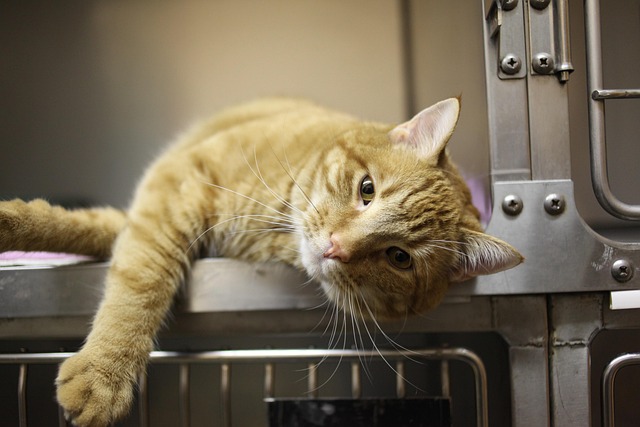
The white foam might be a symptom of serious medical conditions, including:
- Gastritis/Gastroenteritis: Inflammation of the stomach and intestines, often caused by infections, parasites, toxins, or dietary issues.
- Pancreatitis: Inflammation of the pancreas, which can cause severe abdominal pain, vomiting, and lethargy.
- Kidney Disease: Both acute and chronic kidney issues can lead to nausea and vomiting as toxins build up in the bloodstream. As of 2026, approximately 20-30% of cats over 10 years old are diagnosed with some form of kidney disease, making it a common consideration in older cats.
- Hyperthyroidism: An overactive thyroid gland can cause increased metabolism, leading to weight loss, increased appetite, and sometimes vomiting.
- Inflammatory Bowel Disease (IBD): Chronic inflammation of the digestive tract.
- Gastrointestinal Obstruction: A blockage in the stomach or intestines, often caused by ingesting foreign objects (like toys, string, or hairballs that are too large to pass). This is a life-threatening emergency.
- Diabetes Mellitus: Uncontrolled diabetes can lead to diabetic ketoacidosis, a serious condition that causes vomiting.
- Liver Disease: Various liver conditions can impair the body’s ability to process toxins, leading to nausea and vomiting.
- Viral or Bacterial Infections: Infections such as feline panleukopenia or various bacterial enteritis can cause severe gastrointestinal distress.
A key distinction is whether the vomiting is a primary issue or secondary to another organ system’s failure. For instance, a cat with advanced kidney disease might vomit white foam as a symptom of uremia (toxin buildup), not because of a primary stomach problem.
Ingestion of Toxins or Foreign Bodies
Accidental ingestion of toxic substances or foreign objects is a critical emergency. Cats may ingest household cleaners, certain plants, medications, or even spoiled food. Foreign bodies can range from small toys and string to large hairballs that become lodged. These ingestions can cause immediate irritation, severe gastrointestinal upset, and potential blockages.
If you suspect your cat has ingested something harmful, don’t wait for symptoms to worsen. Immediate veterinary intervention is necessary. The prognosis for foreign body ingestion depends heavily on the type of object, its location, and how quickly treatment is sought. Some materials, like linear foreign bodies (e.g., string), can cause severe internal damage and require complex surgery.
Diagnosing the Cause: The Vet’s Approach
When you bring your cat to the veterinarian for vomiting white foam, the vet will conduct a thorough diagnostic process to pinpoint the cause. This often begins with a detailed history and physical examination.
History and Physical Examination
Your veterinarian will ask about the frequency and nature of the vomiting, your cat’s diet, any recent changes, potential exposure to toxins or foreign objects, and other symptoms observed. During the physical exam, the vet will check for signs of pain, dehydration, abdominal tenderness, abnormal masses, and assess the cat’s overall condition.
For example, if you mention that your cat has been vomiting foam for three days and is also refusing food, the vet will pay close attention to signs of dehydration and abdominal pain during the physical exam. A veterinarian might gently palpate your cat’s abdomen, listening for unusual gurgles or feeling for any masses or tenderness that could indicate a blockage or inflammation.
Diagnostic Tests
Depending on the initial findings, several diagnostic tests may be recommended:
- Blood Work: A complete blood count (CBC) and chemistry panel can reveal signs of infection, inflammation, anemia, organ dysfunction (kidney, liver), and electrolyte imbalances. For instance, elevated white blood cell counts might indicate infection, while abnormal kidney values would point towards renal issues.
- Urinalysis: This helps assess kidney function and detect urinary tract infections or the presence of crystals.
- Fecal Examination: To check for intestinal parasites, which can cause vomiting and diarrhea.
- X-rays (Radiographs): Can help identify foreign bodies, signs of intestinal obstruction, or changes in organ size and shape.
- Ultrasound: Provides more detailed images of the abdominal organs, allowing for better visualization of the pancreas, intestines, liver, and kidneys. It’s particularly useful for diagnosing pancreatitis or subtle foreign bodies.
- Endoscopy: In some cases, a camera can be passed into the digestive tract to visualize the lining and potentially retrieve foreign objects or take biopsies.
The choice of diagnostic tests will be tailored to your cat’s specific symptoms and history. For a cat suspected of ingesting a string, X-rays might be the first imaging choice to look for the characteristic ‘pancaking’ of the intestines.
Differential Diagnoses
Veterinarians develop a list of potential causes, known as differential diagnoses, and use tests to rule them out. For a cat presenting with vomiting white foam, the list might include everything from hairballs to severe organ failure. The diagnostic process systematically eliminates possibilities until the most likely cause is identified.
A veterinarian might initially suspect a hairball or dietary indiscretion due to the simplicity of the symptom. However, if the cat’s blood work reveals high liver enzymes, the differential diagnosis list will shift to include liver disease, and further tests would be ordered to investigate that specific organ system.
Treatment and Prevention: Managing Vomiting and Preventing Recurrence
Treatment for a cat throwing up white foam depends entirely on the underlying cause. Prevention strategies focus on maintaining a healthy digestive system and a safe environment.
Veterinary Treatments
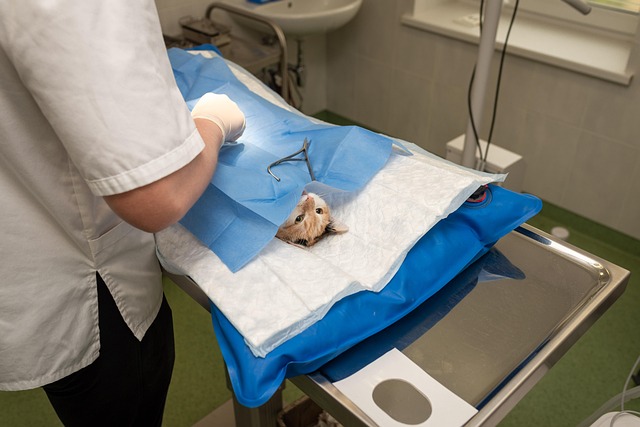
If the vomiting is due to a simple hairball or dietary indiscretion, treatment might be as simple as dietary changes or supportive care. For more serious conditions, specific treatments are necessary:
- Fluid Therapy: Intravenous (IV) or subcutaneous fluids are essential for rehydrating cats suffering from severe vomiting or diarrhea. This is crucial for supporting organ function.
- Medications: Depending on the diagnosis, cats may receive anti-nausea medications, anti-vomiting drugs (antiemetics), antibiotics, antiparasitics, acid reducers, pain relievers, or medications to manage chronic conditions like kidney disease or hyperthyroidism.
- Dietary Management: Special veterinary diets may be prescribed to manage conditions like IBD, pancreatitis, or kidney disease. These diets are often low in fat, highly digestible, or formulated with specific nutrient profiles.
- Surgery: If a foreign body obstruction is present, surgical removal is often the only treatment. Surgery may also be required for certain internal injuries or masses.
- Hospitalization: Cats with severe illness may require hospitalization for continuous monitoring, IV fluids, and intensive care.
For a cat diagnosed with pancreatitis, treatment typically involves hospitalization for IV fluids, pain management, and anti-nausea medication, alongside a careful feeding plan often starting with liquid or semi-liquid food once vomiting is controlled.
Home Care and Supportive Measures
For mild cases, your veterinarian might recommend supportive care at home:
- Bland Diet: A veterinarian might suggest feeding a small amount of a bland, easily digestible diet, such as boiled chicken (without skin or bones) or a specific veterinary recovery diet, for a day or two.
- Fasting: In some instances, a short fasting period (12-24 hours) may be recommended to allow the digestive system to rest, followed by reintroduction of food gradually. Always consult your vet before fasting your cat.
- Hydration: Ensure constant access to fresh, clean water. Monitor your cat’s water intake.
- Probiotics: Your vet may suggest specific feline probiotics to help restore healthy gut bacteria.
For a cat that has vomited a couple of times but is otherwise bright and alert, your vet might suggest feeding small, frequent meals of plain boiled chicken for 24 hours, alongside ensuring plenty of fresh water is available.
Preventative Strategies
Preventing your cat from throwing up white foam involves proactive care:
- Balanced Diet: Feed a high-quality, balanced diet appropriate for your cat’s age and health status. Avoid sudden changes in food.
- Regular Grooming: Brush your cat regularly, especially long-haired breeds, to minimize hair ingestion and subsequent hairballs. Hairball-control cat foods or treats can also be beneficial.
- Safe Environment: Keep potentially toxic plants, chemicals, and small ingestible objects out of reach. Secure trash cans and ensure windows and doors are properly screened.
- Scheduled Feeding: Feed your cat at regular intervals to prevent prolonged periods of an empty stomach. Consider multiple small meals throughout the day.
- Monitor Eating Habits: Watch for signs of overeating, eating too quickly, or consuming non-food items.
- Stress Reduction: Provide a stable and enriching environment to minimize stress, which can sometimes contribute to digestive upset.
- Regular Vet Check-ups: Annual or semi-annual check-ups allow for early detection of potential health issues before they become severe.
A simple preventative measure could be switching your long-haired Persian cat to a specialized hairball-control food and brushing her daily. This proactive approach can significantly reduce the likelihood of her hacking up foamy hairballs.
Common Mistakes Owners Make When Their Cat Vomits Foam
In the rush of concern, cat owners sometimes make mistakes that can delay proper care or exacerbate the problem.
Waiting Too Long to Seek Help
The most common mistake is assuming vomiting white foam is always minor and waiting too long to consult a veterinarian, especially if other symptoms are present. Delaying care for conditions like foreign body obstruction or pancreatitis can have life-threatening consequences. As of May 2026, veterinary mortality rates for untreated intestinal obstructions remain high.
For example, a owner might see their cat vomit foam, then see it eat normally later that day, and delay calling the vet. If the cat then develops lethargy and refuses food the next day, crucial diagnostic time may have been lost.
Self-Medicating or Using Human Medications
Another critical error is attempting to treat the cat with over-the-counter human medications or home remedies without veterinary guidance. Many human medications are toxic to cats (e.g., acetaminophen, ibuprofen), and even seemingly harmless remedies can interfere with diagnosis or treatment.
Giving your cat a dose of Pepto-Bismol without veterinary advice, for instance, might mask symptoms of a more serious issue like a foreign body or gastritis, making diagnosis more difficult for the vet later on. Always consult your veterinarian before administering any medication or treatment.
Forcing Food or Water
While ensuring hydration is important, forcing a cat to eat or drink if they are actively vomiting or seem very ill can be counterproductive and stressful for the animal. It can sometimes trigger more vomiting or even aspiration into the lungs. It’s better to let the cat rest and consult a vet, who can administer fluids and nutrition appropriately if needed.
A cat that’s repeatedly vomiting foam might become very reluctant to drink. While you should ensure water is available, trying to force-feed them or make them drink can increase their distress and potentially cause them to inhale fluids, leading to aspiration pneumonia.
Frequently Asked Questions
How often is it normal for a cat to throw up white foam?
Occasional vomiting of white foam, perhaps once every few weeks or months, may be considered normal for some cats, especially if linked to hairballs or an empty stomach. However, frequent vomiting, even if just foam, warrants veterinary attention.
Can stress cause a cat to throw up white foam?
Yes, significant stress or anxiety can sometimes lead to nausea in cats, which may manifest as vomiting white foam. Environmental changes, new pets, or loud noises can be stressors.
What should I feed my cat after it throws up white foam?
After a single episode of vomiting white foam, if your cat seems fine, you can typically offer its regular food. For persistent vomiting or if advised by a vet, a small amount of bland food like boiled chicken might be recommended.
Is white foam vomit a sign of a serious illness?
It can be, but not always. While minor causes like hairballs exist, white foam can also be a symptom of serious conditions such as gastritis, pancreatitis, kidney disease, or intestinal blockages.
How can I prevent my cat from vomiting white foam related to hairballs?
Regular grooming to reduce swallowed fur, feeding a hairball-control diet, and providing adequate hydration can help prevent hairball-related vomiting.
Can dry food cause a cat to throw up white foam?
While dry food itself doesn’t directly cause foamy vomit, eating it too quickly or having a sensitive stomach to its ingredients can lead to vomiting. Ensuring adequate hydration is also important.
A Healthy Future for Your Feline
Witnessing your cat throw up white foam can be a worrying experience, but understanding the potential causes, from simple hairballs to more serious medical issues, empowers you to act appropriately. By observing your cat closely for accompanying symptoms, maintaining a safe environment, and providing a balanced diet, you can significantly reduce the likelihood of these episodes.
As of May 2026, veterinary guidance emphasizes that while occasional foam vomit might not signal an emergency, prompt consultation with your veterinarian is always the best course of action when in doubt or when symptoms persist or worsen. Your proactive care is key to ensuring your cat lives a long, healthy, and comfortable life.
Information current as of May 2026; pricing and product details may change.
Related read: Cat White Frothy Vomit: Causes, Concerns, and When to See a Vet in 2026
Source: Britannica
Editorial Note: This article was researched and written by the Pet Magazine editorial team. We fact-check our content and update it regularly. For questions or corrections, contact us. Knowing how to address cat throwing up white foam early makes the rest of your plan easier to keep on track.
About The Author