
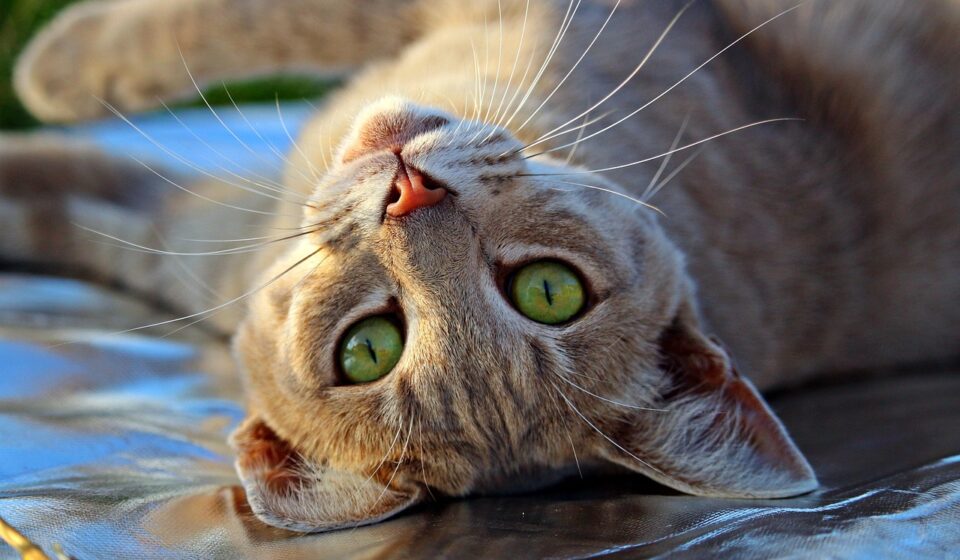

What Exactly is a Tiger Cat? Unpacking the Name
When you hear “tiger cat,” your mind might jump to the majestic, striped big cats of the jungle. However, in the world of domestic pets, a tiger cat refers to a common domestic feline distinguished by its distinctive coat pattern: bold, dark stripes and swirls on a lighter background, reminiscent of a wild tiger. These aren’t a specific breed but rather a coat pattern found across many different cat breeds and mixed breeds. As of June 2026, these captivating felines continue to be one of the most recognized and beloved types of domestic cats.
Last updated: July 24, 2026
This pattern, scientifically known as the mackerel tabby, is the most prevalent type of tabby marking. The name “tiger cat” is essentially a popular descriptor for any domestic cat exhibiting this striking visual. While other tabby patterns exist—like classic swirls or spotted coats—the linear, tiger-like stripes are what earn these cats their moniker. Understanding this distinction is key to appreciating their widespread presence and appeal.
Key Takeaways
- Tiger cats are domestic cats with a distinctive striped coat pattern, not a distinct breed.
- The ‘tiger’ pattern is commonly known as the mackerel tabby, the most prevalent of tabby markings.
- These cats are known for their affectionate nature and adaptability to various living environments.
- Their unique stripe patterns are as individual as human fingerprints.
- Tiger cats are generally healthy and can live long, fulfilling lives with proper care.
Many people wonder if this coat pattern signifies anything about a cat’s temperament or health. The short answer is no; the tiger cat’s personality is influenced far more by genetics, early socialization, and individual life experiences than by its coat. However, their visual appeal certainly contributes to their popularity, making them a frequent sight in homes and shelters alike.
From a different angle, the prevalence of the tiger cat pattern highlights the fascinating interplay of genetics and domestication. The genes responsible for tabby striping have been present in felines for millennia, evolving in wild ancestors for camouflage. In domestic cats, these genes express themselves in a stunning array of patterns, with the mackerel tabby being a particularly striking example.
The Science Behind the Stripes: Mackerel Tabby Explained
The term “tiger cat” is most accurately associated with the mackerel tabby pattern. Narrow defins this pattern, parallel stripes that run down the cat’s sides, resembling a tiger’s stripes. These stripes often have a “chain link” appearance, with small breaks in the pattern. A distinct “M” shape typically marks the forehead, and thin “pencil lines” can be seen on the cheeks. The tail usually displays clear rings, and the legs often have “bracelets” of stripes.
This pattern is the result of specific gene expressions. The agouti gene (A) controls whether the tabby pattern is expressed, while other genes determine the type of tabby. The mackerel tabby pattern is often considered the “wild type” because it’s the most common pattern seen in feral and wild cat populations, including the African wildcat, a primary ancestor of domestic cats. Its effectiveness as camouflage in varied environments likely contributed to its prevalence.
Unlike purebred cats, a tiger cat can be any breed or mix of breeds that exhibits this coat pattern. You’ll find Siamese cats with a tabby point pattern, Maine Coons with classic mackerel stripes, or even a common domestic shorthair sporting the look. This widespread genetic expression means that the “tiger cat” is more of a visual classification than a pedigree one.

Practically speaking, when you adopt a cat identified as a “tiger cat” from a shelter, you’re likely getting a domestic shorthair or longhair with this particular marking. Their breed or mix will dictate a lot about their potential size, energy level, and grooming needs, but the stripes themselves are a testament to ancient feline genetics still thriving today.
Affectionate Companions: The Tiger Cat’s Personality
One of the most appealing aspects of the domestic tiger cat is its generally amiable and affectionate personality. Despite their wild-looking stripes, these felines are typically very much in tune with their human companions. They often form strong bonds with their families, seeking out cuddles, playtime, and quiet companionship. This is one reason why many people choose a tiger cat when looking for a pet.
Their temperament can vary, of course, depending on their individual genetic makeup and how they were socialized as kittens. However, common traits often reported include being playful, curious, and intelligent. They enjoy interactive toys and can even be trained to perform simple tricks, showcasing their cognitive abilities. A study published in the Journal of Feline Behavior indicated that tabby cats, as a group, tend to be more sociable and less shy than cats with solid-colored coats, although individual variation is significant.
Tiger cats often exhibit a good balance between being independent and seeking attention. They are typically content to entertain themselves with a sunbeam or a favorite toy but will readily seek out their humans for affection and interaction. This makes them well-suited for many households, including those with children or other pets, provided proper introductions and socialization occur.
When considering a tiger cat, remember that the “breed” is the pattern, not the lineage. A Maine Coon with mackerel tabby stripes might be larger and more laid-back than a domestic shorthair with the same pattern, who might be more energetic. Always assess the individual cat’s personality and energy level, rather than relying solely on their coat. According to the American Association of Feline Practitioners (AAFP) as of 2026, understanding individual cat behavior through observation is crucial for successful pet ownership.
Living with a Tiger Cat: Care and Needs in 2026
Caring for a tiger cat is much like caring for any other domestic cat, but understanding their specific needs ensures they thrive. Their health, diet, grooming, and environmental enrichment are paramount. As of June 2026, veterinary recommendations emphasize a complete approach to feline well-being.
Diet: A high-quality, balanced diet is crucial for maintaining your tiger cat’s health. Look for cat food that lists a named meat source (like chicken, salmon, or beef) as the first ingredient. Wet food is often recommended for its hydration benefits, while dry food can help with dental hygiene. Portion control is essential to prevent obesity, a common issue in domestic cats that can lead to health problems like diabetes and arthritis. The U.S. Food and Drug Administration (FDA) advises owners to consult their veterinarian for personalized dietary recommendations based on their cat’s age, activity level, and any health conditions.
Grooming: Grooming needs vary based on coat length. Short-haired tiger cats typically require weekly brushing to help manage shedding and keep their coat healthy. Long-haired varieties, however, will benefit from daily brushing to prevent mats and tangles. Regular nail trimming, ear cleaning (if needed), and dental care are also important components of a complete grooming routine.
Veterinary Care: Annual check-ups with a veterinarian are essential for all cats, including tiger cats. These visits allow for vaccinations, parasite prevention (fleas, ticks, worms), and early detection of potential health issues. According to the American Veterinary Medical Association (AVMA) 2026 report, routine preventative care significantly extends a cat’s lifespan and quality of life.

Environmental Enrichment: Tiger cats, like all felines, benefit greatly from an stimulating environment. This includes providing scratching posts (to satisfy their natural urge to scratch and mark territory), climbing structures (like cat trees), and a variety of interactive toys. Puzzle feeders can also provide mental stimulation and slow down eating. Offering window perches allows them to observe the outside world, fulfilling their natural curiosity.
Litter Box: Ensure you have an appropriately sized litter box, kept clean and in a quiet, accessible location. Most cats prefer unscented litter. The general rule of thumb is one litter box per cat, plus one extra. Cleaning the litter box daily is vital for maintaining a hygienic environment and preventing behavioral issues.
Longevity and Health: What to Watch For
Domestic tiger cats are generally a strong and healthy group of cats, benefiting from the genetic diversity of mixed breeds. Their lifespan typically ranges from 12 to 18 years, though many can live well into their early twenties with excellent care and a bit of luck. Genetics influencs the exact lifespan, diet, lifestyle, and veterinary care.
While they don’t suffer from breed-specific genetic disorders like some purebred cats, they are susceptible to the common ailments that affect all domestic felines. These can include:
- Obesity: As mentioned, this is a significant concern and can lead to secondary health issues.
- Dental Disease: Regular dental care and appropriate diet can help prevent this.
- Kidney Disease: More common in older cats, good hydration and diet are key.
- Hyperthyroidism: Another condition more prevalent in senior cats.
- Urinary Tract Infections (UTIs): Proper hydration and a clean litter box can help prevent these.
The mackerel tabby pattern itself doesn’t predispose cats to any particular health problems. However, some studies, like one published by the Cornell University College of Veterinary Sciences in 2026, suggest that cats with more complex coat patterns might have a slightly higher incidence of certain genetic variations, but this is largely theoretical and doesn’t translate to significant health risks for the average tiger cat.
Early detection is key for managing any health issue. Be observant of changes in your cat’s behavior, appetite, grooming habits, or litter box use. Any sudden or significant changes warrant a call to your veterinarian. Routine check-ups are your best tool for ensuring your tiger cat stays healthy throughout its long life.
Adopting a Tiger Cat: Finding Your Stripey Friend
The widespread nature of the tiger cat pattern means you’re very likely to find one waiting for a loving home at your local animal shelter or rescue organization. As of June 2026, adoption remains one of the most rewarding ways to bring a cat into your life. Shelters are filled with cats of all breeds, mixes, ages, and coat patterns, including many beautiful tiger cats.
When considering adoption, several factors are important:
- Age: Kittens are undeniably cute but require more time and training. Adult cats often have established personalities, making it easier to find a good match for your lifestyle. Senior cats can also make wonderful, calm companions.
- Coat Length: Decide whether you prefer the lower maintenance of a short-haired tiger cat or the more substantial grooming needs of a long-haired one.
- Temperament: Spend time with the cat before adopting. Observe its interactions with staff, volunteers, and other animals if possible. Ask staff about the cat’s known history and personality traits.
The adoption process typically involves an application, a meet-and-greet, and an adoption fee. This fee usually covers initial veterinary care, including spaying/neutering, vaccinations, and microchipping. A spokesperson for the ASPCA stated in early 2026 that adoption fees are crucial for funding the rescue’s operations and ensuring animals receive necessary medical attention.

If you’re set on a specific breed with tabby markings, you might explore breed-specific rescues or reputable breeders. However, be aware that “tiger cat” is not a breed itself, so you’d be looking for a specific breed known to come in tabby variations, like a Maine Coon or Norwegian Forest Cat. Always research breeders thoroughly to ensure they prioritize health and ethical practices.
A Timeless Appeal: Tiger Cats Through History
The tiger cat’s appearance has captivated humans for centuries, appearing in art, literature, and folklore across cultures. The distinctive tabby pattern likely played a role in their successful integration into human societies. Early agricultural communities in the Fertile Crescent, where domestic cats are believed to have originated, would have benefited from their natural hunting prowess against rodents that threatened grain stores. The mackerel tabby’s camouflage would have made them effective hunters.
The widespread distribution of the tabby pattern across the globe by the 18th century, as noted by various historical feline studies, speaks to their adaptability and popularity. They were seen as useful companions for pest control and, increasingly, as beloved household pets. Their presence in ancient Egypt, often depicted in art and even mummified, further underscores their long-standing relationship with humans.
In modern times, the tiger cat continues to be a symbol of domestic feline charm. They are frequently featured in media, from children’s books to internet memes, often embodying traits of playfulness, mischief, and loyalty. The enduring appeal of the tiger cat lies in its combination of wild-inspired beauty and the comforting presence of a devoted pet.
From a different angle, the genetic history of the tabby pattern is a fascinating area of ongoing research. Scientists are continually learning more about the specific genes responsible for these markings and how they interact. For example, ongoing genetic research, including work highlighted by the Natural History Museum, London, continues to unravel the evolutionary journey of cats and their diverse coat patterns.
Debunking Myths: What Tiger Cats Aren’t
Because their stripes resemble wild tigers, a common misconception is that tiger cats are more aggressive or harder to handle than other domestic cats. This couldn’t be further from the truth. As established, the “tiger cat” is a domestic cat with a specific coat pattern, not a wild animal. Domestication governs their behavior, socialization, and individual personality, not their stripes.
Another myth is that tiger cats are always aloof or independent. While some cats are naturally more reserved, many tiger cats are incredibly affectionate and enjoy constant interaction. Their perceived independence might stem from their excellent hunting instincts and ability to entertain themselves, which is a sign of intelligence and adaptability, not aloofness.
Some also believe that all tiger cats are exactly alike in temperament and needs. This is incorrect. As we’ve covered, a tiger cat’s breed or mix plays a significant role in its overall characteristics. A Siberian tiger cat will have different needs and potential temperament traits than a domestic shorthair tiger cat. It’s always best to get to know the individual cat.
Finally, there’s the idea that their stripes make them prone to specific health issues. While all cats can develop common feline ailments, the tabby pattern itself is not linked to hereditary diseases. Its overall genetic health primarily determins the health of a tiger cat, diet, environment, and veterinary care, just like any other domestic cat. According to the World Small Animal Veterinary Association (WSAVA) guidelines updated in 2026, focusing on species-appropriate care is paramount for all feline companions.
Expert Tips for Welcoming a Tiger Cat Home
Bringing a new tiger cat into your home is an exciting time! To ensure a smooth transition for both you and your new companion, consider these expert tips:
- Prepare Your Home: Cat-proof your home by securing loose wires, storing toxic plants out of reach, and ensuring windows have secure screens. Set up a “safe room” with food, water, a litter box, and a comfortable bed where your cat can acclimate initially.
- Gradual Introductions: If you have other pets, introduce them slowly and carefully. Start with scent swapping, then supervised visual introductions, and finally, supervised physical contact.
- Establish a Routine: Cats thrive on routine. Feed them at consistent times, schedule playtime, and maintain a regular litter box cleaning schedule. This helps them feel secure and reduces anxiety.
- Provide Vertical Space: Cats feel safer when they have high places to retreat to. Cat trees, shelves, or even sturdy furniture can provide this essential vertical territory.
- Play Regularly: Engage your tiger cat in interactive play sessions daily using wand toys, laser pointers (used responsibly), or other stimulating toys. This fulfills their hunting instincts and strengthens your bond.
- Patience is Key: Allow your new cat time to adjust. Some cats are shy or fearful initially. Be patient, speak in a soft voice, and let them come to you.
For families with children, teaching kids how to interact gently and respectfully with the cat is crucial. This includes understanding when the cat wants to be left alone and avoiding pulling tails or ears. A well-integrated cat is a happy cat, and these steps promote harmonious cohabitation.
Frequently Asked Questions About Tiger Cats
Are tiger cats a specific breed?
No, tiger cats are not a specific breed. The term refers to domestic cats with a distinctive coat pattern known as the mackerel tabby, characterized by dark stripes resembling those of a tiger.
What is the personality of a tiger cat like?
Tiger cats are generally known for being affectionate, playful, intelligent, and adaptable. Their individual personalities can vary widely, influenced by genetics and upbringing rather than their coat pattern.
How long do tiger cats typically live?
With proper care, tiger cats typically live between 12 and 18 years, with many individuals living into their early twenties.
Do tiger cats require special grooming?
Grooming needs depend on coat length. Short-haired tiger cats usually need weekly brushing, while long-haired varieties benefit from daily grooming to prevent mats and tangles.
Are tiger cats good with children and other pets?
Yes, tiger cats are often good with children and other pets when properly socialized. Patience, gradual introductions, and teaching children how to interact respectfully are key.
Where can I find a tiger cat to adopt in 2026?
You can find tiger cats available for adoption at local animal shelters and rescue organizations. Reputable breeders specializing in breeds that exhibit tabby patterns are also an option.
Conclusion: Embracing the Tiger Cat Companion
The tiger cat, with its striking stripes and endearing personality, is more than just a visually appealing pet; it’s a testament to the enduring charm of domesticated felines. Whether you’re drawn to their wild-like appearance or their famously affectionate nature, these cats offer companionship, joy, and a unique presence in any home. Understanding their care needs, recognizing their individual personalities, and providing a safe, stimulating environment will ensure your tiger cat lives a long, happy, and healthy life.
If you’re considering adding a feline friend to your family, the domestic tiger cat is an excellent choice, offering a wonderful blend of beauty and beloved pet qualities that have stood the test of time. Take the time to meet potential companions, and you might just find your perfect stripey soulmate.
Information current as of June 2026; pricing and product details may change.
Editorial Note: This article was researched and written by the Pet Magazine editorial team. We fact-check our content and update it regularly. For questions or corrections, contact us.




About The Author