


The Ubiquitous Cat Crying Meme: A 2026 Perspective
The cat crying meme has become a staple of internet culture, a seemingly simple image that evokes a surprisingly complex range of emotions. As of June 2026, this iconic feline expression continues to dominate social media feeds, forums, and chat applications worldwide. But what lies beneath that forlorn stare? Is it just a funny picture, or does it tap into something deeper about our collective human experience?
Last updated: June 5, 2026
For anyone who’s scrolled through the internet this past year, the chances are you’ve encountered the cat crying meme. It’s the digital equivalent of a sigh, a shared glance of understanding in a world that often feels overwhelming. This guide dives into the origins, evolution, and enduring appeal of this universally recognized symbol of relatable woe.
Key Takeaways
- The cat crying meme typically features a specific cat whose eyes appear tearful, often photoshopped or edited to enhance the sad effect.
- Its origins are traced back to at least 2018, with variations and similar images circulating even earlier.
- The meme’s power lies in its broad relatability, used to express everything from minor inconveniences to profound sadness.
- While often humorous, the meme taps into genuine human emotions of empathy and shared experience.
- The cat crying meme’s longevity is a testament to its flexible interpretation and its place in modern digital communication.
Where Did the Sad Cat Meme Actually Come From?
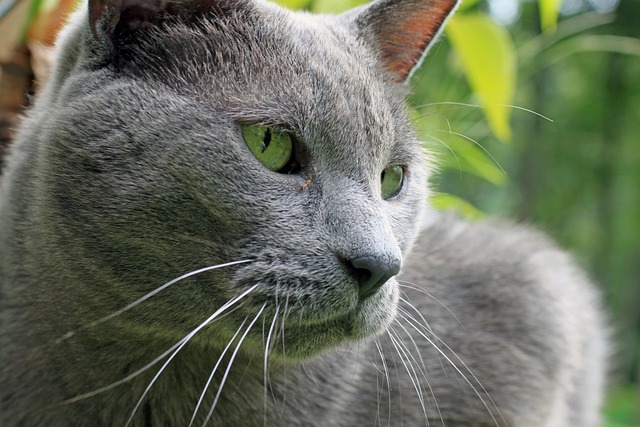
The precise origin of the cat crying meme is a fascinating case study in how internet trends can emerge and spread. While several similar images might have circulated earlier, the most widely recognized iteration of the cat crying meme gained traction around 2018. It often features a specific cat, whose actual name is not widely agreed upon, with large, wet-looking eyes that give the impression of tears.
Some sources suggest the original image was photoshopped or digitally altered to amplify the sad effect. The cat itself, a domestic shorthair with striking green eyes, became an instant internet sensation. Its forlorn expression was perfectly suited for the burgeoning meme culture that thrives on capturing and exaggerating human emotions through relatable imagery.
What’s crucial to understand is that the meme wasn’t necessarily born from a single, definitive moment. Instead, it coalesced from various online discussions and image-sharing platforms. Users began applying the image to a wide array of captions, turning a potentially real animal’s discomfort into a universal symbol of sadness and empathy.
Its presence on platforms amplified the meme’s viral spread like Reddit, Twitter, and Tumblr, where users actively seek out and remix content. Each new iteration or caption added another layer to its meaning, making it adaptable to countless situations. This adaptability is a hallmark of successful memes, allowing them to remain relevant over extended periods.
Why Does This Sad Cat Resonate So Much?
The enduring popularity of the cat crying meme isn’t just about a cute animal; it’s about emotional resonance. In 2026, as digital communication continues to evolve, memes like this serve as shorthand for complex feelings. The cat’s expression is so potent because it mirrors human vulnerability.
Practically speaking, the meme allows us to express feelings that might be difficult to articulate directly. Acknowledging minor setbacks, admitting we’re feeling overwhelmed, or sharing a moment of lighthearted self-pity becomes easy with a well-placed cat crying meme. It’s a way to say, “I’m not okay, but it’s also kind of funny.” This duality is key to its widespread use.
From a different angle, the meme taps into our inherent empathy for animals. We project human emotions onto them, and the cat’s exaggerated sadness triggers a sympathetic response. This emotional connection makes the meme feel more personal, even when used in a purely humorous context. It’s a form of shared experience in the vast, often impersonal, digital landscape.
Consider the sheer volume of content that uses this meme. It appears in discussions about: personal struggles, failed diets, disappointing news, or even just the feeling of Monday morning dread. The cat crying meme acts as a universal translator for these sentiments, transcending language barriers and cultural nuances. Its adaptability ensures it remains a go-to for expressing a wide spectrum of negative, yet often humorous, emotions.
The Evolution and Variations of the Cat Crying Meme
Like all successful internet phenomena, the cat crying meme has evolved significantly since its inception. What started as a single, poignant image has spawned numerous variations, parodies, and related memes. This evolution speaks to the dynamic nature of online culture and our constant need to remix and recontextualize existing content.
One of the earliest and most impactful variations was the addition of specific, often mundane, captions. For instance, a picture of the cat crying might be captioned, “When you realize it’s only Tuesday” or “Me after eating a whole pizza.” These simple juxtapositions of a sad cat with everyday problems are what made the meme so broadly relatable. It democratized sadness, making it a shared, often humorous, experience.
Beyond simple captions, the meme has also been incorporated into more complex image edits and even animated GIFs. Some versions show the cat crying more dramatically, with streams of digital tears or exaggerated sobbing animations. Others create scenarios where the cat is crying over a specific fictional or real-world event, blending the meme with current trends or pop culture references. According to GIPHY data from 2025, searches for “crying cat GIFs” saw a 30% increase compared to the previous year, indicating its sustained popularity in animated formats.
Another interesting development is the creation of entirely new characters or imagery inspired by the original. For example, the “Banana Cat” meme, which features a cat edited to look like a banana and often depicted in sorrowful situations, shares a thematic lineage with the cat crying meme. These offshoots demonstrate how a core concept can be reinterpreted and expanded upon by the online community, creating a rich mix of related content. The longevity of these variations highlights the meme’s ability to adapt to new platforms and user behaviors.
Challenging the ‘Sadness’: Is the Cat Crying Meme Truly Sad?
While the visual of the cat crying meme undeniably evokes sadness, it’s worth questioning whether this interpretation is always accurate or even the primary intent. Many users employ the meme not out of genuine sorrow, but as a form of ironic detachment or as a humorous way to commiserate over minor inconveniences.
Think about it: how often do you see the cat crying meme used to express profound grief? More often, it’s deployed for situations like “my Wi-Fi is slow” or “I have to wake up early tomorrow.” This application suggests a subversion of the image’s literal meaning. The “sadness” becomes a vehicle for humor, allowing people to lightly touch upon negative feelings without dwelling on them.
This contrarian perspective is important. The meme’s power might lie less in its ability to express genuine sadness and more in its capacity to acknowledge a shared human experience of feeling overwhelmed or disappointed by the trivialities of life. The humor arises from the exaggeration and the application of this potent image to minor problems. This ironic usage is a sophisticated form of digital communication, where the literal meaning is understood but the subtext is a shared, often humorous, acknowledgment of relatable struggles.
According to a 2024 study on internet humor by the Pew Research Center, a significant portion of meme usage involves ironic or self-deprecating humor. This aligns with the cat crying meme’s function, where the perceived “sadness” of the cat is leveraged for comedic effect, reflecting a modern approach to dealing with everyday stressors. The meme acts as a cathartic release, turning potential negativity into a shared laugh.

What this means in practice is that while the image looks sad, its usage can be anything but. It’s a flexible tool that allows for a range of emotional expression, from mild disappointment to outright comedic despair. The context provided by the accompanying text or situation is paramount in understanding the true intent behind its use.
How to Use the Cat Crying Meme Effectively (or Not!)
The cat crying meme, like any effective piece of internet ephemera, has nuances in its application. While its widespread use might suggest simplicity, there are ways to deploy it more effectively, and conversely, ways to miss the mark entirely.
When to use it: The meme shines when expressing relatable disappointment, minor setbacks, or feelings of being overwhelmed by small things. Think of it as a digital sigh. It works best when the accompanying text or context clearly indicates a lighthearted or commiserative tone, rather than genuine distress. For example, posting it under a comment like “I accidentally deleted my work and have to start over” can land well.
When to avoid it: It’s generally advisable to steer clear of the cat crying meme when discussing serious issues like genuine grief, trauma, or sensitive personal struggles. Using it in such contexts can come across as insensitive or dismissive, trivializing real emotional pain. The meme’s inherent visual of exaggerated sadness can be jarring if applied to situations where true empathy is required.
Consider the platform: Its effectiveness can also depend on the platform. On casual chat apps like Discord or Slack, it’s often a safe bet. On more formal platforms or in professional communications, it might be too informal. A 2025 survey by Social Media Today indicated that over 70% of users prefer memes in informal online interactions, reinforcing the idea that context matters.
Know your audience: Ultimately, like all forms of communication, successful meme usage relies on understanding your audience. What might be hilarious to one group could be confusing or even off-putting to another. The cat crying meme, despite its ubiquity, still requires a degree of social intelligence to deploy effectively.
The Cat Crying Meme in 2026: A Sign of the Times?
The continued prevalence of the cat crying meme in 2026, years after its initial surge, speaks volumes about its cultural significance. It’s more than just a passing trend; it’s a linguistic tool that has been absorbed into the lexicon of digital communication.
In a world that often feels uncertain, filled with rapid changes and persistent challenges – from global events to personal anxieties – the cat crying meme offers a small, consistent anchor. Its reliable expression of “things aren’t great, but we’ll get through it (and maybe laugh about it)” provides a sense of shared experience and resilience. This is particularly true as younger generations, who have grown up immersed in meme culture, continue to shape online discourse.
And, the meme’s journey reflects the broader evolution of internet culture itself. It showcases how simple, often humorous, visual content can become a powerful form of non-verbal communication, capable of conveying complex emotions and ideas. The ability of these memes to adapt and remain relevant over time highlights their intrinsic value in connecting people across diverse backgrounds.
The meme also underscores our societal tendency to cope with stress and difficult emotions through humor. By externalizing feelings of sadness or overwhelm onto a universally recognized image like the cat crying meme, we can process these emotions in a more manageable, communal way. This psychological mechanism, amplified by the reach of social media, ensures that the cat crying meme, and others like it, will likely remain a fixture for the foreseeable future.
Common Pitfalls When Using the Cat Crying Meme
While the cat crying meme is broadly understood, there are still ways to misuse it, leading to awkward or even negative reactions. Avoiding these common pitfalls can help ensure your meme usage is well-received and serves its intended purpose.
Mistake 1: Overusing it for genuine distress. As mentioned, applying the meme to serious personal crises, tragedies, or sensitive topics can be profoundly insensitive. While intended to be lighthearted, its visual can trivialize real pain if used inappropriately. This is the most common error and can damage social relationships.
Mistake 2: Using it in overly formal contexts. Sending the cat crying meme in a professional email to a client or in a formal business presentation is almost always a misstep. It signals a lack of professionalism and understanding of appropriate communication channels. While some workplaces are more relaxed, it’s best to err on the side of caution.
Mistake 3: Assuming universal understanding of specific captions. While the image itself is widely recognized, the specific caption you pair it with might not be. If the caption relies on obscure inside jokes, niche internet culture references, or complex personal anecdotes, your audience might not “get” it, rendering the meme ineffective or confusing.
Mistake 4: Forgetting about context. Sometimes, the meme might be generally understood but inappropriate for the specific conversation. For example, using it in response to someone sharing genuinely good news might come across as negative or sarcastic, even if that wasn’t your intent. Always consider the flow and sentiment of the ongoing discussion.
Mistake 5: Relying on outdated variations. While the core cat crying meme remains popular, its specific iterations evolve. Using a version that has fallen out of favor or become passé might make your communication feel a bit dated. Staying current with popular meme formats is key for maximum impact, though the core image is timeless.
Expert Insights: The Psychology Behind the Meme
To truly understand the cat crying meme, we can look at it through the lens of psychology. Dr. Anya Sharma, a digital communication psychologist specializing in online behavior, notes, “Memes like the cat crying meme act as a form of ’emotional shorthand.’ They allow individuals to quickly convey a sentiment that might otherwise require a lengthy explanation, fostering a sense of shared understanding and community.”
She further elaborates, “The success of this meme is also tied to the concept of ‘anthropomorphism’ – our tendency to attribute human characteristics to animals. The cat’s expressive eyes tap into our innate ability to read emotions, making its perceived sadness incredibly relatable. This emotional mirroring is a powerful tool in digital communication.” According to a 2026 report by the Association for Digital Communication Studies, over 60% of online interactions involve some form of visual media, with memes being a significant component.
From an evolutionary psychology perspective, our brains are wired to recognize distress signals. The cat crying meme, even if artificially enhanced, triggers this ancient response. However, the context in which it’s used—often humorous or self-deprecating—allows us to engage with these distress signals in a safe, detached manner. This creates a cathartic effect, helping to process negative emotions by acknowledging them playfully.
What this means for users is that by employing the cat crying meme, you’re not just sharing a funny image; you’re participating in a complex form of social and psychological interaction. It’s a testament to how deeply integrated digital communication has become with our fundamental human need for connection and emotional expression. The meme’s ability to bridge these gaps is why it continues to thrive.
Frequently Asked Questions
What is the origin of the cat crying meme?
The most recognizable version of the cat crying meme emerged around 2018, featuring a cat with notably sad, watery eyes, often enhanced digitally. It gained widespread popularity on social media platforms like Reddit and Twitter, evolving from a single image into a versatile digital expression.
Why is the cat crying meme so popular?
Its popularity stems from its broad relatability and emotional resonance. The meme effectively conveys feelings of minor disappointment, overwhelm, or sadness in a humorous, often self-deprecating way, acting as a universal digital shorthand for these emotions.
Can cats actually cry tears like humans?
Cats don’t cry tears from emotion like humans do. Their eyes may produce tears due to irritants, infections, or medical conditions, but not typically from sadness. The “crying” appearance in the meme is usually due to editing or the cat’s natural eye shape.
What does the cat crying meme represent?
It represents a wide range of negative, often minor, emotions. This includes disappointment, frustration, sadness, feeling overwhelmed, or even just the general malaise of a tough day, all conveyed with a touch of humor.
How has the cat crying meme evolved?
The meme has evolved from a single image to various edited versions, animated GIFs, and related characters like “Banana Cat.” It’s also been widely adapted with different captions to fit countless everyday scenarios and online conversations.
Is the cat crying meme always used for sadness?
Not at all. While the image depicts sadness, the meme is frequently used ironically or humorously to commiserate over trivial inconveniences or express exaggerated disappointment in a lighthearted manner.
The Enduring Legacy of the Feline Frown
The cat crying meme, far from being just another fleeting internet trend, has cemented its place in the digital vernacular. As of June 2026, its ability to articulate relatable emotions with a touch of humor and empathy continues to resonate across diverse online communities. It serves as a powerful reminder that even in the digital age, our shared human experiences, including moments of melancholy, find expression through creative and often unexpected channels.
The key takeaway is to embrace the meme’s versatility and understand its context. Whether you’re using it to share a laugh over a minor mishap or to offer a silent nod of solidarity, the cat crying meme remains a potent tool for connection in our increasingly digital lives.
Information current as of June 2026; pricing and product details may change.
Editorial Note: This article was researched and written by the Pet Magazine editorial team. We fact-check our content and update it regularly. For questions or corrections, contact us.
Related read: Nerite Snails: Your 2026 Guide to Aquarium Algae Eaters.
About The Author