
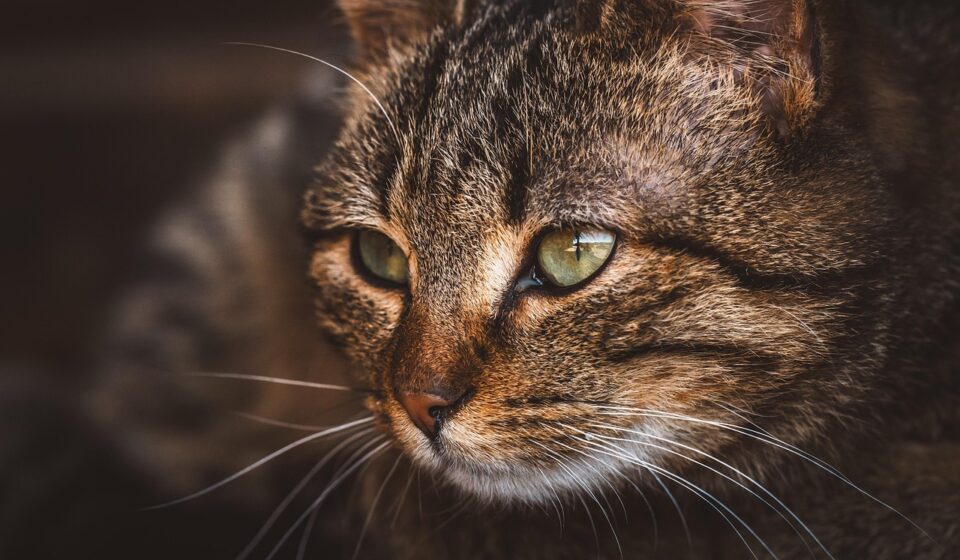

For anyone who’s ever looked into their feline friend’s mesmerizing eyes, a common question might arise: Do cats have eyelashes? It’s a simple query, but the answer, as with most things feline, is nuanced and fascinating. As of June 2026, the consensus among veterinary professionals and cat behaviorists is clear: cats do have structures that serve a similar purpose to human eyelashes, though they look and function quite differently.
Last updated: June 5, 2026
Key Takeaways
- Cats possess specialized stiff hairs, often called vibrissae or guard hairs, around their eyes that act as sensory tools and protective barriers.
- Unlike humans, cats don’t have prominent, long eyelashes that frame their eyes; their protective hairs are shorter and more rigid.
- A crucial component of feline eye protection is the third eyelid, or nictitating membrane, which sweeps across the eye to clean and moisten it.
- Certain breeds or individuals might appear to have more noticeable “eyelashes” due to coat patterns or specific genetic traits.
- Maintaining good feline eye health involves regular observation for signs of irritation, discharge, or injury.
Why Cats Have Specialized Eye Hairs, Not Human-Like Eyelashes
When we picture eyelashes, we often think of long, delicate strands that fringe the eyelid, fluttering gracefully. Cats, however, have evolved a different strategy for eye protection and sensory input. Instead of soft, flexible lashes, they have shorter, stiffer hairs that are more akin to their whiskers in texture and function. These are often referred to as vibrissae or, more specifically in this context, supraorbital or suborbital vibrissae, growing from the upper and lower eyelids. These hairs are highly sensitive to touch and air currents, acting as early warning systems.
Practically speaking, these specialized hairs help cats gauge whether they can fit through narrow spaces, detect changes in airflow, and even provide a reflex to protect the eye. If something — like a stray dust particle or an errant branch — comes too close, these hairs trigger a blink reflex, helping to prevent injury. This is a critical survival mechanism for a creature that relies heavily on keen eyesight for hunting and navigating its environment.
Understanding Cat Eye Anatomy: More Than Just the Visible Hairs
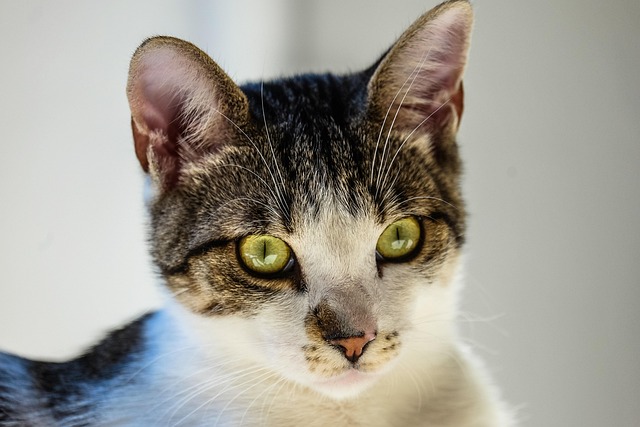
To truly understand how cats protect their eyes, we need to look beyond just the hairs. A key player is the nictitating membrane, commonly known as the third eyelid. This transparent or translucent membrane sweeps horizontally across the eye from the inner corner. It provides an additional layer of protection and lubrication, much like a windshield wiper, especially when the cat is in motion or if its eyes are exposed to debris.
You might not always see the third eyelid, as it’s usually retracted. However, if a cat is relaxed, sleepy, ill, or experiencing eye discomfort, it can become more visible. This is a crucial part of their natural defense system. According to the American Veterinary Medical Association (AVMA) (2025), the nictitating membrane plays a vital role in maintaining corneal health by distributing tears evenly and removing small foreign particles that might otherwise cause irritation or damage.
Do All Cats Have Eyelashes (or Their Equivalent)?
The short answer is yes, all cats have the specialized guard hairs around their eyes that serve the function of eyelashes. However, the visibility and apparent length of these hairs can vary significantly between breeds and even individual cats. Some breeds, like the Persian or Himalayan, with their flatter facial structures (brachycephalic breeds), might have eye shapes and fur growth patterns that make these sensory hairs more noticeable.
Conversely, cats with longer, more pointed muzzles might have these hairs less prominent. It’s also important to distinguish these guard hairs from eyebrows, which some cats may also possess. These are typically longer, coarser hairs located above the eye, offering a minor degree of protection from overhead debris or sunlight, though their sensory function is less pronounced than that of the vibrissae around the eyes.
From a different angle, while the hairs are present, they aren’t typically prominent enough to be considered an aesthetic feature in the way human eyelashes are. Their primary purpose is functional: protection and sensation. While you won’t find cats batting their lashes like Hollywood stars, their eyes are just as well-protected, thanks to their unique anatomy.
The complex Function of Feline Eyelashes and Guard Hairs
The specialized hairs around a cat’s eyes, while not true eyelashes in the human sense, perform several critical functions. The most important is protection. These stiff hairs act as a first line of defense against dust, dirt, and other airborne particles, triggering an immediate blink reflex to sweep them away before they can reach the delicate cornea.
Beyond simple physical barriers, these hairs are highly sensitive sensory organs. They are connected to nerve endings and can detect subtle changes in air currents and proximity to objects. Do cats have eyelashes allows cats to navigate in tight spaces or detect approaching threats without necessarily needing to see them directly. This sensory input is vital for their predatory instincts and their ability to move stealthily.
For example, imagine a cat darting through dense undergrowth. The hairs around its eyes can sense the presence of leaves or twigs brushing against them, prompting a protective blink and allowing the cat to adjust its path. This refined sensory feedback contributes significantly to their agility and grace, even in low-light conditions. According to research cited by the University of Florida College of Veterinary Medicine (2024), these vibrissae are essential for tactile sensation and spatial awareness, extending beyond just eye protection.
Do Cats Need Eyelashes for Vision or Beauty?
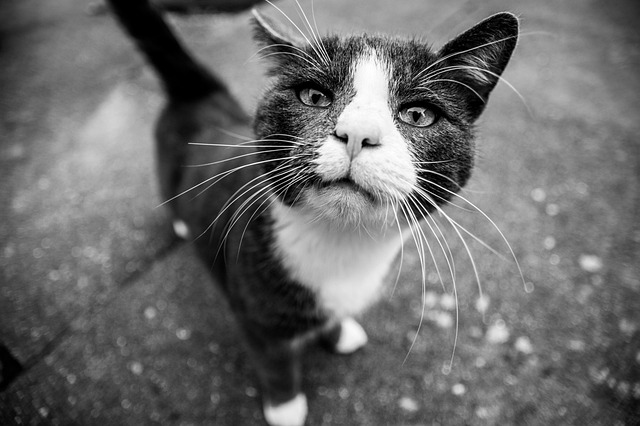
The need for eyelashes in cats is purely functional, not aesthetic. Unlike humans, who may associate long eyelashes with beauty or femininity, cats’ eye hairs serve no cosmetic purpose. Their biological imperative is survival, and these hairs directly contribute to maintaining vision and preventing eye injury, which is paramount for hunting and avoiding predators.
Cats are crepuscular, meaning they are most active during dawn and dusk. Their vision is highly adapted for low-light conditions, and any impairment to their eyes could significantly hinder their ability to hunt effectively or navigate safely. The protective structures around their eyes, including the specialized hairs and the third eyelid, are therefore essential for their overall visual acuity and well-being.
From a different angle, while we find our cats beautiful, their physical features are primarily shaped by evolutionary pressures. The absence of long, lush eyelashes is simply a reflection of what has been most advantageous for their species’ survival in their natural environment. What we perceive as a lack of beauty is, in fact, peak biological efficiency for a feline.
Eyelash Disorders and Eye Health in Cats
While cats’ eye protection mechanisms are strong, they are not infallible. Just like humans, cats can suffer from various eye conditions, some of which involve the structures around the eyes, including these specialized hairs. Some common issues include:
- Trichiasis: This condition occurs when eyelashes (or other hairs around the eye) grow inward, towards the cornea. The constant friction can cause irritation, inflammation, pain, and even corneal ulcers. Breeds with prominent facial folds, like Persians, are more prone to this due to the way their skin and hair are structured.
- Ectropion: In this condition, the eyelid itself rolls inward, causing the eyelashes and skin to rub against the cornea. It’s a more severe form of irritation that requires veterinary attention.
- Distichiasis: This is an abnormality where additional hairs grow from the Maximian glands on the eyelid margin, which is normally hairless. These hairs can also irritate the eye.
If you notice your cat squinting, pawing at their eyes, experiencing excessive tearing, redness, swelling, or visible discharge, it’s crucial to consult a veterinarian. Prompt diagnosis and treatment are essential to prevent long-term damage and maintain your cat’s vision. According to veterinary ophthalmology resources, early intervention can significantly improve outcomes for many eye conditions, with costs for initial consultations ranging from $100 to $250, and treatments varying widely based on the condition.

How to Care for Your Cat’s Eyes at Home
While you can’t style your cat’s “eyelashes,” you can play a vital role in maintaining their overall eye health. The most important thing is regular observation. Get into the habit of looking at your cat’s eyes daily, especially if they are an older cat or a breed prone to eye issues.
Look for clarity, moisture, and absence of discharge or redness. Gently wipe away any minor crusting or debris that might accumulate at the corners of the eyes using a soft, damp cloth (use a separate cloth for each eye to avoid cross-contamination). If you notice any changes, such as persistent tearing, cloudiness, or unusual blinking, contact your veterinarian. Don’t attempt to use human eye drops or ointments without professional veterinary advice, as these can be harmful to cats.
Practically speaking, incorporating an eye check into your daily grooming routine, perhaps while you’re petting them or brushing their fur, makes it easier to spot problems early. This proactive approach can save your cat discomfort and potentially costly treatments down the line.
Breathing Room for Feline Eyes: What About Eyebrows?
While the focus is often on the hairs around the eyelids, it’s worth mentioning that some cats also have a distinct set of longer, coarser hairs above their eyes, functioning much like eyebrows. These aren’t as pronounced as human eyebrows but can offer a small degree of protection from direct sunlight and falling debris from above.
The primary function of these “eyebrow” hairs is believed to be related to protecting the eyes from glare and potential physical impacts. They can also play a subtle role in feline facial communication, although this is less studied than the impact of ear or tail position. For most cats, these are simply part of their overall coat and camouflage, but they add another layer to the complex protective system of the feline face.
Some sources suggest these hairs might also aid in directing water away from the eyes during rain or heavy dew. This is particularly useful for cats that spend a lot of time outdoors and rely on clear vision for hunting and navigation. Their presence, though subtle, contributes to the overall robustness of feline ocular protection.
Debunking Myths About Cat Eyelashes
The idea that cats lack eyelashes entirely is a common misconception, likely stemming from the fact that their protective hairs aren’t as long or visible as human ones. Some people might also confuse the fine hairs around the eyes with whiskers, which are much more prominent sensory organs.
Another myth is that cats don’t need eye protection because they have a third eyelid. While the third eyelid is crucial, it works in conjunction with the protective hairs, not as a replacement. The hairs provide immediate reflex protection and sensory input, while the third eyelid offers more continuous lubrication and sweeping action. Both are vital components of feline eye health.
It’s also a misconception that only certain breeds have these eye hairs. As established, all cats possess them as a biological trait. The difference lies in their visibility and prominence, not their presence. As of 2026, the veterinary community continues to educate pet owners about these unique feline adaptations to ensure proper care and understanding.
Final Thoughts: The Subtle Wonders of Feline Eye Care
So, do cats have eyelashes? Yes, they do, but in a way that’s uniquely feline. These specialized sensory hairs, combined with the remarkable third eyelid, form an incredibly effective system for protecting and maintaining their precious eyesight. Understanding these adaptations not only answers a curious question but also deepens our appreciation for the intricate biology of our feline companions.
The key takeaway for any cat owner is to observe your cat’s eyes regularly and seek veterinary advice if you notice any signs of distress or abnormality. By staying informed and attentive, you can help ensure your cat enjoys clear vision and comfortable eyes throughout their life. The subtle wonders of feline eye care are a testament to millions of years of evolution, ensuring these majestic creatures can continue to see, hunt, and thrive.
Last reviewed: June 2026. Information current as of publication; pricing and product details may change.
Frequently Asked Questions
What is do cats have eyelashes?
do cats have eyelashes is a topic that many people search for. This article provides a thorough overview based on current information and expert analysis available in 2026.
Why does do cats have eyelashes matter?
Understanding do cats have eyelashes helps you make better decisions. Whether you’re a beginner or have some experience, staying informed on this topic is genuinely useful.
Where can I learn more about do cats have eyelashes?
We recommend checking authoritative sources and official websites for the most current information. This article is regularly updated to reflect new developments.
Editorial Note: This article was researched and written by the Pet Magazine editorial team. We fact-check our content and update it regularly. For questions or corrections, contact us. For readers asking “Do cats have eyelashes”, the answer comes down to the specific factors covered above.




About The Author