
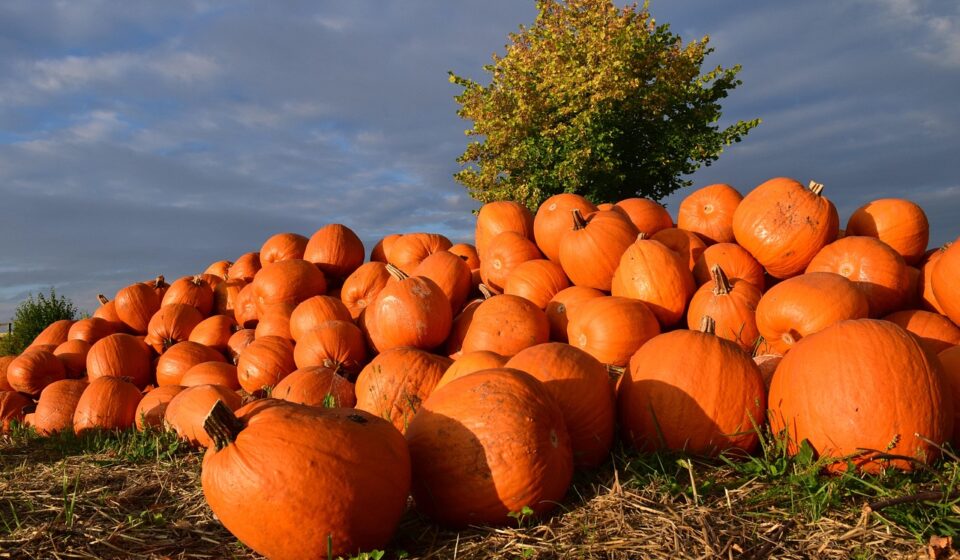

Transforming Pumpkins into Canine Tributes for 2026
Most homeowners opt for generic Halloween decorations, missing the chance to showcase their beloved pets. This year, let’s change that. Dog pumpkin carving offers a unique and personal way to celebrate the season, turning ordinary gourds into artistic tributes to our four-legged family members. As of May 2026, the trend is more popular than ever, with an increasing array of accessible tools and techniques making it easier for everyone to participate.
Last updated: May 30, 2026
- Dog pumpkin carving allows for highly personalized Halloween decor.
- Free and purchasable stencils are widely available for various breeds and designs.
- Safety precautions are crucial when carving, especially around pets and children.
- Simple tools and techniques can yield impressive results for beginners.
- Breed-specific patterns and custom designs offer unique ways to represent your dog.
For anyone looking to elevate their Halloween display beyond store-bought frights, dog pumpkin carving provides an unparalleled opportunity for creativity. Whether you’re aiming for a spooky canine silhouette or a cheerful portrait of your furry friend, the process is rewarding and the end result is sure to impress. This guide will walk you through everything you need to know to create your own masterpiece, from selecting the right pumpkin to the final glowing reveal.
The Appeal of Canine Carvings
Why has dog pumpkin carving captured the imagination of pet owners? It’s more than just a seasonal craft; it’s a heartfelt expression of the bond we share with our dogs. Unlike generic Halloween motifs, a dog-themed pumpkin is deeply personal, often reflecting a specific breed, a beloved pet’s unique features, or a playful inside joke only a dog owner would understand.
The rise of accessible design tools and a growing appreciation for personalized home decor have fueled this trend. As of 2026, you can find everything from simple paw print stencils to intricate breed-specific patterns designed to capture the essence of breeds like Dachshunds, French Bulldogs, or German Shepherds. This accessibility means that whether you’re a seasoned carver or a complete novice, you can achieve impressive results.
Essential Supplies for Your Pup-Project
Before you dive into transforming your pumpkin, gathering the right tools will make the process smoother and more enjoyable. You don’t need a professional sculptor’s kit; most everyday households have what’s needed, or you can acquire specialized pumpkin carving tools for a modest investment. Many crafters find that basic kitchen tools suffice, especially for simpler designs.
Choosing Your Pumpkin
The foundation of any good pumpkin carving is, of course, the pumpkin itself. For dog pumpkin carving, consider the size and shape that best suits your chosen design. Larger pumpkins offer more canvas for intricate details, while smaller ones are perfect for simple paw prints or single-feature designs.
Look for pumpkins with a smooth, firm surface, free from soft spots or bruises. A flat bottom is also beneficial for stability, ensuring your creation won’t topple over. Many retailers offer a wide selection of pumpkins in various sizes and shapes throughout the autumn season.
Carving Tools and Accessories
While a standard kitchen knife can work in a pinch, specialized pumpkin carving kits offer greater control and safety. These kits typically include:
- Saws: Small, serrated saws designed for carving through pumpkin rind. These offer more precision than kitchen knives.
- Scoops/Spoons: For efficiently removing seeds and pulp. Look for ones with sturdy handles.
- Drills/Punches: Useful for creating small, consistent holes for patterns or textures.
- Etching Tools: For scraping away the outer layer of the pumpkin skin to create shaded effects, rather than cutting all the way through.
- Stencils: Pre-made or printable patterns to guide your carving.
For dog pumpkin carving specifically, consider a fine-tipped etching tool or a small saw for detailed facial features like eyes, noses, and whiskers. According to user forums and craft blogs from late 2025, a basic carving set can range from $10 to $35, with more advanced kits costing up to $50.
Safety First for Pets and People
Working with sharp tools requires caution, and when pets are involved, it’s paramount. Always carve in a well-lit area, away from where pets can roam freely and accidentally knock over your work or ingest pumpkin innards. Keep tools out of reach of children and pets when not in use.
When using electric tools or even small carving saws, maintain a firm grip and work slowly. If you’re carving with children, supervise them closely and consider assigning them simpler tasks like scooping seeds or decorating the outside of the pumpkin with paint or markers.
Finding and Using Dog Pumpkin Stencils
The heart of successful dog pumpkin carving lies in the stencil. These patterns provide the blueprint for your canine creation, guiding your cuts and ensuring your design translates from paper to pumpkin effectively. Fortunately, as of 2026, there’s a vast and growing library of stencils available, catering to every skill level and breed preference.
Free vs. Paid Stencils
The internet is awash with free dog pumpkin carving stencils. Many websites, including pet blogs and general craft sites, offer printable patterns for popular breeds, paw prints, bones, and general dog silhouettes. A quick search for “free dog pumpkin carving stencils” will yield hundreds of options.
However, for highly detailed, breed-specific, or unique artistic designs, you might consider purchasing stencils. These often come with more detailed instructions or are designed by professional artists, potentially offering a higher quality result. Paid stencils can range from $2 to $10 per design, depending on complexity and source.
How to Apply and Transfer Stencils
Once you’ve chosen your stencil, the transfer process is key. Print the stencil, ideally on slightly heavier paper or cardstock for durability. Then, secure it to your pumpkin using painter’s tape.
For carving, you can either:
- Cut Out the Stencil: Carefully cut along the stencil lines with a craft knife or scissors, then trace the cut-out onto the pumpkin.
- Trace with a Tool: Use a transfer tool, a blunt needle, or even a dry pen to poke holes along the stencil lines onto the pumpkin’s surface. This creates a dotted outline to follow.
- Direct Carving: For simpler designs, you might place the stencil directly on the pumpkin and carve through both simultaneously, though this can be tricky and might damage the stencil.
The poking method is often preferred for intricate dog face patterns, as it allows for precise placement and a clear guide without the stencil shifting.

Step-by-Step Guide to Dog Pumpkin Carving
Creating your dog-themed pumpkin is a multi-stage process, but by breaking it down, it becomes manageable and enjoyable. Follow these steps for a successful carving experience.
Preparation and Cleaning
Start by cleaning your pumpkin. Use a damp cloth to wipe away any dirt or debris. Then, cut off the top or bottom (whichever you prefer for access) using a sharp, sturdy knife. Be sure to cut at an angle inwards so the lid doesn’t fall into the pumpkin. Carefully scoop out all the seeds and pulp. A metal ice cream scoop or a specialized pumpkin scoop works best. Scrape the inside walls to about an inch thick for easier carving and better light diffusion.
Transferring Your Design
Select your desired dog pumpkin carving stencil. Tape it securely to the pumpkin’s surface. Use a poking tool or a blunt pencil to create a series of small dots along the lines of the design. Once done, remove the stencil. You should have a dotted outline on the pumpkin.
The Carving Process
Begin carving by following the dotted lines. Use a small, serrated pumpkin saw for precise cuts. For detailed areas like eyes, noses, or fur texture, a finer carving tool or even a small craft knife might be necessary. Work slowly and deliberately, especially on curves and tight corners. Don’t rush; it’s better to take your time and make cleaner cuts.
For designs that involve scraping away the outer skin (etching) to create shading, use an etching tool or a linoleum cutter. This technique adds depth and dimension to your dog’s features without cutting through the pumpkin wall.

Finishing Touches and Lighting
Once carving is complete, remove any loose pumpkin bits. You can clean up the edges with a damp cloth. To preserve your creation, a light coating of petroleum jelly or a commercial pumpkin sealant can help prevent drying and rotting, extending its life for a few extra days. For lighting, consider using a battery-operated LED candle or light string. These are safer than traditional candles, especially around pets and children, and provide a consistent glow.
Creative Dog Pumpkin Ideas for All Breeds
The beauty of dog pumpkin carving is its versatility. You can celebrate your specific breed, a general dog theme, or even a playful Halloween twist. Here are some popular and creative ideas to inspire your 2026 Halloween decor.
Breed-Specific Portraits
Many dog owners want their pumpkin to resemble their actual pet. Look for stencils tailored to specific breeds. Capturing the distinct ear shape of a German Shepherd, the short snout of a Pug, or the long body of a Dachshund can be incredibly rewarding. Even if a perfect stencil isn’t available, you can adapt general dog face patterns by altering features like ears and snout length.
Dog Silhouettes and Outlines
For a more abstract yet instantly recognizable look, consider dog silhouettes. These designs feature the outline of a dog, often with a Halloween element like a ghost or a witch’s hat. They are generally easier to carve than detailed portraits and can be very striking, especially when lit from within.
A popular variation is the dog in a window or doorway silhouette, creating a narrative scene. This can be achieved by carving the dog’s profile against an open space within the pumpkin.
Playful and Punny Designs
Embrace the fun of Halloween with pun-themed dog pumpkins. Ideas include:
- “Howl-oween” Pumpkins: Carve a wolf or dog howling at the moon.
- Ghost Dog: A dog peeking out from or dressed as a ghost.
- Pumpkin Patch Pup: A dog interacting with smaller pumpkins or gourds.
- “Bone-Appétit”: A dog bone carved prominently on the pumpkin.
These designs often use simpler shapes and are great for beginners or when working with children.
Tips for Long-Lasting and Safe Pumpkins
To ensure your canine creation remains a festive focal point throughout the Halloween season, a few preservation techniques can be employed. Safety, especially concerning pets, should always be a top priority.
Preserving Your Carved Pumpkin
Once carved, pumpkins are susceptible to drying out, molding, and attracting pests. To combat this:
- Clean Thoroughly: Remove all seeds and pulp.
- Seal the Edges: Apply petroleum jelly, vegetable oil, or a commercial pumpkin sealant to the cut edges and inside surface. This helps retain moisture.
- Refrigerate (if possible): If you have space, refrigerating your pumpkin overnight can slow down decomposition.
- Bleach Solution (optional): Some people spray the inside with a diluted bleach solution (1 tablespoon bleach per quart of water) to inhibit mold growth, but this can be harsh and is not pet-friendly.
According to horticultural advice from the University of California, Davis, a pumpkin’s lifespan can be extended by a week or more with proper care, though weather conditions significantly impact this. As of May 2026, these methods remain the most effective for home carvers.
Keeping Pets Safe Around Carved Pumpkins
While your carved masterpiece is on display, it’s crucial to ensure your pets remain safe. Pumpkins, especially carved ones, can pose risks:
- Ingestion: Some dogs may try to eat the pumpkin or its contents, which can lead to digestive upset. While small amounts of plain pumpkin are safe and even beneficial for dogs, large quantities or moldy pumpkin can cause problems.
- Sharp Edges: Curious pets might chew on or investigate the carved edges, potentially cutting their mouths.
- Lighting: Traditional candles present a fire hazard, especially if a pet knocks over the pumpkin. Battery-operated LED lights are the safest option.
It’s advisable to place carved pumpkins in areas inaccessible to pets, such as on high shelves or in rooms they don’t frequent. If your dog is particularly curious or prone to chewing, consider decorative options that don’t involve carving, like painting or drawing on the pumpkin’s surface.
Common Mistakes to Avoid in Dog Pumpkin Carving
Even with the best intentions, a few common pitfalls can lead to frustration or a less-than-perfect result in dog pumpkin carving. Being aware of these can help you Handle the process more smoothly.
Rushing the Process
The most frequent mistake is trying to carve too quickly. Intricate details and clean lines require patience. Rushing often leads to jagged cuts, broken stencil pieces, or accidental slips. Allow ample time, especially for complex designs.
Using Dull or Inappropriate Tools
A dull knife or saw requires more force, increasing the risk of slipping and making clean cuts nearly impossible. Conversely, using a kitchen knife not designed for carving can also lead to poor results and safety hazards. Invest in a basic pumpkin carving kit for better control and efficiency.
Ignoring Pumpkin Prep
Skipping the step of thoroughly cleaning and scraping the inside of the pumpkin can lead to uneven carving and premature spoilage. A well-prepped pumpkin is easier to work with and lasts longer. Ensure the inner walls are scraped to a consistent thickness.
Choosing an Overly Complex Design for Beginners
While ambitious designs are tempting, beginners should start with simpler patterns. Paw prints, basic silhouettes, or designs with fewer fine details are more manageable. As your skills improve, you can tackle more elaborate breed portraits or multi-component designs.
Forgetting About Lighting and Display
A carved pumpkin is only half the story; lighting is crucial for the final reveal. Forgetting to plan for lighting, or using an unsafe light source, can detract from your hard work. Always opt for safe, battery-operated LED lights and consider how the light will diffuse through your design.
Frequently Asked Questions About Dog Pumpkin Carving
What is the best way to transfer a dog stencil onto a pumpkin?
The most effective method is to secure the printed stencil with painter’s tape and then use a poking tool or a blunt pencil to create a dotted outline along the design lines. Dog pumpkin carving provides a clear, precise guide for carving.
How long do carved pumpkins last?
With proper preservation techniques, such as sealing cut edges with petroleum jelly and keeping them in a cool environment, carved pumpkins can last from one to two weeks. Factors like humidity and temperature play a significant role.
Can I carve a pumpkin without a stencil?
Yes, you can carve freehand if you have artistic skill. Alternatively, you can sketch your design directly onto the pumpkin with a washable marker. However, stencils are highly recommended for achieving recognizable dog features.
What kind of pumpkin is best for carving?
Look for pumpkins with a smooth, firm rind and a relatively flat surface. A consistent wall thickness also makes carving easier. Pie pumpkins are often smaller and denser, while carving pumpkins are typically larger and have thinner walls, making them ideal for detailed work.
Are there specific tools for dog pumpkin carving?
While standard pumpkin carving tools work well, finer etching tools or small detail saws are beneficial for capturing intricate dog features like fur texture, whiskers, and expressions. Many craft stores offer specialized kits.
How can I make my dog pumpkin carving unique?
Beyond breed-specific patterns, consider adding 3D elements, using different colored pumpkins, or combining carving with painting. You can also create a scene, such as a dog playing in a carved pumpkin patch.
Information current as of May 2026; pricing and product details may change.
Source: Britannica
Editorial Note: This article was researched and written by the Pet Magazine editorial team. We fact-check our content and update it regularly. For questions or corrections, contact us.
Related read: The Cat Crying Meme: More Than Just a Sad Face in 2026.
Related read: The Cat Crying Meme: More Than Just a Sad Face in 2026.



About The Author