
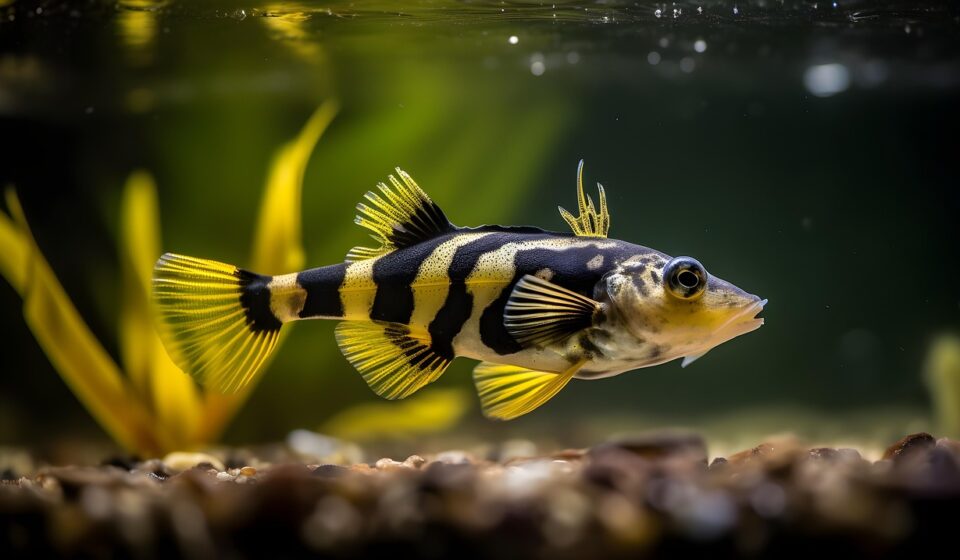

Meet the Corydoras Catfish
For anyone looking to add a lively, engaging, and peaceful inhabitant to their freshwater aquarium, the corydoras catfish, affectionately known as ‘corys’ or ‘cory cats,’ stands out as a premier choice. These small, armored bottom-dwellers are celebrated for their charming personalities, unique foraging behaviors, and remarkable compatibility within community tanks. As of June 2026, their popularity shows no sign of waning, making them a staple in aquariums worldwide.
Last updated: June 9, 2026
What makes these little fish so enduringly popular? It’s a combination of their engaging antics, their relative hardiness, and the sheer variety of species available, each with its own subtle beauty. Unlike many other bottom-feeders, corydoras catfish actively explore their environment, often engaging in charmingly quirky behaviors that delight aquarists. They are not mere decorations; they are active participants in the aquarium ecosystem.
Key Takeaways
- Corydoras catfish are peaceful, active, schooling bottom-dwellers ideal for community aquariums.
- Proper substrate, a varied diet, and ample tank space are crucial for their well-being.
- They require social interaction and should be kept in groups of at least 3-5 individuals of the same species.
- Over 200 recognized species exist, offering a wide range of sizes, colors, and patterns.
- Corydoras are not a cleanup crew; they need dedicated feeding to thrive.
Understanding Corydoras Catfish: More Than Just Bottom Feeders
Corydoras catfish belong to the family Callichthyidae, a diverse group of freshwater catfish characterized by two rows of bony plates, or scutes, along their flanks, giving them an ‘armored’ appearance. This unique feature provides protection from potential predators in their native South American river systems.
Their flattened bellies and barbels are perfectly adapted for sifting through substrate in search of food. These barbels are highly sensitive sensory organs, allowing them to detect food particles hidden beneath sand or gravel. While often labeled as ‘algae eaters’ or ‘cleanup crews,’ this is a common misconception. Corydoras catfish are primarily scavengers and insectivores, and they require specific foods to meet their nutritional needs.
A World of Corydoras: Popular Species to consider
With over 200 described species and countless more awaiting scientific classification, the diversity within the Corydoras genus is astounding. Some are small and delicate, while others grow considerably larger. For beginners, selecting smaller, hardier species is often recommended. As of June 2026, these species remain consistently popular:
- Pygmy Corydoras (Corydoras pygmaeus): One of the smallest species, reaching only about 1 inch (2.5 cm) in length. They are unique in that they sometimes swim in the mid-water levels, not just the bottom. They thrive in groups of six or more.
- Panda Corydoras (Corydoras panda): Easily recognizable by their distinctive black eye-patches and tail spot, resembling a panda bear. They typically grow to 2-2.5 inches (5-6.5 cm) and are very peaceful.
- Bronze/Albino Corydoras (Corydoras aeneus): A very common and hardy species, readily available in both their natural bronze coloration and albino variants. They can reach up to 3 inches (7.5 cm) and are strong aquarium inhabitants.
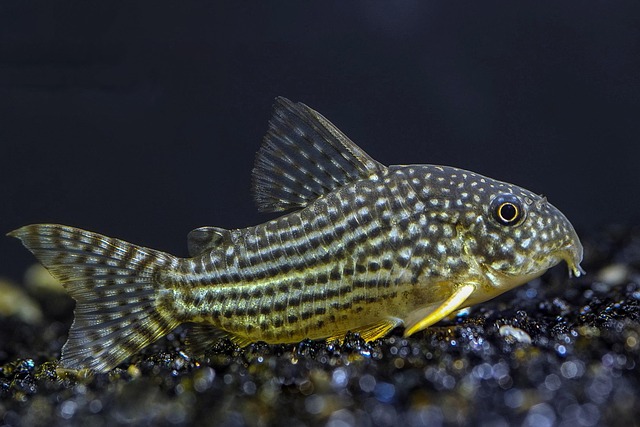
- Sterbai Corydoras (Corydoras sterbai): Known for their striking spotted pattern and preference for warmer water. They grow to about 2.5-3 inches (6.5-7.5 cm) and are a visually appealing addition to a community tank.
- Emerald Corydoras (Corydoras splendens): These can grow larger, up to 4 inches (10 cm), and display beautiful greenish-blue iridescence. They are generally peaceful but require a larger tank due to their size.
When selecting species, consider their adult size and water parameter preferences to ensure compatibility if you plan to mix different types. For instance, pygmy corys are often kept in larger numbers due to their small size and unique schooling behavior.
Creating the Ideal Corydoras Habitat
Setting up the right environment is crucial for the health and happiness of your corydoras catfish. Their needs are straightforward but specific, focusing on substrate, water parameters, and tank size.
Substrate Matters: Sand is King
Perhaps the most critical aspect of tank setup for corydoras is the substrate. Due to their habit of sifting through the substrate with their barbels to find food, a smooth, soft substrate like sand is highly recommended. Sand allows them to forage naturally without damaging their delicate sensory organs. Aquarium sand, play sand (properly rinsed and sterilized), or fine-grained silica sand are excellent choices.
Avoid coarse gravel, especially with sharp edges. If you must use gravel, ensure it’s smooth and rounded, or consider using a sand substrate in a designated feeding area if a full sand bed isn’t feasible. A substrate such as crushed coral or large-grained gravel can cause physical damage to their barbels, leading to infections and long-term health issues. The risk is significant enough that specialized retailers often recommend sand as a non-negotiable for corydoras care.
Water Quality and Filtration
Corydoras catfish thrive in clean, well-oxygenated water. They originate from slow-moving, clear freshwater streams and tributaries. Maintaining stable water parameters is key:
- Temperature: Most species prefer temperatures between 75-80°F (24-27°C). Some, like the Bronze Corydoras, can tolerate slightly cooler temperatures, around 72°F (22°C), but consistency is more important than the exact number.
- pH: A pH range of 6.0 to 7.5 is generally suitable for most species.
- Water Hardness: Soft to moderately hard water (5-15 dGH) is ideal.
A good filtration system is essential to keep the water clean, but a strong current should be avoided. A sponge filter or a hang-on-back (HOB) filter with its outflow directed away from the substrate or baffled can provide excellent mechanical and biological filtration without creating excessive flow. Regular partial water changes, typically 25-30% weekly, are vital for maintaining water quality and preventing the buildup of nitrates, which can be detrimental to bottom-dwelling fish.
Tank Size and Schooling Needs
Corydoras catfish are highly social fish and should never be kept alone. They are happiest and healthiest when housed in groups of their own species. The minimum recommended group size is 3-5 individuals. For most common species like Pandas or Bronze Corydoras (which grow to 2.5-3 inches), a 20-gallon (75-liter) aquarium is a suitable starting point for a small group. Larger species or larger groups will require bigger tanks.
For example, a group of 6-8 Pygmy Corydoras might do well in a 10-gallon (38-liter) tank, while a larger group of Sterbai or Emerald Corydoras would benefit from a 30-gallon (113-liter) or larger aquarium. Providing ample floor space is more important than height for these bottom-dwelling fish.
Dietary Needs: Beyond the Scraps
Dispelling the myth that corydoras are a ‘cleanup crew’ is paramount for their well-being. While they will scavenge for leftover food, this is insufficient for their nutritional requirements. A dedicated feeding routine is essential. Their diet should be varied and consist of high-quality sinking foods.
The Best Foods for Corydoras
The cornerstone of a corydoras diet should be sinking pellets or wafers specifically formulated for bottom-feeding fish. These foods are designed to break down slowly, giving your corys time to find and consume them. Look for options rich in protein and essential nutrients.
Supplement their diet with other foods such as:
- Frozen Foods: Brine shrimp, bloodworms, and daphnia are excellent, nutritious treats. Ensure they are thawed before feeding.
- Live Foods: Micro-worms, vinegar eels, or baby brine shrimp can be provided occasionally.
- Vegetable Matter: While not their primary food source, some species will nibble on blanched zucchini, cucumber, or specialized algae wafers, especially if other greens are scarce.
Feed your corydoras 1-2 times a day, offering only what they can consume within a few minutes. Overfeeding can lead to poor water quality and health issues. Observe their body condition; a well-fed corydoras will have a slightly rounded belly.
Ensuring Adequate Food Intake
In a mixed-species tank, corydoras can sometimes be outcompeted for food by faster-swimming tank mates. To ensure they get enough to eat, try dropping sinking foods directly towards the area where your corydoras are located, or use a feeding dish that allows them to eat undisturbed. If you have very fast or aggressive tank mates, you might need to feed the corydoras a small portion in the evening after the lights are dimmed, when other fish are less active.
Understanding Corydoras Behavior
Corydoras catfish are renowned for their peaceful and inquisitive nature. They spend most of their waking hours exploring the aquarium substrate, using their barbels to investigate every nook and cranny for food. This foraging behavior is a natural and healthy activity.
The Importance of Schooling
As mentioned, corydoras are schooling fish. This means they feel secure and exhibit their most natural behaviors when kept in groups. A lone corydoras cat will likely become stressed, lethargic, and prone to illness. A group provides safety in numbers, social interaction, and opportunities for natural mating behaviors.
When kept in a proper group, you’ll observe them interacting, chasing each other playfully (often referred to as ‘the zoomies’), and resting together. Their social dynamics are a significant part of their appeal. According to Aquarium Co-Op, a leading authority in home aquarium care, keeping corydoras in appropriate groups is one of the most crucial aspects of their well-being. They note that a happy school of corys is a joy to watch.
Unique Corydoras Quirks
One of the most fascinating behaviors is their ability to ‘gulp’ air from the surface. They possess a modified digestive tract that allows them to absorb atmospheric oxygen. This is completely normal and indicates they feel comfortable and secure in their environment, as they only do it when relaxed. If they are gulping air constantly, it might suggest poor water quality or low oxygen levels in the water itself, prompting an investigation into filtration and aeration.
You may also observe them ‘twitching’ or wiggling their pectoral fins. This is often a sign of communication, a way to assert dominance, or simply a method of moving around their environment, especially over soft substrate. Some species, like the Pygmy Corydoras, are known to engage in ‘dancing’ or swimming in playful patterns, further adding to their entertainment value.

Corydoras as Community Tank Inhabitants
The peaceful nature of corydoras catfish makes them excellent candidates for a wide variety of community aquariums. Their small size and non-aggressive demeanor mean they generally coexist well with other peaceful fish.
Ideal Tank Mates
Excellent tank mates include:
- Small Tetras (e.g., Neon Tetras, Cardinal Tetras, Ember Tetras)
- Rasboras (e.g., Harlequin Rasboras, Chili Rasboras)
- Dwarf Gouramis
- Guppies and Platies (though be mindful of rapid breeding)
- Endler’s Livebearers
- Peaceful Cichlids (e.g., Apistogramma species in larger tanks)
- Otocinclus Catfish
When choosing tank mates, always prioritize fish that share similar water parameter requirements and have a peaceful temperament. Avoid housing corydoras with large, aggressive, or predatory fish that might harass them or see them as prey. Fish that are fin-nippers can also be problematic, as they might disturb the corys.
Tank Mates to Avoid
Steer clear of:
- Aggressive Cichlids (e.g., Oscars, Jack Dempseys)
- Large predatory fish (e.g., Angelfish if they grow too large, some larger Gouramis)
- Fin-nippers (e.g., Tiger Barbs in some setups)
- Fish that require drastically different water parameters (e.g., very hard, alkaline water or extremely soft, acidic water).
It’s also wise to consider the adult size of all fish. A fish that’s small when purchased can grow significantly, changing its compatibility with existing tank mates. Always research potential tank mates thoroughly before adding them to an established aquarium.
Breeding Corydoras: A Rewarding effort
Breeding corydoras catfish can be a rewarding experience for dedicated aquarists. While not as straightforward as breeding guppies, it’s achievable with the right conditions. The process often involves mimicking their natural breeding triggers.
Triggers for Breeding
To encourage breeding, aquarists typically perform a ‘simulated rainy season.’ This involves a period of slightly cooler water temperatures, followed by a large water change with cooler water, which signals to the fish that conditions are favorable for spawning. A diet rich in protein and live foods can also help condition the fish for breeding.
When ready to spawn, the male corydoras will exhibit courtship behaviors, often involving chasing the females and forming the ‘mating embrace,’ where the female picks up sperm in her pelvic fins and then deposits her eggs in her fins before fertilizing them.
Raising the Fry
The eggs are typically laid on surfaces like aquarium glass, plant leaves, or filter intakes. They are usually fertilized externally. Once laid, it’s often best to remove the eggs to a separate breeding tank with clean, shallow water and gentle filtration (like a sponge filter) to prevent predation by the parents or other tank mates. The eggs hatch in 3-5 days, and the fry are free-swimming. They can be fed infusoria, microworms, baby brine shrimp, or specialized fry foods.
Success rates can vary widely. For instance, the US Fish and Wildlife Service notes that artificial breeding programs for some aquatic species can significantly boost population numbers, a principle that applies here for enthusiasts aiming to breed their corys.
Troubleshooting Corydoras Care
Even with the best intentions, aquarists may encounter issues. Understanding common problems and their solutions can help ensure your corydoras remain healthy.
Barbel Damage and Rot
Problem: Damaged or eroded barbels, leading to redness, inflammation, or actual rot. This is almost always caused by abrasive substrate (sharp gravel, rough sand) or poor water quality.
Solution: Immediately switch to a fine sand substrate. Perform large, frequent water changes to improve water quality. If infection is present, consider a broad-spectrum antibiotic treatment designed for aquarium use, but consult with a knowledgeable fish veterinarian or experienced aquarist first.
Bloat and Constipation
Problem: Corydoras appearing swollen or bloated, often due to overfeeding, poor diet, or internal parasites.
Solution: Fast the fish for 2-3 days (no food at all). After the fast, offer only high-quality, live or frozen foods like daphnia or bloodworms, which act as natural laxatives. Ensure their regular diet includes sufficient fiber. If bloating persists, consult a fish health expert.
Lethargy and Lack of Activity
Problem: Corydoras are unusually inactive, hiding more than usual, or not foraging.
Solution: Check water parameters (ammonia, nitrite, nitrate, pH, temperature). Ensure they are housed in a group of at least 3-5. Verify that tank mates are not aggressive or bullying them. Sometimes, simply adding more individuals to the school can resolve this.
Maximizing Corydoras Well-being: Expert Insights
Beyond the basics, a few expert tips can elevate your corydoras care from good to exceptional. These insights focus on observing their natural behaviors and providing an enriching environment.
- Observe Their Sniffing: Their barbels are their primary tools for exploration. A corydoras actively ‘sniffing’ the substrate is a happy, healthy corydoras. If they are not doing this, investigate why.
- Provide Hiding Places: While they are active explorers, corydoras also appreciate secure places to rest and feel safe. Dense planting, driftwood, and smooth caves provide excellent retreats.
- Consider Species-Specific Groups: While many corydoras can coexist, keeping a group of a single species often leads to more natural social interactions and less competition. For example, a dedicated 20-gallon tank for 8-10 Panda Corydoras can be a visually stunning and behaviorally rich setup.
- Water Change Routine is Key: Don’t underestimate the impact of regular, consistent water changes. This is often the single most effective way to prevent disease and stress.
- Feed Varied Foods: Rotate through different high-quality sinking foods and occasional live/frozen treats. This ensures they receive a broad spectrum of nutrients, much like their varied diet in the wild.
For instance, in aquariums where supplemental feeding is inconsistent, species like the Emerald Corydoras can sometimes struggle to maintain their vibrant coloration and strong build, highlighting the importance of a proactive feeding strategy.
Frequently Asked Questions About Corydoras Catfish
What is the best substrate for corydoras catfish?
The ideal substrate for corydoras catfish is fine aquarium sand. Corydoras catfish allows them to safely sift through it with their sensitive barbels in search of food without causing injury.
How many corydoras catfish should I keep together?
Corydoras are schooling fish and should be kept in groups of at least three to five individuals of the same species. Larger groups are often even better for their social well-being.
Can corydoras catfish live with betta fish?
Yes, in many cases, corydoras catfish can live peacefully with betta fish. However, it depends on the betta’s temperament, and the tank must be large enough to accommodate both species comfortably with adequate hiding places.
What do dwarf corydoras eat?
Dwarf corydoras, such as the Pygmy Corydoras, primarily eat small sinking pellets, frozen foods like brine shrimp or daphnia, and occasionally live foods. They are not efficient algae eaters and require dedicated feeding.
Do corydoras catfish need a filter?
Yes, corydoras catfish require a filter to maintain clean and healthy water conditions. They thrive in well-oxygenated water, and a filter provides essential biological and mechanical filtration.
Can corydoras catfish survive without a heater?
Most popular corydoras species prefer warmer water temperatures between 75-80°F (24-27°C). While some hardy species might tolerate slightly cooler conditions, a heater is generally recommended to maintain stable, optimal temperatures.
Conclusion: Bringing Home Your Corydoras
Corydoras catfish offer an unparalleled glimpse into the fascinating world of aquarium inhabitants. Their active foraging, peaceful interactions, and diverse appearances make them a rewarding species for aquarists of all levels. By providing the correct sandy substrate, a stable environment, appropriate tank mates, and a varied diet, you can ensure your corydoras catfish thrive for years to come.
The single most impactful action you can take for your corydoras is to ensure they are kept in a group of their own kind on a soft substrate. This simple step lays the foundation for a happy, healthy, and engaging aquatic pet experience.
Last reviewed: June 2026. Information current as of publication; pricing and product details may change.
Editorial Note: This article was researched and written by the Pet Magazine editorial team. We fact-check our content and update it regularly. For questions or corrections, contact us.




About The Author