
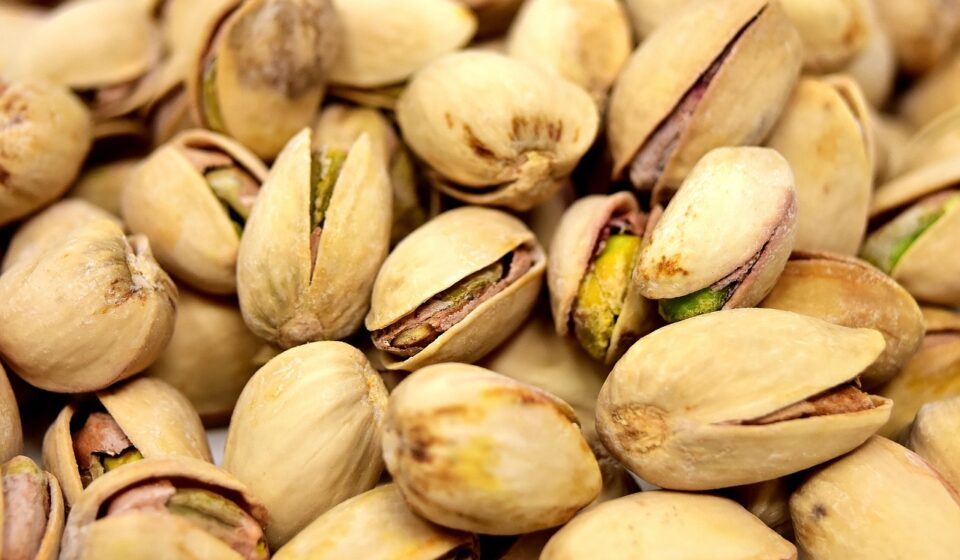

For dog owners, the question of what’s safe for their furry companions is an ongoing one. Peanuts themselves are often a beloved treat for many dogs, but what about the shells? Can dogs eat peanut shells? As of May 2026, the veterinary consensus leans heavily towards a precautionary ‘no.’ While not inherently poisonous, peanut shells present a range of potential dangers, from choking hazards to serious digestive obstructions. Understanding these risks is crucial for any responsible pet owner.
Last updated: May 5, 2026
Key Takeaways
- Peanut shells are generally not recommended for dogs due to significant health risks.
- They pose a serious choking hazard and can cause intestinal blockages.
- Peanut shells are not digestible and can lead to painful gastrointestinal issues.
- Always ensure peanut butter is xylitol-free and offer pet-specific treats instead of human snack remnants.
- If your dog ingests peanut shells, contact your veterinarian immediately.
Why Peanut She’lls Are a Risky Snack for Dogs
The primary concern with dogs consuming peanut shells is their indigestible nature. Unlike the peanut itself, the shell is fibrous and tough, offering no nutritional value to canines. This fibrous material can be difficult for a dog’s digestive system to break down, leading to a variety of gastrointestinal problems.
Dogs often chew enthusiastically but don’t always process food with the same care as humans. A swallowed shell, or pieces of it, can cause irritation or even create a physical barrier in the intestinal tract. This is why veterinarians consistently advise against feeding peanut shells to dogs.
The Choking Hazard: A Critical Concern
One of the most immediate dangers of dogs eating peanut shells is the risk of choking. Small, hard objects can easily become lodged in a dog’s airway, particularly in smaller breeds or dogs that tend to gulp their food. This can lead to a life-threatening emergency requiring immediate veterinary intervention.
Even if not fully obstructing the airway, shell fragments can cause gagging and distress. This unpleasant experience can also lead to a fear or aversion to treats, which is counterproductive for training and bonding. Always supervise your dog when they are consuming any treat or food item.
Intestinal Blockages: A Serious Medical Emergency
Beyond choking, ingested peanut shells pose a significant risk of causing intestinal blockages. These occur when the indigestible material obstructs the passage of food and waste through the digestive tract. Symptoms can include vomiting, diarrhea, loss of appetite, lethargy, and abdominal pain.
According to veterinary studies as of 2026, foreign body obstruction is a common reason for emergency surgery in dogs. The sheer cost and stress associated with treating a blockage can be immense. A blockage caused by peanut shells requires prompt surgical intervention to remove the obstruction and prevent potentially fatal complications like perforation or sepsis.
Digestibility and Nutritional Value: What Dogs Miss Out On
Peanut shells offer precisely zero nutritional benefits for dogs. They are not a source of protein, fats, vitamins, or minerals that a dog needs for a healthy diet. In fact, attempting to derive nutrition from them is futile and potentially harmful.
Dogs have a digestive system designed to process protein and fats from meat sources, and some carbohydrates from plant matter. The complex, fibrous structure of a peanut shell simply isn’t compatible with this system. Feeding them is akin to giving your dog a handful of dry twigs – it fills their stomach without providing any of the necessary building blocks for health.
The Xylitol Factor: A Hidden Danger in Some Peanut Products
While this article focuses on peanut shells, it’s vital to touch upon a related danger: xylitol. This artificial sweetener is highly toxic to dogs and is often found in sugar-free peanut butter and other processed peanut products. Although xylitol is not found in natural peanut shells, contamination can occur if shells are mixed with peanut butter that contains it.
If your dog consumes peanut butter, always verify that it’s xylitol-free. The symptoms of xylitol poisoning can appear rapidly and include vomiting, weakness, staggering, collapse, and seizures. The American Veterinary Medical Association (AVMA) strongly advises against feeding any products containing xylitol to dogs.
What To Do If Your Dog Eats Peanut Shells
If you discover your dog has eaten peanut shells, the first and most crucial step is to remain calm. Panicking won’t help your dog, but it might cause you to overlook important details. Assess the situation: how many shells did your dog consume? Were they raw or roasted? Were they mixed with anything else, like peanut butter?
Contact your veterinarian immediately. Provide them with as much detail as possible about the quantity and type of shells consumed, and when the ingestion occurred. Your vet can advise you on the best course of action, which may include monitoring your dog at home for symptoms or bringing them in for an examination and potential treatment.
Monitoring for Symptoms of Distress
At home, closely observe your dog for any signs of gastrointestinal distress or blockage over the next 24–72 hours. These symptoms can include persistent vomiting, lack of appetite, lethargy, abdominal pain (your dog may whine or resist being touched), and difficulty or inability to defecate.
Any of these signs warrant an immediate trip to the vet. The sooner a blockage or serious issue is identified, the better the prognosis for your dog. Early intervention can often prevent the need for more invasive surgery or reduce the severity of the complications.
Veterinary Intervention and Treatment Options
Depending on the amount ingested and your dog’s current condition, your veterinarian may recommend several approaches. For very small amounts of raw shells, they might suggest close monitoring at home. However, for larger quantities or if symptoms are present, they might induce vomiting (if the ingestion was recent) or recommend diagnostic imaging, such as X-rays or an ultrasound, to check for blockages.
If a blockage is confirmed, surgery is often the only viable treatment. This procedure involves surgically removing the obstructing material. Post-surgery care typically includes pain management, antibiotics, and a carefully controlled diet to allow the digestive system to heal. According to the American Animal Hospital Association (AAHA) guidelines as of 2026, prompt surgical intervention is critical for successful outcomes in cases of intestinal obstruction.
Safer Alternatives for Your Canine Companion
The desire to share snacks with our dogs is natural, but it’s essential to choose safe and appropriate options. Instead of offering peanut shells or potentially hazardous human food scraps, opt for treats specifically designed for dogs. These are formulated to be digestible and safe for canine consumption.
High-quality commercial dog treats come in a vast array of flavors and textures. Many are made with wholesome ingredients like real meat, fruits, and vegetables. Look for treats that are grain-free if your dog has sensitivities, and always check the ingredients list to avoid artificial additives or sweeteners.
Dog-Specific Peanut Butter Treats
If your dog loves the taste of peanut butter, there are excellent dog-specific peanut butter treats available. These often come in crunchy biscuit form or soft, chewy textures. Crucially, they are made with dog-safe ingredients and, most importantly, don’t contain xylitol.
When selecting these, check for brands that emphasize natural ingredients and minimal processing. Some brands even offer peanut butter-flavored dental chews, which can help with oral hygiene while satisfying your dog’s cravings. Always ensure the size of the treat is appropriate for your dog’s breed and chewing habits.
Natural Chews and Edible Bones
For dogs that enjoy a good chew, natural dog chews and edible bones can be a fantastic alternative. Options include bully sticks, dental chews made from natural materials, or specially processed edible bones designed for safe consumption. These provide mental stimulation and can help keep your dog’s teeth clean.
When choosing edible bones, select those made from high-quality, digestible materials. Avoid rawhide products, as they can pose choking and obstruction risks for some dogs. Always supervise your dog with any chew, regardless of its perceived safety, to prevent accidents.
Homemade Dog Treats: A Creative Option
For the more hands-on owner, making homemade dog treats can be a rewarding experience. Many simple recipes use ingredients like whole wheat flour, oats, pumpkin purée, applesauce, and dog-safe peanut butter (xylitol-free, of course). These allow you complete control over what your dog consumes.
Recipes for homemade dog biscuits or ‘pupcakes’ are widely available online and in pet cookbooks. Remember to avoid ingredients that are toxic to dogs, such as chocolate, grapes, raisins, onions, and garlic. A basic recipe might involve mixing flour, peanut butter, and a little water or broth to form a dough, then baking until firm. For a nutritional boost, consider adding puréed pumpkin, which is excellent for digestion.
Common Mistakes Dog Owners Make Regarding Peanut Shells
Despite warnings, some dog owners might still consider offering peanut shells, perhaps believing they are harmless or even beneficial. One common mistake is assuming that because their dog ate a few shells without immediate ill effect, it’s safe. This overlooks the potential for delayed reactions or cumulative damage to the digestive system.
Another error is underestimating the size and hardness of shell fragments. Even small pieces can cause internal irritation or contribute to a larger blockage if consumed repeatedly. Owners might not realize that roasted shells, which are often more brittle, can splinter into sharp pieces, posing a greater risk of internal injury.
Mistake 1: Believing Shells Offer ‘Fiber’
Some owners might think that peanut shells provide beneficial fiber for their dog. While fiber is important for canine digestion, the type of fiber in a peanut shell is not suitable. It’s too coarse and indigestible, potentially causing more harm than good.
The appropriate source of fiber for dogs includes ingredients like pumpkin purée, sweet potato, or specific fiber supplements recommended by a vet. These provide soluble and insoluble fiber in a digestible form that supports gut health without the risks associated with shells. For instance, adding a tablespoon of plain canned pumpkin to a dog’s meal can aid digestion, as recommended by many veterinary nutritionists.
Mistake 2: Assuming ‘Natural’ Means ‘Safe’
The term ‘natural’ can be misleading. While peanut shells are a natural product, their natural origin doesn’t automatically equate to safety for dogs. Many natural substances can be harmful or toxic to canines, including certain plants, mushrooms, and even common foods like onions and grapes.
Owners should always verify the safety of any food item with their veterinarian before offering it to their dog. What is natural for a human diet or for other animals may not be suitable for dogs. This vigilance is key to preventing accidental poisonings or digestive upsets.
Mistake 3: Not Supervising Treat Consumption
Even with safe treats, lack of supervision can lead to problems. A dog might excessively consume a treat, break off a large piece and choke, or swallow something they shouldn’t have while playing. Supervision is paramount, especially with new treats or in environments where dropped food might be present.
This is particularly true if you are sharing snacks after eating peanuts yourself. Shells can easily fall to the floor unnoticed. Always ensure your dog is in a controlled setting when eating, and be mindful of what might be accessible in their environment.
Expert Insights and Best Practices for Peanut Shell Safety
Veterinary professionals consistently emphasize a proactive approach to pet safety. For peanut shells, this means a strict ‘no feeding’ policy. The potential for harm far outweighs any perceived benefit, and there are many safer ways to provide enjoyment and occasional treats for your dog.
One key best practice is to educate yourself and all household members about common canine toxins and choking hazards. This ensures everyone is on the same page regarding what is safe and what is not. Keep all human snacks, especially those with shells or small parts, out of your dog’s reach.
The ‘When In Doubt, Leave It Out’ Rule
This simple rule is perhaps the most effective piece of advice for dog owners. If you are uncertain whether a particular food item is safe for your dog, don’t give it to them. The risk of a negative outcome is simply too high.
This principle applies broadly, not just to peanut shells. Many foods humans enjoy can be toxic to dogs. Always err on the side of caution and consult your veterinarian or a reliable pet health resource if you have any doubts about a food’s safety.
Creating a Safe Treat Environment
Beyond just supervision, actively creating a safe environment for treat consumption is vital. This means designating specific times and places for treat-giving, free from other distractions or potential hazards. For example, offer a safe, veterinarian-approved chew toy after a training session.
Ensure that any designated treat area is free from dropped food, small objects, or anything else your dog might ingest accidentally. This proactive approach minimizes the chances of an emergency situation arising from something as simple as a shared snack.
Focusing on Nutritious and Safe Alternatives
The best way to satisfy your dog’s desire for a treat is to provide options that are genuinely beneficial or at least harmless. This means focusing on commercially produced dog treats, specially formulated dog food toppers, or safe, dog-approved human foods in moderation (like small pieces of cooked chicken or carrots).
As of 2026, the pet food and treat industry offers an incredible range of healthy options. Look for products that are DAFCO-approved (Association of American Feed Control Officials) or recommended by veterinary professionals. These products undergo rigorous testing for safety and nutritional completeness.
Frequently Asked Questions
Can dogs eat roasted peanut shells?
No, roasted peanut shells are not recommended for dogs. While roasting might alter their texture slightly, they remain indigestible and pose risks of choking and intestinal blockages, similar to raw shells.
What are the symptoms if my dog eats peanut shells?
Symptoms can include vomiting, diarrhea, lethargy, loss of appetite, abdominal pain, and difficulty defecating. These signs typically indicate a gastrointestinal upset or a more serious blockage.
Are peanut shells toxic to dogs?
Peanut shells themselves are not considered toxic in the way that, for example, chocolate or xylitol are. However, their indigestible nature makes them a dangerous physical hazard that can cause severe health problems.
Can I give my dog peanut butter with shells in it?
Absolutely not. Peanut butter should only be given if it’s confirmed to be xylitol-free. Any shells mixed in would also present the risks of choking and blockage, compounding the danger.
How many peanut shells would be dangerous for a dog?
Even a small number of peanut shells can be dangerous, especially for smaller dogs. The risk of choking or a partial blockage increases with quantity, but a single shell could potentially cause issues.
Should I induce vomiting if my dog ate peanut shells?
don’t induce vomiting unless specifically instructed to do so by your veterinarian. Inducing vomiting improperly can be dangerous. Contact your vet for professional guidance on the best course of action.
The decision to feed our dogs is one of love and responsibility. While the allure of sharing snacks is strong, understanding the potential dangers is paramount. Peanut shells, despite their common presence, don’t belong in a dog’s diet. By choosing safe, veterinarian-approved alternatives and remaining vigilant, you can ensure your canine companion enjoys a healthy, happy, and safe life.
Last reviewed: May 2026. Information current as of publication; pricing and product details may change.
Related read: Webbed Paw Dog: More Than Just a Swimming Buddy? 2026 Guide
Source: Britannica
Editorial Note: This article was researched and written by the Pet Magazine editorial team. We fact-check our content and update it regularly. For questions or corrections, contact us. For readers asking “Can dogs eat peanut shells”, the answer comes down to the specific factors covered above.




About The Author