


Ensuring Your Dog Thrives at Home
Providing excellent care for your dog at home in 2026 means more than just the basics; it involves a complete approach to their physical, mental, and emotional well-being. For anyone welcoming a new canine companion or looking to enhance their current pet’s life, understanding how to care for a dog in home is paramount.
Last updated: June 21, 2026
Key Takeaways
- Establish a consistent daily routine for feeding, exercise, and potty breaks.
- Provide a balanced diet appropriate for your dog’s age, breed, and activity level.
- Prioritize regular veterinary check-ups and preventative care for long-term health.
- Offer consistent training and ample opportunities for mental stimulation and socialization.
- Create a safe, comfortable, and stimulating home environment tailored to your dog’s needs.
The journey of dog ownership is incredibly rewarding, but it comes with significant responsibilities. As of June 2026, the emphasis in pet care continues to be on proactive health management and fostering strong human-animal bonds. This guide offers practical, actionable advice for how to care for a dog in home, ensuring they lead a happy, healthy, and fulfilling life with you.
The Bedrock of Care: Daily Routines
A consistent daily routine is perhaps the single most crucial element in how to care for a dog at home. Dogs thrive on predictability, which helps them feel secure and reduces anxiety. This means establishing set times for waking up, feeding, outdoor potty breaks, exercise, playtime, training sessions, and bedtime.
For instance, feeding your dog at the same times each day aids digestion and can help prevent behavioral issues like begging or restlessness. Similarly, regular potty breaks, especially after waking, eating, and playing, are essential for house-training and preventing accidents. According to the American Veterinary Medical Association (AVMA) 2025 Pet Ownership Survey, dogs with established routines exhibit fewer stress-related behaviors.

Fueling Their Well-being: Diet and Hydration
Proper nutrition is fundamental to a dog’s health and longevity. The best diet for your dog depends on various factors, including age, breed, size, activity level, and any existing health conditions. High-quality commercial dog foods, formulated to meet AAFCO (Association of American Feed Control Officials) standards, are generally a safe and convenient choice.
When selecting a food, look for a named meat source as the first ingredient. Avoid foods with excessive fillers like corn, wheat, or soy, especially if your dog shows sensitivities. Consulting your veterinarian is essential for determining the most appropriate food and portion sizes. For example, a young, energetic Labrador puppy will require a different nutritional profile than a senior, less active Basset Hound. As of June 2026, there’s a growing trend towards personalized nutrition plans, often recommended by vets based on a dog’s specific needs.
Fresh, clean water must be available at all times. Monitor your dog’s water intake; excessive thirst can be a sign of underlying health issues like kidney disease or diabetes. Clean the water bowl daily to prevent bacterial growth.
Keeping Them Active: Exercise and Brain Games
Physical exercise is vital for a dog’s health, helping to maintain a healthy weight, build muscle, and prevent boredom-related destructive behaviors. The amount and type of exercise needed vary greatly by breed. High-energy breeds like Border Collies might need several hours of vigorous activity daily, including runs or challenging hikes, while smaller, lower-energy breeds like Cavalier King Charles Spaniels may be content with shorter walks and indoor play.
Beyond physical activity, mental stimulation is equally important for a dog’s cognitive health. Puzzle toys, training sessions, scent games, and learning new tricks keep their minds engaged. A mentally stimulated dog is less likely to develop behavioral problems. For instance, a game of ‘find the treat’ can be just as exhausting mentally for a dog as a long walk is physically.
The Pet Industry Council’s 2025 report indicated a 15% increase in owners seeking out specialized training classes and interactive toys to boost their dogs’ mental engagement at home.

Proactive Health: Vet Visits and Preventive Care
Regular veterinary care is non-negotiable for ensuring your dog lives a long and healthy life. Annual (or semi-annual for seniors and puppies) check-ups allow your veterinarian to catch potential health issues early, when they are most treatable. During these visits, your vet will perform a thorough physical examination, discuss your dog’s diet and behavior, and administer necessary vaccinations and parasite prevention treatments.
Preventive care also includes dental hygiene. Regular brushing at home can significantly reduce the risk of periodontal disease, which can lead to more serious systemic health problems. As of June 2026, dental chews and water additives are also popular options, but professional cleanings may still be necessary.
According to the ASPCA, approximately 88% of pet owners consider veterinary care essential for their pet’s well-being. Early detection of diseases such as heartworm, Lyme disease, and various cancers can dramatically improve prognosis and quality of life.
Building Bonds: Training and Socialization
Effective training is a cornerstone of how to care for a dog in home. Positive reinforcement methods, which reward desired behaviors with treats, praise, or toys, are widely recommended by animal behaviorists. Training not only teaches your dog commands like ‘sit,’ ‘stay,’ and ‘come,’ but it also strengthens your bond and helps manage their behavior in various situations.
Socialization is equally critical, especially during a puppy’s critical developmental period (typically between 3 and 16 weeks). Exposing your dog to a variety of people, places, sounds, and other animals in a positive and controlled manner helps them grow into well-adjusted, confident adults. Proper socialization can prevent fear-based aggression and anxiety later in life.
A dog owner in Denver shared that implementing short, daily training sessions (5-10 minutes) after adopting a rescue terrier mix made a significant difference in his adjustment to home life, reducing his anxiety around new sounds.
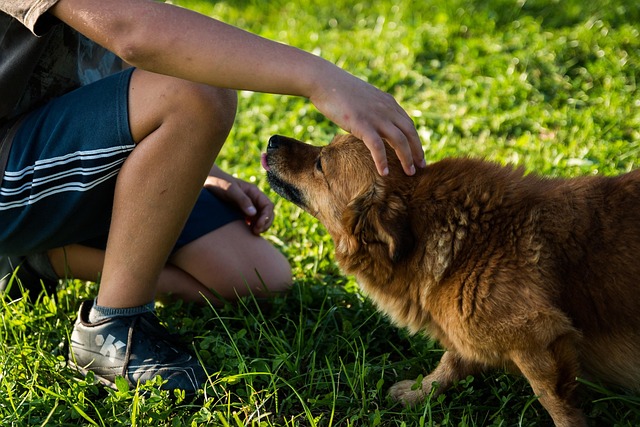
Your Home, Their Haven: Environment and Safety
Transforming your living space into a safe and comfortable haven for your dog is a crucial aspect of home care. This involves ‘dog-proofing’ your home, much like you would for a child. Secure electrical cords, store toxic cleaning supplies and medications out of reach, and be mindful of houseplants that may be poisonous to dogs.
Provide your dog with their own designated space, such as a comfortable bed or crate, where they can retreat and feel secure. This space should be a positive area, never used for punishment. Ensure they have access to a safe outdoor area, whether it’s a securely fenced yard or a designated space for walks and potty breaks.
Consider the materials you use. For example, if you have young children and a new puppy, durable, easy-to-clean flooring like laminate or tile can be a practical choice. As of June 2026, pet-friendly home design trends are increasingly popular, focusing on washable fabrics and non-toxic finishes.
Maintaining Appearance and Health: Grooming Practices
Regular grooming is more than just about aesthetics; it’s essential for your dog’s health and comfort. Brushing your dog’s coat regularly removes loose hair, dirt, and debris, and helps distribute natural oils, keeping their skin and coat healthy. The frequency of brushing depends on the coat type: long-haired breeds may need daily brushing, while short-haired breeds might only require it weekly.
Bathing should be done as needed, typically when your dog is visibly dirty or smelly, using a dog-specific shampoo to avoid skin irritation. Nail trims are also important; overgrown nails can cause pain, affect gait, and lead to foot problems. If you’re uncomfortable trimming nails yourself, a groomer or veterinarian can assist. For example, a rough-coated terrier might need professional grooming every 6–8 weeks to maintain its coat, while a smooth-coated Dachshund may only need occasional brushing and baths.
The cost of professional grooming can range from £30 to £150 or more, depending on the breed and services required, making regular at-home care a cost-effective alternative.
Common Pitfalls in Dog Home Care
One common mistake new owners make is underestimating the time and commitment required for proper dog care. This can lead to dogs receiving insufficient exercise, training, or attention, resulting in behavioral issues. For instance, a working family that only has time for one short walk a day might be unprepared for the needs of a high-energy breed like a Husky.
Another oversight is neglecting dental care. Many owners focus on external grooming but forget that dental hygiene is crucial for overall health. Periodontal disease is prevalent in dogs and can lead to painful infections, tooth loss, and even impact organs like the heart and kidneys. The cost of extensive dental work can be significant, often exceeding £500.
Finally, inconsistent training can confuse dogs and hinder their ability to learn or follow commands, leading to frustration for both the dog and owner. Sporadic or contradictory commands can make the learning process much longer and less effective.
Expert Advice for Optimal Dog Care
From a different angle, consider the power of observation. Regularly monitor your dog’s behavior, appetite, and energy levels. Any significant changes can be early indicators of illness. For example, a sudden decrease in appetite or lethargy in a normally playful dog warrants a call to your vet.
Prioritize safety by ensuring your dog wears a collar with ID tags and is microchipped. This significantly increases the chances of a lost dog being reunited with their owner. According to the National Pet Register, microchipped pets are reunited with their owners 2.5 times more often than those without.
Embrace the journey of learning. Every dog is an individual, and what works for one may not work for another. Stay informed through reputable sources like veterinary associations and animal behaviorist recommendations. For example, understanding breed-specific needs can prevent common issues – a Bulldog’s breathing issues require careful management in hot weather, a detail missed by general advice.

Frequently Asked Questions
How often should I feed my dog?
Most adult dogs benefit from being fed twice a day, with consistent morning and evening meals. Puppies and senior dogs may require more frequent, smaller meals. Always consult your veterinarian for a personalized feeding schedule based on your dog’s specific needs.
What are the signs of a sick dog?
Common signs include lethargy, loss of appetite, vomiting, diarrhea, excessive thirst, difficulty breathing, coughing, limping, and changes in behavior. Any sudden or persistent symptoms should be evaluated by a veterinarian promptly.
How much exercise does my dog really need?
Exercise needs to vary greatly by breed, age, and health. Active breeds might need 60–120 minutes of vigorous activity daily, while less active breeds may be content with 30–60 minutes of moderate exercise. Observe your dog’s energy levels and adjust accordingly.
Is it okay to let my dog sleep in my bed?
While many owners enjoy co-sleeping with their dogs, it’s a personal choice. Ensure your dog has a comfortable resting place of their own. Some dogs may develop separation anxiety if they are too accustomed to sleeping with their owners.
What are the basic grooming needs for a dog?
Basic grooming includes regular brushing, occasional baths with dog-specific shampoo, nail trimming, and ear cleaning. Dental care, such as brushing teeth, is also a vital part of hygiene and overall health.
How do I socialize my new dog?
Socialization involves positive exposure to various people, environments, sounds, and other animals. Start early with puppies and continue gradually with adult dogs, ensuring all experiences are positive and non-threatening to build confidence.
Last reviewed: June 2026. Information current as of publication; pricing and product details may change.




About The Author