

The Short Answer: Yes, Carrots Are Generally Safe for Dogs
For anyone working through the question, “Are carrots safe for dogs?” the straightforward answer’s yes. As of May 2026, veterinarians and canine nutritionists widely agree that carrots can be a healthy and beneficial addition to your dog’s diet when prepared correctly and given in moderation. They’re packed with nutrients and can even contribute to dental health.
Last updated: May 6, 2026
Key Takeaways
- Carrots are generally safe and nutritious for dogs, offering vitamins and fiber.
- Proper preparation, like chopping or steaming, is crucial to prevent choking and aid digestion.
- Moderation is key; too many carrots can lead to digestive upset or contribute to excess sugar intake.
- Carrots can offer dental benefits by helping to clean teeth and massage gums.
- Always introduce new foods gradually and monitor your dog for any adverse reactions.
Nutritional Powerhouse: What Makes Carrots Great for Dogs?
Carrots are more than just a crunchy snack. Their vibrant orange hue hints at their rich nutrient profile, which can translate into real health benefits for your canine companion. Understanding these benefits is the first step in deciding if carrots are the right treat for your dog.
Beta-Carotene Boost
The star player in carrots is beta-carotene, which dogs’ bodies convert into Vitamin A. This essential vitamin plays a vital role in maintaining healthy vision, supporting immune function, and keeping skin and coat in good condition. According to the American Kennel Club (AKC) (2023), Vitamin A is crucial for cell growth and development, making it important for dogs of all ages.
Fiber for a Happy Gut
Carrots are a good source of dietary fiber. Fiber is essential for promoting healthy digestion and can help prevent constipation; for dogs experiencing mild digestive issues, a small amount of carrot can sometimes help regulate their system. The fiber also helps your dog feel fuller, which can be beneficial for weight management.
Antioxidant Properties
Beyond beta-carotene, carrots contain other antioxidants. These compounds help combat free radicals in the body, which are unstable molecules that can damage cells and contribute to aging and disease. While not a cure-all, incorporating antioxidant-rich foods like carrots can support your dog’s overall health.
Potential Risks and How to Mitigate Them
While the benefits are clear, it’s important to be aware of the potential risks associated with feeding carrots to dogs. Fortunately, most of these can be easily avoided with mindful preparation and portion control.
The Choking Hazard: Raw, Whole Carrots
This is perhaps the most significant risk, especially for smaller dogs or those prone to gulping their food, as a whole, raw carrot can be a choking hazard. Its firm texture and shape make it difficult for some dogs to chew properly before swallowing. When feeding raw carrots, especially to smaller breeds, always cut them into bite-sized pieces to mitigate the choking hazard. For a 20lb terrier mix, aim for pieces no larger than 1/2 inch.
Too Much of a Good Thing: Sugar Content
Carrots do contain natural sugars. While not inherently bad, feeding too many carrots can lead to an excess sugar intake, which is particularly concerning for dogs with diabetes or those who’re overweight. As a general guideline, treats, including carrots, should not make up more than 10% of your dog’s daily caloric intake. The Pet Nutrition Alliance (2025) recommends consulting your veterinarian regarding appropriate treat percentages for your dog’s specific health needs.
Digestive Upset
For some dogs, particularly those not accustomed to them, large amounts of raw carrots can lead to gas or diarrhea. The high fiber content, while beneficial in moderation, can be overwhelming if introduced too quickly or in excessive quantities. Starting with small amounts and observing your dog’s reaction is key.
Potential for Vitamin A Toxicity (Rare)
While very rare, it’s possible for dogs to experience Vitamin A toxicity from an extremely excessive intake of foods very high in this vitamin over a long period. Carrots are a good source, but it’s highly unlikely a dog would consume enough carrots to reach toxic levels, especially when other foods make up the bulk of their diet. This risk is more associated with concentrated supplements or diets heavily reliant on organ meats.
Preparation is Key: Making Carrots Dog-Friendly
The way you prepare carrots significantly impacts their safety and digestibility for your dog. Here’s a breakdown of the best methods:
Raw Carrots: Chop Them Up!
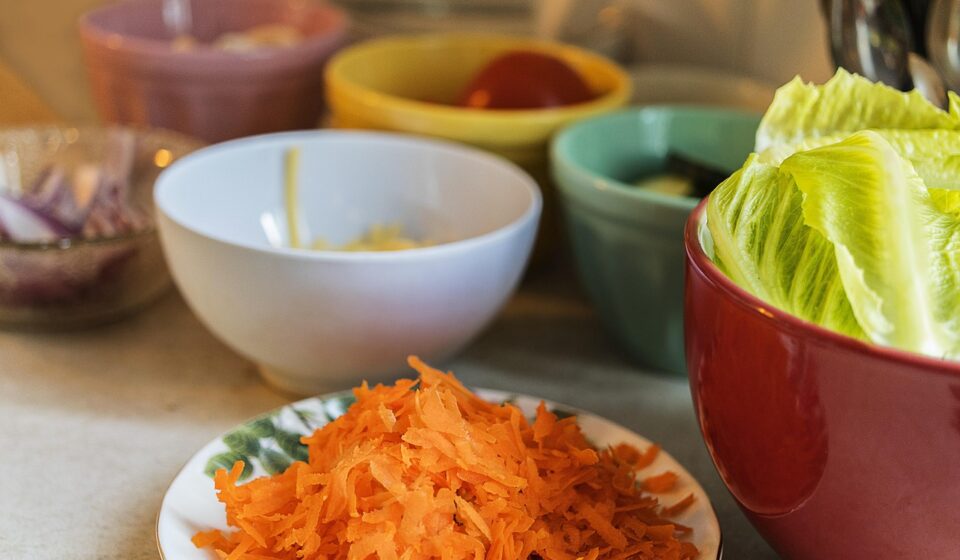
If feeding raw, the most crucial step is chopping. Avoid feeding whole carrots, especially to small breeds or brachycephalic (short-nosed) dogs. For larger dogs, you can offer larger chunks, but always ensure they are manageable. Grating carrots is another excellent option, particularly for small dogs or puppies, as it makes them very easy to eat and digest.
Cooked Carrots: Steamed or Boiled
Cooking carrots can make them even more digestible and softer, which is ideal for puppies, senior dogs, or those with dental issues. Steaming or boiling are the best methods. Avoid adding any salt, butter, oils, or seasonings, as these can be harmful to dogs. Simply cook them until they are tender enough to be easily mashed or broken down.
Puréed Carrots
For dogs with very sensitive stomachs or those recovering from illness, puréed carrots can be an excellent way to provide nutrients without taxing their digestive system. You can puree steamed or boiled carrots with a little water or dog-safe broth to achieve the desired consistency.
What About Baby Carrots?
Baby carrots are essentially just regular carrots that have been peeled and cut into smaller, uniform shapes. While they might seem like a convenient option, they still pose a choking hazard for smaller dogs if given whole. It’s best to cut them into even smaller pieces before offering them.
Serving Size: How Much is Too Much?
As with any treat, moderation is crucial. A good rule of thumb is that treats should make up no more than 10% of your dog’s total daily caloric intake. For most dogs, a few small pieces of carrot per day or a small, chopped carrot a few times a week’s sufficient.
For example, a 50-pound dog might need around 1,000-1,200 calories per day; if carrots provide 100 calories, that’s about 10% of their daily needs. A medium carrot has roughly 25 calories, so a medium carrot or two per day for a larger dog, or a few small pieces for a small dog, would typically fall within that 10% limit. Always adjust based on your dog’s size, activity level, and overall diet. Consult with your veterinarian if you’re unsure about appropriate portion sizes.
Do Carrots Help Clean Dog Teeth?
This is a commonly asked question, and the answer is a qualified yes. The crunchy texture of raw carrots can help to scrape away plaque and tartar from a dog’s teeth as they chew. This mechanical action, combined with the fiber content, can contribute to better oral hygiene. According to veterinary dental specialists, while carrots can be a helpful supplement to regular brushing and professional cleanings, they are not a replacement for them.
A 2024 study published in the Journal of Veterinary Dentistry suggested that specific dental chews designed with abrasive surfaces and beneficial ingredients showed a more significant reduction in plaque and tartar than plain vegetables. However, for dogs that don’t tolerate brushing well, incorporating appropriately sized raw carrot pieces into their diet can offer some degree of dental benefit.
When NOT to Feed Carrots to Your Dog
While generally safe, there are specific circumstances where carrots might not be the best choice:
Diabetic Dogs
Due to their natural sugar content, carrots should be given to diabetic dogs only with extreme caution and under strict veterinary guidance. Monitor blood sugar levels closely if you choose to incorporate them. Some veterinarians may advise against them entirely.
Dogs with Specific Allergies or Sensitivities
Though uncommon, some dogs can develop allergies or sensitivities to certain vegetables. If you notice any signs of an allergic reaction after feeding carrots such as itching, hives, vomiting, or diarrhea discontinue use immediately and consult your vet.
Dogs with Severe Digestive Issues
For dogs with very sensitive stomachs or those prone to blockages, the fiber in carrots might exacerbate their condition. Always err on the side of caution and discuss any new dietary additions with your veterinarian.
Real-World Examples: Carrots in Action
Many pet owners find carrots to be a fantastic low-calorie treat. Sarah from Ohio shared that her Labrador, Max, who struggles with his weight, loves crunching on raw, chopped carrots. “He gets so excited when I pull out the carrot bag,” she says. “It’s a great way for him to get that satisfying crunch without all the extra calories of commercial dog treats.” Max has maintained a healthy weight for the past 18 months, partly thanks to these healthy swaps.
Another owner, David, whose elderly Dachshund, Bella, has dental problems, found success with steamed carrots. “Bella can’t chew hard things anymore, but she loves the soft, sweet taste of steamed carrots,” he explained. “I mash them up a bit for her, and it’s one of the few ‘treats’ she can enjoy without pain or issues.” Bella, at 14 years old, still gets her daily dose of vitamins through these soft carrot portions.
Frequently Asked Questions
Can dogs eat baby carrots?
Yes, dogs can eat baby carrots, but they should be chopped into smaller, bite-sized pieces to prevent choking, especially for smaller breeds or puppies. Whole baby carrots can still pose a significant choking hazard.
How many carrots can a dog eat per day?
Moderation is key. Treats, including carrots, should ideally comprise no more than 10% of a dog’s daily caloric intake. For most dogs, a few small pieces or one small carrot a few times a week is appropriate. Larger dogs can tolerate slightly more, but always monitor your dog’s reaction.
Are cooked carrots better than raw carrots for dogs?
Cooked carrots (steamed or boiled until soft) are often more digestible, making them ideal for puppies, senior dogs, or those with digestive sensitivities. Raw carrots, when chopped, can offer more dental benefits due to their crunchiness and fiber content.
What happens if a dog eats too many carrots?
Eating too many carrots can lead to digestive upset like gas or diarrhea due to the high fiber content. It can also contribute to excessive sugar intake, which is a concern for diabetic or overweight dogs.
Can dogs eat carrot tops?
The leafy green tops of carrots are generally considered safe for dogs in moderation. They contain vitamins and minerals, but also oxalates, so they should not be a primary food source. Ensure they are washed thoroughly before feeding.
Are carrots safe for puppies?
Yes, carrots can be a safe and healthy treat for puppies when prepared correctly. Chopped raw carrots or soft-cooked carrots are best for puppies to ensure they are easy to chew and digest, aiding their development.
Information current as of May 2026; pricing and product details may change.
Source: Britannica
Related Articles
- Golden Retriever Cost in 2026: A Complete Buying Guide
- Choosing the Best Puppy Food for Optimal Nutrition and Health in 2026
- Are Pet Hydration Drinks Safe? A Nutritionist's Guide 2026
Editorial Note: This article was researched and written by the Pet Magazine editorial team. We fact-check our content and update it regularly. For questions or corrections, contact us. For readers asking “Are Carrots Safe for Dogs? Benefits, Risks, and Preparation”, the answer comes down to the specific factors covered above.
Related read: Yorkies: Your Essential Guide to Yorkshire Terriers.
About The Author