
n” id=”historical-role-and-evolution”>A Timeless Partnership: History of LGDs
This guide covers everything about lgd dog. The lineage of Livestock Guardian Dogs stretches back thousands of years, deeply intertwined with the history of animal husbandry. Ancient civilizations in regions like the Middle East and Europe recognized the need for canine protectors to safeguard valuable livestock from wolves, bears, and other wild animals.
Last updated: May 19, 2026
These dogs were not merely guard animals; they were integrated into the flock, becoming part of the herd itself. This deep bond fostered an innate protective instinct. Early LGDs were selected for traits like size, strength, vigilance, and a calm, non-aggressive demeanor towards their charges, but a fierce, decisive one towards threats.
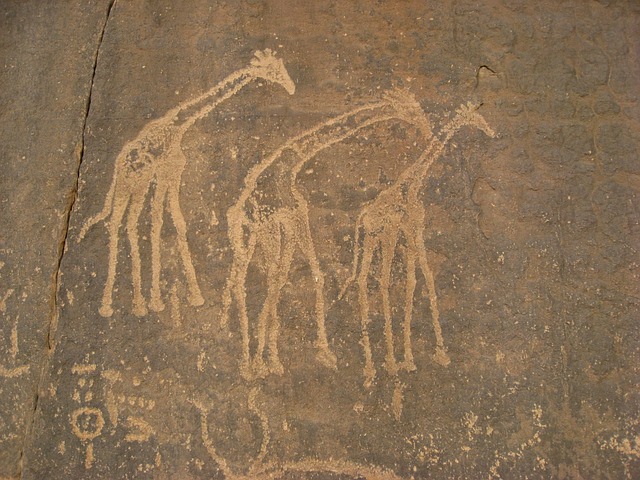
According to historical accounts and archaeological findings, LGDs were essential for nomadic pastoralists who depended on their flocks for survival. The development of specific breeds was often localized, adapting to the prevalent predators and environmental conditions of a given region.
Essential Traits of a Livestock Guardian Dog
Beyond their impressive size, LGDs possess a unique set of characteristics that make them exceptional guardians. These traits are not accidental; they are the result of centuries of selective breeding for a specific working purpose.
A defining characteristic is their independence. LGDs are not trained to take commands in the way a herding dog or a pet dog is. Instead, they are expected to assess threats and act autonomously. This requires intelligence and a strong sense of responsibility.
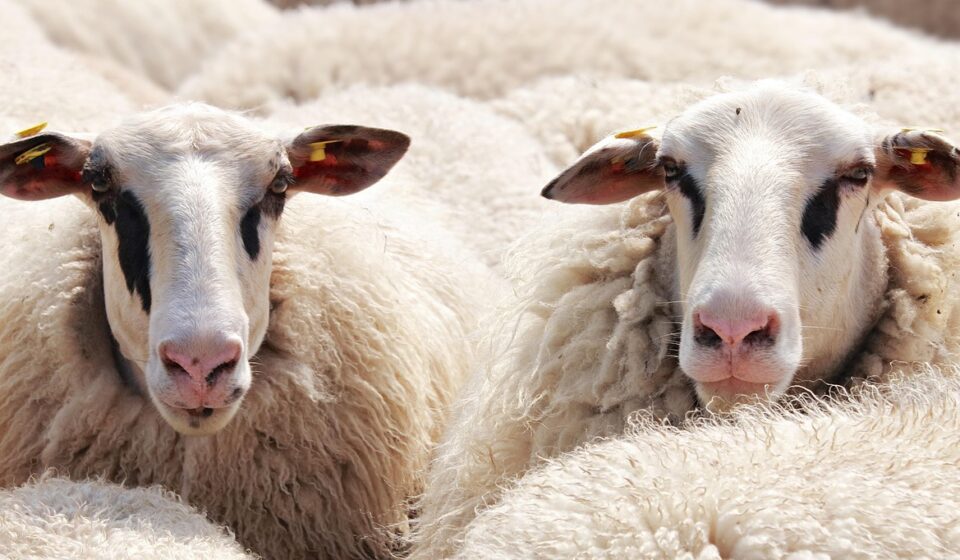
Their calm and tolerant nature towards their bonded livestock is paramount. They must be able to coexist peacefully, often sleeping with or near their charges. This bond is typically established from puppyhood, ideally between 8 to 12 weeks of age, when they are introduced to the animals they will protect.
Vigilance is another hallmark. LGDs are naturally alert and often patrol their territory at night, when predators are most active. They are known for their deep, booming barks, which serve as a primary deterrent.
Courage and a protective drive are also non-negotiable. When a threat is perceived and deterrence fails, an LGD must be willing to confront and defend its charges, sometimes engaging directly with predators.
Finally, their territorial instinct is strong. They consider the farm and its animals their domain and will actively ward off any perceived intruders, whether animal or human, that they don’t recognize as part of the flock or family.
Top Livestock Guardian Dog Breeds
While many breeds can perform the LGD role, several stand out for their historical effectiveness and consistent temperament. Choosing the right breed depends on your specific needs, the types of predators you face, and your climate.
Great Pyrenees
Originating from the Pyrenees Mountains between France and Spain, the Great Pyrenees is perhaps one of the most recognized LGD breeds in North America. They are known for their stunning white coats, gentle disposition with their flock, and unwavering protectiveness.
These dogs are large, powerful, and possess a deep bark. They are particularly good at deterring wolves and coyotes. Their calm demeanor makes them surprisingly good companions for children, though their size and protective instincts require careful socialization and management.
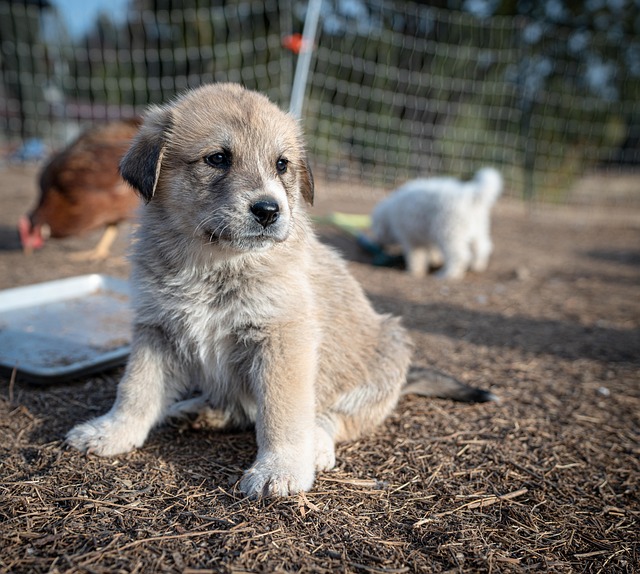
Kangal Dog
Hailing from Turkey’s Kangal region, the Kangal Dog is a formidable breed celebrated for its speed, agility, and immense strength. Historically used to protect sheep and goats from wolves and bears, they are considered one of the most powerful guardian breeds.
Kangal dogs are known for their loyalty to their flock and family but can be reserved or wary of strangers. They require experienced handling and early, consistent socialization to ensure they are well-adjusted working dogs.
Anatolian Shepherd Dog
Closely related to the Kangal, the Anatolian Shepherd Dog is another Turkish breed with a long history of guarding livestock. They are large, strong dogs, known for their keen observation skills and independent spirit.
Anatolians are highly adaptable and can thrive in various climates. Their primary strength lies in their intimidating presence and their ability to cover large territories effectively. They are not overly aggressive but will stand their ground decisively when necessary.
Tibetan Mastiff
The Tibetan Mastiff is an ancient breed originating from the Himalayan regions. Historically, these dogs guarded monasteries and nomadic camps, protecting against wolves, leopards, and even bears. They are imposing, powerful dogs with a naturally protective instinct.
Tibetan Mastiffs are known for being aloof and independent, showing strong loyalty to their family and their charges. They require extensive early socialization and firm, consistent training due to their size and formidable nature. Their thick double coat makes them well-suited to colder climates.
Spanish Mastiff
This large Spanish breed has been used for centuries to protect sheep, particularly during transhumance (seasonal migration). They are strong, strong, and possess a deep sense of duty towards their flock.
Spanish Mastiffs are known for their calm demeanor when with livestock but their imposing presence when facing threats. They require ample space and a responsible owner who understands their guarding instincts.
Slovak Cuvac
Originating from Slovakia, the Slovak Cuvac is a white, long-haired breed historically used to guard livestock in mountainous regions. They are known for their loyalty, bravery, and calm temperament towards their charges.
These dogs are highly attentive and won’t hesitate to defend their flock. They are also noted for their intelligence and adaptability, making them effective guardians in various farm settings.
Maremma Sheepdog
The Maremma Sheepdog from Italy is another classic white LGD breed. They are known for their independent spirit, strong protective instincts, and ability to bond closely with their livestock.
These dogs are naturally wary of strangers and require early socialization. They are highly effective against common predators like wolves and foxes.
Sarplaninac
Also known as the Yugoslavian Shepherd Dog, the Sarplaninac is a powerful breed from the Balkan region. They are known for their courage, endurance, and strong guarding capabilities.
These dogs are bred to be tenacious protectors, capable of dealing with large predators. They are loyal to their families but can be aloof with strangers.
LGD Dog vs. Herding Dog: Understanding the Difference
It’s crucial to distinguish Livestock Guardian Dogs from herding dogs, as their roles and behaviors are fundamentally different. While both are working breeds crucial to farm life, their primary functions diverge significantly.
Herding dogs, such as Border Collies, Australian Shepherds, or Sheepdogs, are bred to control and move livestock. They use instinctual behaviors like nipping, barking, and strategic positioning to gather, drive, and manage flocks or herds. Their focus is on directing animal movement and keeping them in desired locations.
Livestock Guardian Dogs (LGDs), on the other hand, are bred to protect livestock from external threats. They bond with the animals and defend them from predators. LGDs are typically independent and less responsive to direct commands compared to herding dogs. They don’t herd; they guard. An LGD might live with a flock of sheep and never be tasked with moving them, its sole job being to keep them safe.
Understanding this distinction is vital when selecting a dog for farm work. Using an LGD for herding or a herding dog for guarding will likely lead to frustration and ineffective outcomes.
Integrating and Training Your LGD Dog
Successful integration of an LGD into a farm environment is key to its effectiveness and well-being. The process typically begins with introducing a young puppy to the livestock it will protect.
Early Socialization is Paramount: Ideally, an LGD puppy should be introduced to livestock between 8 and 12 weeks of age. This is when they imprint on the animals, viewing them as their flock to protect. The puppy should live with the livestock, often in a separate, secure enclosure initially, with minimal human interference to foster this bond.
Supervised Introduction: While the goal is for the puppy to bond with the livestock, initial introductions should be supervised. Ensure the livestock are not overly aggressive towards the puppy. A mother hen or a protective ewe can sometimes be overly harsh with a new canine addition.
Limited Human Interaction: LGDs are bred to be independent workers. Overly intense human interaction, especially during their formative weeks with livestock, can hinder their development as guardians. They should see the livestock as their primary family group.
Basic Obedience (Limited Scope): While LGDs are not trained for complex commands, basic obedience such as ‘come’, ‘stay’, and ‘leave it’ can be useful for management and safety. However, this training should be light and positive, never so intense that it compromises their independent guarding instincts. According to the American Kennel Club (AKC), advanced obedience training is generally not recommended for LGDs as it can interfere with their natural protective behaviours.

Leash Training and Territory Management: As the dog matures and its guarding role solidifies, leash training becomes important for vet visits or moving between pastures. Understanding and respecting the dog’s territorial boundaries is also essential for farm safety.
Navigating Common Challenges with LGDs
While invaluable, LGDs can present unique challenges for farmers. Understanding these potential issues and having strategies in place can lead to a more successful working relationship.
Excessive Barking
LGDs bark to deter predators, and this can sometimes extend to other perceived disturbances like passing vehicles or unfamiliar people. While some barking is necessary, excessive noise can be a nuisance.
Solution: Ensure the dog has a clear understanding of its territory and that its primary guarding duties are met. Sometimes, a secondary, more familiar dog can help signal to the LGD when a bark is unnecessary. Also, ensure the dog is not bored or anxious, as this can increase vocalizations. Providing ample space and enrichment can help.
Wandering
Strong territorial instincts can sometimes lead LGDs to wander off the property, especially if their territory is not clearly defined or if they are seeking mates. This can be dangerous for the dog and problematic for farm management.
Solution: Secure fencing is crucial. Microchipping and GPS collars can also provide peace of mind. Early and consistent training to stay within boundaries, coupled with ensuring the dog is content and well-fed within its designated area, is important.
Aggression Towards Livestock
While rare, an LGD might become overly boisterous or accidentally injure smaller or younger livestock due to its size and playfulness. This is more common with puppies.
Solution: This highlights the importance of early and continuous socialization. If it occurs, immediate correction and supervised separation from the affected animals are necessary. The dog’s bond with the specific animal needs to be re-established under careful watch.
Interaction with Strangers
LGDs are naturally wary of unfamiliar people. While this is part of their protective function, it can be problematic for visitors, delivery personnel, or new farmhands.
Solution: Always inform visitors of the presence of LGDs and ensure they maintain a safe distance. The dog should be secured or leashed when strangers are on the property. Introducing new people gradually and under controlled circumstances can help the dog accept them over time.
Diet and Health for Your LGD
Proper nutrition and healthcare are vital for maintaining the health and working capacity of an LGD. These large breeds have specific dietary needs and are prone to certain health issues.
Diet: LGDs require a high-quality diet formulated for large-breed dogs, especially during their rapid growth phase. Feeding a diet appropriate for large breeds helps manage growth rates and can reduce the risk of developmental orthopedic diseases like hip dysplasia. According to the Pet Food Institute, large-breed puppies should be fed a diet with a controlled calcium-to-phosphorus ratio.
As adults, LGDs need a balanced diet that supports their active lifestyle. The exact amount will depend on their age, size, activity level, and the climate. It’s advisable to consult with your veterinarian for specific feeding recommendations.
Health Concerns: Like many large breeds, LGDs can be predisposed to conditions such as hip and elbow dysplasia, bloat (gastric dilatation-volvulus), and certain heart conditions. Regular veterinary check-ups are essential for early detection and management of these issues.
Vaccinations, parasite control, and routine health screenings are part of responsible LGD ownership. As of 2026, preventative care remains the most effective strategy for ensuring a long, healthy working life for your guardian dog.
The Real Cost of Owning an LGD Dog
While LGDs provide invaluable protection, their upkeep involves significant financial considerations. Understanding these costs is crucial for prospective owners.
Initial Purchase Price: The cost of an LGD puppy can range from a few hundred dollars to over $2,000, depending on the breed, breeder reputation, and pedigree. Some rescue organizations may offer LGDs at lower adoption fees, often with some prior training or socialization.
Food: As large-breed dogs, LGDs consume a substantial amount of food. Annual food costs can range from $800 to $2,000 or more, depending on the quality of food and the dog’s size and metabolism. For example, a 120-pound LGD might consume 4-6 cups of high-quality kibble daily.
Veterinary Care: Routine check-ups, vaccinations, deworming, and flea/tick prevention will add several hundred dollars annually. Unexpected illnesses or injuries, common in working dogs, can lead to vet bills in the thousands. Pet insurance can help mitigate these costs, with premiums for large breeds often running $600-$1200 per year in 2026.
Supplies and Equipment: This includes sturdy collars, leashes, durable bedding, crates, grooming tools, and potentially fencing or shelter improvements. These one-time or recurring costs can add up.
Training and Socialization: While LGDs are not trained like pets, initial guidance and ensuring proper socialization can require resources, such as professional advice or specialized facilities.
Practically speaking, budgeting for an LGD involves an upfront investment followed by significant ongoing monthly expenses. The return on investment, however, comes in the form of reduced livestock losses, which can far outweigh the dog’s maintenance costs.
The Enduring Relevance of LGDs in 2026
In an era of increasing focus on sustainable agriculture and natural pest management, the role of Livestock Guardian Dogs is more relevant than ever. They offer a humane, effective, and environmentally friendly alternative to other predator control methods.
Many farmers are turning to LGDs as part of an integrated livestock management strategy. The National Agricultural Statistics Service (NASS) in the U.S. has reported ongoing livestock losses due to predators, underscoring the need for reliable protection. While specific LGD effectiveness statistics vary widely by region and predator type, anecdotal evidence and farmer testimonials consistently highlight their value.
And, the growing interest in heritage breeds and traditional farming methods has also spurred renewed appreciation for LGDs. These dogs represent a living connection to agricultural history, embodying a partnership between humans and animals that has sustained communities for millennia. Their presence on the farm is not just about protection; it’s about preserving a vital aspect of rural heritage.
Frequently Asked Questions
Are LGD dogs good with children?
Many LGD breeds, like the Great Pyrenees, are known for their gentle and protective nature towards children. However, their large size and protective instincts mean early socialization and supervision are always recommended to ensure safety.
How old should an LGD puppy be when introduced to livestock?
The ideal age for introducing an LGD puppy to livestock is between 8 to 12 weeks. This critical window allows the puppy to imprint on the animals, viewing them as its flock to protect.
Can an LGD dog be trained to herd?
No, LGDs are bred to guard, not herd. Their instincts and training focus on deterring predators, not managing livestock movement. Attempting to train them for herding can confuse their natural behaviors and reduce their effectiveness as guardians.
What is the average lifespan of a Livestock Guardian Dog?
The average lifespan for most LGD breeds is typically between 10 to 13 years. This can vary based on breed size, genetics, diet, exercise, and overall health care management.
How much space does a Livestock Guardian Dog need?
LGDs need sufficient space to patrol their territory effectively. This generally means access to the livestock’s living area, plus ample room for patrolling and resting. A minimum of a few acres is often ideal for optimal function.
What predators do LGDs protect against?
LGDs are effective against a wide range of predators, including wolves, coyotes, foxes, bears, mountain lions, wild dogs, and even large birds of prey for smaller livestock like chicks.
Conclusion: A Faithful Guardian for Your Farm
Livestock Guardian Dogs are more than just farm animals; they are dedicated partners in livestock management, embodying ancient traditions of protection and vigilance. Their unique blend of independence, loyalty, and protective instincts makes them invaluable assets for any farm or ranch concerned with predator deterrence.
Choosing the right LGD breed, ensuring proper integration and training from a young age, and committing to their ongoing care are essential steps for success. As of 2026, these remarkable dogs continue to prove their worth, offering a humane and effective solution for safeguarding valuable livestock.
Last reviewed: May 2026. Information current as of publication; pricing and product details may change.
Editorial Note: This article was researched and written by the Pet Magazine editorial team. We fact-check our content and update it regularly. For questions or corrections, contact us. Knowing how to address lgd dog early makes the rest of your plan easier to keep on track.
About The Author