
preventing overfeeding, underfeeding, or feeding inappropriate foods.
Understanding Fish Feeding Habits
The fundamental dietary classification for fish breaks down into three main categories: herbivores, carnivores, and omnivores. Herbivorous fish primarily consume plant matter, such as algae, aquatic plants, and detritus. Carnivorous fish, on the other hand, thrive on animal-based diets, which can include insects, crustaceans, smaller fish, and other invertebrates. Omnivorous fish have the most flexible diets, eating a combination of both plant and animal matter.
Last updated: July 24, 2026
This classification is a crucial starting point, but the reality is far more nuanced. For instance, some herbivores might supplement their diet with tiny organisms, blurring the lines. Similarly, many carnivores have specific prey preferences, and omnivores often show seasonal dietary shifts based on food availability in their natural environments.

Practically speaking, this means that simply knowing a fish is, say, a carnivore doesn’t tell you if it prefers live worms, small shrimp, or tiny fish. This level of specificity is vital for aquarists aiming to replicate a natural diet and ensure their fish receive the right balance of nutrients.
What Do Fish Eat in the Wild?
In their natural aquatic habitats, fish diets are a complex interplay of evolutionary adaptation and environmental availability. The sheer diversity of fish species means their eating habits span an extraordinary range. For example, tiny zooplankton forms the base of the food chain for many small fish, which are in turn preyed upon by larger species. According to NOAA Fisheries, fish play a critical role in marine and freshwater ecosystems, influencing everything from nutrient cycling to population dynamics of other species.
Consider the vast ocean: Filter feeders like baleen whales (though not fish, they illustrate the principle) consume massive quantities of plankton. Smaller fish like sardines and anchovies feed on plankton and algae. Larger predatory fish, such as tuna and sharks, consume smaller fish, squid, and crustaceans. The specific prey varies greatly by region, water depth, and temperature.
Freshwater environments offer their own unique food webs. Many small, ornamental fish commonly kept in aquariums, like guppies or mollies, are omnivores in the wild, nibbling on algae, plant matter, and small invertebrates found in the water column or on surfaces. Larger freshwater predators, such as pike or bass, actively hunt smaller fish, frogs, and aquatic insects.
What do fish eat in the wild is also heavily influenced by water temperature. As of June 2026, research continues to highlight how temperature affects fish metabolism and food availability. During warmer months, insect hatches and plant growth often increase, providing more food. In colder periods, some fish may become less active, reducing their food intake or switching to more energy-efficient food sources like decaying organic matter.
Herbivores, Carnivores, and Omnivores in Detail
Let’s look at deeper into the specific dietary needs of each category:
Herbivorous Fish Diets
Herbivorous fish are plant-eaters. Their digestive systems are adapted to break down tough plant fibers and extract nutrients from algae and vegetation. In aquariums, this can translate to a diet rich in algae wafers, blanched vegetables (like zucchini or spinach), and specialized plant-based flake or pellet foods. Examples include many species of Plecostomus (Plecos), some types of Tetras, and many Cichlids native to South America and Africa.
remember that even strict herbivores may consume small amounts of animal protein incidentally, for example, by ingesting micro-organisms attached to plants. Overfeeding protein-rich foods to herbivorous fish can lead to swim bladder issues or digestive problems, as their systems aren’t designed for it.
A common mistake is assuming all algae-grazing fish are herbivores. Some, like certain angelfish, are more omnivorous and will graze on algae but also eagerly consume small invertebrates and meaty foods.
Carnivorous Fish Diets
Carnivorous fish are meat-eaters. Their diets consist of other animals, which can range from tiny zooplankton and insect larvae to worms, crustaceans, and even other fish. In captivity, this translates to a need for high-protein foods. This can include high-quality commercial pellets and flakes formulated for carnivores, as well as live or frozen foods like brine shrimp, bloodworms, daphnia, and small feeder fish.
Predatory aquarium fish, such as Oscars, large Cichlids, and Arowanas, require substantial meaty meals. Some owners opt for feeder fish, but this carries risks. Feeder fish can carry diseases or parasites, and if they aren’t nutritionally balanced (e.g., goldfish are often too fatty and lack essential nutrients), they can cause health problems for the predator. According to the American Veterinary Medical Association (AVMA) 2025 guidelines, it’s always best to gut-load feeder insects or crustaceans with nutritious food before feeding them to your carnivorous fish to ensure a more complete nutritional profile.
When feeding live or frozen foods, ensure they are sourced from reputable suppliers to minimize the risk of introducing pathogens into your aquarium.
Omnivorous Fish Diets
Omnivorous fish are the most adaptable eaters, consuming both plant and animal matter. This makes them generally easier to feed in captivity, as they can thrive on a varied diet that includes both vegetable-based and protein-based foods. Many popular aquarium fish, such as Bettas, Goldfish, Guppies, and Danios, are omnivores.
A well-balanced diet for an omnivorous aquarium fish typically consists of a high-quality flake or pellet food as a staple, supplemented with occasional treats like brine shrimp, daphnia, or blanched vegetables. Variety is key to ensuring they receive a broad spectrum of vitamins and minerals. For instance, a Betta fish might have a staple diet of high-quality Betta pellets, supplemented with occasional bloodworms or daphnia.
It’s crucial to avoid overfeeding omnivores, as they will often eat whatever is offered. Portion control is essential to prevent obesity and water quality issues.
Essential Nutrients Fish Need
Regardless of their specific diet type, all fish require a balanced intake of essential nutrients for optimal health, growth, and reproduction. These nutrients include protein, carbohydrates, fats, vitamins, and minerals.
Protein: Crucial for growth and tissue repair, protein provides amino acids. The protein requirement is generally higher for carnivorous and omnivorous fish, especially juveniles, and often comes from animal sources like fish meal, shrimp, and insect meal. For herbivorous fish, plant-based proteins are more suitable.
Carbohydrates: While not as critical as protein, carbohydrates provide energy. Fish can digest and use carbohydrates, which are often found in plant matter and grains used in flake and pellet foods.
Fats: Essential fatty acids are vital for energy storage, cell membrane function, and the absorption of fat-soluble vitamins. Fish oils and other animal fats are common sources, with specific omega-3 and omega-6 fatty acids being particularly important.
Vitamins: Fish require a range of vitamins, including A, D, E, K, C, and B-complex vitamins. Vitamin C, for example, is crucial for immune function and collagen synthesis, and many fish species can’t synthesize it internally, requiring dietary intake. According to the NOAA Fisheries (2026 report), deficiencies in vitamins like A and E can lead to reduced growth rates and increased susceptibility to disease in various fish populations.
Minerals: Calcium, phosphorus, sodium, potassium, and trace minerals like iodine, iron, and zinc are all necessary. These are vital for bone development, osmoregulation, enzyme function, and numerous metabolic processes. In freshwater aquariums, minerals are often present in the water itself, but dietary sources are also important.

What Do Aquarium Fish Eat? Commercial Foods
For aquarium owners, the most common and convenient way to feed fish is through commercially produced foods. These are formulated to provide a complete and balanced diet, tailored to different types of fish and their specific needs. The most prevalent forms include:
Flake Foods
Flake foods are a staple for many community tanks. They are made from dried, ground ingredients and float on the surface before slowly sinking. They are generally suitable for surface-dwelling or mid-water feeders and are often a good all-around choice for omnivorous fish. However, they can quickly degrade in water and contribute to poor water quality if not consumed promptly.
Pellets and Granules
Pellets and granules come in various sizes and sink rates, making them versatile for different fish. Sinking pellets are ideal for bottom-dwellers like Plecos and Corydoras catfish, while fast-sinking granules are good for mid-water feeders. Pellets often contain higher nutritional density than flakes and are less likely to cloud the water.
Wafers
Wafers are typically dense, sinking foods designed for bottom-feeding fish, especially herbivores or omnivores. They stay intact for extended periods, allowing fish like Plecos, Loaches, and Corydoras to graze on them over time. Many algae wafers contain spirulina or other vegetable matter.
Live and Frozen Foods
These are often used as supplements or treats to provide variety and enrichment. Live options include brine shrimp, daphnia, bloodworms, and earthworms. Frozen versions are widely available and offer similar nutritional benefits without the risks associated with live food (like disease transmission). Thawing frozen foods before feeding is essential.
A practical insight for aquarists: using a rotation of high-quality flake, pellet, and occasional frozen foods provides excellent nutrition and keeps fish engaged with their meals.
What to Feed Specific Aquarium Fish Types
Even within the broad categories, specific species have unique dietary requirements. Understanding these is key to preventing health issues.
What Do Betta Fish Eat?
Bettas are small, carnivorous fish that primarily eat insects and larvae in the wild. In aquariums, they thrive on high-quality Betta pellets formulated with a high protein content. They can also be given occasional treats of frozen or live brine shrimp, daphnia, or bloodworms. Overfeeding is a major concern, as Bettas are prone to bloat and constipation. Generally, feeding them a small amount once or twice a day, about 2-3 pellets per feeding, is sufficient.
What Do Goldfish Eat?
Goldfish are omnivores and can be quite opportunistic eaters. Their diet should primarily consist of high-quality goldfish flakes or pellets, which contain a balanced mix of plant and animal matter. They also benefit from supplemental vegetables, such as blanched peas (shelled) or spinach. It’s important to feed them only what they can consume within 2-3 minutes to avoid excess waste, which can quickly foul their water, especially in smaller tanks.
A common misconception is that goldfish can eat any type of fish food. However, standard tropical fish flakes may lack the necessary nutrients for goldfish, and their high protein content can cause swim bladder problems. As of June 2026, many fish keepers recommend specialized goldfish food that’s lower in protein and higher in carbohydrates and vegetable matter.
What Do Guppies and Other Livebearers Eat?
Guppies, mollies, platies, and swordtails are typically omnivorous and highly adaptable. They readily accept flake foods, small pellets, and live or frozen foods like brine shrimp and daphnia. Many livebearers also have a significant need for vegetable matter, so algae wafers or blanched vegetables are excellent supplements. Their small mouths mean they require foods that are appropriately sized.
What Do Corydoras Catfish Eat?
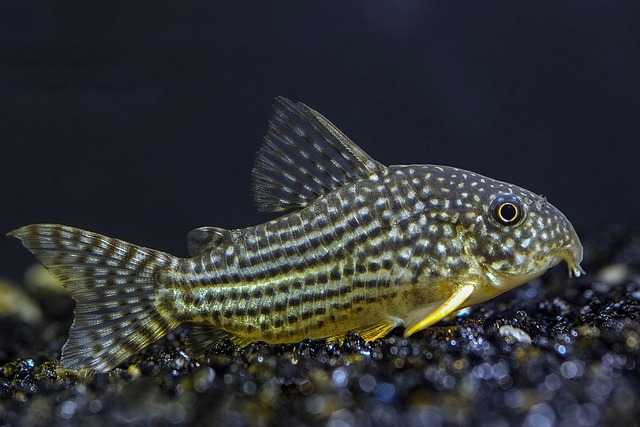
Corydoras catfish are bottom-dwellers and omnivores with a preference for protein. They scavenge the substrate for food, so sinking pellets and wafers are ideal. These should be supplemented with occasional treats like bloodworms or brine shrimp. It’s important to ensure they get enough food, as they can be outcompeted by faster-swimming fish at the surface. Wafers specifically designed for catfish provide a good base diet.
What Do Plecostomus (Plecos) Eat?
Most common Plecos are herbivores or omnivores that primarily graze on algae and biofilm. In an aquarium, they require sinking algae wafers or tablets as their primary food source. Supplementing with blanched vegetables like zucchini, cucumber, or spinach is highly beneficial. While some species are specialized algae eaters, others, like the Bristlenose Pleco, will also consume detritus and occasional meaty foods.
A common pitfall is failing to supplement their diet. Relying solely on algae that grows in the tank is rarely sufficient, especially in newer or smaller tanks. Providing dedicated wafers ensures they receive essential nutrients like cellulose and minerals.
How to Feed Your Fish Properly
Feeding aquarium fish correctly involves more than just dropping food into the tank. It requires understanding their species-specific needs, the type of food, and the frequency and quantity of feeding.
Frequency and Quantity
For most tropical community fish, feeding once or twice a day is sufficient. The amount should be what they can consume within 2 to 5 minutes. It’s better to slightly underfeed than overfeed. Overfeeding leads to uneaten food decaying, which pollutes the water and can cause health problems like bloat and constipation in fish.
As of June 2026, many experts recommend the “pinch test”: take a small pinch of food and offer it. If the fish consume it quickly and show interest but aren’t frantically eating, that’s a good indicator of the right amount. Observe your fish; if they seem lethargic or you see excess food accumulating, reduce the portion size.
Water Temperature Considerations
Water temperature significantly affects a fish’s metabolism. In cooler water, fish are less active and require less food. In warmer water, their metabolism speeds up, and they may need slightly more food. For coldwater species like goldfish, it’s crucial to avoid feeding during extreme cold snaps when their metabolism slows drastically. Conversely, during peak summer heat, ensure adequate aeration to support their higher metabolic rate.
Creating a Balanced Feeding Plan
A varied diet is crucial for long-term fish health. Don’t rely on a single type of food. Rotate between high-quality flakes, pellets, and wafers, and incorporate live or frozen foods as treats or supplements. For herbivorous or omnivorous fish, regularly offer blanched vegetables. For carnivorous fish, choose high-protein options that mimic their natural prey.
What this means in practice: If you have a mixed community tank with surface, mid-water, and bottom feeders, use a combination of floating flakes, sinking pellets, and sinking wafers to ensure everyone gets a chance to eat.
Common Mistakes in Fish Feeding
Many fish keepers, especially beginners, make common errors that can impact their fish’s health:
Overfeeding
This is arguably the most common mistake. Fish are often fed far more than they can eat in a few minutes. Uneaten food pollutes the aquarium, leading to ammonia spikes, algae blooms, and stress on the fish. It also contributes to fish obesity and related health issues.
Feeding Inappropriate Foods
Offering human food, bread, or standard tropical flakes to specialized eaters (like herbivores or carnivores) can cause digestive upset, nutrient deficiencies, or even internal blockages. For example, feeding goldfish tropical flakes can lead to swim bladder problems due to their different dietary needs.
Lack of Dietary Variety
Feeding only one type of food, even if it’s a good quality staple, can lead to deficiencies in certain vitamins or minerals over time. Variety ensures a broader spectrum of nutrients, promoting better overall health and immune function.
Ignoring Species-Specific Needs
Assuming all fish eat the same thing is a critical error. A marine reef fish has vastly different dietary requirements than a freshwater goldfish or a carnivorous cichlid. Researching each species’ natural diet is non-negotiable for successful care.
Tips for Optimal Fish Nutrition
To ensure your fish are healthy and vibrant, consider these expert tips:
- Research Your Species: Before acquiring any fish, understand its natural diet, feeding behavior, and specific nutritional requirements.
- Choose High-Quality Foods: Opt for reputable brands that use quality ingredients. Look for foods that list specific protein sources (e.g., krill, insect meal) rather than generic ‘fish meal’.
- Rotate Foods: Offer a variety of foods to ensure a broad spectrum of nutrients. Alternate between flakes, pellets, wafers, and occasional live or frozen treats.
- Feed Appropriately Sized Portions: Feed only what your fish can consume within 2-5 minutes, once or twice daily.
- Supplement Wisely: For herbivores and omnivores, supplement with blanched vegetables (peas, spinach, zucchini) or specialized algae wafers.
- Observe Your Fish: Monitor their eating habits, energy levels, coloration, and body condition. Changes can indicate dietary issues.
- Maintain Water Quality: Good water quality is as important as good food. Excess food and waste break down into ammonia, which is toxic to fish.
From a different angle, understand that what a fish eats directly impacts its coloration and activity levels. A well-nourished fish is typically more active, displays brighter colors, and is less prone to disease. As of June 2026, studies continue to reinforce the link between diet and immune response in aquatic species.
FAQs About What Fish Eat
Can fish eat human food?
Generally, human food is not recommended for aquarium fish. While some might nibble on tiny pieces of bread or cooked vegetables, these often lack the necessary nutrients and can cause digestive problems or pollute the water.
What do baby fish eat?
Baby fish, or fry, often require specialized foods like infusoria, newly hatched brine shrimp, or specialized fry foods. These are small and nutrient-dense, suitable for their tiny mouths and rapid growth needs.
What do saltwater fish eat?
Saltwater fish diets are as diverse as their freshwater counterparts. Herbivorous marine fish graze on algae and marine plants, while carnivorous species eat smaller fish, invertebrates, and zooplankton. Many require specialized marine-specific foods, including algae sheets for tangs or meaty preparations for predatory species.
What do goldfish eat in a pond?
In a pond, goldfish primarily eat algae, aquatic plants, insects, and small invertebrates. They will also readily consume any fish food offered, but this should be done in moderation to avoid overfeeding and water pollution.
What do wild fish eat if there’s a lack of food?
When food is scarce in the wild, fish may resort to eating less ideal food sources, reduce their activity to conserve energy, or even cannibalize smaller individuals of their own species if desperate.
Can fish eat the same food every day?
While some fish can survive on a single food type, a varied diet is always best for optimal health, ensuring they receive a full spectrum of nutrients and preventing potential deficiencies over time.
Conclusion: Nourishing Your Aquatic Friends
Understanding what do fish eat is fundamental to providing them with a healthy and fulfilling life, whether they swim in your home aquarium or in vast natural waters. From specialized flake foods and sinking pellets to varied diets of algae, insects, and small crustaceans, each species has unique requirements that must be met. As of June 2026, the emphasis remains on providing species-appropriate nutrition, observing feeding behaviors, and maintaining excellent water quality.
Actionable Takeaway: Research the specific dietary needs of every fish species you keep, providing a varied diet of high-quality commercial foods supplemented with appropriate treats, and always practice portion control to avoid overfeeding and maintain a healthy aquarium environment.
Information current as of June 2026; pricing and product details may change.
Frequently Asked Questions
What is what do fish eat?
what do fish eat is a topic that many people search for.
Why does what do fish eat matter?
Understanding what do fish eat helps you make better decisions. Whether you’re a beginner or have some experience, staying informed on this topic is genuinely useful.
Where can I learn more about what do fish eat?
We recommend checking authoritative sources and official websites for the most current information.
Editorial Note: This article was researched and written by the Pet Magazine editorial team. We fact-check our content and update it regularly. For questions or corrections, contact us. For readers asking “What do fish eat”, the answer comes down to the specific factors covered above.




About The Author