


A Day in the Life of a Pleco
Imagine a quiet aquarium, the water a gentle hum, with a mysterious figure slowly making its way across the glass. This is the typical scene for a pleco fish, often referred to as a sucker mouth catfish. As of May 2026, these fascinating creatures remain some of the most popular additions to freshwater aquariums worldwide, celebrated for their unique appearance, and their diligent work keeping tank glass and decorations free of unsightly algae.
Last updated: May 11, 2026
For many aquarists, the allure of the pleco lies in its almost alien aesthetic. With a flattened body, rows of bony plates, and that distinctive sucker mouth, they are a far cry from the darting, colorful fish often found in other aquarium setups. But beyond their looks, understanding their needs is crucial for their well-being. It’s also important for maintaining a healthy, balanced aquarium environment. This guide looks at what makes a pleco thrive, from the perfect tank setup to the nuances of their diet and the diverse species available.
Key Takeaways
- Pleco fish are primarily algae eaters, playing a vital role in aquarium cleanliness.
- Tank size is critical, as many pleco species grow large and require ample space.
- A varied diet, including sinking pellets and occasional vegetable matter, is essential beyond just algae.
- Water quality must be consistently high, with regular water changes and filtration.
- Different pleco species have varying needs regarding size, temperament, and diet.
What Exactly is a Pleco Fish?
The term “pleco” is a common abbreviation for Pecostomus, which refers to a subfamily of Loricariidae, a diverse family of freshwater catfish. These fish are native to South America, inhabiting a wide range of aquatic environments, from fast-flowing rivers to slow-moving streams and floodplains. Their sucker mouth isn’t just for show; it’s a specialized adaptation used to cling to surfaces and scrape algae and biofilm.
While many aquarists think of the common pleco (Hypostomus Pecostomus) when they hear the name, there are hundreds of species, ranging from tiny dwarf varieties to giants that can exceed two feet in length. This incredible diversity means that not all Pecos are created equal when it comes to care requirements. Identifying the specific type of pleco you have or intend to get is the first, most critical step in successful ownership.
Practically speaking, the common pleco, while inexpensive and widely available, is often ill-suited for typical home aquariums due to its eventual massive size. Many keepers are caught off guard by their growth, leading to difficult decisions about rehoming or inadequate tank conditions. Understanding the species is paramount to avoiding these common pitfalls.
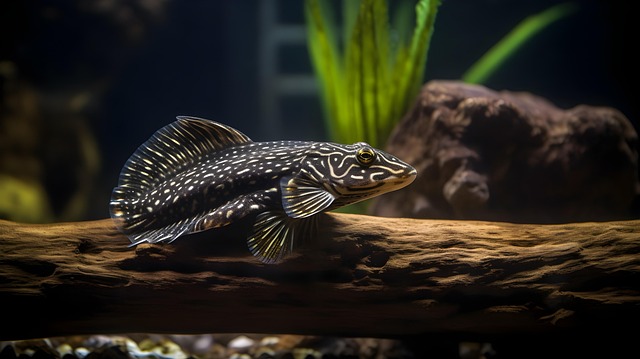
Setting Up the Ideal Pleco Habitat
Creating the right environment for your pleco fish is paramount. The most significant consideration is tank size; while a small pleco might seem comfortable in a 20-gallon tank, many species will quickly outgrow it. For instance, a common pleco can reach up to 24 inches, necessitating a tank of 150 gallons or more a commitment many new owners don’t realize.
Even smaller pleco species, like the Bristle nose Pleco (Ancistrus spp.), which typically max out around 4–6 inches, benefit greatly from larger tanks, at least 30–40 gallons for a single individual. Pleco fish provides ample swimming space and room for their preferred decorations. A larger tank also helps maintain more stable water parameters, which is crucial for pleco health.
Substrate and Decor: Pecos appreciate a soft substrate like sand or fine gravel to protect their barbels. They also need plenty of hiding places. Driftwood, caves, and sturdy plants (real or artificial) are excellent choices. Driftwood is particularly beneficial, as Pecos will rasp on it, aiding digestion and providing essential tannins that can subtly condition the water.
Filtration: Strong filtration is non-negotiable. Pecos can produce a significant amount of waste, especially larger species. A strong filter capable of handling a tank much larger than yours is recommended. Aim for a filter that provides both mechanical and biological filtration to keep the water clean and healthy.
Pleco Diet: More Than Just Algae
While the common pleco is renowned for its algae-eating prowess, its diet needs to be more varied to ensure optimal health. Relying solely on algae found in the tank will likely lead to malnutrition, especially as the fish grows and its nutritional requirements increase. As of May 2026, expert recommendations consistently emphasize a diversified diet.
Sinking Pellets: High-quality sinking pellets specifically formulated for bottom-feeding catfish are the cornerstone of a pleco’s diet. These should contain a good balance of protein and vegetable matter. Look for options with spirulina or other algae-based ingredients. Feed these a few times a week, ensuring they are consumed within a few hours to avoid fouling the tank water.
Vegetable Matter: Supplementing with blanched vegetables is highly beneficial. Zucchini, cucumber, spinach, and green beans are excellent choices. Ensure they are well-rinsed and either lightly blanched or offered raw. Remove any uneaten portions after 12–24 hours to prevent decomposition.
Occasional Treats: For some species, occasional meaty treats like bloodworms or brine shrimp can be offered, but sparingly. Avoid feeding live foods that are not specifically prepared for aquarium use to prevent introducing parasites.
Never overfeed. It’s better to underfeed slightly than to overfeed, as excess food decomposes and pollutes the water, which can be deadly for Pecos. Observe your fish’s body condition; a well-fed pleco will have a rounded belly, not a sunken one.

Common Pleco Species and Their Quirks
The variety within the Loricariidae family is astonishing, offering options for nearly any aquarium size and setup, provided you do your research. Here are a few popular types:
Common Pecostomus (Hypostomus Pecostomus)
The one most people picture. Can reach 24 inches. Needs a tank of 150+ gallons. Often cheap as juveniles, leading to impulse buys and later problems. Primarily an algae eater but benefits from sinking pellets and driftwood.
Bristle nose Pleco (Ancistrus spp.)
A much more manageable size, typically 4–6 inches. Prefers a 30-40 gallon tank for a single specimen. Known for the bristly appendages around their snout, more pronounced in males. Excellent algae eaters and generally peaceful. They readily accept sinking foods and driftwood.
Super Red Peppermint Pleco (Paraliparis peppermint)
A smaller, more ornamental species, often reaching about 3–4 inches. These are visually striking with their vibrant red coloration. They require a well-established tank with plenty of hiding places and a diet rich in algae wafers and vegetable matter. Their smaller size makes them suitable for smaller tanks, though a 20-gallon minimum is still advised.
Royal Pleco (Panaque nigrolineatus)
These can grow quite large, up to 15 inches. They are wood-eating Pecos, meaning they require driftwood in their tank not just for hiding but to consume. Their diet should also include high-quality sinking pellets. They have beautiful striped patterns, making them a sought-after species.
Zebra Pleco (Hypancistrus zebra)
One of the most iconic and smallest Pecos, reaching only about 3–4 inches. They are known for their distinctive black and white striped pattern. Zebra Pecos are not primarily algae eaters and require a diet of high-quality meaty foods and sinking pellets. They also prefer warmer water and need good water flow, making them a bit more challenging for beginners.
When selecting a pleco, consider the adult size, dietary needs, and temperament. Always research the specific species to ensure it’s a good fit for your existing aquarium inhabitants and the size of your tank.
Water Quality and Maintenance
Pecos, like most aquarium fish, are sensitive to poor water quality. As bottom dwellers, they are particularly vulnerable to accumulated waste and toxins that settle at the bottom of the tank. Maintaining pristine water conditions is not just recommended; it’s essential for their survival and well-being.
Water Changes: Regular partial water changes are vital. For a tank with a pleco, aim for at least 25-30% water changes weekly. Larger Pecos or heavily stocked tanks may require more frequent or larger changes. Use a gravel vacuum to siphon waste from the substrate during these changes.
Temperature and Parameters: Most Pecos thrive in temperatures between 75-82 F (24-28 C). They prefer slightly acidic to neutral pH levels (6.0-7.5) and soft to moderately hard water. Always use a reliable aquarium heater and thermometer to maintain stable temperatures.
Filtration Check: Regularly inspect your filter to ensure it’s running efficiently. Clean filter media in old tank water (never tap water, as chlorine can kill beneficial bacteria) to preserve the colony of nitrifying bacteria that process ammonia and nitrite.
Monitoring: Invest in a good quality freshwater aquarium test kit to monitor ammonia, nitrite, and nitrate levels. Ammonia and nitrite should always be at 0 ppm. Nitrates should be kept below 40 ppm, ideally below 20 ppm, through water changes.
Common Mistakes to Avoid with Pleco Fish
Despite their hardy reputation, many Pecos don’t reach their full potential lifespan or health due to common keeper errors. Understanding these pitfalls can help you provide better care.
Underestimating Adult Size
This is perhaps the most frequent error. Many buy small, inexpensive common Pecos without realizing they can grow over two feet long. This leads to stunted growth, poor health, and ethical dilemmas. Always know the adult size of the specific pleco species you are acquiring. For tanks under 75 gallons, it’s best to opt for dwarf species like Bristle nose or Zebra Pecos.
Inadequate Diet
As mentioned, relying solely on algae is a mistake. Even if your tank is covered in algae, it might not provide all the necessary nutrients. Supplementation with sinking foods and vegetables is crucial. For species like the Zebra Pleco, algae is not a primary food source at all.
Poor Water Quality
Lack of regular water changes, insufficient filtration, or ignoring water parameter tests can quickly lead to a toxic environment. Pecos are sensitive to ammonia and nitrite, and prolonged exposure can be fatal or cause long-term health issues.
Incompatible Tank Mates
While many Pecos are peaceful, some can become territorial as they mature, especially males. In smaller tanks, they might harass slower-moving or long-finned fish. Conversely, small, delicate fish might nip at a pleco’s fins. Research compatibility carefully before adding tank mates.
Lack of Hiding Places
Pecos are naturally shy and nocturnal creatures. They need secure places to retreat to during the day to feel safe. A lack of hiding spots can lead to stress, which weakens their immune system and makes them more susceptible to diseases.
Avoiding these common errors significantly increases the chances of your pleco living a long, healthy life, potentially for 10–15 years or even longer for some species with proper care.
Expert Tips for Thriving Pecos
Beyond the basics, a few expert insights can make a real difference in your pleco’s quality of life. As of May 2026, these practices are widely recommended by experienced aquarists and fish health professionals.
Provide Driftwood
This is an often-overlooked element. Plecos need to rasp on driftwood to help them digest their food. The cellulose in the wood aids their digestive system, and it also releases beneficial tannins that can help condition the water and provide a more natural environment. Ensure the driftwood is aquarium-safe and has been properly prepared.
Introduce Slowly to New Tanks
When adding a pleco to an established tank, do so gradually. Acclimate them properly to the water temperature and parameters. If introducing to a community tank, observe interactions closely for the first few days to ensure compatibility. Patience is key to preventing stress for both the new arrival and existing inhabitants.
Consider a Species Tank for Larger Plecos
For common Pecos or other giants, dedicating an entire aquarium solely to them is often the most responsible choice. Pleco fish allows you to provide the massive water volume they need without compromising the needs of other fish, and vice versa. It also simplifies managing their specific dietary and waste output requirements.
Observe Behavior Closely
Your pleco will tell you a lot about its health and happiness through its behavior. Lethargy, loss of appetite, clamped fins, or hiding excessively can all be signs of stress or illness. Similarly, aggressive behavior towards tank mates warrants attention. Regular observation is your first line of defense against potential problems.
A Unique Insight: Some aquarists have noted that Pecos housed with sufficient driftwood and a varied diet can develop more vibrant coloration, particularly species like the Super Red Peppermint Pleco. This suggests that their environment and diet play a significant role not just in health, but also in expressing their full genetic potential.
Frequently Asked Questions About Pleco Fish
Can Pecos live with Betas?
Generally, yes, though it depends on the individual fish. A peaceful, smaller pleco species can coexist with a Betta, provided the Betta is not overly aggressive and the tank is large enough with plenty of hiding spots for both. Monitor interactions closely.
How often should I feed my pleco?
For most Pecos, feeding sinking pellets or vegetables 3–5 times a week is sufficient, provided they have algae or biofilm available in the tank. Larger Pecos or those in species-only tanks may require more frequent feeding.
What is the average lifespan of a pleco?
Lifespans vary greatly by species. Common Pecos, if kept in adequate conditions, can live 10–15 years. Dwarf species like Bristle nose or Zebra Pecos can often live 10 years or more, with some exceptional cases reaching up to 20 years.
Why is my pleco hiding all the time?
Hiding is normal pleco behavior, especially during the day. However, if a pleco is always hidden and never seen, it could indicate stress, insufficient tank mates, or poor water conditions. Ensure they have adequate hiding places and feel secure.
Are plecos messy fish?
Larger pleco species can be quite messy due to their size and waste output. Smaller species are generally less so. Regardless, consistent maintenance, strong filtration, and regular water changes are necessary to manage their waste.
Can I put a pleco in a goldfish tank?
It’s generally not recommended. Goldfish thrive in cooler water than most plecos prefer, and their waste output can quickly overwhelm the filtration needed for a pleco. Their different environmental needs make them poor tank mates.
Conclusion: Keeping Your Pleco Happy and Healthy
Pleco fish are captivating additions to the freshwater aquarium, offering both aesthetic appeal and practical algae control. By understanding their diverse species, providing appropriate tank setups with ample hiding places and driftwood, and ensuring a varied, nutritious diet, you can help these unique bottom dwellers thrive for many years. Remember that research into the specific species is your most powerful tool for success.
Information current as of May 2026; pricing and product details may change.
Source: Britannica
Related Articles
- Top 10 Dog-Safe Human Foods to Share in 2026
- Canine Allergies: Causes, Symptoms, and Treatments in 2026
- Canine Nutrition 2026: The Balanced Diet Your Dog Needs
Editorial Note: This article was researched and written by the Pet Magazine editorial team. We fact-check our content and update it regularly. For questions or corrections, contact us. Knowing how to address pleco fish early makes the rest of your plan easier to keep on track.
Related read: Beyond Dogs & Cats: Best Alternative Pets in 2026.
Related read: Long Haired Rabbits: Your 2026 Guide to Care & Companionship
Related read: Pink Toe Tarantula Care in 2026.
About The Author