
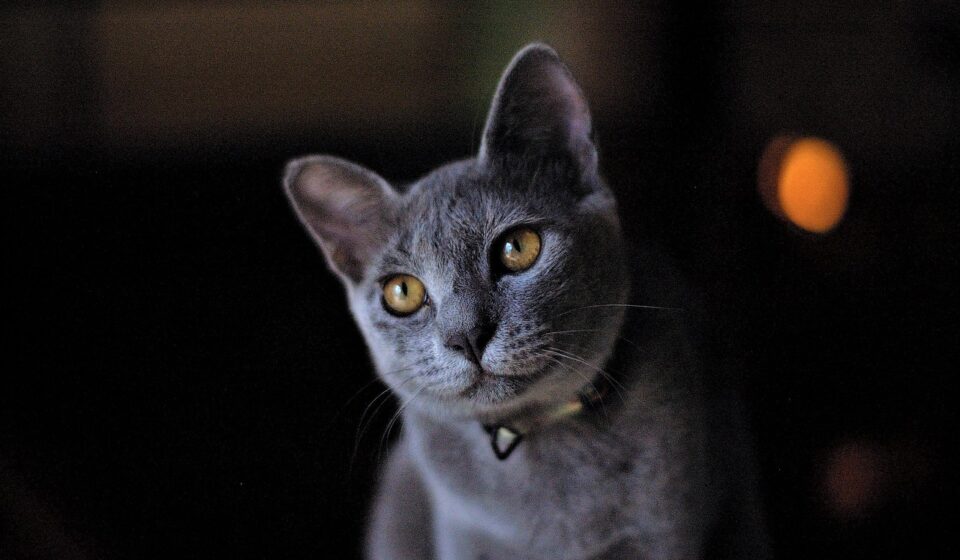

rigins are steeped in mystique, with a history often traced back to the port city of Archangel in Russia. These cats are believed to have been brought to Europe by sailors in the mid-19th century. Their dense, warm coat was an adaptation to the harsh Russian climate. By the late 1800s, the breed was gaining recognition, with early examples being exhibited in England. Despite their ancient lineage, their journey to widespread popularity has been gradual, often overshadowed by more common breeds. However, their unique charm has ensured their enduring appeal. According to the Cat Fanciers’ Association (CFA), while not among the most numerous breeds, the Russian Blue consistently ranks among the top 20 most popular breeds annually, a testament to their dedicated following.
Last updated: July 13, 2026

The Silver-Blue Enigma: Identifying a Russian Blue
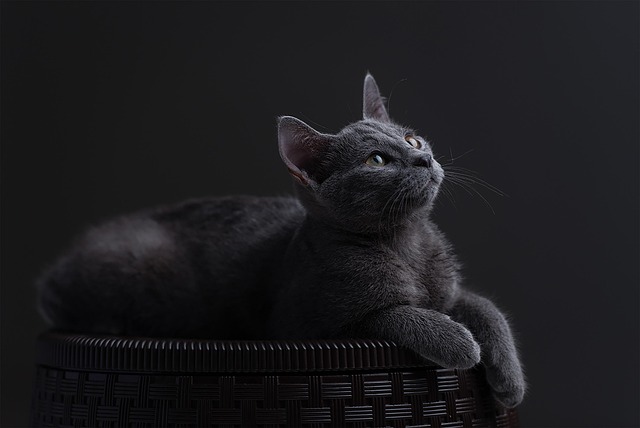
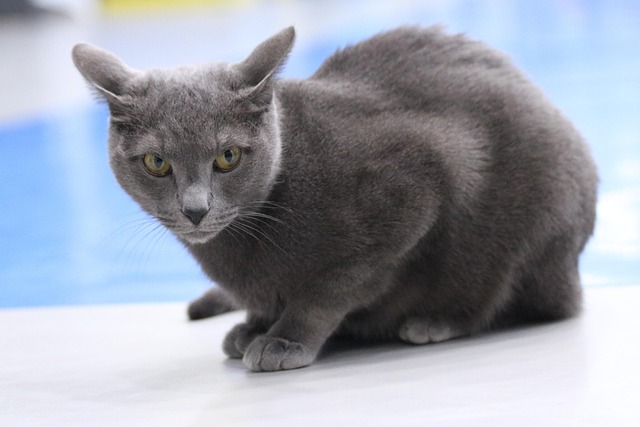
The most striking feature of a Russian Blue is its coat. It’s a short, dense double coat that stands off from the body, giving it a plush appearance. The color is a solid blue-grey, but what makes it truly special is the distinct silver tipping on each hair, which creates a shimmering, silvery sheen. This characteristic makes them stand out from ordinary grey cats.
Their eyes are large, expressive, and typically a vivid emerald green, though some may have a yellow-green hue. The eyes are set wide apart, contributing to their gentle, alert expression. The breed also boasts a slender, well-proportioned body, with long legs and a fine-boned frame. Their head is a wedge shape, with prominent whisker pads and medium-sized ears that are pointed at the tips, often showing a slight inward curve.
A Gentle Soul: The Russian Blue’s Personality
Russian Blues are renowned for their quiet, gentle, and affectionate nature. They are often described as reserved with strangers but form deep bonds with their families. Unlike some more boisterous breeds, they are typically not overly demanding of attention, preferring to offer companionship through quiet presence and soft vocalizations. They are intelligent and can be sensitive to their owners’ moods, often acting as comforting presences during times of stress.
While they enjoy interaction and play, they also appreciate their independence and may spend time observing their surroundings from a comfortable perch. This breed generally gets along well with children and other pets, especially if introduced properly and early in life. However, their sensitive nature means they may not thrive in chaotic or loud environments. They are known for their soft, melodic voices, rarely using them unless communicating a specific need or greeting.
As of July 2026, anecdotal evidence from breed enthusiasts and shelters suggests that Russian Blues are particularly well-suited for individuals or families who appreciate a quieter, more reserved feline companion. Their ability to adapt to different household dynamics, provided a calm environment is maintained, makes them versatile pets.
Caring for Your Silver Companion: Russian Blue Needs
Caring for a Russian Blue is generally straightforward, thanks to their adaptable nature and relatively low-maintenance coat. Their dense double coat, while beautiful, doesn’t require extensive grooming. Weekly brushing is usually sufficient to keep their fur in good condition, remove loose hairs, and minimize shedding. During seasonal shedding periods, you might increase brushing frequency to twice a week.
These cats are also known for being quite clean and can be easily litter-trained. Providing a clean litter box in a quiet location is important. They are generally not prone to destructive behavior if their environmental and play needs are met. Ensuring they have access to scratching posts and engaging toys can help them channel their energy constructively.
Their dietary needs are similar to other cat breeds, focusing on high-quality, balanced cat food. Whether you opt for wet, dry, or a combination, ensure it meets their nutritional requirements for their life stage. As with all cats, fresh water should always be available. Some owners report that Russian Blues can be particular about their food and water bowls, preferring ceramic or stainless steel over plastic, and may even appreciate a pet drinking fountain to encourage hydration.
Engaging the Intelligent Mind: Activity and Playtime
Despite their calm demeanor, Russian Blues are intelligent and curious cats that require mental and physical stimulation. They enjoy interactive play sessions, which not only help them burn energy but also strengthen the bond between cat and owner. Feather wands, laser pointers (used with caution to avoid frustration), and puzzle toys are excellent choices for keeping them engaged. These cats often learn to play fetch and can be trained to perform simple tricks, showcasing their intelligence and eagerness to interact.
For Russian Blues living indoors, it’s essential to provide vertical space, such as cat trees or shelves, where they can climb, perch, and observe their surroundings. This satisfies their natural instinct to survey their territory from a height. Providing a stimulating environment can prevent boredom and potential behavioral issues. As of July 2026, veterinarians continue to emphasize that regular interactive play is crucial for maintaining a cat’s physical and mental well-being, and the Russian Blue is no exception.
Longevity and Health Considerations for Russian Blues
Russian Blue cats are generally a strong and healthy breed with a long lifespan, often living between 12 to 20 years, with many reaching the upper end of this range. According to MSN reports from July 2026, several cat breeds are known for exceptional longevity, and the Russian Blue is frequently cited among them. This longevity is attributed to their strong genetic heritage and relatively few breed-specific health issues.
However, like all breeds, they can be predisposed to certain conditions. Some common concerns include:
- Progressive Retinal Atrophy (PRA): A degenerative eye condition that can lead to blindness. Regular eye exams by a veterinarian are recommended.
- Periodontal Disease: Good dental hygiene is crucial. Regular brushing and professional cleanings can help prevent gum disease and tooth loss.
- Obesity: While not inherently prone to obesity, Russian Blues can become overweight if overfed and under-exercised. Monitoring food intake and ensuring adequate playtime are key.
- Kidney Stones: While less common, some Russian Blues may be susceptible to urinary tract issues. A balanced diet and adequate hydration can help mitigate this risk.
Responsible breeding practices by reputable breeders play a significant role in minimizing the incidence of genetic health problems. Owners should seek out breeders who conduct health screenings on their breeding stock and provide health guarantees. Early detection and proactive veterinary care are vital for ensuring your Russian Blue enjoys a long, healthy life.
Distinguishing the Russian Blue
When compared to other breeds, the Russian Blue stands out for its unique combination of traits. Its coat, a solid blue with silver tipping, is distinct from the varied patterns and colors found in breeds like the Siamese or the Abyssinian. While other breeds, such as the British Shorthair, also come in blue, the Russian Blue’s coat is typically shorter, denser, and has that characteristic silver sheen. Their emerald green eyes are also a defining feature, setting them apart from breeds with amber or blue eyes.
In terms of temperament, Russian Blues are often considered more reserved than highly outgoing breeds like the Bengal or the Sphinx, but more interactive and affectionate than extremely independent breeds. Their quiet nature makes them ideal for apartment living and for owners who prefer a less vocal companion. AOL.com reported in early July 2026 on rare cat breeds with beautiful blue fur, highlighting the Russian Blue as a prime example of this stunning coloration.

Finding Your Russian Blue Companion
For those drawn to the elegance and gentle nature of the Russian Blue, adoption is a rewarding path. While purebred Russian Blues can be found through reputable breeders, they also appear in shelters and rescue organizations. As of July 2026, resources like GoKitty and Chewy.com list available cats for adoption, though specific breed availability can vary significantly by location. PERCO also occasionally features rare breeds for adoption, as noted in recent reports.
The cost of a Russian Blue kitten from a breeder can range from $800 to $2,500, depending on lineage, breeder reputation, and location. Adoption fees from shelters or rescue groups are typically much lower, often ranging from $50 to $300, and usually include initial vaccinations, spaying/neutering, and microchipping. When adopting, it’s important to inquire about the cat’s known history, temperament, and any health concerns. If adopting a kitten, remember that its full adult personality might not be apparent until it reaches maturity.
Navigating Common Russian Blue Ownership Pitfalls
One common mistake new owners make is underestimating the Russian Blue’s intelligence and need for mental stimulation. They might be seen as too quiet or aloof, leading to a lack of engaging playtime, which can result in boredom or behavioral issues. Providing a variety of toys and puzzle feeders is crucial.
Another pitfall is assuming their reserved nature means they don’t need socialization. While they may not be the life of the party, early positive interactions with people and other pets can help them feel more secure. Rushing introductions or exposing them to overwhelming situations can lead to shyness or anxiety. Patience and a calm approach are key when integrating a Russian Blue into a new environment.
Expert Tips for Russian Blue Owners
Breed experts consistently emphasize the importance of a calm household for Russian Blues. If your home is very busy or noisy, consider if this breed is the best fit. They tend to bond closely with one or two people and may become stressed by frequent changes in routine or household members.
To foster their gentle nature, use positive reinforcement training methods. They respond well to treats, praise, and clicker training. As noted by The Vet Desk, Russian Blues can be quite intelligent and learn quickly. Their soft voices mean they are unlikely to be excessively vocal, but they will communicate their needs clearly if you pay attention to their subtle cues.
When selecting a breeder, look for one who prioritizes health and temperament over mere appearance. Reputable breeders will be happy to answer your questions, allow you to meet the parent cats, and provide health clearances. For those seeking adoption, shelters and breed-specific rescues are excellent resources. Some organizations, like the Russian Blue Fanciers, Inc., can offer guidance on finding responsible breeders or rescues.
Frequently Asked Questions
Are Russian Blue cats good with children?
Yes, Russian Blue cats can be very good with children, especially if raised with them from kittenhood. They are generally gentle and patient, but it’s important to teach children how to interact respectfully with cats.
Do Russian Blue cats shed a lot?
Russian Blue cats have a dense double coat that sheds moderately. While they are not considered hypoallergenic, their unique coat type may be tolerated by some individuals with mild allergies. Regular grooming helps manage shedding.
What is the typical lifespan of a Russian Blue cat?
Russian Blue cats typically enjoy a long lifespan, often ranging from 12 to 20 years. With proper care, diet, and veterinary attention, many can live well into their late teens or even early twenties.
Are Russian Blue cats expensive?
From breeders, Russian Blue kittens can cost between $800 and $2,500. Adoption fees from shelters are significantly lower, typically $50-$300, and often include veterinary care like spaying and vaccinations.
Do Russian Blue cats like to be held?
While Russian Blues are affectionate and enjoy being near their owners, they are not always fond of being held for extended periods. They prefer to show affection through quiet companionship and gentle interactions rather than constant cuddling.
What colors do Russian Blue cats come in?
The classic and most recognized color for a Russian Blue is a solid blue-grey with silver tipping. However, some registries also recognize white and black variations, though these are less common and may not hold championship status in all associations.
Last reviewed: July 2026. Information current as of publication; pricing and product details may change.
Editorial Note: This article was researched and written by the Pet Magazine editorial team. We fact-check our content and update it regularly. For questions or corrections, contact us. Knowing how to address russian blue cat early makes the rest of your plan easier to keep on track.




About The Author