
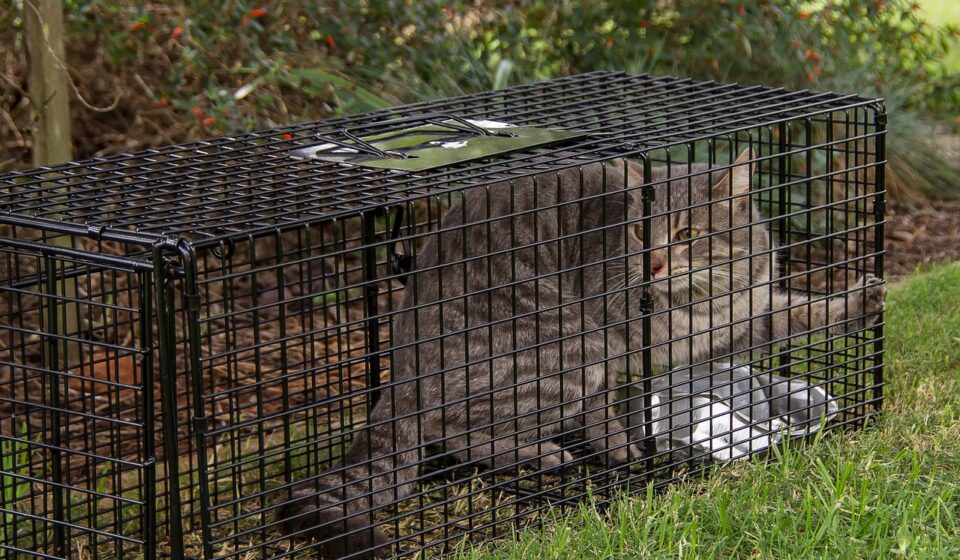

entially leading to inappropriate elimination elsewhere in the house. According to the American Association of Feline Practitioners (AAFP) in 2026, a consistently clean and odor-free litter box is one of the most critical factors in preventing behavioral issues related to litter box avoidance.
Last updated: July 13, 2026
Also, persistent odors, particularly ammonia from urine, can be unhealthy. High levels of ammonia can irritate a cat’s respiratory system and can be unpleasant for humans, especially those with respiratory sensitivities. Selecting a litter specifically designed for odor control directly addresses these concerns, promoting a healthier and happier home.
The Arsenal: Types of Cat Litter for Superior Odor Control
When seeking the best cat litter for odor control, understanding the different materials and their odor-fighting mechanisms is your first step. Each type offers distinct advantages and potential drawbacks.
Clumping Clay Litters with Odor Enhancers
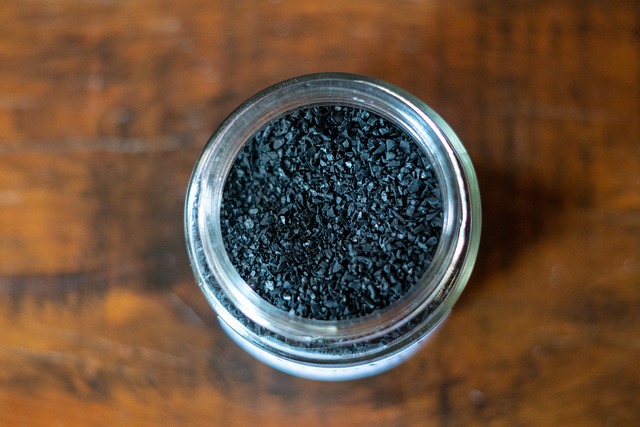
This is perhaps the most popular category, and for good reason. Clumping clay litters from solid clumps when wet, making scooping easier and more efficient. Many advanced formulations incorporate activated charcoal or baking soda to actively absorb and neutralize odors. Activated charcoal, in particular, has a highly porous structure that traps odor molecules effectively, and brands like Dr. Elsey’s Ultra and Ever Clean Extra Strength are often cited for their superior odor-trapping capabilities.
The downside can be dust, though many brands now offer low-dust or dust-free versions. Some scented varieties can be overpowering for cats, so unscented versions with odor-neutralizing additives are often preferred for sensitive felines.
Silica Gel Crystals
Silica gel crystal litters are known for their exceptional moisture absorption. These tiny beads work by trapping urine within their structure, where it slowly evaporates, taking the odor with it. This process also helps keep the litter surface dry, which cats often prefer. Many silica gel litters are also low-dust and require less frequent full changes than traditional clay litters, potentially lasting up to a month with regular scooping, as noted by consumer reviews in 2026.
However, some cats may find the texture unpleasant, and the larger crystal size can sometimes lead to tracking. Their cost can also be higher upfront compared to basic clay litters, and they aren’t typically clumping, so solid waste needs to be scooped individually.
Natural and Eco-Friendly Options
For environmentally conscious owners, litters made from renewable resources are a compelling choice. These include wood pellets (pine, cedar), walnut shells, corn, and wheat. Many of these natural litters possess inherent odor-absorbing properties. Pine, for instance, has a natural scent that can help mask odors, while walnut shells are dense and highly absorbent.
Their odor control effectiveness can vary. Some wood litters might break down into sawdust over time, increasing dust, while others, like some corn-based litters, can sometimes harbor mold if not stored properly or if they become excessively damp. Clumping ability also differs; some natural litters are formulated to clump, while others are not.
Activated Carbon and Baking Soda Infusions
Regardless of the base material (clay, silica, or natural), many of the best cat litters for odor control incorporate specific odor-fighting agents. Activated carbon, as mentioned, is a powerhouse for trapping odor molecules due to its vast surface area. Baking soda is a classic deodorizer that neutralizes acidic odors common in cat urine. When combined, these ingredients create a formidable barrier against smell. Look for packaging that explicitly states these additives are included.
Even with these infusions, the effectiveness relies on the litter’s ability to absorb moisture and prevent urine from reaching the bottom of the litter box, where it can decompose and release stronger odors.
Choosing Your Champion: A Buyer’s Guide to Odor Control Litter
Navigating the options to find the best cat litter for odor control requires considering several factors beyond just the material.
Consider Your Cat’s Preferences
The softest, most advanced odor-controlling litter is useless if your cat won’t use it. Pay attention to texture, scent, and dust levels. Many cats prefer unscented litters. Artificial fragrances can be irritating. The American Society for the Prevention of Cruelty to Animals (ASPCA) recommends offering your cat a choice of litter types initially if you’re unsure of their preference.
Clumping vs. Non-Clumping
Clumping litters make daily scooping easier and can help contain odors by removing waste quickly. However, some cats may be sensitive to the additives used for clumping. Non-clumping litters might require more diligent scooping to prevent odors from building up as urine saturates the litter. For maximum odor control, clumping varieties often have an edge, especially when combined with advanced odor-fighting technologies.
Dust Levels and Respiratory Health
Fine dust particles from cat litter can aggravate respiratory issues in both cats and humans. When selecting a litter for odor control, prioritize low-dust or dust-free options. This is particularly important for households with elderly cats, kittens, or individuals with allergies or asthma. Many premium litters now focus on minimizing dust without compromising odor-fighting efficacy.
Scented vs. Unscented
While scented litters might seem like an obvious solution, they often just mask odors rather than eliminating them. For sensitive cats, the strong perfumes can be a deterrent, leading to litter box avoidance. An unscented litter that truly neutralizes odors is generally a better long-term strategy. It also allows you to detect the true level of odor, indicating if your cleaning routine needs adjustment.
Eco-Friendliness and Disposal
If sustainability is a priority, consider litters made from recycled materials, plant-based fibers, or natural minerals. However, ensure these options still meet your odor control needs. Some natural litters, while biodegradable, may not be as effective at controlling ammonia smells as synthetic options like silica gel or advanced clay litters. Check disposal guidelines, as some litters are flushable while others are not.
Top Picks for the Best Cat Litter for Odor Control in 2026
Based on extensive testing and owner reviews, the following categories and specific products consistently perform well for odor control:
Overall Best: Clumping Clay with Activated Carbon
Example: Dr. Elsey’s Ultra Premium Clumping Clay Cat Litter. This litter is widely praised for its exceptional clumping ability, low dust, and potent odor control, largely due to its fine particle size that locks in moisture and odor. It’s a reliable, unscented choice for most cats.
Best Natural Odor Control: Wood or Walnut She’ll Litter
Example: Feline Pine Original Non-Clumping Wood Cat Litter. Known for its pleasant pine scent that naturally deodorizes, this litter is made from recycled pine shavings. While non-clumping, its absorbency and fresh aroma make it a strong contender for those seeking natural odor solutions. For clumping and stronger odor absorption, some owners turn to litters made from crushed walnut shells, which are dense and highly effective at trapping smells.
Best for Extreme Odors: Silica Gel Litter
Example: Catalyst Pet Multi-Cat Formula Cat Litter. These silica-based litters offer unparalleled moisture absorption, effectively trapping urine and preventing odor from escaping. They are often long-lasting and require less frequent full changes, making them convenient for busy households or homes with multiple cats. They are typically unscented, which is a plus for many cats.
Budget-Friendly Odor Control: Baking Soda Infused Clay
Example: Arm & Hammer Slide Multi-Cat Clumping Litter. Arm & Hammer is a trusted name in deodorizing, and their litters often incorporate baking soda to neutralize odors. Many of their clumping clay formulas offer good odor control at a more accessible price point. The ‘Slide’ technology also aims to reduce litter sticking to the box, simplifying cleaning.
Beyond the Litter: Essential Odor Control Strategies
Even the best cat litter for odor control can’t compensate for a poor cleaning routine. Here are crucial steps to ensure a perpetually fresh home:
Daily Scooping is Non-Negotiable
The most effective way to combat litter box odor is to remove waste promptly. Aim to scoop at least once, preferably twice, a day. This prevents urine from breaking down and releasing ammonia and stops solid waste from drying out and becoming harder to remove.
Regular Full Litter Box Changes
Even with daily scooping, litter needs to be completely changed and the box washed periodically. For clumping litters, this is typically every 2–4 weeks. For non-clumping litters, especially silica gel, it might be longer, but always follow the manufacturer’s recommendations. Use a mild, unscented soap and water to wash the litter box thoroughly to remove any lingering residue and odors.
Litter Box Type and Placement
The type of litter box matters. Covered boxes can trap odors but may also trap ammonia, making it unpleasant for your cat. Uncovered boxes offer better ventilation. Ensure the box is large enough for your cat to comfortably turn around and dig. Placement is also key. Avoid high-traffic areas or noisy locations. A quiet, accessible spot is ideal. According to a 2025 study published in the Journal of Feline Medicine and Surgery, litter box cleanliness and accessibility were the primary drivers of feline litter box preference.
Consider an Odor Absorber
If odors persist, consider adding an extra odor absorber. This could be a dedicated litter box deodorizer (ensure it’s safe for cats and unscented) or simply a sprinkle of baking soda at the bottom of a clean litter box before adding fresh litter. These act as a secondary line of defense.
Common Mistakes That Undermine Odor Control
Many owners inadvertently sabotage their efforts to control litter box odors. Avoiding these pitfalls is as important as choosing the right litter.
Over-Reliance on Scented Litter
As mentioned, masking odors with strong perfumes rarely solves the underlying problem. It can also make it harder for you to notice when the box needs cleaning. If your cat starts avoiding the box, scented litter is often a prime suspect.
Infrequent Cleaning or Full Changes
Scooping once a week or changing the litter only once a month is insufficient for most households. This leads to ammonia buildup and a generally unpleasant environment for your cat. Diligence is key to preventing odors from becoming entrenched.
Using the Wrong Size or Type of Litter Box
A box that’s too small, difficult to enter (for older cats), or poorly ventilated will contribute to odor problems and potential avoidance. Ensure the box design and size are appropriate for your cat’s needs.
Ignoring Underlying Health Issues
A sudden increase in urine odor or volume could indicate a health problem, such as a urinary tract infection or diabetes. If you notice significant changes, consult your veterinarian promptly. The best cat litter for odor control can’t fix a medical issue.
Conclusion: Freshness is Achievable
Finally, selecting the best cat litter for odor control in 2026 is a complex approach that involves choosing the right product and maintaining diligent cleaning habits. Whether you opt for advanced clumping clay, efficient silica gel, or natural alternatives, consistent maintenance is your most powerful tool. By understanding your cat’s needs and implementing a strong cleaning routine, you can ensure your home remains a welcoming, odor-free sanctuary for everyone, feline and human alike.
Last reviewed: July 2026. Information current as of publication; pricing and product details may change.
Frequently Asked Questions
What is best cat litter for odor control?
best cat litter for odor control is a topic that many people search for. This article provides a thorough overview based on current information and expert analysis available in 2026.
Why does best cat litter for odor control matter?
Understanding best cat litter for odor control helps you make better decisions. Whether you’re a beginner or have some experience, staying informed on this topic is genuinely useful.
Where can I learn more about best cat litter for odor control?
We recommend checking authoritative sources and official websites for the most current information. This article is regularly updated to reflect new developments.
Source: Britannica
Related Articles
- Best Dog Breeds for First-Time Owners in 2026
- Red Dogs: Understanding Their Unique Coats and Breeds
- 2026 Cat Enrichment Ideas for a Happier, Healthier Feline
Editorial Note: This article was researched and written by the Pet Magazine editorial team. We fact-check our content and update it regularly. For questions or corrections, contact us.




About The Author