
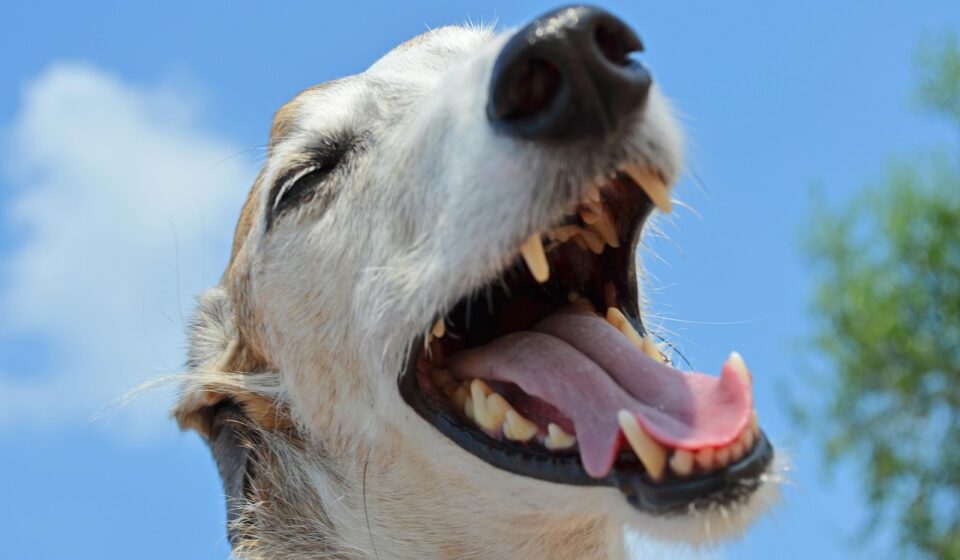

Why Your Dog’s Dental Health is Non-Negotiable
For anyone working through the question of how to care for dog teeth, the answer lies in understanding that oral health is inextricably linked to your dog’s overall well-being. Neglecting your dog’s teeth can lead to painful conditions like periodontal disease, which can affect their vital organs and significantly shorten their lifespan. As of June 2026, veterinary professionals emphasize that early and consistent dental care is not just about fresh breath; it’s a cornerstone of preventative medicine for your canine companion.
Last updated: June 10, 2026
The consequences of poor dental hygiene extend beyond discomfort. Bacteria from infected gums can enter the bloodstream, potentially damaging the heart, kidneys, and liver. This makes proactive dog dental care an essential part of responsible pet ownership, preventing a cascade of health issues that are far more challenging and expensive to treat later.
Key Takeaways
- Consistent brushing is the most effective way to care for dog teeth.
- Dental treats and chews can supplement brushing but are not a replacement.
- Regular veterinary dental check-ups are crucial for early detection of problems.
- Periodontal disease in dogs can lead to serious systemic health issues.
- Good oral hygiene practices contribute to your dog’s longevity and quality of life.
Understanding Plaque, Tartar, and Gum Disease
Just like in humans, a dog’s mouth is teeming with bacteria. When these bacteria combine with food particles and saliva, they form plaque, a sticky film that adheres to the teeth. If plaque isn’t removed regularly, it hardens into tartar (calculus), which is much more difficult to dislodge.
Tartar buildup irritates the gums, leading to gingivitis—the initial stage of periodontal disease, characterized by red, swollen, and bleeding gums. If left unchecked, gingivitis progresses to more severe periodontal disease, where the supporting structures of the teeth are destroyed. This can result in tooth loss, pain, and the aforementioned systemic health risks.

Brushing Your Dog’s Teeth: The Gold Standard for Dog Dental Care
The most effective method for how to care for dog teeth at home is regular brushing. Aim to brush your dog’s teeth at least a few times a week, ideally daily. This physical action removes plaque before it can harden into tartar and helps to reduce the bacterial load in their mouth.
When starting, introduce the process gradually. Let your dog taste pet-specific toothpaste—never use human toothpaste, as it can be toxic. Start by gently massaging their gums with your finger, then progress to using a soft-bristled dog toothbrush or a finger brush. Focus on the outer surfaces of the teeth, where plaque tends to accumulate most.
Practically speaking, consistency is key. Many owners find it easiest to integrate brushing into their daily routine, perhaps after their own morning coffee or before an evening walk. While it might seem daunting initially, many dogs become accustomed to it with positive reinforcement, such as treats and praise.
Dental Chews and Treats: A Supplementary Solution
While not a substitute for brushing, dental chews and specially formulated dental treats can play a supporting role in your dog’s oral hygiene routine. These products are designed with textures and ingredients that help to scrape plaque and tartar from the teeth as your dog chews.
Look for products that have earned the Veterinary Oral Health Council (VOHC) Seal of Acceptance. This indicates that the product has demonstrated effectiveness in reducing plaque and/or tartar. However, be mindful of the caloric content of these treats, and ensure they don’t contribute to weight gain. For instance, a large dental chew can contain as many calories as a small meal.
What this means in practice: select chews appropriate for your dog’s size and chewing habits. Aggressive chewers might break off large pieces that could pose a choking hazard, while very soft chews may not provide enough abrasive action. Always supervise your dog when they are chewing on dental treats.
Water Additives and Oral Rinses
Another option for how to care for dog teeth involves products added to your dog’s drinking water or used as an oral rinse. These solutions often contain enzymes or antiseptic agents that help to kill bacteria in the mouth, reducing plaque formation and improving breath.
These products can be a convenient addition for owners who struggle with brushing. However, their effectiveness can vary, and some dogs may be hesitant to drink water that has an added flavor or texture. It’s also crucial to ensure the product is specifically formulated for dogs and approved by your veterinarian.
From a different angle, remember that these are supplementary. They don’t provide the mechanical scrubbing action that brushing does, which is vital for removing lodged food particles and stubborn plaque. Therefore, they are best used in conjunction with other dental care methods.
Professional Dental Cleanings: When to Visit the Vet
Even with diligent at-home care, professional dental cleanings by a veterinarian are essential for comprehensive dog dental care. Most dogs require professional cleanings annually, or more often if they are prone to dental disease. As of June 2026, these cleanings are typically performed under general anesthesia.
The anesthesia allows the veterinarian to thoroughly examine each tooth, probe the gum line for pockets, and take dental X-rays to assess the health of the tooth roots and jawbone. They then perform a deep cleaning above and below the gum line, followed by polishing the teeth to create a smooth surface less prone to plaque buildup. The cost can range from $100 to $300 for a basic cleaning, depending on the dog’s size and any required extractions or treatments.
A significant drawback to professional cleanings is the inherent risk associated with anesthesia, though veterinary anesthetics are very safe. Your vet will discuss pre-anesthetic blood work and monitoring protocols to minimize any risks. If your dog has underlying health conditions, they may recommend specific pre-anesthesia treatments.
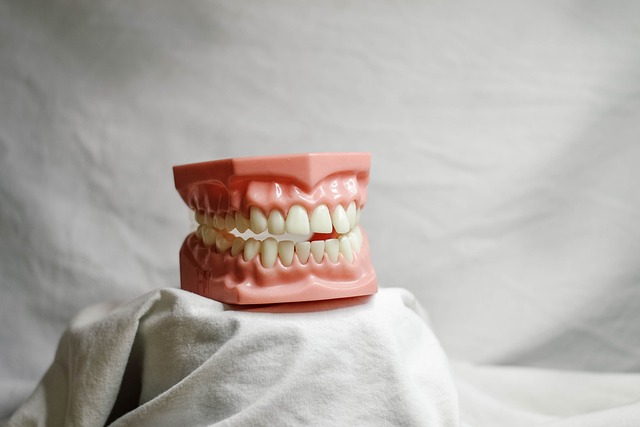
Recognizing the Signs of Dental Problems
As an owner, being able to spot early signs of dental issues is a critical part of knowing how to care for dog teeth. Pay attention to changes in your dog’s behavior and mouth. Common indicators include persistent bad breath (halitosis), which is often the first sign of an issue.
Other signs to watch for include difficulty eating, dropping food, reluctance to chew, excessive drooling, red or swollen gums, bleeding from the mouth, and visible tartar buildup or discoloured teeth. In advanced stages, you might notice loose teeth or your dog pawing at their mouth. If you observe any of these symptoms, schedule a veterinary appointment promptly.
Diet’s Role in Your Dog’s Oral Health
A dog’s diet plays a surprisingly significant role in their dental health. Kibble, or dry dog food, can help to provide some abrasive action as dogs chew, potentially helping to scrape away plaque. However, the effectiveness varies greatly depending on the size and shape of the kibble.
While some believe wet food is detrimental to dental health, the primary concern is not the food’s consistency but the overall dental hygiene practices. A balanced diet that supports good overall health also contributes to a stronger immune system, which can help fight off infections, including those in the mouth. Ensure your dog’s diet is appropriate for their age, breed, and activity level, as recommended by your veterinarian.
Common Mistakes Pet Owners Make
One of the most common mistakes is relying solely on dental treats or chews without brushing. While helpful, these alone can’t effectively remove plaque from all tooth surfaces, especially along the gum line.
Another mistake is using human toothpaste or toothbrushes. Human products often contain ingredients like fluoride or xylitol, which are toxic to dogs. Similarly, using a toothbrush that’s too hard can damage your dog’s gums and enamel. For example, a stiff-bristled brush might cause microscopic tears in the gum tissue, creating entry points for bacteria.
Finally, waiting too long to seek professional help is a major error. Many owners delay veterinary visits for dental concerns until the problem is severe, leading to more complex and expensive treatments, and causing unnecessary suffering for their pet. According to the American Veterinary Dental Society, over 80% of dogs over the age of three show signs of periodontal disease, highlighting how common and often overlooked this issue is.
Expert Tips for Maintaining Healthy Dog Teeth
Start dental care early. Puppies are more adaptable and will often accept brushing more readily than adult dogs. This sets a positive foundation for lifelong dental hygiene.
Use a enzymatic toothpaste specifically designed for dogs. These toothpastes often contain enzymes that help break down plaque and reduce odor-causing bacteria. Some popular and effective brands include Virbac C.E.T. Enzymatic Toothpaste and Petz Route Dental Paste.
Consider a dental diet. Some prescription or specialized diets are formulated with ingredients and kibble shapes that promote dental health. Discuss these options with your veterinarian to see if one is appropriate for your dog.
Regularly inspect your dog’s mouth. Even if you’re not brushing, take a moment each week to look at their gums and teeth. Early detection of redness, swelling, or broken teeth can make a significant difference.
How often should I brush my dog’s teeth?
Ideally, aim to brush your dog’s teeth daily. However, if daily brushing is not feasible, aim for at least three to four times a week. Consistency is more important than frequency in preventing plaque buildup.
What is the best dog dental treat?
Look for dental treats with the VOHC Seal of Acceptance, indicating proven effectiveness in reducing plaque and tartar. Consider your dog’s size and chewing habits when choosing a treat, and always supervise their consumption.
Can I use human toothpaste on my dog?
No, you should never use human toothpaste on your dog. It often contains fluoride and xylitol, which are toxic to dogs and can cause serious health issues if ingested.
What are the signs of dental disease in dogs?
Signs include bad breath, red or swollen gums, difficulty eating, excessive drooling, bleeding from the mouth, visible tartar buildup, and loose teeth. Prompt veterinary attention is needed if these symptoms appear.
How much does a dog teeth cleaning cost?
The cost for a professional veterinary dental cleaning can range from approximately $100 to $300, depending on the dog’s size, age, and whether any extractions or advanced treatments are necessary.
Is water additive enough for dog dental care?
Water additives can help reduce bacteria and improve breath but are not sufficient on their own. They lack the mechanical action of brushing, which is essential for removing plaque and debris.
What happens if you don’t brush your dog’s teeth?
Without regular brushing, plaque hardens into tartar, leading to gingivitis and periodontal disease. This can cause pain, tooth loss, and affect major organs like the heart and kidneys.
Caring for your dog’s teeth is a vital aspect of their overall health. By implementing a consistent routine of brushing, supplementing with appropriate dental aids, and scheduling regular veterinary check-ups, you can significantly contribute to your dog’s long, healthy, and happy life. The most crucial takeaway is to establish a regular, positive dental care routine that works for both you and your dog.
Last reviewed: June 2026. Information current as of publication; pricing and product details may change.




About The Author