


Meet the Dachshund: A Unique Companion
The Dachshund, often affectionately nicknamed the “sausage dog” or “wiener dog,” is a breed instantly recognizable for its distinctive short legs and long body. Originating from Germany, these spirited hounds were originally bred to hunt badgers, their elongated shape perfect for burrowing into dens. As of June 2026, their charm continues to win hearts worldwide, making them one of the most popular breeds. But beyond their cute appearance lies a complex personality and specific needs owners must understand.
Last updated: June 11, 2026
For anyone working through the question of whether a Dachshund is the right fit for their home, understanding their unique traits—from their potential health concerns to their surprisingly bold temperament—is crucial. This guide dives deep into everything you need to know about Dachshund care in 2026, ensuring your “wiener” lives a long, happy, and healthy life.
Key Takeaways
- Dachshunds require specific care due to their unique body shape, particularly concerning back health.
- They possess a bold, curious, and often stubborn temperament that requires consistent training.
- Grooming needs vary significantly based on coat type: smooth, long-haired, or wire-haired.
- Their average lifespan is 12–16 years, with proper care being paramount.
- Dachshunds need moderate exercise but must avoid activities that strain their backs.
A Hound’s Heritage: Dachshund History
The Dachshund’s journey began in Germany centuries ago, likely as far back as the 15th century. Bred by hunters, their name itself translates to “badger dog” in German (Dachs = badger, Hund = dog). Their long, low bodies and short legs were a perfect adaptation for digging into badger setts and flushing out prey, or even engaging with them underground.
Over time, two size varieties emerged: the standard and the miniature. The miniature Dachshund was developed to hunt smaller game like rabbits and stoats. Despite their hunting roots, Dachshunds have transitioned into beloved family companions, known for their intelligence and playful spirit. According to the American Kennel Club (AKC) 2023 breed statistics, Dachshunds consistently rank among the top breeds for popularity in the United States.
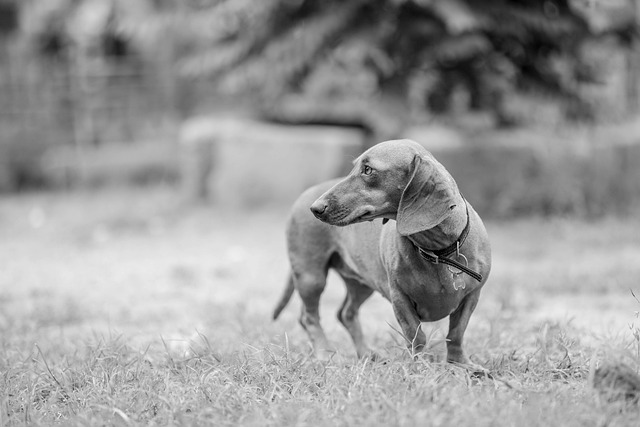
The Bold Heart of a “Sausage Dog”
Don’t let their small stature and comical appearance fool you; Dachshunds possess a surprisingly large personality. They are known for being courageous, curious, lively, and often quite stubborn. This independent streak means training can sometimes be a challenge, but their intelligence means they are capable of learning a great deal with patience and consistency.
Their “big dog” attitude can sometimes lead them to be wary of strangers or other animals if not properly socialized from a young age. Early socialization is key to ensuring your Dachshund grows into a well-adjusted companion. They tend to bond strongly with their families and can be quite vocal, often alert barking at perceived threats or visitors.
What this means in practice: A Dachshund is not a passive lap dog. They need mental stimulation and engagement to prevent boredom, which can lead to destructive behaviors. Their bravery can also translate to a willingness to take on larger dogs, so supervision is essential during interactions.
Protecting Your Dachshund’s Back: Health Matters
The Dachshund’s most prominent physical characteristic—their long spine—also makes them highly susceptible to Intervertebral Disc Disease (IVDD). This condition affects the discs between the vertebrae, leading to pain, nerve damage, and even paralysis. According to the Dachshund Health Foundation, IVDD affects approximately 20-25% of the breed throughout their lifetime. As of 2026, proactive care remains the best defense.
Owners must be vigilant about preventing activities that put excessive strain on their backs. This includes limiting jumping on and off furniture, using ramps or steps, and avoiding rough play or excessive stair climbing. Maintaining a healthy weight is also critical, as excess pounds put added pressure on the spine.
Other common health issues include:
- Patellar Luxation: A condition where the kneecap slips out of place.
- Eye Conditions: Such as progressive retinal atrophy (PRA) and cataracts.
- Dental Problems: Small breeds are prone to overcrowding and gum disease.
- Obesity: Due to their love for food and potential for lower activity levels.
Regular veterinary check-ups, a balanced diet, and a vigilant approach to managing their physical activity can significantly contribute to your Dachshund’s overall well-being and longevity. For specific advice on managing these conditions, consulting with a veterinarian is always recommended.

Coat Care: Smooth, Long-Haired, and Wire-Haired Dachshunds
Dachshunds come in three distinct coat types, each with its own grooming requirements:
- Smooth-haired: These Dachshunds have a short, sleek, and shiny coat that requires minimal grooming. A weekly brush with a soft bristle brush or grooming mitt is usually sufficient to remove loose hair and keep their coat looking its best. These coats shed moderately year-round.
- Long-haired: Characterized by their wavy or sleek long hair, particularly on the ears, chest, and tail, these Dachshunds need more regular grooming. Brushing several times a week with a slicker brush or comb helps prevent tangles and mats. Special attention should be paid to the feathering to avoid knots.
- Wire-haired: This coat is short, thick, and rough, with a softer undercoat. They often have distinct “eyebrows” and “beards.” Wire-haired Dachshunds require regular brushing, and their coat may benefit from professional stripping or hand-stripping twice a year to maintain its texture and appearance.
Regardless of coat type, regular nail trims, ear cleaning, and dental care are essential components of a Dachshund’s grooming routine. Neglecting these can lead to discomfort, infection, and other health problems.
Training Your Determined Dachshund
Dachshunds are intelligent, but their independent nature can sometimes make training feel like a battle of wills. Positive reinforcement methods are by far the most effective. This means rewarding desired behaviors with treats, praise, and toys.
House training can be a slow process for some Dachshunds. Consistency, frequent potty breaks, and a designated potty spot are crucial. Crate training can be helpful for housebreaking and providing a safe space for your dog, but remember that Dachshunds can be prone to separation anxiety, so never leave them crated for excessively long periods.
Due to their strong prey drive and potential for wariness, early and consistent socialization is paramount. Exposing your Dachshund puppy to various sights, sounds, people, and other well-behaved dogs from a young age will help them grow into a confident and friendly adult. Enroll them in puppy classes for structured socialization and basic obedience training. According to a 2025 survey by the Pet Industry Association, 75% of owners who completed puppy socialization classes reported fewer behavioral issues in their adult dogs.

Fueling Your “Wiener Dog”: Diet and Exercise
Dachshunds have a hearty appetite and can be prone to obesity, which exacerbates back problems. Therefore, a high-quality, balanced diet is essential. The exact amount of food will depend on their age, size, activity level, and metabolism. It’s best to consult with your veterinarian to determine the optimal feeding plan and food type for your individual Dachshund.
Look for a dog food specifically formulated for small breeds or one that supports joint health. Avoid free-feeding; instead, establish a consistent feeding schedule, typically two meals a day for adult dogs. This helps monitor their intake and prevents overeating.
Exercise for Dachshunds should focus on moderate activity that doesn’t involve high impact. Daily walks are excellent for keeping them fit and mentally stimulated. Leash walks are recommended to prevent them from running off or encountering hazards. Short bursts of play in a safely enclosed yard are also beneficial. Avoid activities like jumping from heights, strenuous agility courses, or long-distance running, especially during their growth phases.
A Long Life: Dachshund Lifespan and Senior Care
With proper care, Dachshunds typically enjoy a long lifespan, often ranging from 12 to 16 years. Some individuals can even live longer. As they age, their needs may change, and senior Dachshunds require special attention to maintain their quality of life.
Senior Dachshunds might experience a decrease in activity levels and may be more prone to joint issues or IVDD. Providing orthopedic beds can offer comfort, and continuing with gentle, short walks can help maintain muscle mass and mobility. Regular veterinary check-ups are even more critical for seniors, allowing for early detection and management of age-related conditions.
From a different angle: Owners of senior Dachshunds should be particularly mindful of their diet, potentially switching to senior-specific formulas that are lower in calories and easier to digest. Monitoring for any changes in appetite, behavior, or mobility is key to ensuring their comfort and well-being in their golden years.
A Spectrum of Style: Dachshund Colors and Patterns
One of the most fascinating aspects of Dachshunds is the incredible variety of colors and patterns their coats can display. These variations are not just aesthetic; they can sometimes be linked to specific genetic traits. As of 2026, the understanding of Dachshund genetics continues to grow, offering insights into these diverse looks.
Common colors include:
- Red: From deep rust to lighter shades.
- Black: Often with tan or cream markings (black and tan).
- Chocolate: Can also come with tan or cream markings.
- Cream: A solid, pale color.
- Wheaten: A soft, pale gold.
Patterns add another layer of complexity:
- Dapple: Irregular patches of lighter and darker color.
- Brindle: Tiger-like stripes of two colors.
- Piebald: Large patches of white with another color.
- Sable: Black-tipped hairs over a base color.
remember that breeding two Dapple Dachshunds together can result in a “double dapple,” which carries a high risk of severe health problems, including blindness and deafness. Responsible breeders will never intentionally breed two dapples. The AKC doesn’t recognize double dapples as a standard color pattern due to these health risks.

Finding Your Dachshund: Adoption and Responsible Breeding
When looking to bring a Dachshund into your home, you have two primary avenues: adoption from a rescue organization or purchasing from a responsible breeder. Both have their merits, and as of June 2026, both are viable options for finding your perfect companion.
Dachshund rescue organizations are dedicated to rehoming dogs that have been surrendered or found as strays. Adopting a Dachshund from a rescue can be incredibly rewarding, offering a second chance to a dog in need. These organizations often provide thorough health and behavioral assessments.
If you choose to buy a puppy, it’s vital to seek out a responsible breeder. A good breeder prioritizes the health and temperament of their dogs, conducts necessary genetic health testing (especially for IVDD and eye conditions), and is transparent about their practices. Avoid breeders who seem more interested in making a quick sale than ensuring the well-being of their dogs or puppies. According to the ASPCA, approximately 6.3 million companion animals enter U.S. animal shelters nationwide every year, and many purebred dogs, including Dachshunds, are available for adoption.
Avoiding Dachshund Owner Pitfalls
Many owners, charmed by the Dachshund’s unique look, sometimes overlook specific care requirements. One of the most common mistakes is allowing them to jump on and off high surfaces. This significantly increases their risk of IVDD. The solution? Provide ramps or steps for furniture access and consistently discourage jumping.
Another frequent oversight is underestimating their stubbornness during training. Owners might get frustrated and give up too soon. The key is patience and consistency with positive reinforcement techniques. If you’re struggling, professional training assistance can be invaluable.
Finally, not managing their diet closely enough leads to obesity, a major contributor to health problems. Owners must be disciplined with feeding schedules and treats, ensuring their Dachshund maintains a lean physique. Regularly assessing their body condition and consulting their vet for dietary adjustments are proactive steps.
Expert Insights for a Thriving Dachshund
For those living with Dachshunds, a few expert tips can make a world of difference. Firstly, invest in a good quality harness rather than a collar. A harness distributes pressure across the chest and shoulders, minimizing stress on the neck and spine, which is especially important for this breed. Look for a well-fitting Y-shaped harness designed for short-legged dogs.
Secondly, understand that Dachshunds can be prone to separation anxiety. If you work long hours, consider a dog walker, doggy daycare, or investing in interactive puzzle toys to keep them entertained. The latest research from the University of Pennsylvania’s Veterinary School in 2026 highlighted that mental stimulation is as crucial as physical exercise for preventing behavioral issues in breeds like the Dachshund.
Lastly, never underestimate the power of a good chew toy. Dachshunds, especially puppies, have a strong need to chew. Providing durable, safe chew toys can redirect this natural behavior away from furniture and personal belongings.
Frequently Asked Questions
Are Dachshunds difficult to train?
Dachshunds can be challenging to train due to their stubborn and independent nature. Consistent, positive reinforcement methods are essential, focusing on rewarding good behavior rather than punishing mistakes. Patience is key.
How much exercise does a Dachshund need?
Dachshunds need moderate exercise, typically around 30–60 minutes of daily activity, primarily in the form of leash walks. Avoid high-impact activities like jumping to protect their backs.
What is the average lifespan of a Dachshund?
The average lifespan for a Dachshund is between 12 and 16 years, though many can live into their late teens with excellent care.
Are Dachshunds good with children?
Dachshunds can be good with children if socialized early and properly. However, due to their delicate backs and potential for nippiness when scared or annoyed, supervision is always recommended, especially with very young children.
What are the most common Dachshund health problems?
The most significant health concern is Intervertebral Disc Disease (IVDD) due to their long spines. Other issues include obesity, dental problems, and patellar luxation.
Do Dachshunds shed a lot?
Shedding varies by coat type. Smooth-haired Dachshunds shed moderately year-round. Long-haired and wire-haired Dachshunds also shed, but regular grooming helps manage loose hair.
Can Dachshunds live in apartments?
Yes, Dachshunds can adapt well to apartment living provided they receive adequate daily exercise and mental stimulation. Their moderate exercise needs make them suitable for smaller living spaces.
Information current as of June 2026; pricing and product details may change.
Editorial Note: This article was researched and written by the Pet Magazine editorial team. We fact-check our content and update it regularly. For questions or corrections, contact us. Knowing how to address deshund early makes the rest of your plan easier to keep on track.
About The Author