
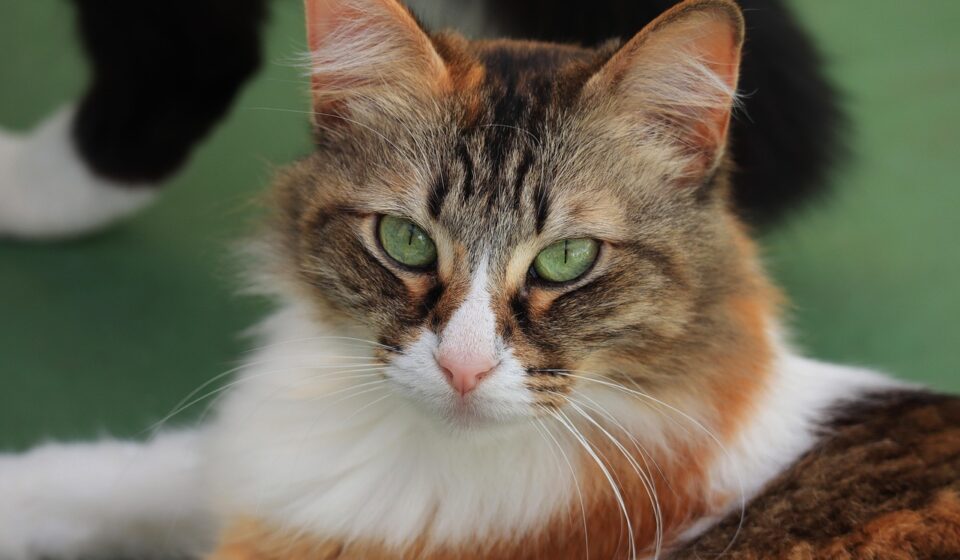

The Irresistible Charm of Orange and White Cats
For anyone who’s ever fallen for a feline’s captivating gaze, the orange and white cat holds a special place in the heart. These striking companions, often affectionately dubbed ‘marmalade’ or ‘ginger’ cats, are instantly recognizable and widely adored. As of June 2026, their popularity continues to soar, making them a frequent sight in homes and rescue shelters alike.
Last updated: June 5, 2026
But what makes these bi-colored beauties so special? It’s a blend of their unique genetic makeup, the fascinating science behind their coat patterns, and the often-delightful personalities they bring into our lives. This complete guide will dive deep into everything you need to know about the orange and white cat, from their origins and common breeds to their care needs and what to expect as a companion.
Key Takeaways
- Orange and white coloring is a genetic trait, not a specific breed.
- Many breeds can display orange and white patterns, including Domestic Short hairs and Longhairs.
- These cats often exhibit friendly, outgoing, and sometimes mischievous personalities.
- Their coat pattern is linked to the X chromosome, influencing gender distribution.
- Proper care involves diet, grooming, veterinary visits, and mental stimulation.
Decoding the Orange and White Coat: It’s All in the Genes
The vibrant orange and white coat isn’t exclusive to one particular breed; it’s a genetic characteristic that can appear in many different types of cats. The key players here are genetics, specifically the genes that determine coat color and pattern. The ‘O’ gene determins the orange color itself, which is located on the X chromosome.
This X-linked inheritance is why male cats (XY) typically only have one copy of the gene and are thus more likely to be solid orange or tortoiseshell if they have a rare genetic anomaly (XXY, known as Klinefelter syndrome). Female cats (XX) have two X chromosomes, allowing them to inherit two different color genes, which is how the tabby pattern often combines with white spotting to create the familiar orange and white patchwork.
The ‘white spotting’ gene (S gene) is responsible for the white patches. The extent of white can vary dramatically, from just a few white paws or a chest blaze to almost entirely white cats with just patches of orange. This genetic lottery is what gives each orange and white cat its unique, individual appearance.

Breeds and Variations: More Than Just a Color
While no single breed is defined by the orange and white coat, many popular breeds frequently exhibit this coloration. The most common ‘breed’ you’ll encounter is the Domestic Short hair or Domestic Longhair. These cats are the quintessential mixed-breed felines, possessing a wide range of appearances and temperaments, with the orange and white pattern being one of the most prevalent.
Beyond the mixed breeds, you’ll often see orange and white patterns in:
- American Short hair: Known for their strong build and friendly demeanor, the classic orange tabby pattern with white is a common and beloved variation.
- British Short hair: Often seen in solid colors, the orange and white ‘bi-color’ or ‘tabby and white’ versions are charming and sought after.
- Maine Coon: These gentle giants can display a vast array of coat colors and patterns, including striking orange and white combinations. Their large size and fluffy coats make this pattern particularly eye-catching.
- Persian: While known for their long, luxurious fur, Persians can also sport orange and white coats, often with a flatter facial structure.
- Rag doll: These docile cats, famous for going limp when picked up, can have ‘mitted’ or ‘bi-color’ patterns that include orange and white.
- Scottish Fold: Instantly recognizable by their folded ears, Scottish Folds can also come in tabby and white variations, including orange.
- Exotic Short hair: Essentially a short haired Persian, they share many of the same coat color possibilities, including orange and white.
It’s important to remember that regardless of the breed, the orange and white coloring is primarily a phenotypic expression influenced by genetics, rather than a defining breed characteristic in itself. This means you can find this beautiful pattern in purebreds and mixed breeds alike.
The ‘Marmalade’ Personality: Friendly, Bold, and Sometimes Goofy
Ask any owner of an orange and white cat, and they’ll likely tell you their feline friend has a distinct personality. While it’s crucial to avoid broad generalizations about any animal’s temperament, there’s a widely observed trend that orange and white cats, particularly males, tend to be more outgoing, social, and less aggressive towards humans than other coat colors. Some studies and owner supports this anecdotal evidence surveys.
Research, such as a 2016 study from the University of California, Davis, and later analyses, has suggested correlations between coat color and behavior. Orange cats (including those with white) have often been described as:
- Friendly and Affectionate: They frequently seek out human interaction and enjoy cuddles.
- Outgoing and Sociable: Less prone to shyness, they often adapt well to new people and environments.
- Playful and Energetic: Many orange cats maintain a playful spirit well into adulthood.
- Mischievous: They can also be quite clever and prone to getting into playful trouble, earning them the nickname ‘Marmalade Menaces’ among some owners.
- Vocal: Some owners report their orange cats are more vocal than others, often ‘talking’ to their humans.
From a different angle, Keep in mind that the prevalence of orange males (due to X-chromosome inheritance) might influence these observations, as male cats are sometimes perceived as more social. However, female orange and white cats also frequently display these traits.
What this means in practice is that an orange and white cat might be an excellent choice for families, individuals seeking an interactive companion, or those who enjoy a bit of feline antics. Their often-bold personalities can make them incredibly engaging pets.

Caring for Your Orange and White Companion in 2026
Caring for an orange and white cat is much like caring for any other domestic feline, but understanding their specific needs can enhance their well-being. As of June 2026, standard veterinary recommendations apply, focusing on a balanced diet, regular grooming, consistent veterinary care, and ample mental and physical stimulation.
Diet and Nutrition: A high-quality cat food, appropriate for their age and activity level, is paramount. Orange cats, especially males, can sometimes be prone to weight gain if their diet isn’t managed. Consult with your veterinarian about the best food options and portion sizes. According to the World Small Animal Veterinary Association (WSAVA), maintaining a healthy weight is crucial for preventing issues like diabetes and arthritis. Cats fed primarily wet food often have better hydration, which supports kidney health.
Grooming: For short haired orange and white cats, weekly brushing is usually sufficient to manage shedding and keep their coat healthy. Longhaired varieties, like the orange and white Maine Coon or Persian, will require more frequent grooming, often daily, to prevent mats and tangles. Regular nail trims and occasional teeth brushing are also important components of feline hygiene.
Veterinary Care: Annual check-ups with a veterinarian are essential for monitoring health, administering vaccinations, and addressing any concerns. As cats age, more frequent visits might be recommended. Discuss parasite prevention (fleas, ticks, heartworm) with your vet to ensure your cat stays protected.
Enrichment and Play: Orange and white cats often have a high energy level and a curious nature. Providing ample opportunities for play with interactive toys, scratching posts, and climbing structures will help keep them physically fit and mentally stimulated. Puzzle feeders can be a great way to engage their minds during meal times.
Dental Health: Feline dental disease is common. Establishing a dental care routine, whether through brushing or dental treats approved by veterinary professionals, can help prevent painful conditions later in life. The American Veterinary Dental Society (AVDS) highlights that dental issues can lead to systemic health problems.
What this means in practice is that consistency and attention to detail in daily care routines significantly contribute to a long, healthy, and happy life for your orange and white cat.

Lifespan and Potential Health Considerations
Generally, orange and white cats enjoy a good lifespan, with many domestic cats living between 12 to 18 years, and some even reaching their early twenties. Factors like genetics, diet, lifestyle, and veterinary care all play a role in their longevity.
While they don’t have specific health issues directly tied to their orange and white coloring, certain predispositions can be observed within breeds that commonly display this coat pattern. For instance:
- Hypertrophic Cardiomyopathy (HCM): This heart condition is more prevalent in breeds like Maine Coons and Rag dolls, which can be orange and white.
- Polycystic Kidney Disease (PKD): Persians and related breeds have a genetic predisposition to this kidney disorder.
- Obesity: As mentioned, some orange cats may be more prone to weight gain, which can lead to secondary health issues like diabetes, arthritis, and urinary tract problems.
- Skin Sensitivity: While not specific to orange cats, some individuals may have sensitivities to certain ingredients in food or environmental allergens.
It’s also worth noting a common myth: that all orange cats are male. As discussed, while males are more likely to be orange due to X-chromosome genetics, females can be orange or tortoiseshell. According to the Cat Fanciers’ Association (CFA), roughly 80% of all orange cats are male, but 20% are female. Understanding this can help in identifying your cat’s genetic makeup and potential health considerations linked to their breed, if applicable.
Identifying Your Orange and White Cat’s Breed
If you’ve adopted an orange and white cat and are curious about their lineage, pinpointing the exact breed can be challenging, especially if they are a mixed breed. Here are a few ways to approach this:
- Physical Characteristics: Observe their body type (slender vs. Stocky), head shape, ear set, tail length and thickness, and fur length and texture. For example, a large, sturdy cat with tufted ears and a bushy tail might suggest Maine Coon heritage. A compact body with a round face could point towards a British Short hair or Persian mix.
- Temperament Clues: While not definitive, certain breed temperaments are well-documented. A very docile, lap-loving cat might be more Rag doll-like, whereas an energetic, vocal, and playful cat could have more Domestic Short hair or even Oriental Shorthair influences.
- DNA Testing: For a more scientific approach, feline DNA testing kits are available. These kits analyze your cat’s DNA and can provide an estimate of their breed composition, often identifying key breed ancestries. While not always 100% accurate, especially for cats with complex mixed backgrounds, they can offer valuable insights.
Practically speaking, even if you can’t identify a specific purebred lineage, your orange and white cat is unique and wonderful regardless. Their individual personality and needs are what truly matter.
Adoption and Bringing Home Your New Companion
Orange and white cats are frequently found in animal shelters and rescue organizations. Due to their commonality and often friendly nature, they are popular choices for adoption. If you’re considering bringing one into your home, here are a few tips:
- Visit Local Shelters: Many shelters have a constant influx of cats, and you’re likely to find orange and white beauties waiting for their forever homes. Organizations like the ASPCA provide resources on finding and adopting pets.
- Prepare Your Home: Ensure you have essential supplies like food and water bowls, a litter box, litter, comfortable bedding, scratching posts, and a variety of toys. Cat-proofing your home is also wise, removing potential hazards like toxic plants or small items that could be ingested.
- Gradual Introduction: If you have other pets, introduce your new cat slowly and carefully to allow them to acclimate to each other’s presence.
- Patience is Key: Allow your new cat time to adjust to their new surroundings. Provide a safe space where they can retreat if they feel overwhelmed.
From a different angle, adopting an adult cat can sometimes be easier as their personality is already developed, and they may be litter-trained. Shelters often have adult orange and white cats looking for loving homes. According to the Humane Society of the United States, millions of cats enter shelters each year, making adoption a vital choice.
Frequently Asked Questions
Are orange and white cats always male?
No, while approximately 80% of orange cats are male due to X-chromosome genetics, about 20% are female. Females can carry the orange gene on one X chromosome and another color gene on the other, leading to orange and white or tortoiseshell patterns.
Do orange and white cats have unique personalities?
Many owners report that orange and white cats, particularly males, tend to be more friendly, outgoing, and playful than cats of other colors. However, individual personality varies greatly between cats.
Are orange and white cats more expensive?
The color of a cat’s coat doesn’t typically affect its price. Purebred cats will be more expensive than mixed breeds, regardless of their coloring. Adoption fees from shelters are generally much lower and help cover initial veterinary care.
What is the average lifespan of an orange and white cat?
Like most domestic cats, orange and white cats typically live between 12 to 18 years, with many reaching into their early twenties with good care and genetics.
Are orange and white cats prone to any specific health problems?
The orange and white coloring itself doesn’t cause health issues. However, if your orange and white cat belongs to a breed prone to certain conditions (like HCM in Maine Coons), they may inherit those predispositions.
What is the difference between an orange tabby and an orange and white cat?
An orange tabby cat has the classic ‘M’ marking on its forehead and distinct stripes, swirls, or spots of darker orange. An orange and white cat has patches of orange (which may or may not be tabby-patterned) and distinct white areas.
Embracing the Orange and White Charm
Orange and white cats are more than just a beautiful color combination; they are companions that bring joy, laughter, and affection into countless homes. Whether you’re drawn to their striking appearance, their often-friendly personalities, or the simple pleasure of their presence, these felines offer a unique and rewarding experience.
The key takeaway for anyone considering an orange and white cat, or those already sharing their lives with one, is to appreciate their individuality. Understand their needs for good nutrition, grooming, veterinary care, and plenty of love and interaction. As of June 2026, these captivating cats continue to be some of the most cherished pets, proving that sometimes, the brightest companions come in the warmest colors.
Information current as of June 2026; pricing and product details may change.
Editorial Note: This article was researched and written by the Pet Magazine editorial team. We fact-check our content and update it regularly. For questions or corrections, contact us.
Related read: Friskies Canned Cat Food: A 2026 Guide to Choices & Common Pitfalls.




About The Author