

Why the “Stinkpot” Name? More Than Just a Smell
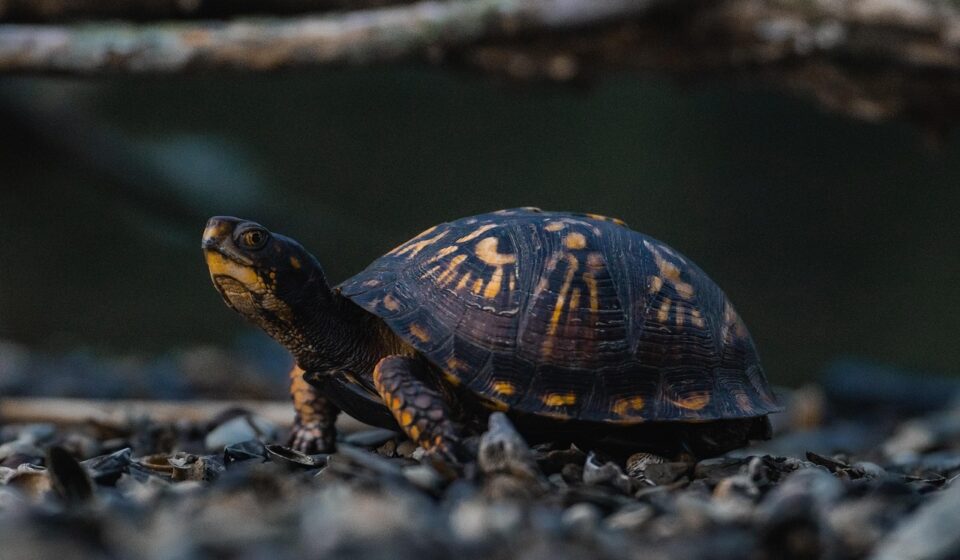
The common musk turtle’s most distinctive trait is its namesake musk. This potent, foul-smelling liquid is secreted from glands located on the underside of the carapace, near the shell’s edge. It’s not a constant issue, but rather a defense mechanism deployed when the turtle feels threatened, startled, or handled roughly. While unpleasant, it’s a signal of their stress, not a reflection of poor husbandry. Understanding this behavior is crucial for a calm coexistence.
Last updated: May 12, 2026
According to the U.S. Fish and Wildlife Service (2025), this musk secretion is thought to deter predators, making the turtle less appealing as a meal. It’s a fascinating evolutionary adaptation that sets them apart from many other common pet turtle species. While keepers can often reduce instances of musk release through gentle handling and a secure environment, it’s a trait that requires tolerance.
A Closer Look at Sternotherus Odoratus
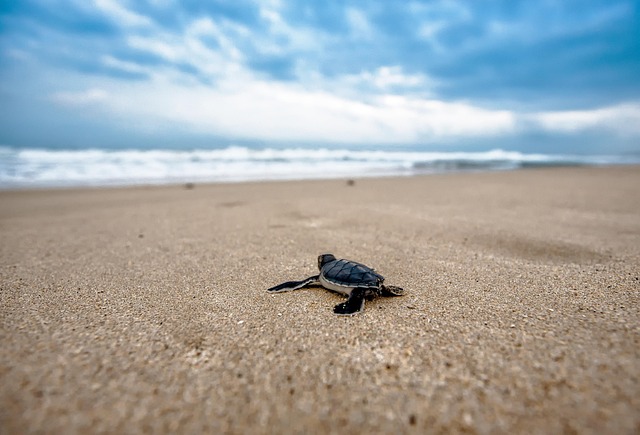
These turtles are indeed small, with adults typically reaching between 3 to 4.5 inches (7.5 to 11.5 cm) in carapace length. Males are generally slightly smaller than females. Their shells, or carapaces, are usually dark brown or black, often with a slightly ridged texture, though some individuals may have smoother shells. A key identifier for the common musk turtle, distinguishing it from similar species like mud turtles, is the presence of two light stripes on its head. These stripes often extend from the snout to the neck, offering a visual cue for identification.
The plastron, or the bottom shell, is typically yellowish or tan and is relatively small, offering minimal protection. Their heads are pointed, and they possess strong jaws. ReptileDirect (2026) notes that their physical characteristics are well-suited for their bottom-dwelling lifestyle. They are not particularly strong swimmers but are adept walkers on the substrate of their aquatic environments.
A Long-Term Companion: Musk Turtle Lifespan
Common musk turtles are not short-term pets. With proper care, diet, and environment, they can live for a significant period. Most sources indicate an average lifespan of 15 to 25 years in captivity, with some individuals documented living as long as 30 to even 50 years. This considerable longevity means that owning a musk turtle is a commitment that spans decades, potentially longer than the ownership of many common household pets like hamsters or even some dog breeds.
This extended lifespan, cited by various herpetological resources, requires owners to be prepared for long-term care. Researching and establishing a sustainable care plan before acquiring a musk turtle is paramount. It’s a commitment that requires dedication to providing an optimal environment and consistent care throughout the animal’s life.
Creating the Ideal Musk Turtle Habitat
The cornerstone of common musk turtle care is their habitat. As semi-aquatic reptiles, they require both a water area and a dry land area. For a single adult turtle, a tank of at least 30 gallons is recommended, though larger is always better to allow for swimming and exploration. A 40-gallon breeder tank provides more surface area, which is beneficial for bottom-dwellers.
Water Parameters: The water should be kept clean with a powerful filtration system. Canister filters are highly recommended for turtle tanks due to the waste they produce. The water temperature should be maintained between 75-80°F (24-27°C). Ammonia, nitrite, and nitrate levels must be kept at 0 ppm, and the pH should be between 6.5 and 7.5. Regular water changes are essential, even with a good filter.
Substrate: A substrate of large, smooth gravel or sand is ideal. Avoid small pebbles or substrates that can be easily ingested, as these can cause impaction. The substrate should be deep enough to allow the turtle to burrow if it chooses. The U.S. Fish and Wildlife Service notes that in natural habitats, they often forage amongst leaf litter and substrate.
Basking Area: While they spend most of their time in water, a dry basking area is still necessary. This can be achieved with a floating dock, a piece of driftwood, or a custom-built platform. This area should be easily accessible from the water and allow the turtle to dry off completely. A heat lamp should be positioned over the basking area to maintain a temperature of around 85-90°F (29-32°C).
Hiding Places: Musk turtles are naturally shy and appreciate a secure environment. Providing hiding spots using caves, artificial plants, or driftwood will help them feel safe and reduce stress.
Feeding Your Common Musk Turtle: A Varied Diet
A balanced diet is crucial for the health and longevity of your common musk turtle. As omnivores with a preference for animal protein, their diet should be varied. High-quality commercial turtle pellets formulated for aquatic species should form the staple of their diet. These pellets provide essential vitamins and minerals.
Protein Sources: Supplement the pellets with live or frozen invertebrates such as earthworms, crickets, mealworms, and ghost shrimp. These offer valuable protein and enrichment. Small, feeder fish like guppies can be offered occasionally, but avoid fatty fish like goldfish, as they can lead to health problems. According to ReptileDirect (2026), ensuring a diverse protein source is key to mimicking their natural feeding habits.
Vegetables and Fruits: While primarily carnivorous, musk turtles will also consume some vegetation. Offer small amounts of dark, leafy greens like dandelion greens, romaine lettuce (sparingly), or specialized turtle greens. A tiny bit of fruit can be offered as an occasional treat, but due to high sugar content, it should be very rare. Avoid feeding iceberg lettuce as it offers little nutritional value.
Feeding Schedule: For adults, feeding every other day is usually sufficient. Younger turtles may benefit from daily feedings. Offer only as much food as the turtle can consume within 10-15 minutes to prevent overfeeding and to keep the tank water cleaner.
Understanding Musk Turtle Behavior
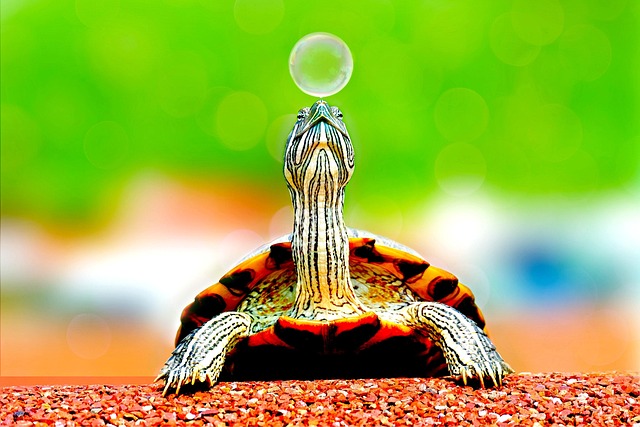
Common musk turtles are primarily aquatic and spend a significant amount of time foraging on the bottom of their habitat. They are generally not as active swimmers as some other turtle species but are proficient walkers. Their behavior can be described as cautious and often shy. They are more likely to retreat into their shells or hide when approached rather than confront a perceived threat.
While they can be handled, it’s important to do so gently and infrequently to minimize stress, which can trigger their musk glands. They are not typically aggressive, but their bite can be sharp if they feel threatened. Their natural inclination is to avoid conflict. According to herpsofnc.org, they are often found in slow-moving or still freshwater environments, foraging for food amongst the vegetation and substrate.
Common Issues in Musk Turtle Care
Despite their hardiness, common musk turtles can encounter health issues if their environment or diet is not properly managed. One of the most frequent problems is shell rot, a bacterial or fungal infection that can affect the carapace. This is often caused by poor water quality, inadequate filtration, or a lack of a proper basking area, preventing the shell from drying out completely.
Shell Rot Prevention: Maintaining pristine water quality, ensuring proper filtration, and providing a dry basking spot are the best defenses against shell rot. If signs of shell rot (discoloration, soft spots, or foul odor) appear, consult a reptile veterinarian immediately. According to the Association of Reptile and Amphibian Veterinarians (ARAV) guidelines, prompt treatment is crucial.
Respiratory Infections: These can occur due to low water temperatures or poor air quality. Symptoms include gaping at the surface, bubbles from the nose, or wheezing. Ensuring the tank is free from drafts and maintaining correct water and air temperatures is vital.
Impaction: Ingesting small substrate particles can lead to blockages in the digestive tract. This is why using large gravel or sand, and ensuring feeding occurs in a separate container or away from loose substrate, is important.

Expert Tips for New Musk Turtle Keepers
For those new to musk turtle ownership, here are a few key insights to ensure a successful journey. First, prioritize water quality above all else. Investing in a good filter and performing regular water changes is non-negotiable for the health of your turtle. A powerful filter rated for a tank twice the size of yours is often recommended.
Secondly, be patient with their temperament. Musk turtles are not typically interactive pets that enjoy extensive handling. They are best enjoyed through observation. Creating a secure and enriching environment where they feel safe will lead to a healthier, happier pet. Avoid frequent handling and focus on providing an optimal habitat.
Finally, do your research on reputable breeders or rescue organizations. Avoid impulse purchases from pet stores where the animal’s history and health may be unknown. As of May 2026, many specialized reptile rescues can provide healthy, well-socialized musk turtles looking for homes.
Frequently Asked Questions
Can common musk turtles be housed together?
Housing common musk turtles together is generally not recommended, especially in smaller tanks. They can be territorial and may fight, leading to injuries. A large, species-only setup with ample hiding spaces might work for a proven compatible pair, but it carries significant risk.
How can I stop my musk turtle from smelling?
While the musk is a natural defense, minimizing stress is key. Ensure a clean tank, avoid frequent handling, provide hiding spots, and don’t startle the turtle. A well-maintained environment reduces the frequency of musk release.
What is the best substrate for a common musk turtle tank?
Large, smooth gravel or play sand is typically recommended. The substrate should be too large to be easily swallowed to prevent impaction. It also allows them to burrow, which is a natural behavior.
How much protein should I feed my musk turtle?
Protein should be a significant part of their diet, especially for younger turtles. Offer protein sources like earthworms, crickets, or ghost shrimp every other day for adults, and daily for juveniles, ensuring they don’t overeat.
Do common musk turtles need a basking area?
Yes, even though they are primarily aquatic, common musk turtles need a dry basking area to regulate their body temperature, dry off completely, and absorb UVB light if provided. This is crucial for shell health and overall well-being.
Are common musk turtles good beginner pets?
They can be suitable for experienced beginners who are prepared for the commitment and potential odor. Their small size and relatively simple care requirements are appealing, but their long lifespan and specific needs require diligence.
Bringing Home a Musk Turtle
The common musk turtle is a small reptile with a big personality and a unique defense mechanism. They are not a pet for everyone, requiring a dedicated owner prepared for long-term care, specific habitat needs, and the occasional, though manageable, musky odor. However, for those who appreciate quiet observation and understand their natural behaviors, the stinkpot turtle offers a fascinating glimpse into the world of North American chelonians.
If you’re ready for the commitment, researching musk turtle care thoroughly and creating an appropriate environment will pave the way for a rewarding relationship with this small, intriguing aquatic pet.
Information current as of May 2026; pricing and product details may change.
Editorial Note: This article was researched and written by the Pet Magazine editorial team. We fact-check our content and update it regularly. For questions or corrections, contact us.
Related read: Beyond Dogs & Cats: Best Alternative Pets in 2026.
Related read: How to Care for a Pet Rabbit in 2026: Essential Guide.
About The Author


