

Where Did the Clydesdale Animal Originate?
The story of the Clydesdale animal begins in the 18th century in the Clydesdale region of Scotland, which is now known as Lanark shire. Local farmers and breeders sought to develop a larger, stronger horse capable of handling the demanding tasks of agriculture and hauling heavy loads, particularly coal from the mines and goods to market.
Last updated: May 12, 2026
These foundational horses were likely a mix of native Scottish breeds and larger continental draft horses, possibly including Flemish or Shire bloodlines. The goal was to create a horse that was not only powerful but also active and willing, a crucial combination for sustained work. By the mid-19th century, the breed’s distinctive characteristics were becoming well-established.

What Makes a Clydesdale Visually Distinct?
The most striking feature of the Clydesdale animal is its sheer size. Adult stallions can stand between 16 to 18 hands high (about 64 to 72 inches at the shoulder) and weigh from 1,800 to 2,200 pounds, with mares and geldings typically being slightly smaller. Their build is muscular and substantial, designed for power and endurance.
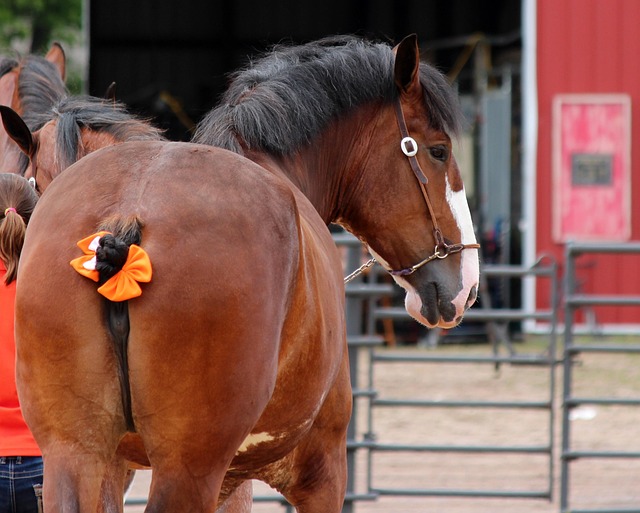
Another defining characteristic is the abundant, silky hair that grows from below the knees and hocks to the fetlocks – this is known as “feathering.” This feathering, combined with often prominent white markings on their legs and face, gives them a distinctive and almost regal appearance. Common coat colors include bay, brown, black, and gray, often with those characteristic white blazes, socks, or stockings.
The Gentle Giant: Clydesdale Temperament
Despite their formidable size, Clydesdales are renowned for their exceptionally docile and gentle temperament. This calm disposition makes them approachable and manageable, even for those less experienced with large animals. They are often described as “gentle giants” for good reason.
This willingness to please and their steady nature make them excellent partners for a variety of activities, from pulling heavy loads to participating in parades and even serving as therapy animals. Their intelligence and trainability are key to their long history of working alongside humans.
From the Field to the Spotlight: Clydesdale Roles
Historically, the Clydesdale animal was indispensable in industries requiring brute strength. They were the backbone of agriculture, plowing fields and hauling crops. In urban areas, they pulled heavy carts for breweries, manufacturers, and delivery services, their power and stamina essential for daily operations.
As mechanization took over in the mid-20th century, the demand for draft horses declined. However, the breed found new life. Anheuser-Busch famously adopted Clydesdales as mascots in the 1930s, and their iconic Budweiser Clydesdales have since become globally recognized symbols of the breed’s grandeur. Today, Clydesdales excel in driving competitions, parades, shows, and as valuable partners in therapeutic riding programs. Many are still used for specialized heavy work, particularly in forestry and farming where their size and power are an advantage.
Caring for Your Clydesdale: Practical Considerations
Owning a Clydesdale animal is a significant commitment, requiring substantial resources and knowledge. Due to their size, they need ample space to move, graze, and exercise. A minimum of two acres per horse is often recommended, with secure fencing that can withstand their considerable strength.
Their diet must be carefully managed. Clydesdales are prone to weight gain and certain metabolic conditions if overfed. High-quality forage, such as grass hay, forms the basis of their diet, supplemented with specially formulated feeds for large draft horses. Access to clean, fresh water at all times is crucial. According to the American Association of Equine Practitioners, balanced nutrition is key to preventing many common health issues in horses as of 2026.
Special Attention to Hooves and Legs
The distinctive feathering on a Clydesdale’s legs requires special attention. It can trap moisture, dirt, and debris, potentially leading to skin irritation or fungal infections like “mud fever” (equine dermatitis) if not properly managed. Regular brushing and inspection are vital, especially in damp conditions. Keeping their living areas clean and dry can significantly mitigate these risks.
Hoof care is paramount for any horse, but particularly for heavy breeds like the Clydesdale. They require regular farrier visits – typically ever4–6-6 weeks – to maintain proper hoof balance and health. Overgrown or unbalanced hooves can lead to lameness and skeletal issues. A qualified farrier experienced with draft horses is indispensable.
Potential Health Challenges for Clydesdales
While generally strong, Clydesdales are predisposed to certain health conditions due to their size and genetics. Conditions like “Clydesdale An hidrosis,” a reduced ability to sweat, can be a concern in warmer climates, making heat management critical during summer months. Proper hydration and access to shade are essential. This is a condition noted by equine veterinarians for its prevalence in certain heavy breeds.
Another concern is “Equine Metabolic Syndrome” (EMS) and “Cushing’s disease” (Pituitary Pars Intermedia Dysfunction or PPID), which are linked to hormonal imbalances and can lead to laminitis, a painful inflammation of the hoof. Regular veterinary check-ups, careful dietary management, and monitoring for early signs of distress are key preventive measures. According to the Equine Disease Quarterly from the University of Kentucky, laminitis remains a significant welfare concern across horse breeds.
Training and Socialization for a Well-Rounded Clydesdale
Early and consistent training is essential for managing a Clydesdale animal effectively. Starting with basic groundwork and halter training from a young age helps establish a bond of trust and respect. Their intelligence means they learn quickly, but patience and positive reinforcement are key.
Socialization is equally important. Clydesdales, like most herd animals, benefit from interaction with other horses. If kept alone, they may require more human interaction to prevent loneliness or behavioral issues. Understanding their social needs ensures a well-adjusted and happy animal.
Choosing a Clydesdale: What to Look For
If you are considering bringing a Clydesdale into your life, thorough research and careful selection are vital. Look for a reputable breeder or rescue organization that prioritizes the health and temperament of their horses. A healthy Clydesdale will have clear eyes, a good appetite, and a calm demeanor.
When assessing a potential horse, observe its movement; it should be sound and fluid. Ask about its lineage, known health history, and previous training or work experience. Visiting the horse multiple times and observing it in different situations can provide valuable insight. Remember that the initial purchase price is only a fraction of the ongoing costs associated with owning such a large animal, which can range from $5,000 to $15,000 annually for feed, care, and veterinary services, depending on location and specific needs.
Frequently Asked Questions
Can a Clydesdale horse be kept as a pet?
While Clydesdales can be kept as companion animals, they require significant space, specialized care, and financial resources due to their large size and specific needs, making them more suited to experienced owners or specialized facilities.
What is the average lifespan of a Clydesdale horse?
As of 2026, a well-cared-for Clydesdale horse typically has a lifespan of 14 to 16 years, though some can live into their early twenties with excellent management and genetics.
How much does a Clydesdale horse typically cost to purchase?
The purchase price for a Clydesdale horse can vary significantly based on age, training, lineage, and condition, but generally ranges from $3,000 to $10,000 or more for well-bred or highly trained individuals.
What are the main uses for Clydesdale horses today?
Modern uses include participation in parades and shows, driving competitions, therapeutic riding programs, and specialized agricultural work, alongside their continued role as iconic symbols for brands like Budweiser.
Are Clydesdale horses good for beginners?
While their temperament is gentle, their sheer size and the extensive care requirements make Clydesdales generally unsuitable for novice horse owners who may not be equipped to handle their specific needs.
What is the average height of a Clydesdale?
Clydesdales are a large breed, with stallions typically standing between 16 to 18 hands high (approximately 64 to 72 inches at the shoulder).
Information current as of May 2026; pricing and product details may change.
Editorial Note: This article was researched and written by the Pet Magazine editorial team. We fact-check our content and update it regularly. For questions or corrections, contact us. Knowing how to address clydesdale animal early makes the rest of your plan easier to keep on track.
About The Author


