
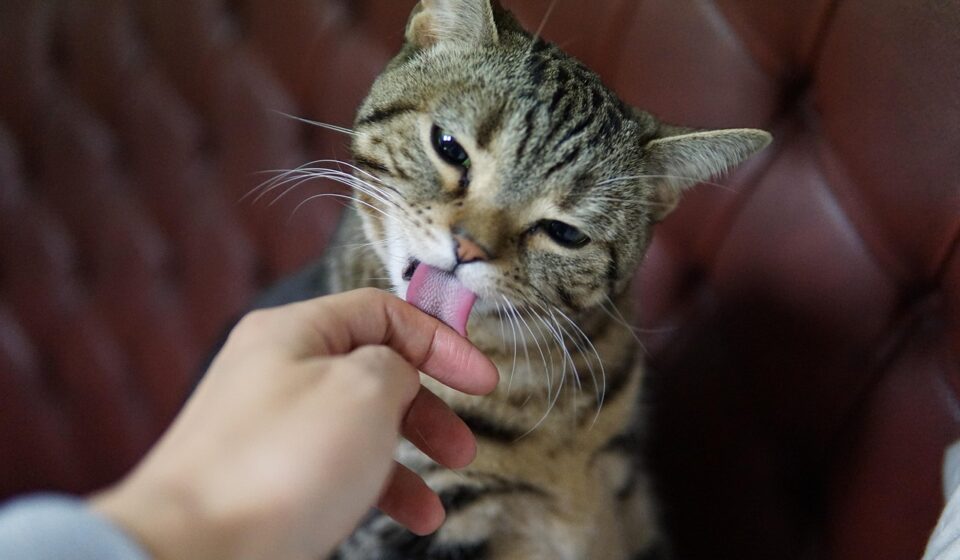

How to pet grooming: Why Pet Grooming Matters in 2026
For pet parents in 2026, understanding how to pet groom effectively is more than just about aesthetics; it’s a cornerstone of your companion’s overall health and well-being. Regular grooming helps prevent issues like matting, skin infections, and parasite infestations, while also providing a valuable bonding opportunity.
Last updated: May 9, 2026
When done correctly, grooming can alert you to early signs of health problems, such as lumps, skin irritations, or ear infections, that might otherwise go unnoticed. It’s a proactive approach to pet care that pays dividends in the long run.
Key Takeaways
- Regular pet grooming is crucial for health, preventing mats, skin issues, and detecting early health problems.
- As of May 2026, professional grooming services can cost anywhere from $50 to $150+ depending on the pet’s size and breed.
- DIY grooming saves money and builds a stronger bond, but requires the right tools and techniques.
- Brushing daily or weekly is essential for most pets to manage shedding and maintain coat health.
- Proper nail trimming prevents discomfort, injury, and mobility issues.
The Essential Pet Grooming Toolkit for 2026
As you start your DIY pet grooming journey, having the right tools is paramount. Investing in quality equipment not only makes the process easier but also safer for both you and your pet. As of May 2026, the market offers a vast array of options, but a few essentials stand out.
A good set of brushes is key, tailored to your pet’s coat type. For dogs with long or thick fur, a slicker brush and an undercoat rake are invaluable for detangling and removing loose hair. Short-haired breeds often benefit from a bristle brush or a grooming mitt. For cats, a fine-toothed comb or a deshedding tool can manage their fine fur effectively.
Mastering the Art of Pet Brushing
Brushing is perhaps the most frequent grooming task and offers significant benefits. It distributes natural oils, keeping the skin and coat healthy, reduces shedding, and prevents painful mats from forming, especially in longer-haired breeds. The frequency of brushing depends heavily on your pet’s coat type.
For short-haired pets, a weekly brush might suffice. However, breeds with long, dense, or double coats, such as Golden Retrievers or Siberian Huskies, may require daily brushing to prevent tangles and mats. According to the American Kennel Club (AKC) (2023), regular brushing can decrease shedding by up to 80% in some breeds by removing dead hair before it falls out.
Bathing Your Pet: Frequency and Technique
Bathing is another critical aspect of how to pet groom. While frequency varies by breed and lifestyle, most dogs benefit from a bath every 4–8 weeks. Over-bathing can strip natural oils, leading to dry, itchy skin, whereas insufficient bathing can result in odor and skin issues. Cats, being fastidious groomers, typically require baths far less often, perhaps only when they get into something particularly messy.
Always use a pet-specific shampoo, as human shampoos have the wrong pH balance and can irritate your pet’s skin. Start by thoroughly wetting your pet’s coat, then apply shampoo, lathering from neck to tail, and rinsing thoroughly. Ensure no soap residue is left behind, as this can cause skin irritation. A final rinse with lukewarm water is ideal.
Nail Trimming: A Delicate but Necessary Task
Proper nail trimming is vital for your pet’s comfort and health. Overgrown nails can cause pain, affect their gait, lead to foot deformities, and even result in injuries. As of May 2026, many pet owners opt for a combination of regular walks on abrasive surfaces and occasional trimming at home or by a professional groomer.
When trimming nails, use sharp, pet-specific nail clippers. Identify the quick—the pinkish part of the nail containing blood vessels and nerves—and avoid cutting into it. If you’re unsure, it’s safer to trim small amounts frequently rather than taking too much off at once. For those uncomfortable with DIY nail trims, professional groomers or veterinarians typically charge between $10 and $30 for this service.
Ear Cleaning and Dental Hygiene
Beyond the coat and nails, don’t forget your pet’s ears and teeth. Regular ear cleaning, typically every few weeks, helps prevent infections, especially in breeds prone to ear issues like Cocker Spaniels. Use a veterinarian-approved ear cleaner and cotton balls; never insert cotton swabs deep into the ear canal.
Dental hygiene is equally important. Brushing your pet’s teeth daily with a pet-specific toothpaste is the gold standard. This helps prevent plaque buildup, gum disease, and bad breath. According to the AVMA (American Veterinary Medical Association) (2025), approximately 80% of dogs and 70% of cats show signs of dental disease by the age of three. Regular dental check-ups with your veterinarian are also crucial.
When to Seek Professional Pet Grooming Services
While DIY grooming is rewarding, there are times when professional help is essential. For pets with severe matting, complex coat types, or those who are anxious or aggressive during grooming, a professional groomer provides a safe and experienced alternative. They have specialized equipment and training to handle challenging situations.
As of May 2026, the cost of professional grooming can range from $50 for a small dog needing a basic bath and brush to over $150 for large breeds requiring extensive de-matting or specialized cuts. These prices can vary significantly based on location, the groomer’s experience, and the specific services required. Seeking professional help ensures your pet receives expert care, especially for tasks like expressing anal glands or performing breed-specific haircuts.
Common Pet Grooming Mistakes to Avoid
Many pet owners make common errors when grooming at home. One frequent mistake is using the wrong type of brush or shampoo, which can damage the coat or skin. Another is trimming nails too short, leading to bleeding and a negative association with grooming.
Forgetting to check ears and teeth, or not acclimating pets to grooming tools gradually, are also common pitfalls. For instance, many owners underestimate the importance of positive reinforcement when introducing nail clippers. A 2026 survey by the Pet Industry Joint Advisory Council (PIJAC) indicated that pets who experienced negative grooming sessions early on were significantly more likely to develop fear-based behavioral issues around grooming throughout their lives.
Expert Tips for a Smoother Grooming Experience
To make the process more enjoyable for both you and your pet, start grooming when your pet is young to help them get accustomed to it. Always use positive reinforcement, offering treats and praise throughout the session. Keep grooming sessions short and positive, especially at first.
If your pet becomes stressed, take a break and try again later. For particularly difficult tasks like nail trimming, consider using a groomer’s assist tool or having a second person help to gently restrain your pet. Remember, consistency is key for establishing a routine that your pet can rely on.
Practically speaking, introducing grooming tools gradually is essential. Let your pet sniff the clippers or scissors while offering a treat. Then, touch them with the tool while it’s off, followed by a brief, successful trim. This stepwise approach builds trust and reduces anxiety.
Frequently Asked Questions About Pet Grooming
How often should I groom my pet?
As of May 2026, the frequency of pet grooming depends on the breed, coat type, and lifestyle. Generally, short-haired pets may need brushing weekly, while long-haired pets benefit from daily brushing. Baths are typically needed every 4–8 weeks. Nail trims depend on how quickly they grow, often every 3–6 weeks.
What are the essential tools for DIY pet grooming?
Essential tools include a slicker brush, an undercoat rake (for double-coated breeds), a comb, pet-specific shampoo, nail clippers, styptic powder (for accidental cuts), ear cleaner, and a toothbrush with pet-safe toothpaste. Having grooming wipes on hand can also be useful for quick clean-ups.
Is professional grooming necessary if I groom my pet at home?
Professional grooming isn’t always necessary if you consistently groom at home and your pet has a manageable coat. However, it’s recommended for complex tasks, severe matting, specific breed cuts, or if your pet has health issues that require expert attention. Professionals also offer services like anal gland expression.
How can I make pet grooming less stressful for my pet?
Start grooming at a young age, use positive reinforcement with treats and praise, keep sessions short and calm, and introduce tools gradually. Never force your pet; if they show signs of stress, stop and try again later. Familiarizing them with grooming sounds and sensations beforehand is also helpful.
What is the average cost of professional pet grooming?
As of May 2026, professional pet grooming costs typically range from $50 for small dogs needing basic services to $150 or more for large breeds requiring extensive work. The price varies by location, groomer expertise, and the specific services provided, such as de-shedding or specialty cuts.
Can I use human shampoo on my pet?
No, you should not use human shampoo on pets. Human shampoos have a different pH balance that can strip your pet’s coat of natural oils, leading to dry, itchy skin and potential irritation. Always use a shampoo specifically formulated for dogs or cats.
Conclusion
Learning how to pet groom is an investment in your companion’s health, comfort, and happiness. By equipping yourself with the right tools, understanding proper techniques for brushing, bathing, and nail care, and knowing when to seek professional assistance, you can ensure your pet stays in top condition. Start small, be patient, and enjoy the deepened bond that comes with dedicated care.
Information current as of May 2026; pricing and product details may change.
Source: Britannica
Related Articles
- DIY Dog Enrichment Ideas to Keep Your Pet Happy Indoors 2026
- Quaker Parrots in 2026: Beyond the Basics for Savvy Owners
- Canine Hair Dryer 2026: The Ultimate Guide to Drying Your Dog Safely
Editorial Note: This article was researched and written by the Pet Magazine editorial team. We fact-check our content and update it regularly. For questions or corrections, contact us. For readers asking “How to pet grooming”, the answer comes down to the specific factors covered above.
Related read: Hills to Home: Navigating Your New Pet's Transition.
About The Author