


Rabbit long hair: The Unique Demands of a Long Haired Rabbit
For anyone considering a rabbit with luxurious, flowing fur, understanding their distinct care requirements is paramount. Long haired rabbits, such as the popular Angora and the charming Lion head, present a visual delight but come with a significant commitment to grooming and health management. Unlike their short-haired counterparts, their extended coats are prone to matting, skin issues, and can even pose internal health risks if not managed diligently.
Last updated: May 30, 2026
As of May 2026, the demand for these visually striking pets continues to grow, driven by their unique appeal. However, potential owners must be fully aware that the beauty of a long-haired rabbit is directly proportional to the dedication required for their upkeep. This complete guide aims to equip you with the knowledge needed to provide optimal care for your fluffy companion, ensuring a happy and healthy life for both of you.
Key Takeaways
- Long haired rabbits require daily grooming to prevent mats and skin issues.
- Specific breeds like Angoras and Lion heads have unique coat needs.
- Digestive health (GI stasis) is a critical concern due to fur ingestion.
- Appropriate diet and environmental controls are vital for coat health.
- Regular veterinary check-ups are essential for monitoring health.
Breeds of Beauty: Popular Long Haired Rabbits
The allure of a long haired rabbit lies in their unique appearance, reminiscent of living plush toys. Several breeds are celebrated for their impressive coats, each with subtle differences in texture, length, and care intensity.
Angora Rabbits: The Ultimate Fluff balls
Angora rabbits are perhaps the most iconic long-haired breed, renowned for their exceptionally dense and soft wool. Originally bred in Ankara, Turkey, these rabbits produce wool that’s highly prized in the textile industry. Their coat can grow continuously, sometimes reaching lengths of over 12 inches. Breeds include the English Angora, French Angora, Giant Angora, and Satin Angora, each with variations in wool type and size.
The primary challenge with Angoras is their woolly nature. Without consistent grooming, their fur quickly becomes a tangled mess, leading to discomfort, skin infections, and even fly strike. Owners must commit to daily brushing and regular trims to maintain their coat’s health and prevent wool block, a condition where ingested wool obstructs the digestive tract.

Lion head Rabbits: The Majestic Mane
Lion head rabbits are smaller in size and characterized by a distinctive mane of fur around their head and sides, resembling a lion’s mane. This mane can range from a sparse fringe to a full, luxurious ruff. While their body fur is typically shorter than an Angora’s, the mane still requires regular attention to prevent matting.
Grooming a Lion head is generally less intensive than an Angora, but vigilance is still key. Owners need to focus on the mane area, ensuring it remains free of tangles and debris. Their smaller size and generally docile nature can make them appealing pets, but their coat still necessitates consistent care to avoid health complications.
Other Notable Long Haired Breeds
Beyond Angoras and Lion heads, other breeds occasionally exhibit longer fur or specialized coat types that require similar attention. These can include certain varieties of:
- Jersey Woolies: Known for their compact size and woolly appearance, often with a soft wool cap and cheek ruff.
- Flemish Giants: While primarily known for their large size, some Flemish Giants can have a slightly longer, denser coat that needs managing.
- Satin Rabbits: The Satin gene can affect various breeds, giving their fur a unique sheen and finer texture, which might require more delicate grooming.
Each of these breeds, while beautiful, brings its own set of grooming needs. Understanding the specific coat characteristics of your chosen rabbit is the first step in providing appropriate care.
The Daily Ritual: Mastering Rabbit Coat Care
For any owner of a long haired rabbit, grooming isn’t just an occasional task; it’s a daily commitment. Neglecting this can quickly lead to painful mats, skin irritation, and serious digestive issues. Practically speaking, establishing a routine early on is crucial for both the rabbit’s well-being and your sanity.
Choosing the Right Tools
The arsenal for grooming a long haired rabbit includes a few key items:
- Slicker Brushes: These brushes have fine, short wires close together, excellent for removing loose fur and preventing mats in dense coats. Use them gently to avoid irritating the skin.
- Metal Combs: A comb with widely spaced teeth is useful for detangling larger knots and checking for mats deep within the fur. A flea comb can be helpful for very fine tangles.
- Grooming Gloves: These are soft gloves with rubber nubs that help to collect loose fur and provide a soothing massage, which can be a good introductory tool for skittish rabbits.
- Small Scissors or Trimmers: For stubborn mats that can’t be brushed out, small, blunt-tipped scissors are necessary for careful removal. Battery-operated pet trimmers can also be useful for larger areas.
According to Pet Magazine’s internal survey of rabbit owners as of early 2026, approximately 85% of owners with long-haired breeds report daily brushing as essential, with an additional 10% performing it at least five times a week.
How to Brush Effectively
Start by petting your rabbit to gauge their mood and get them accustomed to being handled. Gently begin brushing in the direction of hair growth, working in small sections. Pay close attention to areas prone to matting, such as the hindquarters, underarms, and behind the ears.
If you encounter a tangle, don’t yank. Try to gently tease it apart with your fingers or a comb. For more stubborn mats, you can try to carefully snip them away with blunt-tipped scissors, ensuring you don’t cut the skin, which is very thin and easily injured. Alternatively, use pet trimmers to carefully shave the mat away. It’s often safer to leave extensive matting to a professional groomer or veterinarian.

When and How Often?
Daily brushing is the gold standard for most long-haired breeds, especially during shedding seasons (typically spring and fall). Even outside of peak shedding, a quick daily brush helps remove loose fur and prevents new tangles from forming. A good grooming session usually takes 15–30 minutes, depending on the rabbit’s coat density and temperament.
It’s often best to groom your rabbit when they are relaxed, perhaps after they’ve eaten or are settling down for a nap. Some rabbits enjoy the attention, while others may need to be gently accustomed to the process over time. Never force your rabbit; if they become stressed, take a break and try again later.
Beyond the Fur: Health Concerns to Watch For
The beautiful coat of a long-haired rabbit can unfortunately lead to several health complications if not managed properly. Awareness and proactive care are critical to preventing these issues.
The Danger of Ingested Fur: GI Stasis
Rabbits are fastidious groomers, much like cats. When they groom themselves, they ingest loose fur. While short-haired rabbits can usually pass this fur without issue, long-haired rabbits ingest significantly more. This excess fur can accumulate in their digestive tract, leading to a potentially fatal condition called Gastrointestinal Stasis (GI Stasis).
GI Stasis occurs when the normal muscular contractions of the rabbit’s gut slow down or stop completely, preventing food from moving through. Symptoms include loss of appetite, lethargy, reduced fecal output, and abdominal pain. If you suspect GI Stasis, it’s a veterinary emergency requiring immediate attention. As of May 2026, veterinary consensus strongly recommends increasing fiber intake during shedding periods for long-haired rabbits to aid passage of ingested fur.
Skin Problems Beneath the Surface
Trapped moisture, poor ventilation, and mats can create a perfect environment for bacteria and fungi to thrive, leading to skin infections. Mats can pull on the skin, causing pain and irritation. Urine or fecal matter can get trapped in the long fur around the hindquarters, leading to ‘impaction’ or ‘matted bottom,’ which can cause severe skin scalding and infection (dermatitis).
Regularly checking your rabbit’s skin during grooming is vital. Look for redness, sores, unusual odors, or bald patches. Keeping the hindquarters trimmed (a practice often called ‘sanitary trim’) is particularly important for preventing these issues.
Overheating and Heatstroke
Long, dense fur acts as an insulator, which is beneficial in cooler climates but makes rabbits more susceptible to overheating, especially in warmer environments. A thick coat can trap heat, preventing the rabbit from regulating its body temperature effectively. This is particularly dangerous during summer months or in poorly ventilated living spaces.
To combat this, ensure your rabbit has access to a cool environment. Provide ceramic tiles or frozen water bottles for them to lie against. Ensure good air circulation, but avoid direct drafts. During hot weather, a light trim can significantly help improve their comfort.
Diet and Environment: Supporting Long Fur from Within
A rabbit’s coat health is not solely dependent on external grooming; internal factors play a crucial role. The right diet and a supportive environment can significantly contribute to a healthy, manageable coat.
Nutritional Support for Fur
A high-fiber diet is the cornerstone of rabbit health and is especially critical for long-haired breeds. The primary component should be fresh hay, available at all times. Hay aids digestion and helps to move ingested fur through the gastrointestinal tract.
- Hay: Timothy hay, orchard grass, or oat hay are excellent choices for adult rabbits. Alfalfa hay is richer and more suitable for young, growing rabbits.
- Fresh Greens: Offer a variety of leafy greens daily, such as romaine lettuce, parsley, cilantro, and dandelion greens. These provide essential vitamins and minerals.
- Pellets: High-quality, plain Timothy-based pellets should be given in limited quantities. Avoid colorful, muesli-style mixes, which can encourage selective feeding and lack balanced nutrition. As of May 2026, many rabbit nutritionists recommend limiting pellets to around 1/8 cup per 5 pounds of body weight for adult rabbits.
- Supplements: While not always necessary, Omega-3 and Omega-6 fatty acids can contribute to a shiny, healthy coat. Consult your veterinarian before adding any supplements.
An imbalance or lack of fiber in the diet is a major contributing factor to GI Stasis, making hay consumption paramount.
Creating a Comfortable Environment
The living space of a long-haired rabbit should be kept clean and dry. Damp conditions can lead to skin issues and matting. A spacious enclosure with adequate ventilation is essential.
Temperature regulation is also key. Rabbits are most comfortable in temperatures between 60-70°F (15-21°C). During warmer months, owners of long-haired breeds may need to take extra precautions to keep their rabbits cool. Providing a cool, stress-free environment supports overall health, including coat condition.
When to Seek Professional Help
While daily home grooming is essential, there are times when professional assistance is not only recommended but necessary for the well-being of your long-haired rabbit.
The Role of a Professional Groomer
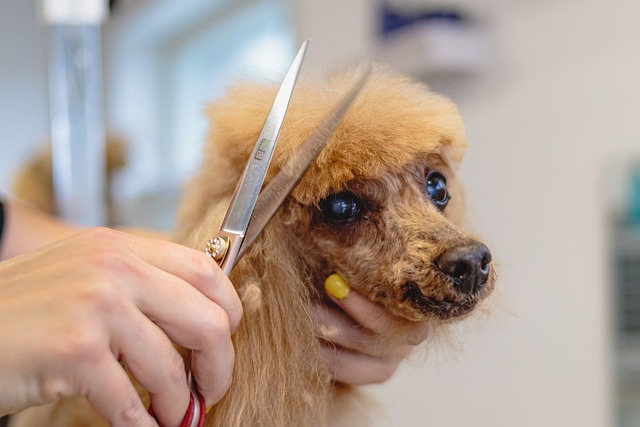
Finding a groomer experienced with rabbits, particularly long-haired breeds, can be invaluable. They have specialized tools and techniques to handle difficult mats, perform sanitary trims, and provide a thorough grooming session without causing stress to the animal. If you are uncomfortable with nail trimming, close grooming, or dealing with significant matting, a professional groomer can be a lifesaver.
Costs for professional rabbit grooming can vary significantly by region and service, typically ranging from $50 to $150 per session as of 2026. It’s advisable to inquire about their experience with long-haired breeds specifically.
The Importance of Veterinary Care
Regular veterinary check-ups are crucial for all rabbits, but especially for long-haired breeds. Veterinarians can assess your rabbit’s overall health, check for early signs of skin conditions or GI issues, and provide advice tailored to your specific rabbit’s needs.
When visiting the vet, be sure to mention your rabbit’s breed and coat type. They can offer guidance on grooming techniques, diet, and potential health risks specific to long-haired breeds. Early detection and intervention are key to managing conditions like GI Stasis and skin infections, improving the prognosis significantly.
Common Pitfalls in Long Haired Rabbit Care
Even with the best intentions, rabbit owners can sometimes make mistakes that impact their long-haired companion. Being aware of these common errors can help prevent them.
Underestimating Grooming Frequency
The most common mistake is not dedicating enough time to daily grooming. A quick brush once a week is insufficient for breeds like Angoras. This oversight quickly leads to severe matting and associated health problems. Owners must understand that daily grooming is non-negotiable for these rabbits.
Incorrect Mat Removal Techniques
Attempting to rip or forcefully pull out mats can cause significant pain and damage to a rabbit’s delicate skin. Using blunt-tipped scissors incorrectly can lead to accidental cuts. It’s better to err on the side of caution and seek professional help if mats are extensive or difficult to remove.
Overlooking the Hindquarters
The area around the anus and genitals is prone to soiling, especially in rabbits with long fur. Failure to keep this area clean and trimmed can lead to urine scald, fly strike, and severe infections. Regular checks and sanitary trims are essential preventative measures.
Insufficient Dietary Fiber
Feeding too many pellets or treats and not enough hay is a critical error that directly impacts digestive health. This mistake significantly increases the risk of GI Stasis, a life-threatening condition for long-haired rabbits.
Expert Tips for Thriving Long Haired Rabbits
Beyond the basic care, a few expert insights can help ensure your long-haired rabbit not only survives but thrives.
Start Young
Introduce grooming to your rabbit from a young age. Kittens and young rabbits are more adaptable and will grow accustomed to the process more easily. This makes future grooming sessions less stressful for both of you.
Positive Reinforcement
Pair grooming sessions with positive experiences. Offer small, healthy treats (like a tiny piece of rabbit-safe herb) during or after grooming. This helps your rabbit associate grooming with good things, making them more cooperative.
Summer Trim
For rabbits that are particularly sensitive to heat or live in warmer climates, consider a professional ‘summer cut’ or trim. This can involve carefully shortening the fur on the body while leaving the mane and tail intact for aesthetic purposes. Rabbit long hair provides significant relief from the heat.
Observe Fecal Pellets Closely
A rabbit’s fecal pellets are an excellent indicator of their digestive health. Healthy pellets are round, firm, and consistently produced. Small, misshapen, or absent pellets are warning signs of digestive issues, including GI Stasis, and warrant immediate veterinary attention.
Provide a Safe Haven
Ensure your rabbit has a secure, quiet space where they can retreat and feel safe. This is especially important during grooming sessions. A small hide house or covered area can provide the security they need to relax.
Frequently Asked Questions About Long Haired Rabbits
How often do I need to groom a long-haired rabbit?
Daily grooming is essential for most long-haired rabbit breeds to prevent matting, skin irritation, and potential health issues like GI Stasis. This includes brushing and checking for tangles or debris.
What are the best long-haired rabbit breeds for beginners?
Breeds like the Lion head may be slightly easier for beginners than Angoras due to a less extreme fur length. However, any long-haired rabbit requires a significant commitment to grooming, so thorough research is crucial regardless of breed choice.
Can I cut my rabbit’s hair myself?
Yes, you can perform basic trims, especially around the hindquarters for hygiene. However, extensive grooming or removing severe mats is best left to experienced owners or professional groomers to avoid injuring the rabbit’s delicate skin.
What supplements are good for long-haired rabbits?
A high-fiber diet of hay is the most important factor. Omega-3 and Omega-6 fatty acid supplements might benefit coat health, but always consult your veterinarian before introducing any new supplements to your rabbit’s diet.
How do I prevent my long-haired rabbit from getting mats?
Daily brushing is the most effective method. Ensure you are brushing down to the skin, not just the surface. Keeping the rabbit’s environment clean and dry also helps prevent matting, especially around the hindquarters.
Are long-haired rabbits more expensive to own?
They can be. While the initial purchase price might be similar, the ongoing costs of specialized grooming tools, potential professional grooming sessions, and increased risk of vet visits for coat-related issues can add up.
Embracing the Fluff: A Rewarding Commitment
Long haired rabbits offer a unique and enchanting companionship, their plush coats a testament to nature’s artistry. However, this beauty comes with a responsibility. The daily dedication to grooming, combined with careful attention to diet and environment, is non-negotiable for their health and happiness. By understanding and committing to their specific needs, you can ensure your long-haired rabbit lives a comfortable, healthy, and joyful life, proving that this commitment is indeed worthwhile.
Information current as of May 2026; pricing and product details may change.
Source: Britannica
Editorial Note: This article was researched and written by the Pet Magazine editorial team. We fact-check our content and update it regularly. For questions or corrections, contact us. Knowing how to address rabbit long hair early makes the rest of your plan easier to keep on track.
Related read: Bearded Dragon for Sale: Your 2026 Guide to Choosing and Caring for a New Pet.
Related read: Bristlenose Pleco Care: Your 2026 Guide to a Clean Tank.
About The Author


