

Introducing the Pointer Dog Breed
For anyone seeking an intelligent, energetic, and loyal canine companion, the Pointer dog stands out. Often called the English Pointer, this breed is renowned for its distinct pointing stance, a behavior honed over centuries to aid hunters. As of May 2026, the Pointer remains a popular choice for active individuals and families who can meet its considerable demands for exercise and mental stimulation.
Last updated: May 11, 2026
This breed is more than just a hunting tool; it’s a devoted family member capable of forming deep bonds. However, their high energy levels and specific needs mean they aren’t suited for every household. Understanding their origins, temperament, and care requirements is paramount before bringing one home.
Key Takeaways
- Pointers are medium-sized, athletic dogs originating from England, primarily bred for hunting game birds.
- They possess a loyal, energetic, and intelligent temperament, excelling in activities that challenge them physically and mentally.
- Adequate daily exercise, consistent training, and early socialization are crucial for a well-adjusted Pointer.
- Common health concerns include hip dysplasia, bloat, and certain eye conditions, necessitating regular veterinary check-ups.
- Their distinctive pointing instinct, while fascinating, requires understanding and management within a home environment.
A Legacy of the Hunt: History and Origin
The Pointer’s history is deeply intertwined with the development of hunting sports, particularly in England during the 17th century. Developed from Spanish and Portuguese Pointers, along with other sent hounds and even Greyhounds, their lineage was carefully cultivated to excel at finding game birds. Their primary role was to locate feathered game, freeze in a characteristic pointing posture, and alert the hunter to the prey’s location.
Unlike breeds tasked with retrieving game from water or thick cover, the Pointer’s specialty is its scenting ability and unwavering ‘point.’ This refined instinct makes them invaluable to bird hunters. The American Kennel Club (AKC) officially recognized the breed in 1878, solidifying its place in the sporting dog group. As of 2026, their hunting prowess is still highly regarded, but they are also cherished as versatile companions.
The breed’s development focused on creating a dog with stamina for long days in the field, sharp eyesight, and an exceptional nose. This dedication to a specific purpose has shaped the Pointer into the athletic and focused dog we know today.

Physical Traits of the Pointer Dog
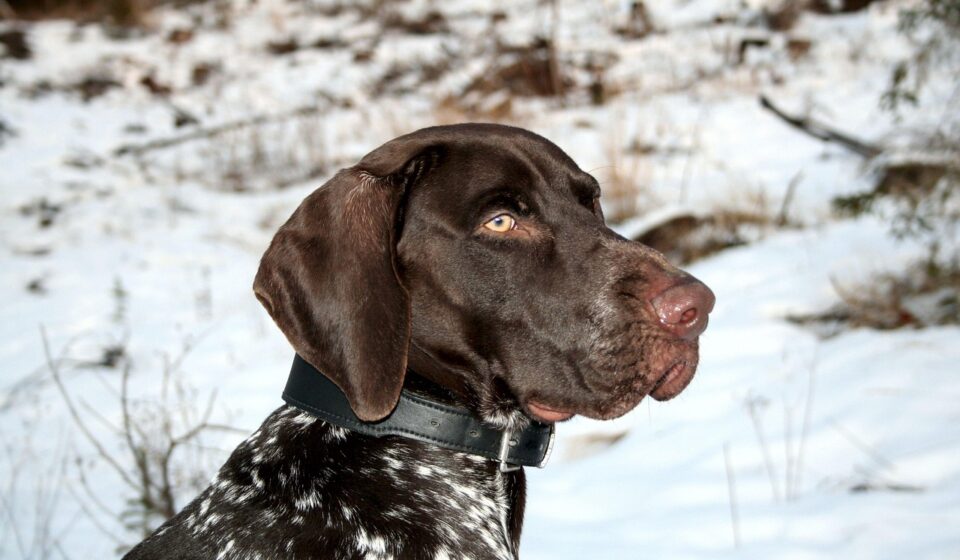
The Pointer is a medium-to-large sized dog, typically weighing between 45 and 75 pounds (20-34 kg) and standing 23 to 28 inches (58-71 cm) tall at the shoulder. They possess a lean, muscular build that speaks to their athleticism and stamina. Their short, dense coat comes in various colors, most commonly liver, lemon, black, and orange, often with white markings. This coat requires minimal grooming but offers little protection against extreme cold or heat.
Their head is distinct, with a long muzzle, a pronounced stop, and expressive, intelligent eyes, often brown or hazel. The ears are set fairly low and hang close to the head. Their gait is described as free and powerful, covering ground efficiently. The tail is typically carried level with the back or slightly above, tapering to a point.
The overall impression is one of elegance, strength, and agility. Their physical attributes are perfectly suited for their original purpose of covering large expanses of terrain in search of game.
Pointer Dog Temperament: Loyal and Lively
Pointers are known for their loyal and affectionate nature, forming strong bonds with their families. They are generally good-natured, eager to please, and highly intelligent. This intelligence means they can learn quickly, but it also requires them to be mentally stimulated to prevent boredom and potential destructive behaviors. Early socialization is vital to ensure they are comfortable around strangers and other animals.
While generally good with children, their high energy levels mean supervision is recommended, especially with very young ones. They can be playful and enthusiastic, sometimes overwhelming smaller children with their exuberance. Their innate ‘pointing’ instinct can sometimes manifest in peculiar ways, like freezing mid-stride when excited by a scent or interesting sight.
They are not typically aggressive dogs but can be protective of their families. Their alertness makes them decent watchdogs, though their primary function is not guarding. A Pointer thrives on companionship and can suffer from separation anxiety if left alone for extended periods.
Training and Socialization for Pointers
Training a Pointer dog requires consistency, patience, and positive reinforcement. Their intelligence makes them receptive to training, but they can also be independent thinkers. Starting training and socialization early, ideally from puppyhood, is crucial for developing a well-behaved adult dog. They respond best to methods that are firm but fair, focusing on rewards rather than punishment.
Consistency in commands and rules is key. Pointers benefit from early exposure to various sights, sounds, people, and other animals to help them develop into well-adjusted adults. This helps mitigate any potential shyness or over-excitement later in life. Their natural retrieving instinct is less pronounced than in breeds like Labradors, so specific training may be needed if you intend for them to retrieve for hunting purposes.
Obedience classes are highly recommended, not just for training but also for providing structured socialization opportunities. A well-trained Pointer is a pleasure to live with and a testament to the owner’s dedication.
Meeting the Exercise Demands of a Pointer
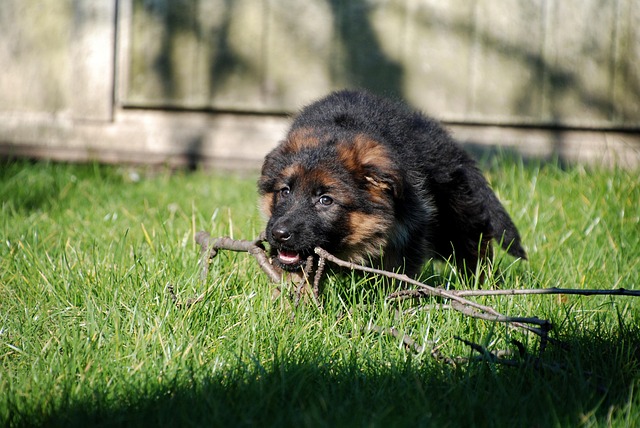
The Pointer is an athletic breed with a very high energy level. They were bred to cover vast distances while hunting, and this need for vigorous activity remains strong. A Pointer requires at least one to two hours of vigorous exercise per day. This can include brisk walks, running, hiking, swimming, or participating in dog sports like agility or fly ball.
Without sufficient exercise, Pointers can become restless, bored, and develop behavioral issues such as excessive barking, chewing, or digging. They thrive in environments where they have ample space to run, such as a securely fenced yard. Mental stimulation is just as important as physical exercise. Puzzle toys, training sessions, and scent games can help keep their sharp minds engaged.
Activities that tap into their natural instincts, like scent work or simulated hunting exercises, are particularly fulfilling for Pointers. Owners must be committed to providing this level of activity consistently to ensure their Pointer remains happy and healthy.
Health and Grooming for the Pointer Breed
Like all purebred dogs, Pointers are prone to certain genetic health conditions. Responsible breeders screen their dogs for these issues. Common concerns include hip dysplasia, a developmental condition affecting the hip joint, and bloat (Gastric Dilatation-Volvulus or GDV), a life-threatening condition where the stomach twists. Other potential issues include eye conditions like progressive retinal atrophy (PRA) and certain heart conditions.
According to the American Pointer Club, owners should be aware of potential issues such as hypothyroidism and epilepsy. Regular veterinary check-ups, a balanced diet, and proper exercise are crucial for managing their health. Lifespan for a Pointer typically ranges from 12 to 15 years, a respectable duration for a medium-to-large breed.
Grooming a Pointer is relatively straightforward due to their short coat. Weekly brushing with a firm bristle brush or a grooming mitt is usually sufficient to remove loose hair and keep the coat healthy. Pay attention to their ears, cleaning them regularly to prevent infections, and check their nails for any overgrowth. Regular dental care, including brushing their teeth, is also important.

Is a Pointer Dog the Right Fit for Your Family?
The decision to welcome a Pointer dog into your home should be carefully considered. They are exceptionally loyal and can be wonderful family pets, especially for households that are active and can dedicate time to training, exercise, and companionship. Their enthusiasm and playful nature can be a great asset for families with older children who can engage in activities with them.
However, their high energy needs mean they are not ideal for sedentary lifestyles or small apartments where they can’t expend sufficient energy. A Pointer needs a commitment of time and effort that many busy families might struggle to provide. If you enjoy outdoor activities like running, hiking, or even participating in dog sports, a Pointer would be an excellent companion.
It’s also important to consider their ‘pointing’ instinct. While fascinating, it means they might freeze when they see something interesting, which could be a hazard if they are off-leash in an unsafe area. Responsible ownership includes understanding and managing these inherent breed traits.
Common Mistakes When Owning a Pointer Dog
One of the most common mistakes potential Pointer owners make is underestimating their exercise needs. A bored, under-exercised Pointer can develop undesirable behaviors, leading to frustration for both the dog and the owner. Providing less than the required 1–2 hours of vigorous activity daily is a recipe for disaster.
Another mistake is neglecting early socialization. Without proper exposure to different people, environments, and other animals, Pointers can become overly timid or reactive. Inconsistent training can confuse an intelligent breed like the Pointer, making it harder for them to learn boundaries and commands. Relying solely on their hunting instinct without channeling it into appropriate activities can also lead to challenges.
Finally, assuming they are solely hunting dogs and not also devoted family companions is a missed opportunity. Pointers crave interaction and can become unhappy or anxious if treated as mere tools rather than integral family members.

Expert Tips for Pointer Owners
For optimal well-being, engage your Pointer in activities that challenge their mind and body. Consider agility training, scent work, or even dock diving. These outlets provide essential mental and physical stimulation.
When training, use their intelligence by keeping sessions varied and engaging. Short, frequent training sessions are often more effective than long, infrequent ones. Introduce new tricks or commands regularly to keep them mentally sharp. For families, enrolling in advanced obedience classes can further refine their manners and reinforce the owner-dog bond.
To manage their innate pointing instinct constructively, consider enrolling in canine sports that use scent or pointing behaviors. This channels their natural drives into productive activities. For those interested in field work, joining a local dog club or seeking guidance from experienced trainers can be invaluable.
Frequently Asked Questions
Are Pointer dogs good for first-time dog owners?
While intelligent and eager to please, Pointer dogs are high-energy and require consistent training and significant exercise. This can be demanding for first-time owners who may not be prepared for the commitment. Experienced owners who can provide ample activity and training are generally a better match.
How much exercise does a Pointer dog need daily?
Pointers require a minimum of one to two hours of vigorous daily exercise. This includes activities like running, brisk walking, hiking, swimming, or dog sports, in addition to mental stimulation like puzzle toys and training sessions.
What is the typical temperament of a Pointer dog?
Pointer dogs are known for being loyal, energetic, intelligent, and affectionate. They are eager to please and form strong bonds with their families, making them devoted companions. They can be playful and enthusiastic, requiring early socialization.
Are Pointer dogs good with children?
Pointers can be good with children due to their generally good-natured disposition, but their high energy and enthusiasm mean they can be overwhelming for very young children. Supervision is advised, and early socialization helps them learn appropriate interaction manners.
What are common health issues for Pointer dogs?
Common health concerns for Pointer dogs include hip dysplasia, bloat (GDV), certain eye conditions like progressive retinal atrophy (PRA), and hypothyroidism. Regular veterinary care and responsible breeding practices are important for prevention and management.
How much grooming does a Pointer dog need?
Pointer dogs have a short, dense coat that requires minimal grooming. Weekly brushing with a firm bristle brush or grooming mitt is typically sufficient to maintain their coat health and manage shedding.
Do Pointer dogs shed a lot?
Pointers are considered moderate shedders. Their short coat does shed, but regular brushing helps to manage loose hair effectively. They are not typically considered a hypoallergenic breed.
Information current as of May 2026; pricing and product details may change.
Editorial Note: This article was researched and written by the Pet Magazine editorial team. We fact-check our content and update it regularly. For questions or corrections, contact us.
About The Author


