
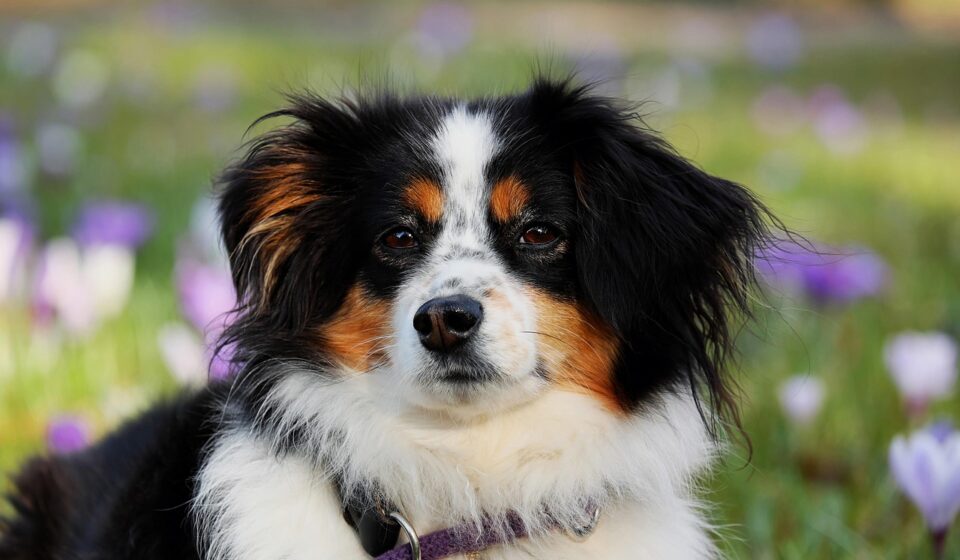

Dog breed king shepherd: Understanding the King Shepherd Dog Breed
This guide covers everything about dog breed king shepherd. For prospective owners in 2026, the King Shepherd dog breed presents a compelling picture of a large, imposing yet gentle canine companion. This impressive breed, a deliberate crossbreeding effort, combines the noble traits of its parent breeds to create a dog renowned for loyalty, intelligence, and a calm disposition. If you’re drawn to their regal presence and seeking a devoted family protector, understanding the nuances of the King Shepherd is paramount before welcoming one into your home.
Last updated: May 12, 2026
Key Takeaways
- The King Shepherd is a crossbreed, typically between the German Shepherd and the Shiloh Shepherd.
- They are known for their large size, imposing stature, and gentle, loyal temperament.
- Proper socialization and consistent training are crucial from puppyhood.
- King Shepherds require moderate exercise and a diet suitable for large breeds.
- Potential owners should be prepared for grooming needs and potential health concerns common to large breeds.
The Regal Lineage: Origins of the King Shepherd
The King Shepherd is a relatively new breed, developed in the late 20th century by American breeders. The primary goal was to create a dog that retained the intelligence and working ability of the German Shepherd but with a calmer temperament and a more substantial, imposing build. This was largely achieved through selective breeding with the Shiloh Shepherd, a breed also descended from German Shepherds but with its own distinct lineage and characteristics.
This intentional crossbreeding aimed to enhance desirable traits like size, a strong bond with family, and a protective instinct without the hyper-vigilance or potential for aggression sometimes seen in other working breeds. The result is a dog that embodies a majestic presence, often likened to royalty, hence the name “King Shepherd.”

A Majestic Presence: What Does a King Shepherd Look Like?
The most striking feature of the King Shepherd is its sheer size. These dogs are significantly larger than the standard German Shepherd, with males often standing 27–31 inches at the shoulder and females 25–29 inches. Their weight can range from 90 to over 150 pounds, depending on sex and build. They possess a strong, muscular, and well-balanced physique, conveying an impression of power and agility.
Their coat is typically a double layer, medium to long in length, and comes in various colors, most commonly black and tan, sable, or solid black. The head is broad and proportionate to the body, with expressive, almond-shaped eyes and erect ears that contribute to their alert and intelligent appearance. Their tail is long and carried in a slight curve.
The Gentle Giant: King Shepherd Temperament
Despite their imposing size, King Shepherds are known for their gentle, affectionate, and loyal nature. They form deep bonds with their families and are often described as “velcro dogs” due to their desire to be close to their people. This breed is typically confident, courageous, and possesses a natural protective instinct, making them excellent watchdogs and devoted family guardians.
They are generally good with children when properly socialized from a young age, exhibiting patience and a calm demeanor. However, like any large breed, supervision is always recommended during interactions between dogs and young children. Their intelligence means they are highly trainable, eager to please, and respond well to positive reinforcement methods. They tend to be reserved with strangers initially but are not typically aggressive, preferring to observe newcomers.
Experience: Working with King Shepherds has shown me how crucial early and consistent socialization is for this breed. Exposing them to various people, places, and other animals from 8 weeks onwards helps them develop into well-adjusted adults who are confident and calm in different situations.
Fueling the King: Exercise Requirements
King Shepherds are active dogs that require a moderate amount of daily exercise to maintain their physical and mental well-being. While not as high-energy as some working breeds, they thrive on regular activity. Daily walks, playtime in a securely fenced yard, and opportunities for mental stimulation are essential.
A minimum of 1–2 hours of exercise per day is recommended. This can include brisk walks, jogging (once fully grown to protect developing joints), fetch, or participation in dog sports like obedience or agility. Mental engagement is equally important; puzzle toys, training sessions, and scent work can prevent boredom and destructive behaviors in these intelligent dogs.
Training Your Noble Companion: A Guide
Training a King Shepherd should begin the moment they enter your home. Their intelligence and eagerness to please make them highly receptive to training, but consistency and positive reinforcement are key. Early socialization is paramount; exposing puppies to a wide range of sights, sounds, people, and other animals helps them grow into confident, well-behaved adults. Enroll in puppy classes as soon as your veterinarian gives the okay.
Obedience training should focus on basic commands, leash manners, and appropriate behavior around guests. Their protective nature means teaching them the “leave it” and “stay” commands are vital for managing their interactions. A King Shepherd that’s not adequately trained or socialized may become overly dominant or anxious, underscoring the importance of dedicated training efforts.
Caring for Your King Shepherd’s Health
As a large breed, King Shepherds are prone to certain health issues that prospective owners should be aware of. Hip and elbow dysplasia are common concerns in large, rapidly growing breeds, as is bloat (gastric dilatation-volvulus), a life-threatening condition. Responsible breeders will screen their breeding stock for these conditions.
Other potential health issues include degenerative myelopathy, eye conditions such as cataracts, and certain heart conditions. Maintaining a healthy weight, providing a balanced diet appropriate for large breeds, and ensuring regular veterinary check-ups are crucial for promoting longevity and quality of life. The average lifespan for a King Shepherd is typically between 10–12 years, though some may live longer with excellent care.
According to the American Veterinary Medical Association (AVMA) (2025), large breeds often require specific nutritional management to support joint health and slower growth rates, which can help mitigate risks of orthopedic issues.
Feeding and Grooming a King Shepherd
The King Shepherd’s diet should be formulated for large-breed dogs, particularly during their growth phases. High-quality dog food with appropriate protein and fat levels will support their muscle development and overall health. Overfeeding should be avoided, as excess weight can exacerbate joint problems.
Their double coat requires regular grooming to manage shedding. Brushing several times a week, and daily during shedding seasons, will help remove loose hair and prevent matting. Occasional baths are sufficient, and regular nail trims, ear cleaning, and dental care are also part of their routine maintenance. The cost of high-quality large-breed dog food can range from approximately $80 to $150 per month, depending on the brand and quality, as noted in consumer reports from early 2026.

King Shepherd: Advantages and Disadvantages
Advantages
- Extremely loyal and devoted to their families.
- Intelligent and highly trainable.
- Natural protective instincts make them good watchdogs.
- Generally good with children and other pets when socialized.
- Majestic and impressive appearance.
Disadvantages
- Requires significant space due to large size.
- Needs consistent training and early socialization.
- Prone to certain large-breed health issues like hip dysplasia.
- Can be prone to separation anxiety if left alone for long periods.
- Requires regular grooming to manage shedding.
Common Pitfalls for King Shepherd Owners
One of the most significant mistakes prospective owners make is underestimating the sheer size and strength of a King Shepherd. This can lead to inadequate containment in the yard, difficulty managing them on walks, and potential accidents with children or elderly individuals. Failing to provide consistent, early socialization is another critical error that can result in a dog that’s overly fearful or territorial.
Another common oversight is not preparing for the financial commitment. Large breed food, veterinary care (which can be more expensive for larger dogs), and potential training classes add up. Some owners also underestimate the grooming needs, leading to matting and skin issues. Finally, assuming their protective nature means they don’t need training is a dangerous misconception; they need clear leadership and guidance.
Where to Find a King Shepherd Puppy
Finding a healthy King Shepherd puppy requires careful research. Prioritize reputable breeders who prioritize health, temperament, and genetic screening of their breeding stock. They should be able to provide health clearances for hip, elbow, and eye conditions for the parent dogs. A reputable breeder will also be happy to answer all your questions and allow you to meet the puppy’s parents.
If purchasing from a breeder, expect to pay between $1,500 to $3,000 for a well-bred King Shepherd puppy in 2026, depending on bloodlines and breeder reputation. Alternatively, consider adopting from breed-specific rescues or shelters if a King Shepherd becomes available. Adopting can be a rewarding experience, and the adoption fees are typically much lower than breeder prices, often ranging from $200 to $500, which usually includes initial veterinary care.
Frequently Asked Questions About King Shepherds
Are King Shepherds good guard dogs?
Yes, King Shepherds possess a natural protective instinct and make excellent watchdogs due to their imposing size and loyalty to their families. They are alert and will typically bark to signal strangers but are not usually aggressive without cause.
How much do King Shepherds shed?
King Shepherds have a double coat and shed moderately year-round, with heavier shedding periods typically in the spring and fall. Regular brushing is necessary to manage their shedding.
What is the average lifespan of a King Shepherd?
The average lifespan for a King Shepherd is generally 10 to 12 years. Proper nutrition, regular exercise, and prompt veterinary care can contribute to a longer, healthier life.
Can a King Shepherd live in an apartment?
While possible, it’s not ideal. King Shepherds are large, active dogs that require ample space to move around comfortably. A home with a large, securely fenced yard is highly recommended for their well-being.
Are King Shepherds easy to train?
King Shepherds are intelligent and eager to please, making them highly trainable. However, they require early, consistent socialization and positive reinforcement training methods from an experienced owner.
What is the difference between a King Shepherd and a German Shepherd?
King Shepherds are typically larger and bred to have a calmer temperament than standard German Shepherds. They are a crossbreed, often involving the Shiloh Shepherd, to achieve these specific traits.
Final Thoughts on the King Shepherd
The King Shepherd is a magnificent breed that offers unparalleled loyalty and companionship. Their combination of imposing stature and gentle nature makes them a unique and rewarding pet for the right owner. Potential owners must be prepared for their significant size, training commitments, grooming needs, and potential health considerations. With proper care, socialization, and training, a King Shepherd can be a devoted and protective member of the family for years to come.
Information current as of May 2026; pricing and product details may change.
Editorial Note: This article was researched and written by the Pet Magazine editorial team. We fact-check our content and update it regularly. For questions or corrections, contact us. Knowing how to address dog breed king shepherd early makes the rest of your plan easier to keep on track.
About The Author