

Do dogs get brain freeze: The Science Behind Canine 'Brain Freeze'
This guide covers everything about do dogs get brain freeze. The technical term for brain freeze is sphenopalatine ganglioneuralgia. It’s a sharp, short-lived headache triggered by rapid temperature changes, particularly cold. In dog, the mechanism is essentially the same.
Last updated: July 12, 2026
When a dog consumes something intensely cold, like ice cubes or a frozen treat, the blood vessels in the roof of their mouth (the palate) and surrounding areas rapidly constrict. This is the body’s way of trying to conserve heat. Almost immediately after the cold stimulus is removed, these vessels dilate quickly to restore normal blood flow and temperature.
This rapid expansion and contraction of blood vessels is believed to stimulate nearby nerves, specifically the trigeminal nerve, which is responsible for facial sensation. The brain then interprets this nerve signal as pain, often felt in the head or around the eyes, resulting in that familiar ‘brain freeze’ sensation.
From a different angle, this response is a protective reflex. Imagine if your dog’s mouth went numb from extreme cold for too long; it could be dangerous. This quick ‘ouch!’ signals that something is too extreme for their system at that moment.
What Triggers ‘Brain Freeze’ in Dogs?
Several common scenarios can lead to your dog experiencing this fleeting discomfort:
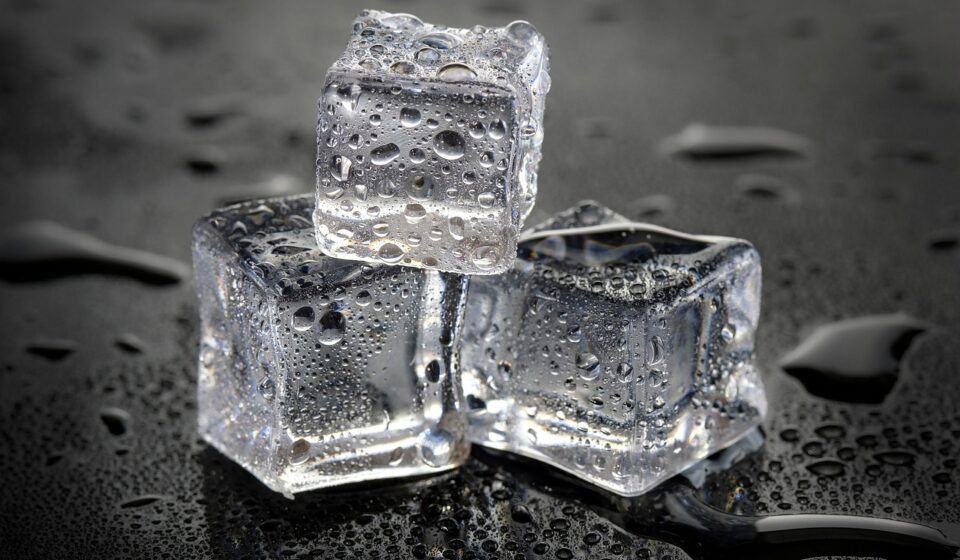
- Ice Cubes: Many owners give dogs ice cubes to keep them hydrated and entertained, especially in warm weather. Licking or crunching on ice too quickly is a prime culprit.
- Frozen Treats: Homemade or store-bought frozen dog treats, especially those made with water or yogurt bases, can be very cold.
- Cold Water: While less common, rapidly lapping up extremely cold water, particularly if it’s been sitting in a very cold environment, could potentially trigger it.
- Snow Consumption: Dogs who enthusiastically eat large amounts of snow, especially packed or icy snow, can experience it.
- Ice Cream or Other Human Frozen Foods: While not recommended for dogs due to ingredients, if a dog gets a lick of ice cream or a frozen dessert, the extreme cold can cause a reaction.
Practically speaking, any food or drink that’s at or below freezing temperatures, consumed quickly, has the potential to cause brain freeze. The key factors are temperature and speed of consumption.
How to Spot ‘Brain Freeze’ in Your Dog
Dogs can’t tell us they have a headache, but their behavior often provides clues. If your dog suddenly experiences brain freeze, you might observe:
- Sudden Yelp or Whimper: This is often the most telling sign – a short, sharp vocalization indicating sudden pain or surprise.
- Pawing at the Face or Mouth: They might paw at their muzzle, shake their head, or rub their face on the ground.
- Pausing Mid-Chew: They might stop eating or drinking abruptly, looking confused or uncomfortable.
- Disinterest in the Cold Item: After experiencing it once, they might become hesitant to interact with the cold treat or water.
- Slightly Dilated Pupils: While not a definitive sign, some dogs might show a slight dilation of their pupils.
It’s important to differentiate these signs from other potential issues. If your dog exhibits prolonged signs of distress, vomiting, or lethargy after consuming something cold, consult your veterinarian immediately, as it could indicate a more serious problem.

Preventing Brain Freeze: Tips for Dog Owners
The good news is that preventing canine brain freeze is relatively straightforward. The primary goal is to slow down consumption and moderate temperature.
Serving Cold Treats Safely
When offering frozen treats or ice, consider these practical tips:
- Break It Up: Instead of a large ice cube, offer smaller pieces.
- Thaw Slightly: For very hard frozen treats, allow them to thaw for a few minutes before serving. This makes them easier to manage and less extreme in temperature.
- Use a Lick Mat: Spread a dog-safe frozen treat onto a lick mat. This encourages slow licking rather than rapid consumption.
- Supervise: Always supervise your dog when they are eating ice or frozen treats to ensure they don’t gulp them down too quickly.
- Offer Water Slowly: If your dog is extremely thirsty on a hot day, offer cold water in smaller amounts, allowing them to drink gradually.
According to veterinary behaviorists, allowing dogs to ‘graze’ on cold items rather than ‘inhale’ them is key to preventing discomfort. This approach also aids in digestion and reduces the risk of choking or bloat, especially in breeds prone to these conditions.
Choosing the Right Cold Treats
Not all cold treats are created equal. As of July 2026, the market offers many dog-specific frozen options. Look for treats with ingredients you recognize, free from xylitol (which is toxic to dogs), excessive sugar, or artificial sweeteners. Plain yogurt, unsweetened fruit purées (like banana or blueberries), and specially formulated frozen dog food toppers are excellent choices.
Avoid giving dogs human ice cream or sorbets. The high sugar content, dairy, and potential for toxic ingredients like chocolate or artificial sweeteners make them unsuitable and potentially dangerous. For instance, a single lick of chocolate ice cream could be problematic for a small dog.
When in doubt, consult your veterinarian about safe, cold treat options for your dog. They can provide recommendations tailored to your dog’s specific health needs and breed predispositions.
Is ‘Brain Freeze’ Harmful to Dogs?
Generally, the ‘brain freeze’ sensation in dogs is harmless and transient. It’s a temporary reaction to extreme cold that resolves on its own within seconds or minutes. The discomfort is short-lived, and most dogs quickly recover and may even resume eating the cold item, albeit more cautiously.
However, it’s a signal. If your dog consistently yelps, shakes their head, or avoids cold items after experiencing brain freeze, it suggests they are sensitive to cold stimuli. Continuing to offer extremely cold items might cause them undue stress or discomfort.
What’s more important is to rule out other issues. If your dog shows signs of pain or distress that persist for more than a few minutes, or if they show signs of dental problems (like cracked teeth from crunching ice), it’s crucial to seek veterinary advice. Issues like dental fractures can be painful and require professional treatment.
When to Consult a Veterinarian
While brain freeze itself is typically not a medical emergency, there are situations where veterinary attention is warranted:
- Persistent Pain: If your dog seems to be in pain for longer than a minute or two after consuming a cold item.
- Dental Issues: If you suspect your dog has chipped or broken a tooth from crunching ice or frozen treats. Signs include reluctance to eat, dropping food, or visible damage to teeth.
- Choking or Difficulty Breathing: If your dog chokes on ice or a frozen treat, or has trouble breathing afterwards.
- Vomiting or Lethargy: If these symptoms accompany or follow the ‘brain freeze’ incident.
- Extreme Sensitivity: If your dog shows extreme aversion or fear towards any cold item, it might be worth discussing with your vet to rule out any underlying sensitivities or behavioral issues.
A veterinarian can perform a thorough oral examination, check for dental damage, and offer tailored advice on safe feeding practices and treat choices for your individual dog.
Frequently Asked Questions
Can dogs get brain freeze from regular cold water?
While less common than with ice or frozen treats, dogs can potentially experience brain freeze from drinking extremely cold water too quickly, especially on a very hot day. Their palate and nerves react to the rapid temperature change.
What are the signs my dog has brain freeze?
Look for sudden yelping, pawing at the face, head shaking, or pausing mid-drink or mid-chew. These are behavioral indicators of sudden discomfort or pain.
Is it safe for dogs to eat ice?
While many dogs enjoy ice, it carries risks like dental fractures and, in rare cases, brain freeze. It’s best to offer smaller, softer ice alternatives or supervised, limited amounts of regular ice.
Can puppies get brain freeze?
Yes, puppies can experience brain freeze just like adult dogs. Their physiology is similar, and the rapid cooling of the palate can trigger the same response. Be extra cautious with temperature and speed when offering cold items to puppies.
What are the best cold treats for dogs in 2026?
As of 2026, popular and safe choices include specially formulated frozen dog yogurts, fruit purées (like blueberry or banana), frozen bone broth, and commercially available frozen dog treats made with natural ingredients.
How long does dog brain freeze last?
Dog brain freeze is typically very short-lived, lasting only a few seconds to a minute. It resolves on its own as the blood vessels return to normal temperature and blood flow.
Conclusion: Keep the Cold Treats Coming, Safely
So, do dogs get brain freeze? Absolutely. It’s a normal, albeit uncomfortable, physiological response to rapid cooling of the palate. By understanding the triggers and recognizing the signs, you can easily prevent it.
Offering cold treats and water slowly, breaking them into smaller pieces, or allowing them to thaw slightly are simple yet effective strategies. Prioritize your dog’s comfort and safety, ensuring that summer fun and tasty frozen delights don’t come with an unwanted side of pain. A happy dog is a comfortable dog, and a little caution goes a long way!
Last reviewed: July 2026. Information current as of publication; pricing and product details may change.
Source: Britannica
Editorial Note: This article was researched and written by the Pet Magazine editorial team. We fact-check our content and update it regularly. For questions or corrections, contact us. For readers asking “Do dogs get brain freeze”, the answer comes down to the specific factors covered above.




About The Author