

ofile-of-mango-for-dogs”>The Sweet Science: What’s Inside a Mango?
Mangoes are more than just a delicious snack; they boast a rich nutritional profile that can contribute positively to a dog’s diet when offered as an occasional treat. Think of them as nature’s candy, but with some added health perks. This tropical fruit is packed with essential vitamins and minerals that play vital roles in your dog’s overall health and vitality.
Last updated: July 24, 2026
One of the primary nutrients found in mangoes is Vitamin A, crucial for maintaining healthy vision, skin, and immune function. Dogs, like humans, need adequate Vitamin A to keep their bodies functioning optimally. This vitamin is also important for cell growth and development, making it beneficial for puppies and adult dogs alike.
Beyond Vitamin A, mangoes are a good source of Vitamin C, a powerful antioxidant that helps bolster the immune system and protect cells from damage. While dogs produce their own Vitamin C, supplementing their diet, especially during times of stress or illness, can be beneficial. They also contain Vitamin E, another important antioxidant that supports skin health and a strong immune response.
Potassium is another key mineral present in mangoes. This electrolyte is vital for maintaining proper nerve and muscle function, as well as regulating fluid balance within the body. A balanced intake of potassium supports cardiovascular health and helps prevent muscle cramps.
And, mangoes provide dietary fiber. Fiber is essential for digestive health, aiding in the smooth passage of food through the digestive tract and promoting a healthy gut microbiome. For dogs prone to occasional constipation, a small amount of mango can help regulate their system. The natural sugars in mango provide a quick energy boost, which can be useful for active dogs.
According to the U.S. Department of Agriculture (USDA) data as of 2026, a 100-gram serving of raw mango contains approximately 60 calories, 0.8 grams of protein, 0.4 grams of fat, 15 grams of carbohydrates, and 1.6 grams of dietary fiber. This breakdown highlights that while nutritious, mangoes are also a source of natural sugars, underscoring the importance of portion control.
Can dogs have mango: The Upside: Why Offer Mango to Your Dog?
When prepared correctly, mangoes can be a delightful and beneficial addition to your dog’s diet, offering a range of positive effects that go beyond just a tasty treat. Many pet owners are looking for natural ways to supplement their dog’s nutrition, and mangoes fit the bill perfectly in moderation.
The vitamins A, C, and E present in mangoes act as antioxidants. These compounds help neutralize harmful free radicals in the body, which can contribute to cellular damage and aging. By providing these antioxidants, mangoes can support your dog’s immune system and potentially contribute to a longer, healthier life. This is particularly relevant as dogs age and their immune systems may become less strong.
The fiber content in mangoes is a significant benefit for your dog’s digestive system. It helps promote regularity, preventing constipation and supporting a healthy gut environment. A well-functioning digestive tract is crucial for nutrient absorption and overall well-being. For dogs that experience occasional digestive upset, a small amount of fiber-rich mango can be a gentle aid.
Potassium, found in mangoes, is vital for maintaining a healthy heart and muscle function. It plays a key role in nerve signal transmission and helps keep blood pressure within a normal range. Ensuring your dog gets enough potassium is essential for their physical activity and overall vitality. This is especially important for working breeds or highly active dogs that place a higher demand on their muscles and cardiovascular systems.
Plus, mangoes can be a refreshing treat, especially during warmer months. Their high water content can contribute to your dog’s hydration levels. Unlike processed dog treats, which can sometimes be high in artificial ingredients, preservatives, and unhealthy fats, fresh mango offers a natural, wholesome alternative.
For pet owners seeking to diversify their dog’s diet with natural ingredients, mangoes offer a unique flavor and texture that many dogs find appealing. It’s a way to provide a bit of variety and a ‘gourmet’ experience, making treat time more engaging and enjoyable for both you and your dog. The vibrant color of the fruit also adds a visual appeal that can make feeding time more fun.
The Pitfalls: Potential Dangers of Mango for Dogs
While mangoes offer benefits, it’s essential to be aware of the potential dangers and risks associated with feeding them to dogs. Overlooking these can lead to uncomfortable health issues for your pet, ranging from minor digestive upset to more serious complications. The key lies in understanding what parts of the mango are safe and how much is too much.
The most significant risk comes from the mango pit. It’s large, hard, and can easily become a choking hazard for dogs, especially smaller breeds or those who tend to gulp their food. If swallowed, the pit can also cause a blockage in the digestive tract, which is a serious medical emergency requiring immediate veterinary attention. This is why removing the pit entirely is non-negotiable when preparing mango for your dog.
The mango peel is another part that dogs should not consume. It’s tough, fibrous, and difficult for a dog’s digestive system to break down. Eating the peel can lead to gastrointestinal upset, vomiting, diarrhea, or even intestinal blockages in some cases. Mango peels, like the fruit’s skin, can be treated with pesticides or other chemicals if not thoroughly washed. These residues can be toxic to dogs.
Sugar content is another crucial consideration. Mangoes are naturally high in sugar. While a small amount of natural sugar from fruit is generally okay for most healthy dogs, excessive consumption can lead to health problems. This includes weight gain, which can predispose dogs to obesity-related issues like diabetes, heart disease, and joint problems. For diabetic dogs, mango should be avoided altogether or given only under strict veterinary guidance.
Some dogs may also experience allergic reactions to mangoes. While rare, symptoms can include itching, hives, swelling of the face or throat, or difficulty breathing. If you notice any of these signs after your dog has eaten mango, discontinue feeding it and consult your veterinarian immediately. As of 2026, while specific large-scale studies on mango allergies in dogs are limited, individual vet reports highlight the possibility.
Finally, overfeeding any new food, even a healthy one like mango, can disrupt a dog’s digestive balance. This can manifest as loose stools or stomach upset. It’s always best to introduce new foods gradually and in small quantities to see how your dog’s system reacts. According to veterinary nutritionists, a good rule of thumb is that treats, including fruits, should not exceed 10% of a dog’s total daily caloric intake.

Serving Mango Safely: A Step-by-Step Guide
The good news is that feeding mango to your dog can be simple and safe if you follow a few key preparation steps. It’s all about removing the parts that pose a risk and offering the safe, nutritious flesh in appropriate amounts. Think of it as preparing a special, healthy snack just for your canine companion.
Step 1: Select the Right Mango. Choose a ripe, sweet mango. Ripe mangoes are softer, more fragrant, and easier for your dog to digest than unripe, hard ones. Look for a mango that gives slightly when gently squeezed and has a sweet aroma at the stem end. Avoid any mangoes that are bruised, moldy, or overly soft, as these may not be safe for consumption.
Step 2: Wash Thoroughly. Even if you plan to peel the mango, it’s essential to wash the exterior thoroughly under running water. This helps remove any dirt, pesticides, or other chemicals that might be clinging to the skin. Using a vegetable brush can help scrub away any stubborn residue. This step is crucial for preventing your dog from ingesting harmful contaminants, even from the peel you’ll be removing.
Step 3: Peel the Mango. Using a sharp knife or a vegetable peeler, carefully remove the entire skin from the mango. Discard the peel; it’s not suitable for dogs. Ensure all the skin is removed, paying attention to any areas near the stem or bottom where small pieces might remain.
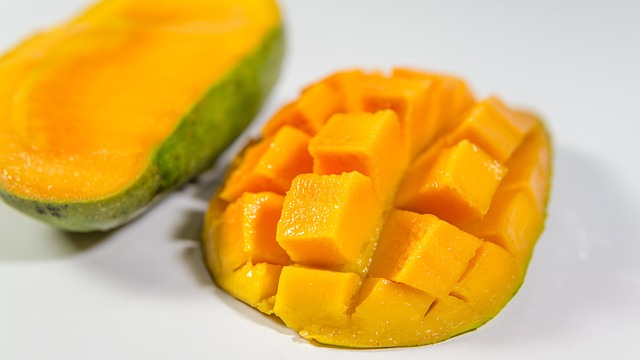
Step 4: Remove the Pit. This is perhaps the most critical step. Mangoes have a large, flat pit in the center. Carefully cut the flesh away from the pit. You can slice off the two ‘cheeks’ of the mango on either side of the pit, then cut the flesh into smaller pieces while it’s still attached to the skin of the cheek, or scoop it out once the mango is peeled. Discard the pit immediately and safely, ensuring your dog can’t access it.
Step 5: Cut into Dog-Friendly Pieces. Once the flesh is free from the pit and peel, cut it into small, bite-sized pieces. The size of the pieces should be appropriate for your dog’s size and chewing ability. For small dogs, think pea-sized pieces. For larger dogs, you can offer slightly bigger chunks, but still small enough to prevent choking. Uniform sizing makes it easier for your dog to eat without risk.
Step 6: Serve in Moderation. Offer a small portion of the cut mango as a treat. As a general guideline, treats should make up no more than 10% of your dog’s daily caloric intake. For most small to medium-sized dogs, a few small pieces (perhaps 1-2 tablespoons worth) are sufficient. For larger dogs, you might offer up to 1/4 cup, but always start with less.
Step 7: Observe Your Dog. After feeding your dog mango for the first time, monitor them for any adverse reactions, such as digestive upset or allergic symptoms. If your dog tolerates it well, you can continue to offer it as an occasional treat. If you have any concerns about your dog’s health or dietary needs, it’s always best to consult with your veterinarian.

Portion Control: How Much Mango is Too Much?
The question of ‘can dogs have mango’ quickly leads to another important query: ‘how much mango can dogs eat?’ The answer, as with most treats, lies in moderation. While mango offers nutritional value, its sugar content means that overindulgence can lead to digestive upset and contribute to long-term health issues.
As a general rule of thumb, treats – including fruits like mango – should not constitute more than 10% of your dog’s total daily caloric intake. This guideline helps ensure that your dog is receiving a balanced diet primarily composed of their regular, nutritionally complete dog food. For an average 20-pound dog, this might translate to about 30-40 calories from treats per day. A small chunk of mango, roughly the size of your thumb, typically contains about 20-30 calories, so a couple of these pieces would be appropriate.
When introducing mango to your dog for the first time, start with a very small amount – perhaps just a single bite-sized piece, no larger than a dice. Observe your dog for at least 24 hours to ensure they don’t experience any adverse reactions like diarrhea, vomiting, or allergic symptoms. If they tolerate it well, you can gradually increase the portion size over subsequent feedings, but always stay within the 10% treat guideline.
Larger dogs can generally tolerate slightly larger quantities of mango than smaller dogs, but the principle of moderation remains the same. A large dog might be able to handle around 1/4 cup of diced mango, but this is still dependent on their overall diet and activity level. It’s always better to err on the side of caution and offer less rather than more.
For dogs with specific health conditions, such as diabetes or obesity, the advice on feeding mango changes significantly. According to veterinary guidelines updated as of 2026, dogs with diabetes should generally avoid mangoes due to their sugar content, as it can cause dangerous spikes in blood glucose levels. If your dog has diabetes or is overweight, consult your veterinarian before offering any new fruits or treats. They can provide personalized recommendations based on your dog’s specific health profile.
Consider the overall diet. If your dog has a sensitive stomach, is very young (a puppy), or elderly, they might be more susceptible to digestive upset from new foods. In such cases, offering mango even less frequently or in smaller amounts might be advisable. The goal is to enhance their diet with a healthy treat, not to cause them discomfort.
Common Mistakes to Avoid When Feeding Mango
Many dog owners want to share the joy of fresh fruit with their pets, but a few common missteps can turn a potentially healthy treat into a risky situation. Being aware of these common errors can help you avoid them and ensure your dog enjoys mango safely.
Mistake 1: Feeding the Pit. This is perhaps the most frequent and dangerous mistake. Dog owners sometimes underestimate the size of the mango pit or assume their dog can handle it. However, as previously discussed, the pit is a major choking and intestinal blockage hazard. Always remove and safely dispose of the pit. This is a non-negotiable step, regardless of your dog’s size.
Mistake 2: Giving the Peel. Similar to the pit, the peel is often overlooked as a potential problem. It’s tough, indigestible, and can harbor pesticides. Many owners might think, “It’s just the skin, what’s the harm?” The harm can range from mild stomach upset to severe blockages. Always peel the mango before offering it to your dog.
Mistake 3: Overfeeding. Even with safe parts of the mango, giving too much can cause issues. Mangoes are high in natural sugars and fiber. Feeding a large quantity can lead to diarrhea, vomiting, or an upset stomach due to the sugar rush and the fiber overload. Stick to the 10% treat rule and introduce it slowly.
Mistake 4: Feeding Unripe or Overripe Mangoes. Unripe mangoes are hard and can be difficult for dogs to digest, potentially causing stomach discomfort. Overripe mangoes, while often sweeter, can ferment and may contain mold, which can be harmful. Always opt for a ripe, firm-to-the-touch mango with a sweet aroma.
Mistake 5: Not Washing the Fruit. Pesticides and chemical residues on the fruit’s surface can be toxic to dogs. Even if you’re peeling it, washing the mango thoroughly beforehand is a crucial step to remove these contaminants. A quick rinse might not be enough; consider using a produce wash or scrubbing gently with a brush.
Mistake 6: Ignoring Allergic Reactions or Sensitivities. Some dogs might be sensitive or allergic to mangoes. Failing to monitor your dog after the first few servings and not discontinuing use if adverse reactions occur is a mistake. Always watch for signs like itching, swelling, or digestive upset, and consult your vet if you see any.
Mistake 7: Feeding Canned or Processed Mango. Canned mango often comes packed in syrup, which is loaded with added sugars and artificial sweeteners. These are unhealthy for dogs and can cause significant digestive issues. Stick to fresh, ripe mangoes. If you can’t get fresh, unsweetened frozen mango chunks (without added sugar) are a better alternative than canned.
Are There Other Fruits Your Dog Can Enjoy?
If mango isn’t the right fit for your dog, or you’re looking for more variety in healthy fruit treats, there are plenty of other options available. Many fruits are safe and even beneficial for dogs when given in moderation. Exploring these alternatives can help you create a diverse and exciting treat rotation for your canine companion.
Apples (without seeds and core) are a great source of vitamins A and C, and fiber. They can help clean your dog’s teeth and freshen their breath. Just be sure to remove the seeds and core, as apple seeds contain cyanide and the core can be a choking hazard.
Bananas are another popular choice. They are rich in potassium, vitamins, and fiber, and have a soft texture that many dogs enjoy. However, bananas are also high in sugar and calories, so they should be given sparingly. As of June 2026, vets recommend limiting banana treats to small, infrequent portions.
Blueberries are packed with antioxidants and vitamins, making them a superfood for dogs. They are low in calories and can contribute to cognitive health. They are also a convenient size for training treats.
Strawberries are rich in fiber and vitamin C and contain an enzyme that can help brighten your dog’s teeth. Like other sweet fruits, they should be fed in moderation due to their sugar content.
Watermelon (seedless and rind removed) is incredibly hydrating due to its high water content. It’s a refreshing treat, especially in hot weather, and provides vitamins A, B6, and C, and potassium. Always remove seeds and the tough rind.
When choosing any fruit for your dog, remember the core principles: always remove pits, seeds, and tough skins; introduce new fruits gradually; and practice strict portion control. If your dog has any underlying health conditions, always consult your veterinarian before introducing new foods.
Frequently Asked Questions About Dogs and Mango
Can dogs eat fresh mango?
Yes, dogs can safely eat the fleshy part of fresh, ripe mangoes. Ensure it’s washed, peeled, and the pit is removed. Start with a small amount to check for tolerance.
Is the mango pit dangerous for dogs?
Absolutely. The mango pit is a significant choking hazard and can cause dangerous intestinal blockages if swallowed. It should always be removed and discarded safely.
What about mango skin for dogs?
Mango skin is not recommended for dogs. It’s tough, difficult to digest, and can lead to stomach upset or blockages. It may also contain pesticide residues.
Can dogs eat dried mango?
Dried mango is generally not recommended because it’s highly concentrated in sugar and may contain added sweeteners or preservatives that are unhealthy for dogs. Fresh mango is a much better option.
How much mango can I give my dog?
Treats, including mango, should make up no more than 10% of your dog’s daily caloric intake. For most dogs, this means a few small, bite-sized pieces of ripe mango flesh.
Are there any signs of mango allergy in dogs?
Possible signs of a mango allergy in dogs include itching, hives, swelling of the face or throat, vomiting, diarrhea, or difficulty breathing. If you suspect an allergic reaction, stop feeding mango and consult your vet immediately.
Can puppies eat mango?
Puppies can eat small amounts of ripe mango flesh, similar to adult dogs, provided it’s properly prepared. However, their digestive systems are more sensitive, so start with an even smaller piece and monitor them closely.
Information current as of June 2026; pricing and product details may change.
Editorial Note: This article was researched and written by the Pet Magazine editorial team. We fact-check our content and update it regularly. For questions or corrections, contact us. For readers asking “Can dogs have mango”, the answer comes down to the specific factors covered above.
Related read: King German Shepherd: Is This Giant Breed Right For You?




About The Author