


Why Indoor Fun for Dogs Is Crucial in 2026
For many pet parents, the reality of modern life means a significant portion of our dogs’ lives is spent indoors. Whether it’s due to unpredictable weather, busy work schedules, or simply a desire to keep them safe, and comfortable, finding engaging ways to entertain our canine companions at home is paramount. As of July 2026, the focus on pet well-being continues to grow, highlighting that mental stimulation and physical activity aren’t just for outdoor adventures. Boredom can lead to destructive behaviors, anxiety, and a decline in overall health, making proactive engagement essential.
Last updated: July 24, 2026
Key Takeaways
- Regular indoor activities prevent boredom and destructive behaviors in dogs.
- Mental stimulation is as vital as physical exercise for canine well-being.
- DIY enrichment toys and puzzle feeders can be cost-effective engagement tools.
- Training games reinforce commands, strengthen the bond, and provide cognitive challenges.
- Varying activities keeps your dog consistently engaged and prevents routine fatigue.
The good news is that you don’t need a vast backyard or expensive equipment to provide a fulfilling experience for your dog. A little creativity and understanding of canine needs can transform your home into a playground of discovery. Let’s explore some of the most effective and enjoyable fun things to do with your dog at home.
Unlocking Your Dog’s Mind: Cognitive Challenges
Mental enrichment is critical for a dog’s overall health, preventing boredom and reducing the likelihood of behavioral issues. It taps into their natural problem-solving instincts, offering satisfaction and a sense of accomplishment. According to the American Veterinary Medical Association (AVMA) (2025), dogs experiencing insufficient mental stimulation are more prone to developing anxiety-related disorders.
Puzzle toys are excellent for this. Options range from commercially available treat-dispensing balls and complex puzzle feeders that require multiple steps to access a reward, to simple DIY versions. For instance, a snuffle mat encourages natural foraging behaviors, while a treat-stuffed Kong can keep a dog occupied for a considerable time. You can create a simple DIY puzzle by hiding treats in an old towel rolled up, or inside cardboard boxes (ensure all tape and staples are removed). The key is to start with easier challenges and gradually increase the difficulty as your dog becomes more adept.
Energizing Indoor Exercises and Play
While indoor play might not replace a long walk, it’s essential for burning off excess energy and maintaining physical fitness. Many dogs, especially those of active breeds, require structured exercise even when confined to the house.
Indoor fetch is a classic for a reason. Using a soft toy or a rolled-up sock, you can play fetch in a hallway or a larger room. For dogs who love to chase, a laser pointer can be engaging, but it’s crucial to end the session by letting them catch a physical toy to prevent frustration, as recommended by veterinary behaviorists. Tug-of-war is another fantastic option that also strengthens your bond. Ensure you teach your dog a “drop it” command to maintain control and prevent excessive aggression during play. Consider setting up a small agility course using household items: a broomstick over two stacks of books can be a jump, cushions can be obstacles to weave through, and a laundry basket can be a tunnel.
Practicing recall games in a safe indoor environment is also beneficial. Call your dog from different rooms, rewarding them with praise and a small treat each time they come to you. This reinforces a vital command while providing exercise.
Using Training Through Play
Training doesn’t have to be a chore; it can be a fun and rewarding activity for both you and your dog. Incorporating training into play sessions makes learning more enjoyable and effective, reinforcing commands through positive association.
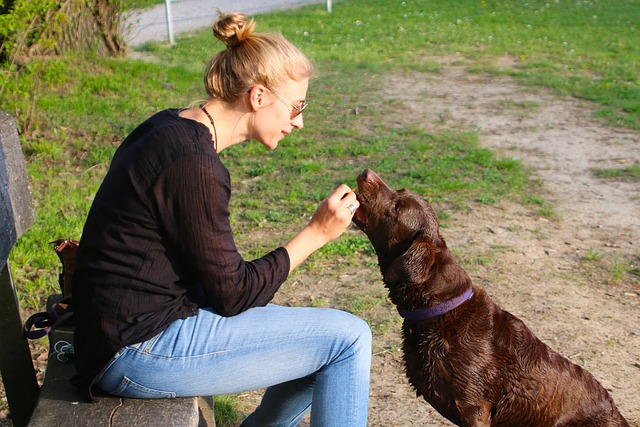
Teach new tricks like “shake,” “roll over,” or “play dead.” These activities challenge your dog mentally and build confidence. For example, to teach “shake,” hold a treat in your closed fist, present it to your dog, and wait for them to paw at it. Reward them the moment they lift their paw. Gradually introduce the verbal cue “shake” as they begin to paw. Another engaging game is “find it,” where you hide treats or a favorite toy and encourage your dog to search for it. This is a great way to engage their scent drive and problem-solving skills.
According to a 2025 survey by the Association of Professional Dog Trainers (APDT), 78% of owners who regularly incorporate play into their training routines reported a stronger bond with their dogs and a more responsive pet.
Creative DIY Dog Enrichment Ideas
You don’t need to spend a fortune to provide stimulating toys and activities. Many household items can be repurposed into engaging enrichment tools.
A simple “muffin tin game” involves placing treats in some cups of a muffin tin and covering all cups with tennis balls or small toys. Your dog must figure out how to remove the balls to get to the treats. Another project is a “bottle puzzle feeder”: take an empty plastic bottle, poke a few holes in it (large enough for kibble to fall out), fill it with dry food, and let your dog roll it around to dispense snacks. Always supervise your dog when they are using DIY toys to ensure they don’t ingest small parts. For a more solid toy, you can create a “braided tug toy” from old t-shirts or fleece fabric by cutting them into strips and braiding them tightly, then knotting the ends securely.
The Humane Society of the United States (HSUS) (2024) highlights that DIY enrichment not only saves money but also offers a personalized approach to meeting a dog’s specific needs and interests.
Engaging Your Dog’s Natural Senses: Scent Work
Dogs experience the world primarily through their noses, and engaging their sense of smell is incredibly rewarding and mentally taxing. Scent work, or nose work, is a fantastic indoor activity that taps into this powerful instinct.
Start simple: have your dog sit and stay while you hide a high-value treat or a favorite toy in another room. Gradually increase the difficulty by hiding it in more challenging spots, like under a rug, behind furniture, or even inside a shoe (if your dog is not a shoe-chewer!). You can also play “hide the treat” with multiple containers or cups, hiding a treat under one and letting your dog sniff them out. For a more structured approach, consider enrolling in an online introductory nose work class. These classes often provide guidance on how to set up scent detection games safely and effectively within your home environment.
The American Kennel Club (AKC) (2025) notes that scent work can significantly boost a dog’s confidence and reduce stress, making it a valuable tool for anxious or reactive dogs.

Calming Activities for a Relaxed Pup
Not all indoor activities need to be high-energy. Sometimes, the best way to engage your dog is by promoting relaxation and calm behavior, especially for anxious dogs or those who have already had their exercise quota.
Long-lasting chews, such as dental chews or bully sticks, are excellent for providing a sense of calm and satisfying a dog’s natural urge to chew. Ensure they are size-appropriate and safe for your dog. Massage and gentle grooming can also be incredibly relaxing. Spend time stroking your dog, paying attention to areas they enjoy being petted. Learning basic canine massage techniques can further enhance this bonding and calming experience. Even just sitting quietly with your dog, providing gentle petting and reassurance, can be a valuable form of engagement, strengthening your connection.
According to a study published in the journal Applied Animal Behavior Science (2024), petting and gentle interaction can lower cortisol levels (the stress hormone) in both dogs and humans.
Social Interaction and Bonding Indoors
While indoor activities often focus on individual play, don’t underestimate the power of shared interaction and social engagement within your household.
Simply involving your dog in your daily routines can be a form of enrichment. Let them sit with you while you read or work (if they are calm and settled). Practice “parallel play” where you do your own thing nearby, offering occasional praise or a small reward for calm behavior. If you have multiple dogs, ensure they have opportunities to interact positively, perhaps through supervised play sessions or shared puzzle toys. For single-dog households, your consistent, positive attention is the most crucial social element. Make eye contact, use a cheerful tone, and celebrate their engagement with you.
DIY Treat Ball Craft
You can create a simple treat ball using two paper or plastic cups and some tape. Cut a treat-sized hole in the bottom of each cup. Connect the cups rim-to-rim with strong tape, ensuring the holes align. Fill with kibble or small treats. Your dog will have to work to get the treats out as they roll the “ball.” This is a fun, low-cost way to provide mental stimulation. Always supervise to ensure the tape doesn’t come loose and get ingested.
Common Mistakes to Avoid
When engaging your dog indoors, a few common pitfalls can reduce the effectiveness of your efforts. One is relying too heavily on one type of activity. Dogs, like humans, can get bored with routine. Varying the games, puzzles, and exercises you offer is key to sustained engagement.
Another mistake is making activities too difficult too soon, leading to frustration. Always start simple and build complexity gradually, celebrating small successes. Finally, remember that over-exercising indoors, especially with high-impact activities, can lead to injuries if not managed properly. Ensure your space is safe and your dog is physically able to perform the chosen activities.
Expert Tips for Maximum Engagement
From a different angle, consider rotating toys. Instead of having all of your dog’s toys available all the time, keep some hidden away and swap them out weekly. This keeps toys novel and exciting. From a practical standpoint, incorporate “training treats” into your daily feeding. Instead of giving your dog their entire meal in a bowl, use some of their kibble as rewards during short training sessions or puzzle games throughout the day.
For dogs who are particularly food-motivated, “scent trails” can be incredibly engaging. Lay a trail of small treats from their bed to a favorite toy or to you. This encourages them to use their nose and follow a path, providing a fun scavenger hunt experience. As of July 2026, many pet behaviorists also advocate for “enrichment walks” even within the home; this means allowing your dog to sniff and explore different areas of the house at their own pace, rather than just rushing through activities.
How to Create a DIY Treat Dispenser
Take an empty cardboard toilet paper roll. Fold one end closed and secure it with tape. Fill the roll about halfway with kibble or small treats. Fold the other end closed and secure it. You can poke a couple of small holes in the sides if you wish. Your dog will have to nudge, roll, and chew the dispenser to get the treats out. This is a simple yet effective puzzle toy that costs virtually nothing to make. Always supervise your dog to ensure they don’t eat the cardboard if they are destructive chewers.
Frequently Asked Questions
How often should I engage my dog in indoor activities?
Aim for several short sessions throughout the day, rather than one long one. Even 5–10 minutes of focused mental or physical activity can make a significant difference in your dog’s overall engagement and happiness.
What if my dog doesn’t show interest in new toys or games?
Start with high-value treats or toys they already love. Introduce new items gradually, perhaps alongside a familiar favorite. Patience and positive reinforcement are key; don’t force interaction, but encourage exploration.
Are there any indoor activities that are not suitable for puppies?
While most activities can be adapted, avoid overly strenuous physical exercises for young puppies whose bones and joints are still developing. Focus on gentle play, basic training, and scent games. Always consult your veterinarian for age-specific exercise recommendations.
How can I keep my dog entertained when I’m busy working from home?
Provide them with long-lasting chews, puzzle feeders, or safe chew toys that they can work on independently. Setting up a “find it” game before you start your work can also buy you some focused time. Ensure they have had a morning walk or play session beforehand.
Can indoor games help with destructive chewing?
Absolutely. Destructive chewing is often a sign of boredom or excess energy. Providing appropriate outlets for chewing, like durable chew toys, and engaging them with puzzle feeders and training games can redirect this behavior effectively.
What are the best interactive dog games for small spaces?
Games like “find it,” simple trick training, tug-of-war (with appropriate toys), and using treat-dispensing toys are excellent for small spaces. Even indoor fetch can be managed with soft toys in a hallway.
Keeping your dog happy and engaged at home is an ongoing, rewarding process. By incorporating a variety of mental and physical activities, you can ensure your canine companion thrives, even when confined indoors. Remember to observe your dog’s cues, adapt activities to their personality and energy levels, and most importantly, enjoy the quality time together.
Information current as of July 2026; pricing and product details may change. Knowing how to address fun things to do with your dog at home early makes the rest of your plan easier to keep on track.




About The Author