
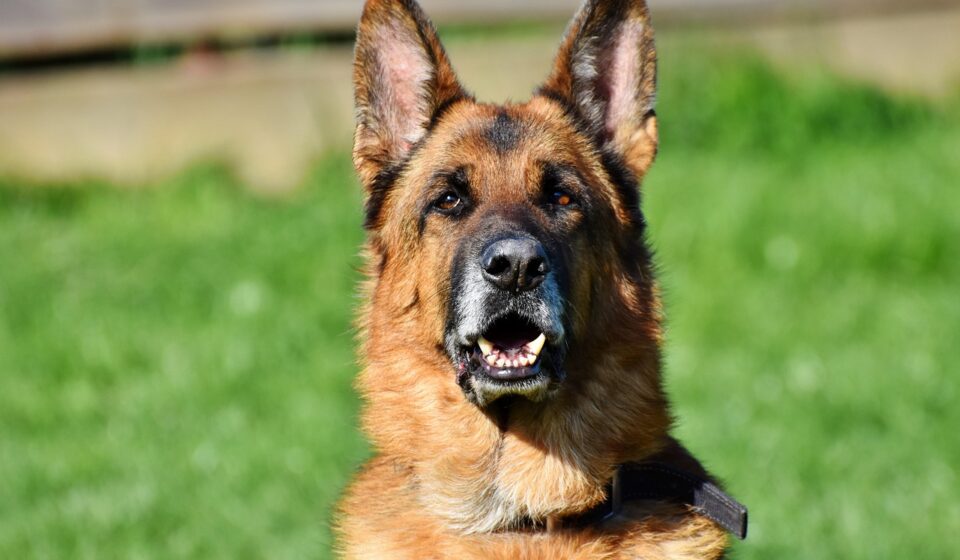

A Gentle Giant: Understanding the King German Shepherd
For anyone drawn to the imposing presence and loyal nature of German Shepherds but yearning for something even more substantial, the King German Shepherd might capture your imagination. Often described as a “gentle giant,” this impressive breed combines the intelligence and devotion of its German Shepherd lineage with an even grander stature.
Last updated: July 12, 2026
But what exactly is a King German Shepherd, and how does it differ from the classic German Shepherd we know and love? This article dives deep into what truly matters if you’re considering welcoming one of these magnificent dogs into your home, focusing on the practicalities of their care, temperament, and unique needs.
Key Takeaways
- King German Shepherds are a larger variant of the German Shepherd, often with a more relaxed temperament.
- They require significant space, sturdy nutrition, and consistent training due to their size and intelligence.
- Potential owners must be prepared for higher food bills, specialized veterinary care, and the commitment of a large breed.
- Early socialization and positive reinforcement training are crucial for managing their imposing presence around new people and other animals.
Where Did This Kingly Breed Come From?
The King German Shepherd isn’t an ancient breed with a long, documented history; rather, it’s a more recent development aimed at enhancing certain traits of the standard German Shepherd. While the exact lineage can vary, the general goal has been to breed larger, more strong dogs that retain the intelligence, loyalty, and protective instincts of the original breed. Some breeders have introduced other large breeds into the mix over time to achieve this specific size and temperament, though the core German Shepherd traits remain dominant.
From a different angle, it’s important to note that the King Shepherd isn’t recognized as a distinct breed by major kennel clubs like the American Kennel Club (AKC). This means there isn’t a single, universally recognized breed standard. Instead, breeders often have their own interpretations of what constitutes a King Shepherd, which can lead to variations in appearance and temperament.
The Majestic Physique: What to Expect
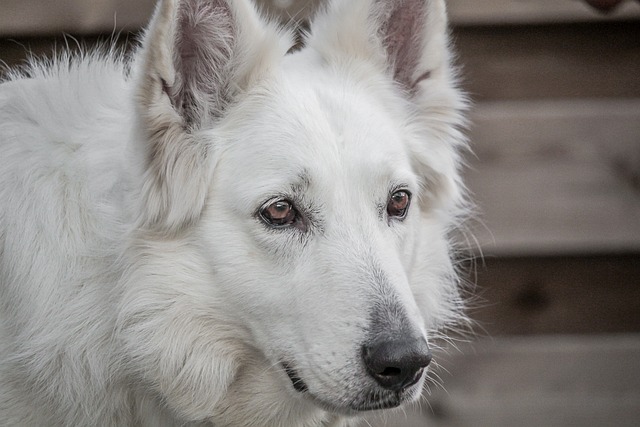
The most striking difference between a King German Shepherd and its standard counterpart is size. These dogs are significantly larger. Males can stand up to 30 inches tall at the shoulder and weigh anywhere from 100 to 150 pounds, with some individuals even exceeding these figures. Females are typically a bit smaller but still very substantial, often reaching 90 to 120 pounds. For comparison, a typical German Shepherd might weigh between 50 and 90 pounds.
Practically speaking, this means they require a good amount of living space. A large backyard is highly recommended, not just for exercise but for them to simply move around comfortably without feeling confined. Their build is powerful and athletic, with a deep chest and a sturdy frame, resembling a more exaggerated version of the classic German Shepherd’s powerful physique. The coat is typically a double layer, similar to the standard German Shepherd, coming in common colors like black and tan, sable, and solid black.
A Loyal Companion: Temperament Insights
The King German Shepherd is generally known for a calm, steady, and devoted temperament. While they retain the intelligence and alertness of the German Shepherd, they often exhibit a more laid-back disposition, especially as they mature. They are fiercely loyal to their families and can be very protective, making them excellent watchdogs. However, their size means their protective instincts should be guided by solid training and socialization from a young age.
What this means in practice is that while they are often described as “gentle giants,” they are still large, powerful dogs that require responsible ownership. They thrive on companionship and can develop separation anxiety if left alone for extended periods. Early and consistent socialization is key; exposing them to various people, sounds, and other animals from puppyhood helps them grow into well-adjusted adults who are confident rather than fearful or overly reactive.
A common misconception is that their size equates to aggression. This is rarely the case with properly bred and trained King Shepherds. Their loyalty often translates into a strong desire to please their owners, making them highly trainable when positive reinforcement methods are used. However, their sheer power means that any behavioral issues, if they arise, can be more challenging to manage without professional guidance.
Guiding the Giant: Training Essentials
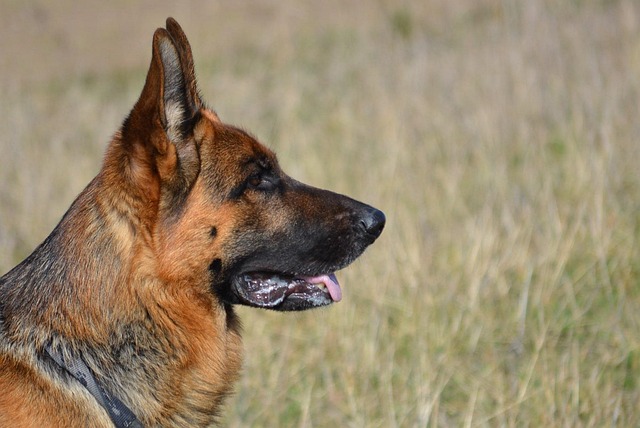
Training a King German Shepherd is paramount. Their intelligence means they learn quickly, but their size and strength mean they need to understand basic obedience commands and boundaries from the get-go. Positive reinforcement techniques, such as reward-based training using treats, praise, and play, are highly effective. Harsh corrections or punishment-based methods can be counterproductive, potentially leading to fear or anxiety in such a large and sensitive breed.
From a different angle, consistency is the bedrock of successful training for this breed. Regular training sessions, even short ones, help reinforce good behavior and strengthen the bond between dog and owner. Socialization should run parallel to training. Introducing your King Shepherd to different environments, people of all ages, and other well-behaved dogs in a controlled manner is crucial. This isn’t just about preventing future behavioral problems; it’s about helping them develop into confident, happy dogs who can Handle the world with poise.
A critical aspect of training involves leash manners. A 100-plus-pound dog pulling on a leash can be a significant challenge. Invest in a good quality harness and collar, and dedicate time to teaching them to walk calmly by your side. Classes designed for large breeds can also be incredibly beneficial, offering structured environments for both training and socialization.
Meeting the Energy Demands of a King
While often calmer than their standard German Shepherd cousins, King Shepherds are still active dogs that require a good amount of daily exercise. An adult King Shepherd typically needs at least one to two hours of vigorous activity per day. This can include long walks, jogging, hiking, or playing fetch in a securely fenced yard.
Practically speaking, this level of exercise is non-negotiable. A King Shepherd that doesn’t get enough physical and mental stimulation can become bored, leading to destructive behaviors like chewing furniture, excessive barking, or digging. Mental stimulation is just as important as physical exercise. Puzzle toys, scent games, and training sessions can help keep their intelligent minds engaged and prevent boredom-related issues.
Be mindful of their joints, especially during their rapid growth phase as puppies. Over-exercising young King Shepherds can lead to long-term orthopedic problems. Consult with your veterinarian for specific exercise recommendations tailored to your dog’s age and health status. For instance, strenuous activities like long-distance running should generally be avoided until their growth plates have closed, usually around 18–24 months of age.
Potential Health Concerns for Large Breeds
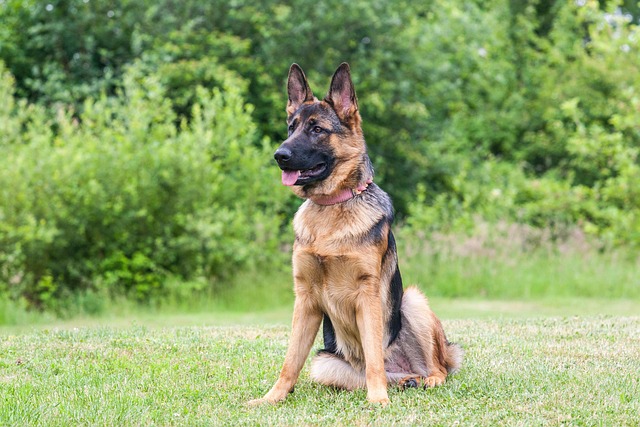
As a large breed, the King German Shepherd is predisposed to certain health conditions that are common in giant dogs. Hip and elbow dysplasia are significant concerns, where the joints don’t develop properly, leading to pain and arthritis. Bloat (gastric dilatation-volvulus or GDV) is another life-threatening condition that affects deep-chested breeds like the King Shepherd; it requires immediate veterinary attention.
What this means in practice is that choosing a reputable breeder who screens their dogs for genetic health issues is crucial. Responsible breeders will provide health clearances for the parent dogs, indicating they have been tested for conditions like hip and elbow dysplasia, eye conditions, and heart problems. As of June 2026, continuing research into genetic markers for these conditions is ongoing, but vigilance remains key.
Regular veterinary check-ups are essential throughout their lives. Your vet can help monitor for signs of developing health issues, advise on preventive care, and manage any chronic conditions. A balanced diet, appropriate exercise, and prompt treatment for injuries or illnesses contribute significantly to a King Shepherd’s overall health and longevity. Some sources estimate the average lifespan for a King Shepherd to be around 9 to 12 years, though this can vary greatly depending on genetics, care, and lifestyle.
Fueling the King: Nutrition for a Large Breed
Feeding a King German Shepherd requires careful consideration. Due to their large size and rapid growth, puppies need a high-quality large-breed puppy formula. These foods are specifically balanced with controlled levels of calcium and phosphorus to promote slow, steady bone growth, which is vital for preventing orthopedic issues like hip dysplasia. Feeding adult-sized portions too early can accelerate growth and lead to joint problems.
Practically speaking, this means investing in good quality food. While budget-friendly options might seem appealing, they often lack the specialized nutrient profiles large breeds require. The cost of feeding a large breed can be substantial. An adult King Shepherd can consume 3 to 5 cups of high-quality kibble per day, potentially costing between $80 and $150 per month, depending on the brand and food type. Prices can fluctuate, but expect consistent food expenses.
For adult King Shepherds, a high-quality adult large-breed formula is recommended. Look for foods with glucosamine and chondroitin, which can support joint health. Your veterinarian can provide personalized recommendations based on your dog’s specific needs, age, activity level, and any health concerns. Avoid free-feeding; instead, establish a regular feeding schedule, typically two meals per day for adults, to help manage weight and reduce the risk of bloat.

Keeping Your King Tidy
The King German Shepherd’s coat, like that of the standard German Shepherd, is a double layer that sheds moderately year-round and heavily during seasonal changes. Regular brushing is essential to manage shedding and keep their coat healthy. Aim for at least two to three brushing sessions per week, using a slicker brush or an undercoat rake to remove loose hair. During shedding seasons (typically spring and fall), you might need to brush them daily.
What this means in practice is that you should be prepared for dog hair in your home. Regular grooming also provides an opportunity to check for any skin issues, lumps, or parasites. Baths are usually only needed every few months, or when they get particularly dirty, as over-bathing can strip their coat of natural oils. Use a dog-specific shampoo to avoid irritating their skin.
In addition to coat care, regular nail trims, ear cleaning, and dental hygiene are vital. Long nails can cause discomfort and affect their gait, so trim them every 3–4 weeks. Clean their ears gently with a veterinarian-approved cleaner to prevent infections, and brush their teeth daily or at least several times a week to maintain good oral health. These grooming tasks, when done consistently, contribute significantly to your King Shepherd’s overall well-being.
Is a King German Shepherd the Right Fit for Your Home?
Welcoming a King German Shepherd into your life is a significant commitment. They are devoted, intelligent, and imposing dogs that require an owner who understands their needs. They are best suited for homes with plenty of space, both indoors and outdoors, and owners who have the time and patience for consistent training and socialization. They can be excellent family dogs if raised with children and other pets from a young age, but supervision is always recommended due to their size.
Practically speaking, potential owners should be prepared for the financial commitment as well. Higher food costs, potentially larger veterinary bills due to breed-specific health concerns, and the need for sturdy, durable toys and equipment all add up. The initial purchase price for a King Shepherd puppy from a reputable breeder can range from $1,500 to $3,000, but this is just the beginning of the financial outlay.
They thrive in active households where they can be integrated into family life. If you lead an active lifestyle and are prepared for the demands of a giant breed, a King German Shepherd can be an incredibly rewarding companion. However, if you live in a small apartment, have very young children and no experience with large breeds, or have limited time for training and exercise, this might not be the best breed for you. Understanding these practical considerations is key to ensuring a happy and harmonious life for both you and your majestic King Shepherd.
Common Pitfalls When Owning a King Shepherd
One of the most common mistakes is underestimating their size and strength. Many people are drawn to their imposing presence but aren’t fully prepared for the physical demands of managing such a large dog, especially during their adolescent phase. This can lead to issues like uncontrolled jumping or pulling on the leash.
Another significant error is neglecting early socialization. Because they are naturally protective, without proper exposure to different stimuli, they can become overly wary or even fearful of strangers or new situations. This can manifest as excessive barking or a hesitant demeanor around unfamiliar people and animals.
Finally, failing to provide adequate mental stimulation is a frequent oversight. Their intelligence means they need more than just physical exercise. Boredom can quickly lead to behavioral problems, such as destructive chewing or digging, which can be costly and frustrating for owners.
Expert Tips for King German Shepherd Owners
Invest in high-quality, large-breed specific food and treats. This is non-negotiable for their joint health and overall well-being. Consult your veterinarian about the best diet for your dog at each life stage.
Start obedience training and socialization as early as possible. Enroll in puppy classes and continue with advanced training as needed. Consistent positive reinforcement is key. The American Veterinary Medical Association (AVMA) emphasizes the importance of early socialization for all dogs, especially larger breeds, to promote good behavior and reduce fear-based aggression.
Prepare your home for a giant breed. Ensure you have sturdy furniture (or protect what you have!), durable chew toys, and a safe, securely fenced outdoor space. Think about ramps or steps if you plan to let them in and out of vehicles frequently, to protect their joints.
Frequently Asked Questions
How big do King German Shepherds get?
Adult King German Shepherds are significantly larger than standard German Shepherds. Males can reach 26–30 inches at the shoulder and weigh 100–150 pounds, while females are typically 90–120 pounds. Their imposing size requires ample living space.
Are King German Shepherds good family dogs?
Yes, King German Shepherds can be excellent family dogs when properly socialized and trained. They are loyal and protective, often forming strong bonds with children. However, their large size necessitates supervision, especially with very young kids.
What is the average lifespan of a King German Shepherd?
The average lifespan for a King German Shepherd is generally between 9 and 12 years. This is typical for many large to giant breeds, and can be influenced by genetics, diet, exercise, and overall health care.
Do King German Shepherds shed a lot?
Yes, King German Shepherds have a thick double coat and shed moderately year-round, with heavier shedding periods seasonally. Regular brushing, several times a week, is necessary to manage shedding and maintain coat health.
Are King German Shepherds prone to health problems?
Like many large breeds, King German Shepherds can be prone to hip and elbow dysplasia, bloat (GDV), and certain eye conditions. Choosing a reputable breeder who screens for genetic issues and providing excellent care are vital for mitigating these risks.
The Final Word on the King German Shepherd
The King German Shepherd is a truly magnificent dog, offering the intelligence and loyalty of its heritage in a grander, often more placid, package. They are devoted companions for the right owners, but their size, energy, and potential health needs demand a significant commitment. If you’re prepared for the responsibilities of owning a giant breed—ample space, consistent training, dedicated exercise, and specialized care—a King German Shepherd can indeed be the loyal, majestic king of your household.
Editorial Note: This article was researched and written by the Pet Magazine editorial team. We fact-check our content and update it regularly. For questions or corrections, contact us.
About The Author