

ult of selective breeding that has been ongoing for decades. Genetic mutations affecting pigment largely drives these variations cells (chromatophores) and the expression of genes related to finnage and body shape. Understanding these genetic underpinnings helps aquarists appreciate the distinct characteristics of each type and predict potential offspring traits if breeding is considered.
Last updated: May 12, 2026
The primary gene responsible for color and pattern is often referred to as the ‘gold’ or ‘angelfish’ gene, which influences the development of melanophores (black pigment cells) and xanthophylls (yellow pigment cells). Other genes control the distribution and density of these pigments, leading to patterns like stripes, spots, or solid colors. Finn age variations, such as the ‘veil tail’ gene, result in elongated, flowing fins, dramatically altering the fish’s appearance.

Angelfish different types: The Most Popular Freshwater Angelfish Varieties
While the exact number of recognized angelfish types can fluctuate with new breeds emerging, several core varieties have become staples in the aquarium hobby. These fish are generally strong and adaptable, making them excellent choices for both beginners and experienced fish keepers. Their popularity stems from a combination of striking appearance and manageable care requirements.
Silver Angelfish (Wild Type)
The Silver Angelfish is the quintessential representation of the species, often considered the ‘wild type.’ It features a silvery-gray body with distinct black vertical stripes. Its natural coloration and strong build make it a classic choice, often seen as the baseline against which other varieties are compared. They are known for being hardy and adaptable.
Zebra Angelfish
Closely resembling the Silver Angelfish, the Its bolder distinguishs zebra Angelfish, more numerous, and often more irregular black stripes. These stripes can be more pronounced, giving the fish a dynamic, ‘striped’ appearance that’s highly sought after. Like the Silver Angelfish, they are generally hardy and do well in community tanks.
Marble Angelfish
The Marble Angelfish exhibits a captivating marbled pattern of black and white or silvery coloration. Instead of distinct stripes, it has irregular splotches and patches that create a beautiful, swirling effect. This pattern can vary significantly from one individual to another, making each fish unique. They tend to be a bit more sensitive than their striped counterparts.
Koi Angelfish
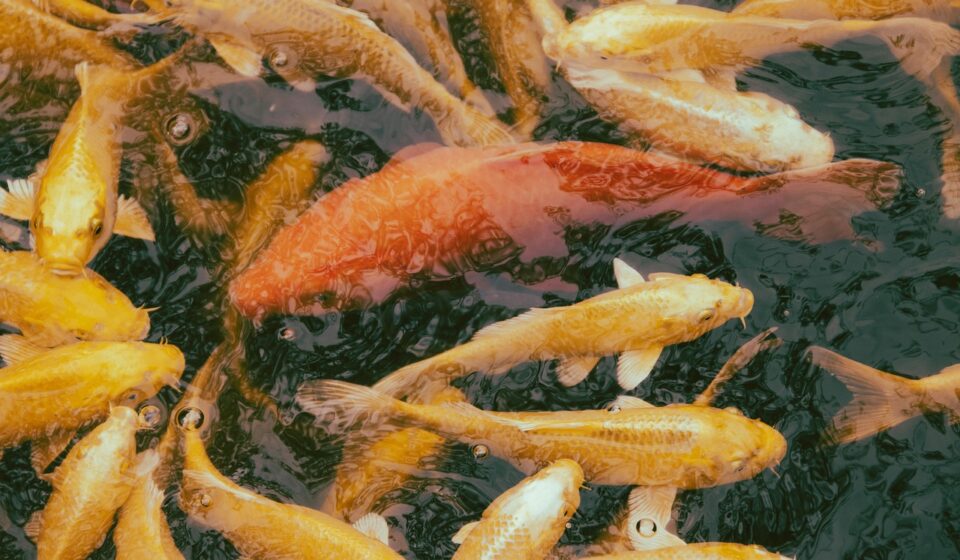
Inspired by the ornamental koi carp, these angelfish boast a striking blend of white, orange, gold, and black patches. They lack the distinct stripes of the Silver or Zebra varieties, instead displaying broad, colorful blotches across their bodies. Their vibrant colors and unique patterning make them a highly desirable, premium aquarium fish.
Black Lace Angelfish
The Black Lace Angelfish is a stunning variety characterized by its dark, almost black body with delicate, lace-like patterns of lighter color or transparency. The intensity of the black can range from deep charcoal to a lighter gray, often with a subtle sheen. Their elegant, dark coloration makes them a dramatic addition to any aquarium.
Rare and Specialty Angelfish: For the Dedicated Enthusiast
Beyond the common types, a world of rarer and more specialized angelfish varieties exists, often commanding higher prices and requiring more specific care. These fish are typically the result of extensive selective breeding and may possess unique finnage, color mutations, or patterns that set them apart. Acquiring these can be a rewarding experience for the dedicated aquarist.
Altum Angelfish (Pterophyllum altum)
The Altum Angelfish is often considered the ‘king’ of angelfish, distinguished by its significantly taller body and more pointed snout compared to the common Pterophyllum scalare. Native to the Rio Negro basin, they require larger tanks with very soft, acidic water and higher temperatures, making them considerably more challenging to keep. Their immense fins and regal appearance, however, make them a prize for experienced keepers. According to Aquarium Nexus, these can range from $60 to $80 or more for a single specimen as of their last update in 2026, reflecting their specialized needs and rarity.
Veil tail Angelfish
The Veil tail Angelfish is not a specific color or pattern type, but rather a variation defined by its elongated, flowing fins. This trait can be present in conjunction with other color morphs, such as Veil tail Marbles or Veil tail Golds. While visually stunning, these extended fins can make them more susceptible to fin rot and can hinder their swimming ability, requiring a more peaceful tank environment.
Ghost Angelfish
Their almost entirely transparent characterizs ghost Angelfish or white bodies with minimal or no distinct markings. They possess a ghostly, ethereal appearance that’s quite unique. The lack of pigment makes them particularly sensitive to bright lights and prone to stress, necessitating carefully controlled aquarium conditions.
Smokey Angelfish
The Smokey Angelfish typically presents a muted, smoky grey or bluish-Grey coloration, often with subtle darker or lighter mottling. They are known for their serene, understated beauty, offering a sophisticated alternative to the more brightly colored varieties. Their coloration can sometimes resemble a diluted version of the Black Lace or Marble patterns.
Choosing the Right Angelfish for Your Aquarium
Selecting an angelfish type involves considering several factors beyond just aesthetics. The size of your aquarium, the temperament of potential tank mates, and your own experience level all play a crucial role. As of May 2026, the market offers a vast array of choices, but not all are suited for every setup.
Practically speaking, angelfish grow quite large, both in height and length, and require ample swimming space. A juvenile angelfish might seem manageable in a 20-gallon tank, but by adulthood, they truly thrive in tanks of 50 gallons or more, ideally with a height of at least 20 inches. This is especially true for the larger Altum varieties. A common mistake is underestimating their adult size, leading to cramped conditions that stress the fish and stunt their growth.
For community tanks, generally peaceful angelfish like the Silver, Zebra, or Marble varieties are good choices. However, they can sometimes nip at very small, long-finned fish like guppies or fin-nipping species like tiger barbs, especially as they mature and become territorial. It’s always wise to research specific temperament traits for the variety you’re interested in and provide plenty of hiding places with decorations and plants.
Care Considerations: Tailoring for Variety
While the basic care requirements for most angelfish are similar, subtle differences exist between types, particularly concerning their water parameter preferences and sensitivity. As of May 2026, the consensus among aquarists is that stable conditions are paramount.
Most Pterophyllum scalare varieties thrive in a temperature range of 75-82°F (24-28°C) with a pH of 6.0-7.5 and soft to moderately hard water. However, Altum Angelfish are an exception, demanding softer, more acidic water (pH 5.0-6.5) and higher temperatures (82-86°F or 28-30°C), mirroring their native Amazonian habitat. This makes them unsuitable for beginners or those with standard community tanks.
Water quality is critical for all angelfish, but particularly for those with delicate finnage like Veil tails or those with less pigment like Ghosts. Regular water changes (25-30% weekly) are essential to maintain pristine conditions and prevent the buildup of nitrates. A good filtration system is also a must. Regarding diet, a varied approach is best, incorporating high-quality flake or pellet foods with occasional live or frozen foods like brine shrimp or bloodworms to promote vibrant coloration and health.
Cost and Availability in 2026
As of May 2026, the cost of angelfish varies significantly based on the type, size, breeder reputation, and geographic location. Common varieties like Silver and Zebra angelfish are widely available in most pet stores and online retailers, typically ranging from $10 to $30 for juveniles, depending on size. According to Aquarium Store Depot, prices are generally stable for these common types.
More specialized or rarer types, such as Koi, Marble, or Black Lace, can command higher prices, often between $30 and $80, especially for well-patterned specimens. The Altum Angelfish, due to its demanding care and specific sourcing, is considerably more expensive, with juveniles often costing $60 to $80 or more, as noted by Aquarium Nexus and Everything Fish keeping. Availability of rarer types may be limited to specialized breeders or online importers.
What this means in practice: prospective owners should research not only the appearance and care of a desired angelfish type but also its typical cost and availability in their region to avoid disappointment.
Common Mistakes When Choosing and Keeping Angelfish
Many new aquarists make similar errors when selecting or caring for angelfish, often stemming from a lack of understanding about their specific needs. One of the most frequent mistakes is housing juvenile angelfish in tanks that are too small. While they might fit initially, their rapid growth means they quickly outgrow most starter tanks, leading to stress and potential health issues. Always plan for their adult size.
Another common pitfall is misjudging their temperament. While not aggressive in the same way as some other cichlids, angelfish can become territorial, especially as a pair or when they reach maturity. Introducing them into a community tank with very small or delicate fish can lead to harassment or injury. Carefully selecting tank mates that are strong and have a similar temperament is crucial. Additionally, failing to provide adequate filtration and perform regular water changes is a recipe for disaster, as angelfish are sensitive to poor water quality.
Expert Tips for Angelfish Enthusiasts
To truly excel in keeping angelfish, consider these expert insights. First, when purchasing angelfish, look for specimens that are active swimmers, have clear eyes, and exhibit vibrant coloration for their type. Avoid fish that appear listless, have clamped fins, or show signs of white spots or fuzzy patches, which can indicate disease. It’s also beneficial to observe the fish in the store’s tank for a few minutes to ensure they are interacting normally with other fish.
For optimal health and coloration, a varied diet is key. Supplementing their staple flake or pellet food with frozen or live options like bloodworms, brine shrimp, or Daphnis can significantly enhance their well-being and bring out their most stunning colors. Providing a tall aquarium with smooth substrates and live or silk plants offers enrichment and security. Consider that each angelfish type, while sharing core needs, might benefit from slight adjustments in water parameters or tank setup, so always research your specific chosen variety.
Frequently Asked Questions About Angelfish Types
What is the most popular type of angelfish?
The Silver Angelfish, also known as the wild type, is generally considered the most popular due to its classic appearance and hardiness. Varieties like Marble and Koi are also highly sought after for their unique patterns.
Are angelfish aggressive?
Angelfish are generally peaceful cichlids, but they can become territorial as they mature, especially when paired. They may nip at very small fish or harass other angelfish if space is limited.
How large do angelfish get?
Adult angelfish, particularly the common Pterophyllum scalare, can grow up to 6 inches long and 10 inches tall. Altum Angelfish can be even taller, reaching up to 20 inches in height.
What is the difference between Pterophyllum scalare and Pterophyllum altum?
Pterophyllum scalare are the common angelfish with a more rounded body shape and less extreme finnage. Pterophyllum altum, or Altum Angelfish, are significantly taller, have a more pointed snout, and require more specialized, softer, and warmer water conditions.
How much do rare angelfish types cost?
Rare angelfish types, such as certain color morphs of Veil tail or specific patterns of Koi, can range from $30 to $80 or more. Altum Angelfish can fetch prices of $60 to $80+ for juveniles.
Can angelfish live with other fish?
Yes, angelfish can live with a variety of other fish, provided the tank is large enough and the tank mates are not too small or fin-nipping. Peaceful, similarly sized fish are the best companions.
Information current as of May 2026; pricing and product details may change.
Editorial Note: This article was researched and written by the Pet Magazine editorial team. We fact-check our content and update it regularly. For questions or corrections, contact us. Knowing how to address angelfish different types early makes the rest of your plan easier to keep on track.
Related read: Beyond Dogs & Cats: Best Alternative Pets in 2026.
Related read: Unique Pets That Are Easy to Care For in 2026.
Related read: Bearded Dragon for Sale: Your 2026 Guide to Choosing and Caring for a New Pet.
About The Author