
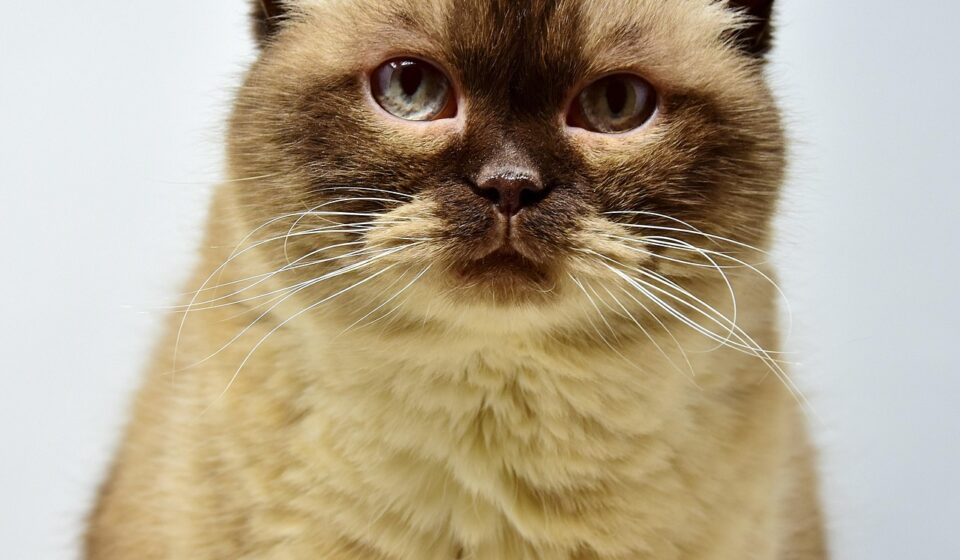

A Timeless Companion: Understanding the American Shorthair in 2026
For prospective cat owners seeking a blend of resilience, affection, and adaptability, the American Shorthair stands out as a perennial favorite. Believed to have arrived with early European settlers, these cats were initially valued for their mousing prowess. Today, as of July 2026, they remain a beloved and popular breed, celebrated for their generally strong health and easy-going nature, making them an excellent choice for a wide array of households.
Last updated: July 13, 2026
- The American Shorthair is a hardy breed, originally brought to North America for pest control, now prized for its companionship.
- They possess an adaptable temperament, fitting well into diverse family environments, from bustling homes to quieter settings.
- Their distinctive physical traits include a muscular build, rounded face, and a wide variety of coat colors and patterns, with the silver tabby being iconic.
- Generally healthy and long-lived, they require routine veterinary care, a balanced diet, and mental stimulation to thrive.
- Finding an American Shorthair often involves adoption from shelters or reputable breeders, with kitten prices varying significantly.
From Shipmate to Show Ring: A Storied Past
The history of the American Shorthair is deeply intertwined with the colonization of North America. These cats were vital members of early voyages, tasked with protecting essential food supplies from rodents. Their resilience and hunting instincts made them indispensable. Over time, as they established themselves on the continent, their superior genetic stock led to selective breeding, culminating in the formal recognition of the American Shorthair breed by cat fancier associations in the early 20th century. The Cat Fanciers’ Association (CFA), for instance, recognized them as a distinct breed, solidifying their status beyond just their working capabilities. This evolution from a utilitarian shipmate to a pedigreed show cat highlights their enduring appeal.

A Study in Sturdiness: Breed Standards and Appearance
Its substantial characterizs the American Shorthair, muscular build, indicative of its working cat heritage. They are medium to large cats, typically weighing between 8 to 15 pounds, though some males can be larger. Their most recognizable features include a broad, rounded face with full cheek pads, large, expressive eyes, and medium-sized ears. Their coat is short, dense, and somewhat coarse to the touch, providing protection against the elements.
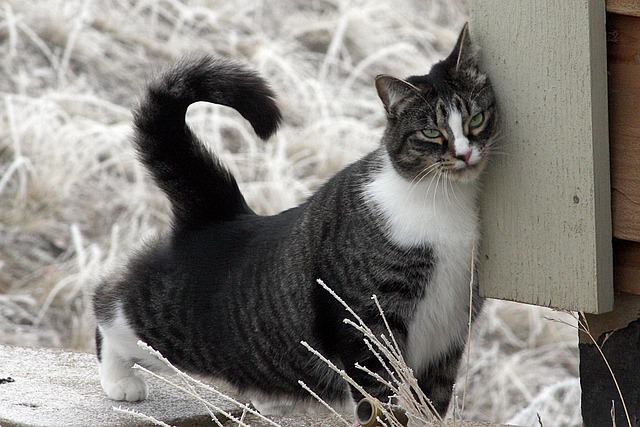
This coat texture is crucial for their hardiness. While countless color and pattern variations exist, the silver classic tabby—with its distinct swirling patterns and contrasting markings—is perhaps the most iconic representation of the breed. According to breed standards, the overall impression is one of strength, symmetry, and health.
The Adaptable Companion: Personality Traits
One of the most appealing aspects of the American Shorthair is its remarkably adaptable temperament. These cats are known for being good-natured, easy-going, and sociable without being overly demanding. They are generally playful and curious, enjoying interactive toys and gentle games, but they are also content to relax alongside their human companions. This balance makes them excellent family pets, capable of integrating well with children and other animals when properly introduced. They possess a degree of independence, fitting the description of a “working cat” that can entertain itself, but they also crave affection and attention. Their intelligence means they can learn routines and respond to their names, though they are not typically known for being overly vocal cats.
This breed’s ability to adapt extends to various living situations. Whether in a spacious house with a yard or a compact apartment, the American Shorthair generally thrives, provided they have adequate stimulation. Their playful nature means they appreciate opportunities for climbing and exploring, so a well-equipped environment with cat trees or shelves can be beneficial. They are less prone to anxiety or destructive behaviors compared to some more high-strung breeds, making them a reliable choice for busy individuals or families.
Essential Care for a Flourishing Feline
Caring for an American Shorthair is relatively straightforward, largely due to their inherent hardiness. Their short, dense coat requires minimal grooming; a weekly brushing session is usually sufficient to remove loose hairs and keep the coat healthy, reducing shedding. During seasonal shedding periods, more frequent brushing might be beneficial. Nail trimming every few weeks and regular ear checks for cleanliness are standard feline care practices.
Dietary needs are typical for a healthy adult cat. High-quality cat food, whether wet or dry, that meets nutritional standards is recommended. As with all cats, ensuring they have access to fresh, clean water at all times is crucial. Overfeeding should be avoided to prevent obesity, a common issue in sedentary cats. Providing opportunities for exercise through interactive play, puzzle feeders, and climbing structures is vital for maintaining their physical health and preventing boredom. According to surveys of cat owners in 2026, those who engage their pets in daily play sessions report fewer behavioral issues and better overall health in their felines.
Longevity and Health: What to Expect
The American Shorthair is renowned for its excellent health and longevity. They typically have a lifespan of 12 to 17 years, with many living well into their late teens or even early twenties with proper care. Their strong genetic makeup, stemming from their foundation as a working cat, contributes to their resilience against many common feline ailments. However, like all breeds, they can be predisposed to certain conditions.
Hypertrophic Cardiomyopathy (HCM), a heart condition, can occur, although it’s not as prevalent as in some other breeds. Certain genetic dental issues or kidney problems may also arise. Regular veterinary check-ups, typically annually for adult cats and semi-annually for seniors, are essential for early detection and management of any health concerns. As of July 2026, advancements in veterinary diagnostics mean many potential issues can be identified and treated effectively, further extending their healthy lifespans.
Owners should be vigilant for any changes in their cat’s behavior, appetite, or grooming habits, as these can be early indicators of underlying health issues. Maintaining a healthy weight is paramount, as obesity can exacerbate or contribute to various health problems, including joint issues and diabetes.
Finding Your American Shorthair: Adoption and Integration
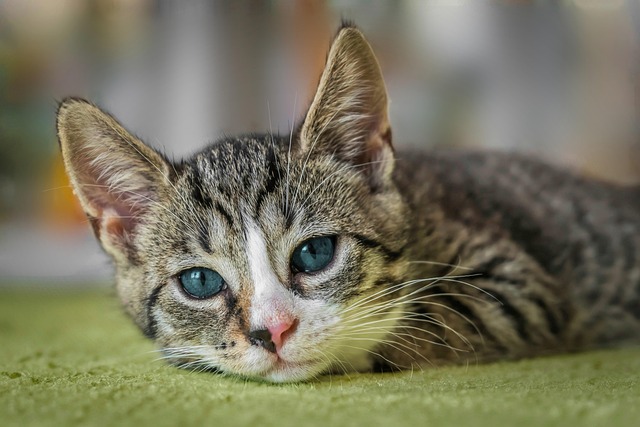
The American Shorthair’s amiable and adaptable nature makes them an excellent fit for a wide range of households, including those with children or other pets. Their patient demeanor means they can often coexist peacefully with dogs and other cats, provided they are introduced gradually and positively. Their playful yet not overly boisterous personality ensures they can be both a fun companion for children and a calming presence for adults. When considering adoption, prospective owners might find American Shorthairs in local animal shelters, rescue organizations, or through reputable breeders.
As of July 2026, adoption fees for mixed-breed cats with American Shorthair traits can range from $50 to $200, while purebred kittens from breeders can command prices from $500 to $1,200 or more, depending on lineage, breeder reputation, and location. The Cat Fanciers’ Association (CFA) notes that responsible breeders prioritize health and temperament, often providing health clearances for their kittens. Prospective owners should research breeders thoroughly to ensure they are ethical and prioritize the well-being of their cats.
Integrating a new American Shorthair into the home should be a gradual process. Providing a safe, quiet space initially, along with their own food, water, litter box, and bedding, allows them to acclimate. Slow introductions to family members and other pets, supervised interactions, and positive reinforcement will help build trust and establish a harmonious relationship. Their intelligence and desire for gentle interaction mean they often bond closely with their families, becoming cherished members of the household.
Common Mistakes to Avoid
One common mistake is underestimating their need for mental stimulation. While hardy, American Shorthairs can become bored without adequate toys, puzzles, or interaction, potentially leading to behavioral issues. Another oversight is neglecting routine veterinary care, assuming their strong health means no professional check-ups are needed. Early detection of potential issues like HCM or dental problems is key to longevity.
Expert Tips for Enrichment
To keep your American Shorthair engaged and happy, rotate their toys regularly to maintain novelty. Consider vertical space, such as cat trees or wall shelves, to allow them to climb and observe their surroundings. Puzzle feeders that dispense treats or kibble can provide mental challenges during meal times. Gentle, consistent interaction and playtime daily will strengthen your bond and contribute to their overall well-being.
Frequently Asked Questions
Are American Shorthairs good lap cats?
While typically independent, many American Shorthairs enjoy cuddling and can become affectionate lap cats, especially as they mature and bond with their owners. They appreciate gentle affection on their own terms.
Do American Shorthairs shed a lot?
They have a short, dense coat that sheds moderately. Weekly brushing is usually sufficient to manage shedding and maintain coat health, especially during seasonal molts.
What is the average price of an American Shorthair kitten?
As of July 2026, purebred American Shorthair kittens from reputable breeders typically range from $500 to $1,200, influenced by bloodline and breeder reputation. Shelter adoption fees are considerably lower.
Are American Shorthairs high-maintenance?
No, they are considered relatively low-maintenance cats due to their strong health, short coat requiring minimal grooming, and adaptable temperament. They are not overly demanding of attention.
How long do American Shorthairs live?
The typical lifespan for an American Shorthair is 12 to 17 years, with many individuals living longer with excellent care, diet, and veterinary attention.
Are American Shorthairs good with children?
Yes, their patient and good-natured temperament makes them excellent companions for families with children. They can tolerate gentle play and interaction well.
A Loyal and Enduring Choice
The American Shorthair continues to prove its worth as a steadfast and adaptable feline companion in 2026. Their blend of historical resilience, charming personality, and generally excellent health makes them a superb choice for a wide range of pet owners. Whether you’re drawn to their iconic silver tabby markings or their dependable nature, the American Shorthair offers a rewarding relationship built on mutual affection and understanding.
Last reviewed: July 2026. Information current as of publication; pricing and product details may change.
Source: Britannica
Editorial Note: This article was researched and written by the Pet Magazine editorial team. We fact-check our content and update it regularly. For questions or corrections, contact us.




About The Author