
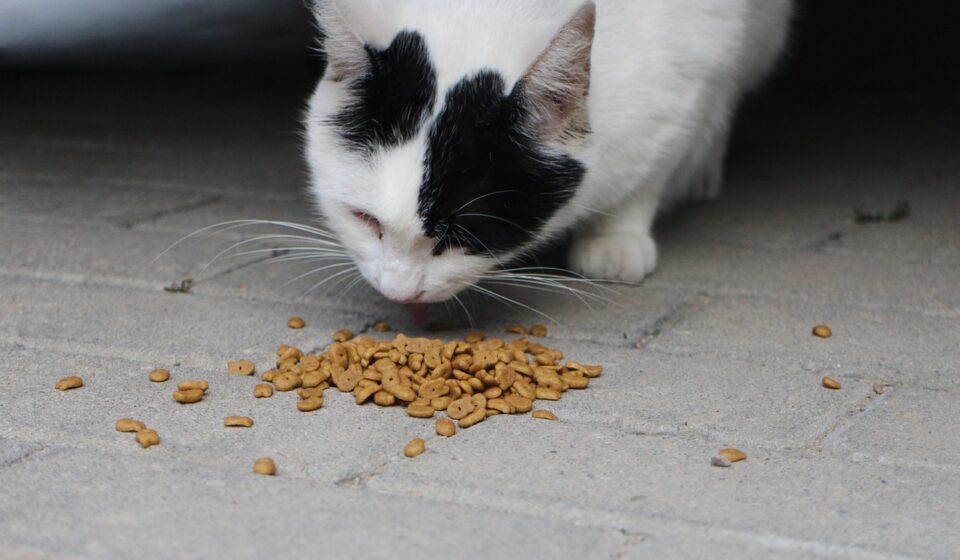

on for cats to show interest in olives. Their strong, salty aroma can be quite appealing to a feline’s sensitive nose, and the soft, somewhat chewy texture might also intrigue them. Some cats are simply curious about anything their humans eat, and an olive is no exception. This curiosity, however, shouldn’t be mistaken for a nutritional need or a sign that olives are a healthy snack for them.
Last updated: July 12, 2026
From a different angle, cats are obligate carnivores, meaning their diet primarily consists of meat. While they might show interest in other foods, their digestive systems are optimized for processing animal proteins and fats. Olives, being fruits, are outside their natural dietary scope.

Should cats eat olives: Are Olives Safe for Cats? The Risks to consider
While a plain, ripe olive won’t kill your cat, there are several significant risks associated with feeding them olives. These risks stem from the olive itself and how it’s typically prepared for human consumption.
Firstly, olives are notoriously high in sodium. Cats, like dogs, are susceptible to sodium ion poisoning if they consume too much salt. While a single olive won’t reach toxic levels, regularly offering salty treats can contribute to chronic health issues such as high blood pressure, kidney disease, and heart problems. According to the Pet Nutrition Alliance (2025), excessive sodium intake in cats can lead to increased thirst and urination, and in severe cases, sodium ion poisoning.
Secondly, olives contain a significant amount of fat. While cats need fat in their diet, the fat content in olives isn’t necessarily the type that’s most beneficial for them, and too much can lead to weight gain and obesity, a common and serious health problem in domestic cats. Obese cats are at higher risk for diabetes, arthritis, and other complications.
Additives and Stuffings: A Major Concern
Perhaps the most significant danger lies in the way olives are often prepared for human consumption. Many olives are brined, marinated, or stuffed with ingredients that are highly problematic for cats.
Common stuffings include garlic, onions, pimentos, and cheese. Garlic and onions, in particular, are toxic to cats and dogs. They contain compounds that can damage a cat’s red blood cells, leading to anemia. Even small amounts can be dangerous, and symptoms might not appear immediately. The Pet Poison Helpline (2026) frequently fields calls about pets ingesting garlic and onion-containing foods, with olives being a common culprit.
Other additives like herbs, spices, and artificial sweeteners can also cause digestive upset or more severe reactions in cats. If an olive is seasoned, it’s best to assume it’s not suitable for your feline friend.
The Olive Pit: A Dangerous Hazard
One of the most immediate dangers of feeding olives to cats is the pit. Olive pits are hard and smooth, presenting a significant choking hazard, especially for smaller cats or kittens. If a cat manages to swallow the pit, it can cause a serious intestinal blockage.
An intestinal blockage is a life-threatening emergency that requires immediate veterinary attention. Symptoms include vomiting, lethargy, loss of appetite, and abdominal pain. The blockage can prevent food and waste from passing through the digestive tract, leading to dehydration, infection, and potentially death if not treated surgically.
Nutritional Value: What Do Olives Offer Cats?
From a nutritional standpoint, olives offer very little to cats. As obligate carnivores, their dietary needs are best met by a balanced diet of high-quality protein, essential fats, vitamins, and minerals found in commercial cat food or a carefully formulated raw diet. Olives are primarily water, fat, and sodium, with some antioxidants. While antioxidants are beneficial for humans, they are not a primary dietary requirement for cats, and better sources are available in their regular food.
Offering olives as a treat means displacing potential nutrients from their regular diet. For a cat that might already be a picky eater, introducing an olive can lead them to prefer less nutritious, high-sodium options over their balanced cat food.
What If My Cat Already Ate an Olive?
If your cat has eaten a small, plain, pitted olive, don’t panic. Observe them closely for any unusual symptoms. These might include increased thirst, vomiting, diarrhea, or lethargy. If you notice any of these signs, or if they ate a large quantity, or a stuffed/seasoned olive, it’s best to contact your veterinarian immediately.
When you call your vet, be prepared to tell them:
- The type of olive (black, green, stuffed, plain).
- The approximate quantity eaten.
- Whether the pit was present.
- Any ingredients the olive might have been packed with (garlic, onion, etc.).
Your veterinarian can provide specific advice based on your cat’s size, health history, and the type of olive consumed. For peace of mind, especially if you’re unsure, a quick call to a pet poison control hotline or your vet is always the safest bet.
Safer Alternatives to Olives for Your Cat
If you’re looking for ways to treat your cat or introduce variety into their diet, there are many safer and more beneficial options available. The key is to choose treats that align with their carnivorous needs and provide some nutritional value.
Commercially available cat treats are formulated to be safe and palatable. Look for treats made with real meat as the primary ingredient. Brands like Temptations (though some contain artificial colors, so check labels) or limited-ingredient meat treats are generally well-received and safe. For surface-material comparisons, see for that breakdown.
For a more natural approach, consider small pieces of cooked, unseasoned lean meats such as chicken, turkey, or beef. Ensure the meat is cooked thoroughly and free from any bones, spices, or sauces. A tiny morsel of cooked salmon or tuna (in moderation due to mercury levels) can also be a special treat. Always introduce new foods slowly and in small amounts to monitor for any digestive upset.

Expert Opinion and Veterinary Guidance
Veterinarians and animal nutritionists overwhelmingly advise against feeding olives to cats. The consensus, as of July 2026, is that the risks far outweigh any perceived benefits. The high sodium content, potential for toxic additives, and the hazard of the pit make olives an unsuitable choice.
The American Veterinary Medical Association (AVMA) emphasizes that a cat’s diet should be species-appropriate. While cats may show interest in human foods, their unique physiology means that many items humans consume are either harmful or offer no nutritional advantage. According to a 2026 report by the AVMA on feline dietary guidelines, the focus should remain on balanced commercial cat foods and veterinarian-approved supplements or treats.
Feeding your cat a diet rich in salt and fat, or exposing them to potential toxins like garlic and onion, can lead to a lifetime of health issues. It’s always best to err on the side of caution and stick to foods specifically recommended for feline consumption. For more on what makes a balanced cat diet, explore Best Pet Health Tracker Apps: Your Guide to Canine & Feline Wellness.
Common Mistakes When Feeding Cats Human Food
One of the most common mistakes owners make is assuming that if food is safe for humans, it’s safe for cats. This is a critical error because cats have different digestive systems and nutritional requirements. What’s healthy for us can be harmful, or even deadly, for them.
Another mistake is underestimating the danger of small amounts. While a single olive might seem insignificant, regular small exposures to harmful ingredients or excessive sodium can accumulate over time, leading to serious health problems down the line. Owners might also overlook the importance of the olive pit, not realizing the severe risk of choking or blockage it poses.
A third mistake is succumbing to a cat’s persistent begging. Cats are masters at charming their way into getting what they want, but their persuasive tactics don’t always align with their best health interests. It’s up to the owner to set firm boundaries regarding what is and isn’t acceptable to feed them. For a deeper dive into managing feline behavior, see Best Automatic Cat Feeders of 2026: Keep Your Feline Fed.
Frequently Asked Questions
Can cats eat black olives?
Black olives, like green ones, are high in sodium and fat and can contain toxic additives like garlic or onion. The pit is also a serious hazard. It’s best to avoid offering them to your cat.
Are green olives safe for cats?
Green olives also pose risks due to high sodium, fat content, potential for toxic seasonings, and the presence of pits. They are not considered a safe treat for cats.
What should I do if my cat eats an olive pit?
If your cat ingests an olive pit, it’s a veterinary emergency. Contact your veterinarian or a pet poison control center immediately. Monitor for signs of blockage like vomiting or lethargy.
Can cats have olive oil?
While small amounts of pure olive oil are sometimes used as a home remedy for constipation in cats (consult your vet first!), it’s not a regular dietary component. Excessive oil can lead to digestive upset and weight gain.
Are stuffed olives dangerous for cats?
Yes, stuffed olives are particularly dangerous. The fillings often contain toxic ingredients like garlic and onion, which can cause serious health issues for cats. Avoid these entirely.
Will one olive hurt my cat?
One plain, pitted olive is unlikely to cause immediate severe harm to a healthy adult cat. However, it’s still not recommended due to the high sodium and fat content, and the risk of choking if it has a pit.
What are the signs of olive toxicity in cats?
Signs of consuming too much sodium or toxic additives include excessive thirst, frequent urination, vomiting, diarrhea, lethargy, and loss of appetite. Ingestion of a pit can lead to signs of intestinal blockage.
Last reviewed: July 2026. Information current as of publication; pricing and product details may change.
Source: Britannica
Editorial Note: This article was researched and written by the Pet Magazine editorial team. We fact-check our content and update it regularly. For questions or corrections, contact us. For readers asking “Should cats eat olives”, the answer comes down to the specific factors covered above.



About The Author