
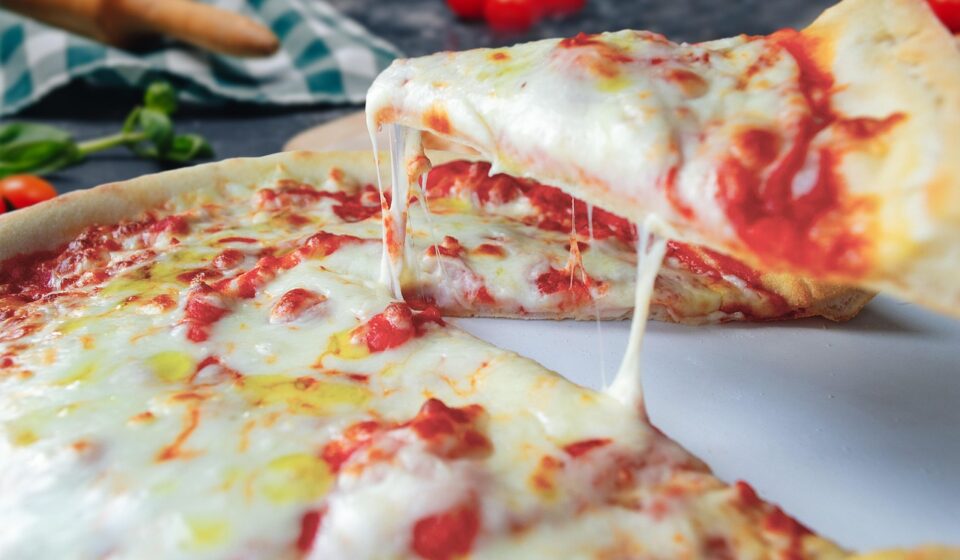

eats are readily available and far better for your feline friend’s health.
Why Pizza is Off-Limits for Felines
The primary reason pizza is a no-go for cats lies in their biology. Cats are obligate carnivores. This means their bodies are biologically designed to thrive on a diet composed almost exclusively of meat. They require high levels of protein and specific nutrients found in animal tissue. The ingredients common in pizza—dough, cheese, tomato sauce, processed meats, and seasonings—are far removed from a cat’s natural dietary needs.
Last updated: June 5, 2026
A cat’s digestive system is short and efficient, built to process meat quickly. It lacks the necessary enzymes or gut flora to effectively break down the carbohydrates, fats, and complex compounds found in many human foods, especially something as processed as pizza. Feeding cats pizza is akin to feeding a steak-lover a bowl of pasta; it’s just not what their system is designed for.
And, the sheer density of salt and fat in most pizzas is problematic. According to the American Veterinary Medical Association (AVMA) (2025), excessive sodium intake can lead to dehydration, increased thirst, and in severe cases, sodium ion poisoning. High fat content can trigger pancreatitis, a painful and potentially life-threatening inflammation of the pancreas.
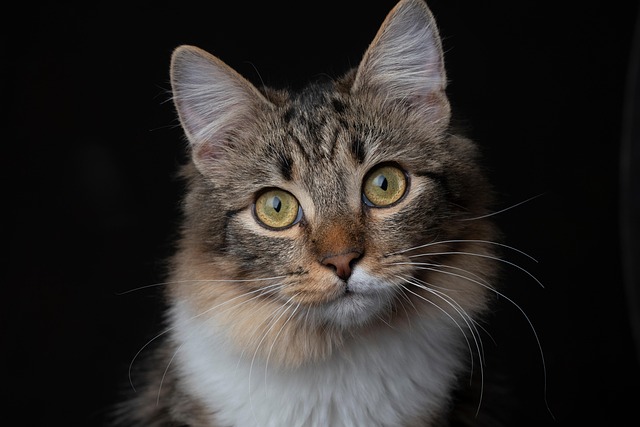
Dissecting Pizza Ingredients and Their Feline Dangers
Let’s break down the typical components of a pizza and understand why each one can be problematic for your cat:
The Dough Base: Carbohydrate Overload
Pizza crust is made from refined flour, yeast, and often sugar. While not immediately toxic, large amounts of carbohydrates are hard for cats to digest. Their bodies aren’t adapted to process significant amounts of starch. This can lead to digestive upset like vomiting and diarrhea. More concerningly, regular consumption of carbohydrate-rich foods can contribute to obesity and the development of feline diabetes mellitus, a chronic condition that requires lifelong management.
Cheese: Fat, Lactose, and Sodium Concerns
Most adult cats are lactose intolerant. While kittens produce lactase to digest their mother’s milk, many lose this ability as they mature. This means cheese, a dairy product, can cause significant digestive distress, including gas, bloating, diarrhea, and stomach cramps. Even if your cat tolerates a small amount of lactose, the high fat content in cheese can still be problematic. As mentioned, too much fat can lead to pancreatitis.
Additionally, the sodium content in cheese can be quite high, contributing to the overall salt load of the pizza slice, which is detrimental to feline health.
Tomato Sauce: Acidity and Potential Toxins
Tomato sauce itself isn’t inherently poisonous to cats. However, it’s acidic, which can irritate a cat’s sensitive stomach. More importantly, pre-made pizza sauces often contain garlic and onion powder, both of which are highly toxic to cats. These alliums (garlic, onion, chives, leeks) contain compounds that can damage a cat’s red blood cells, leading to anemia. Even small amounts, when ingested regularly or in concentrated forms, can be dangerous. Anemia can manifest as lethargy, weakness, and pale gums.
Pizza Toppings: A Minefield of Risks
The toppings are often the most dangerous part of a pizza for cats.
- Pepperoni, Sausage, and other Processed Meats: These are typically very high in fat, sodium, and preservatives. The high fat content can trigger pancreatitis, and the sodium can lead to salt poisoning. Spices used in these meats can also irritate a cat’s digestive system.
- Onions and Garlic: As mentioned, these are extremely toxic. They are often found in the sauce, as a topping, or as seasoning on the crust.
- Mushrooms: While some mushrooms are safe for cats, many varieties found on pizzas can be toxic, causing gastrointestinal upset or more severe reactions. It’s hard for a pet owner to identify mushroom types definitively, so it’s best to avoid them entirely.
- Peppers and Other Vegetables: Some cats might tolerate small amounts of cooked vegetables, but raw peppers can be irritating. The main concern remains the seasonings and spices they are often cooked with.
- Herbs and Spices: While some herbs like parsley or catnip are safe, many common pizza seasonings like oregano, basil, and especially red pepper flakes can cause stomach upset or even allergic reactions in sensitive cats.
The Dangers of Garlic and Onion in Detail
To emphasize, garlic and onion are among the most common household food items that are poisonous to cats. These belong to the Allium family. According to the ASPCA Animal Poison Control Center (2026), compounds within these plants, such as N-propyl disulfide, cause oxidative damage to a cat’s red blood cells. This leads to a condition called hemolytic anemia. Symptoms can include lethargy, weakness, vomiting, diarrhea, loss of appetite, pale gums, and increased heart rate. Ingesting a significant amount can be life-threatening and require immediate veterinary intervention, often involving blood transfusions.
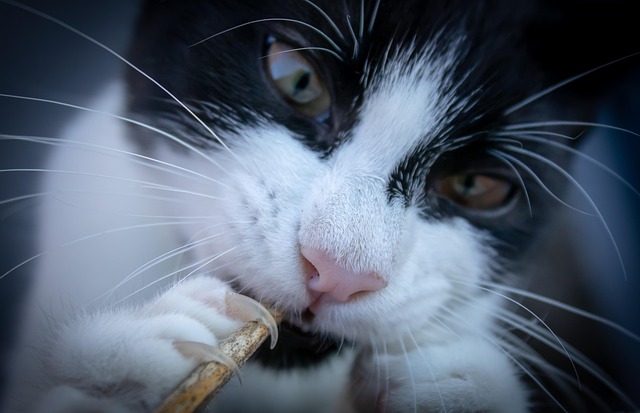
What Happens If My Cat Eats Pizza?
The consequences of a cat eating pizza depend heavily on the amount consumed, the specific ingredients, and the individual cat’s sensitivity. Generally, you can expect one or more of the following:
Mild Gastrointestinal Upset
For a small amount of plain crust or a tiny bit of cheese, a cat might experience mild symptoms like vomiting, diarrhea, or gas. This is often the body’s way of rejecting something it can’t properly digest. These symptoms usually resolve on their own within 24-48 hours.
Pancreatitis and Severe Digestive Issues
If your cat ingests a significant amount of pizza, especially one loaded with fatty meats and cheese, the risk of acute pancreatitis increases. This condition causes severe abdominal pain, vomiting, diarrhea, lethargy, and loss of appetite. Treatment can be intensive, involving hospitalization, IV fluids, pain management, and dietary changes. The high fat content is the main culprit here.
Toxic Poisoning from Garlic and Onion
If the pizza contained garlic or onion (even as powder), your cat could be at risk of toxic poisoning. Symptoms can range from mild lethargy and digestive upset to severe anemia requiring blood transfusions. The damage to red blood cells can be cumulative, meaning even seemingly small ingestions over time can cause problems.
Sodium Ion Poisoning
The high sodium content in pizza, especially in cured meats and cheese, can lead to sodium ion poisoning. Symptoms include excessive thirst, frequent urination, vomiting, diarrhea, lethargy, tremors, seizures, and even coma. This is a serious condition requiring immediate veterinary care.
Long-Term Health Consequences
Even if your cat doesn’t experience an acute crisis from a single pizza incident, regular or even occasional consumption of pizza can contribute to chronic health problems. Obesity is a major concern, as is the increased risk of developing diabetes or kidney issues due to the constant strain on their system from processing unhealthy foods. According to a 2025 survey by Pet Food Safety, 60% of cat owners admitted to occasionally feeding their pets human food, with owners of overweight cats being more likely to do so.
What to Do If Your Cat Eats Pizza
If you discover your cat has eaten pizza, don’t panic, but do act promptly. Here’s a step-by-step approach:
- Assess the Quantity and Ingredients: Try to determine how much pizza your cat ate and what toppings were on it. Was it plain crust, a bit of cheese, or did it include pepperoni, garlic, or onion? This information is crucial for your vet.
- Contact Your Veterinarian Immediately: Even if your cat seems fine, it’s best to call your vet or a pet poison control hotline. They can provide immediate advice based on the specific situation. Have the details ready: your cat’s age, weight, breed, any pre-existing conditions, the amount of pizza eaten, and the ingredients.
- don’t Induce Vomiting Unless Advised: Inducing vomiting can be dangerous for cats if not done correctly or if the cat has certain medical conditions. Only do so if specifically instructed by a veterinarian.
- Monitor Your Cat Closely: Watch for any signs of illness, such as vomiting, diarrhea, lethargy, loss of appetite, excessive thirst, pale gums, or behavioral changes.
- Follow Veterinary Advice: Your vet may recommend bringing your cat in for an examination, administering activated charcoal, or managing symptoms with supportive care.
Pet Poison Control Hotlines
For urgent situations, these resources can be invaluable:
- ASPCA Animal Poison Control Center: 1-888-426-4435 (a consultation fee may apply, but it’s well worth it for peace of mind and expert advice).
- Pet Poison Helpline: 1-855-764-7661 (also a fee-based service).
Remember, acting quickly and providing accurate information to your vet can significantly impact your cat’s outcome.
Healthier Alternatives to Sharing Pizza with Your Cat
The desire to share our favourite foods with our pets is strong, but it’s essential to find safe alternatives that satisfy your cat’s cravings without compromising their health. The goal is to offer treats that are nutritious, species-appropriate, and enjoyable for your feline friend.
Commercial Cat Treats: Vet-Approved Options
The market is flooded with a wide variety of commercially produced cat treats. When choosing these, look for options that are specifically formulated for cats and contain high-quality protein sources as the primary ingredient. Many brands offer dental treats, crunchy snacks, or soft, chewy morsels that cats adore.
- Look for single-ingredient treats: Brands that offer freeze-dried or dehydrated meats like chicken, turkey, or fish can be excellent, high-value options.
- Check the ingredient list: Ensure there are no artificial colours, flavours, preservatives, or excessive fillers like corn or soy.
- Consider age and health needs: Kitten, senior, or special dietary needs treats are available.
According to a 2026 report by Pet Nutrition Insights, the top-selling cat treats focused on limited ingredients and novel proteins, indicating a trend towards simpler, more digestible options.
Homemade Cat Treats: Safe and Easy Recipes
For the more hands-on pet parent, making your own cat treats can be rewarding and ensures you know exactly what your cat is consuming. Here are a few simple ideas:
- Tuna or Salmon Bites: Mix a small amount of canned tuna or salmon (packed in water, not oil, and low in sodium) with a binder like a small amount of whole wheat flour or oat flour. Roll into small balls and bake at a low temperature (around 250°F or 120°C) until firm.
- Chicken Liver or Heart Treats: Cooked and finely chopped chicken liver or heart can be mixed with a tiny bit of pumpkin puree (for fiber) and rolled into small pieces. They can be served as is or lightly baked.
- Meat-Based “Kibble”: Blend cooked lean meat (chicken, turkey) with a small amount of cat-safe broth and perhaps a tiny bit of cooked sweet potato. Freeze in an ice cube tray for small, portion-controlled treats.
Always introduce new treats gradually and monitor your cat for any adverse reactions. Ensure any homemade treats are stored properly and consumed within a reasonable timeframe.

Safe Human Foods (in Moderation)
While pizza is out, a few human foods are generally safe for cats in very small quantities as occasional treats. These should never replace their balanced cat food diet.
- Cooked, Plain Meats: Small pieces of cooked, unseasoned chicken, turkey, or lean beef.
- Cooked Fish: Small amounts of cooked salmon, tuna, or cod (ensure no bones and low sodium).
- Cooked Eggs: Plain scrambled or boiled eggs are a good source of protein.
- Certain Fruits: Tiny pieces of apple (no seeds or core), blueberries, or strawberries can be offered as a rare treat.
- Certain Vegetables: Small amounts of cooked carrots, peas, or green beans.
Crucially, always ensure these foods are plain, unseasoned, and free from any potentially toxic ingredients like garlic, onion, xylitol, or excessive salt and fat. As of June 2026, resources like the FDA’s Pet Food Consumer Council highlight the importance of understanding human food risks for pets.
Preventing Your Cat from Accessing Pizza
The best strategy is always prevention. Cats are curious and agile, so keeping pizza out of reach is key.
Secure Storage and Disposal
When pizza arrives, immediately store any leftovers in airtight containers and place them in the refrigerator. Don’t leave pizza boxes or slices unattended on counters or tables, especially if your cat is known to be a counter-surfer or a sneaky eater. Ensure trash cans are securely closed, as cats can often tip them over to get to discarded food.
Supervision During Mealtimes
If you’re eating pizza, supervise your cat closely. Don’t let them beg or get too close to your plate. If they show interest, redirect their attention with a safe toy or an approved cat treat.
Cat-Proofing Your Home
For cats who are particularly persistent, consider additional measures. This might include keeping them in a separate room with their own food and toys while you’re eating pizza, or ensuring all food is kept in cabinets or the fridge when not actively being consumed.
Common Mistakes Owners Make Regarding Pizza and Cats
Despite the clear risks, some owners still find themselves sharing pizza with their cats. Here are common pitfalls to avoid:
The “It Was Just a Little Bit” Mentality
Many owners underestimate the harm a small amount can cause. While a single crumb might not be catastrophic, it normalizes the behaviour and can lead to more frequent ‘little bits.’ For cats with sensitive systems or pre-existing conditions, even a small amount can trigger significant issues. For example, a cat with a sensitive stomach could experience severe vomiting from just one bite of cheese.
Assuming All Pizza is the Same
Not all pizzas are created equal, but ‘safer’ options are still risky. A plain cheese pizza might seem less harmful than a meat-lover’s, but it still contains lactose, high fat, and potentially high sodium. Even a ‘healthy’ pizza loaded with vegetables can have toxic seasonings or oils. There’s no truly cat-safe pizza.
Ignoring Signs of Distress
Some owners dismiss mild symptoms like occasional vomiting or diarrhea as normal cat behaviour or a minor upset. However, these can be early indicators of a more serious problem caused by ingesting inappropriate food. Prompt veterinary attention is crucial if you notice persistent or severe symptoms.
Confusing Cat Needs with Human Desires
Ultimately, the desire to share is human. Cats have specific nutritional requirements that are best met by a balanced cat food diet. Projecting human desires onto cats can lead to well-intentioned but harmful feeding practices. Providing safe, species-appropriate food is an act of love and responsibility.
Expert Tips for Keeping Your Cat Healthy and Happy Around Food
Beyond avoiding pizza, here are some overarching tips for ensuring your cat’s dietary well-being:
Prioritize a Balanced Cat Food Diet
This is non-negotiable. Choose a high-quality commercial cat food that meets AAFCO standards for your cat’s life stage (kitten, adult, senior). Look for a high protein content from animal sources, moderate fat, and low carbohydrates. Consult your veterinarian if you’re unsure about the best food for your cat.
Limit Treats and Human Food Offerings
Treats should make up no more than 10% of your cat’s daily caloric intake. If you offer any human food, ensure it’s safe, plain, and given in very small, occasional amounts. Overfeeding treats can lead to obesity and nutritional imbalances.
Provide Fresh Water at All Times
Cats often don’t drink enough water, which can lead to urinary tract issues. Ensure fresh, clean water is always available. Some cats prefer running water, so a pet drinking fountain might be a good investment.
Understand Your Cat’s Individual Needs
Factors like age, activity level, breed, and any existing health conditions (like kidney disease or allergies) will influence your cat’s dietary requirements. Work with your vet to tailor their diet accordingly. For instance, a young, active cat will need more calories than a sedentary senior cat.
Educate Your Household Members
Ensure everyone in your household understands what foods are safe and unsafe for your cat. This includes children, partners, and any visiting friends or family. Consistent practice across the household is vital for your cat’s safety.
Frequently Asked Questions About Cats and Pizza
Can cats eat pizza crust?
While not toxic, pizza crust is primarily made of refined carbohydrates and yeast, which are difficult for cats to digest. It offers no nutritional benefit and can contribute to digestive upset, obesity, and diabetes if fed regularly.
Is a small piece of cheese pizza bad for my cat?
Most adult cats are lactose intolerant, so even a small piece of cheese pizza can cause digestive issues like vomiting, diarrhea, and gas. The fat content can also be problematic for their digestive system.
What about tomato sauce on pizza?
Plain tomato sauce is generally not toxic, but it’s acidic and can irritate a cat’s stomach. The real danger is that most pizza sauces contain garlic and onion powder, which are highly toxic to cats and can cause severe anemia.
Can cats eat pepperoni pizza?
No, cats should not eat pepperoni pizza. Pepperoni is high in fat, sodium, and spices, all of which can cause digestive upset, pancreatitis, and other serious health problems for cats.
My cat ate a tiny bit of pizza and seems fine, should I worry?
While your cat may not show immediate severe symptoms, it’s still a concern. Even small amounts of toxic ingredients can cause cumulative damage. It’s always best to contact your veterinarian or a pet poison control hotline for advice, especially if the pizza contained garlic, onion, or excessive fat.
Are there any pizza ingredients that are safe for cats?
Generally, no single ingredient found on a typical pizza is considered a safe, recommended food for cats. While plain cooked meat or a tiny bit of unseasoned chicken might be safe in other contexts, when combined with other pizza components or seasonings, it becomes part of an unsafe meal.
Conclusion: Prioritizing Your Cat’s Health Over Pizza
To wrap up, the answer to ‘can cats eat pizza?’ is a firm no. As of June 2026, veterinary consensus and nutritional science confirm that pizza is not a suitable food for feline consumption. The risks associated with common pizza ingredients—from toxic alliums to high fat, sodium, and lactose—far outweigh any perceived benefit or desire to share. Prioritizing your cat’s health means sticking to a balanced, species-appropriate diet and offering safe, specially formulated treats instead. Your feline friend deserves the best care, and that includes protecting them from the dangers of human food like pizza.
Information current as of June 2026; pricing and product details may change.
Related read: Exotic House Cats: Your 2026 Guide to Unique Feline Companions
Editorial Note: This article was researched and written by the Pet Magazine editorial team. We fact-check our content and update it regularly. For questions or corrections, contact us. For readers asking “Can cats eat pizza”, the answer comes down to the specific factors covered above.
Related read: Grey Calico Cats: Understanding Their Unique Coat and.
About The Author