

Why Dog Dental Health Matters More Than You Think
This guide covers everything about how to care dog teeth. Most dog owners understand that a wagging tail and a happy bark are signs of a healthy pet. However, a critical component of their overall well-being their oral health is often overlooked. As of May 2026, it’s clearer than ever that neglecting your dog’s teeth can lead to a cascade of health issues far beyond simple bad breath.
Last updated: May 21, 2026
Periodontal disease, a common bacterial infection affecting the gums and bone supporting the teeth, can impact your dog’s entire body, as bacteria from the mouth can enter the bloodstream, potentially damaging the heart, liver, and kidneys. Early intervention and consistent care are key to preventing these serious complications.
Key Takeaways
- Consistent dental care can add 2–4 years to a dog’s life.
- Neglecting oral health can lead to systemic diseases affecting the heart, liver, and kidneys.
- Daily brushing is the gold standard for preventing plaque and tartar buildup.
- Recognizing early signs of dental problems can prevent pain and costly treatments.
- Professional veterinary dental cleanings are essential for thorough care.
Common Misconceptions About Dog Dental Care
Many dog owners operate under a few common myths that hinder effective dental care. One prevalent idea is that dogs’ mouths are naturally clean or that their chewing habits naturally keep their teeth healthy. While chewing does offer some benefit, it’s insufficient to remove plaque and prevent tartar formation entirely. Another misconception is that bad breath is just a normal part of dog ownership; in reality, persistent foul odor is often a red flag for underlying dental disease.
Also, some believe that dental chews or treats are a complete substitute for brushing. While certain dental chews can help reduce plaque, they are not a complete solution. They often lack the mechanical action of brushing, which is crucial for disrupting bacterial colonies before they harden into tartar. According to the American Veterinary Dental College, only about 10% of dogs receive regular dental care, highlighting the widespread need for better education.

The Gold Standard: Daily Brushing Technique
When it comes to how to care for dog teeth effectively, daily brushing remains the gold standard. It’s the most direct way to remove plaque and food debris before they can contribute to tartar buildup and gum disease. For best results, aim for a dog-specific toothbrush and enzymatic toothpaste. Human toothpaste can be toxic to dogs due to ingredients like fluoride and xylitol.
Start by letting your dog taste the toothpaste. Then, gently lift their lips and brush the outer surfaces of their teeth in a circular motion, focusing on the gum line. Gradually introduce brushing to all teeth, including the inner surfaces if your dog tolerates it; practicing for short periods daily, ideally in the evening, helps build a positive association. Many owners find a 30-second to 1-minute session is sufficient once the dog is accustomed to it.
Desensitization Strategies for Reluctant Dogs
Getting a dog to accept tooth brushing can be challenging, but a gradual desensitization process is highly effective. Begin by simply letting your dog lick the dog-specific toothpaste off your finger or a small brush. This builds positive association with the taste and texture.
Next, gently rub their gums and teeth with your finger for a few seconds, then progress to introducing the toothbrush, allowing them to sniff and lick it. Gradually increase the duration and coverage of brushing over several days or weeks. Make each session short, positive, and rewarding with praise or a small, healthy treat. If your dog shows signs of stress, go back a step. Consistency and patience are more important than speed.
Beyond Brushing: Effective Dental Alternatives
For owners whose dogs are exceptionally resistant to brushing, or as a supplementary measure, several alternatives can aid in dog dental care. Dental water additives and dental sprays can help reduce bacteria in the mouth, contributing to fresher breath and potentially slowing plaque formation. According to the Journal of Veterinary Dentistry, some veterinary-approved water additives have shown efficacy in reducing plaque and gingivitis.
Dental chews and toys are also popular. Look for products with the Veterinary Oral Health Council (VOHC) Seal of Acceptance, which indicates they have met standards for plaque and tartar reduction. These items provide mechanical abrasion as the dog chews, helping to scrape away debris. However, it’s crucial to supervise your dog with chews to prevent choking or dental fractures, especially with very hard items.
Recognizing Signs of Dental Problems
Early detection is vital for managing canine dental health. One of the most obvious signs of trouble is persistent bad breath, often described as a foul, rotten odor. Other indicators include visible tartar buildup, which appears as a yellow or brown crust on the teeth, particularly along the gum line. Red, swollen, or bleeding gums are also a clear sign of gingivitis or more advanced periodontal disease.
Changes in your dog’s eating habits, such as dropping food, chewing on one side of their mouth, or reluctance to eat hard food, can signal pain. Excessive drooling, pawing at the mouth, or general lethargy might also point to dental discomfort. If you notice any of these symptoms, it’s time to consult your veterinarian.
The Role of Professional Veterinary Dental Cleanings
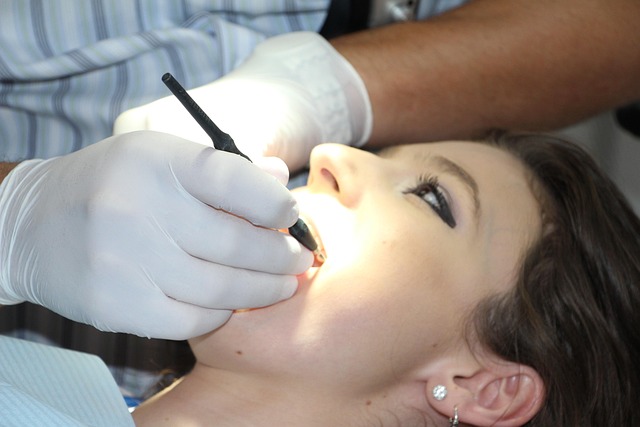
Home care is essential, but it can’t entirely replace professional veterinary dental cleanings. As of 2026, veterinarians recommend these cleanings annually or biannually, depending on the dog’s breed, age, and overall health. These cleanings involve scaling under anesthesia to remove plaque and tartar from above and below the gum line areas inaccessible to home brushing.
During a professional cleaning, the veterinarian can also perform dental X-rays to assess the health of the tooth roots and jawbone, identify any abscesses, or detect early signs of oral tumors. Any necessary extractions or treatments are performed under sterile conditions. While the cost of a professional cleaning can range from $200 to $1000 or more depending on location, complexity, and your dog’s size, the investment can prevent far more expensive health issues down the line.

Creating a Sustainable Dental Care Routine
The most effective strategy for how to care for dog teeth involves integrating dental hygiene into your dog’s regular life. This means making it a predictable part of your daily or weekly routine, rather than an occasional chore. Start by scheduling brushing sessions at a consistent time, perhaps after your dog’s last meal or before bedtime.
Pairing dental care with other enjoyable activities can also help. For instance, after a good brushing session, offer a VOC-approved dental chew or engage in a game of fetch. This reinforces the positive association. Remember that consistency’s key, and even small, regular efforts are more beneficial than sporadic, intensive sessions. According to a 2025 survey by the American Pet Products Association, 72% of pet owners reported some form of daily interaction with their pets, making it feasible to incorporate dental care into this existing bond.
Common Mistakes to Avoid in Dog Dental Care
Several common pitfalls can undermine your efforts to care for your dog’s teeth. One mistake is using human toothpaste, which can cause stomach upset or even be toxic if ingested in sufficient quantities. Another is neglecting the gum line, where most plaque accumulates and periodontal disease begins. Simply brushing the visible tooth surfaces isn’t enough.
Over-reliance on dental treats without any brushing is also a mistake. While helpful, they’re not a substitute for mechanical cleaning. Lastly, failing to address signs of pain or discomfort, or delaying professional veterinary care, can lead to prolonged suffering for your dog and more complex, expensive treatments later on. The American Veterinary Medical Association (AVMA) consistently highlights that delayed diagnosis of dental issues is a major concern.
Expert Tips for Optimal Canine Oral Health
To truly excel in how to care for dog teeth, consider these expert insights. When selecting dental chews, look for the VOHC seal, as not all products are created equal. According to the VOHC, products with their seal have demonstrated efficacy in reducing plaque and tartar in peer-reviewed studies.
For dogs with specific health conditions, such as diabetes or heart disease, consult your veterinarian before introducing new dental products or starting a rigorous brushing routine. They can offer tailored advice. Consider the long-term benefits: a healthy mouth contributes to a longer, happier life for your canine companion, potentially adding 2–4 years to their lifespan, as noted by several veterinary professionals.
Last reviewed: May 2026. Information current as of publication; pricing and product details may change.
Frequently Asked Questions
What is how to care dog teeth?
how to care dog teeth is a topic that many people search for. This article provides a thorough overview based on current information and expert analysis available in 2026.
Why does how to care dog teeth matter?
Understanding how to care dog teeth helps you make better decisions. Whether you’re a beginner or have some experience, staying informed on this topic is genuinely useful.
Where can I learn more about how to care dog teeth?
We recommend checking authoritative sources and official websites for the most current information. This article is regularly updated to reflect new developments.
Editorial Note: This article was researched and written by the Pet Magazine editorial team. We fact-check our content and update it regularly. For questions or corrections, contact us. For readers asking “How to care dog teeth”, the answer comes down to the specific factors covered above.




About The Author